
Stucco Repair in Clermont, FL
Stop Water Damage Before It Costs You Thousands
Hear from Our Customers
Clermont Stucco Repair Contractors
You’re not just patching stucco. You’re stopping moisture from sneaking behind your walls, preventing mold from taking root, and protecting the structural integrity of your home.
Central Florida’s climate doesn’t forgive shortcuts. High humidity, intense UV exposure, and afternoon storms create the perfect conditions for stucco to crack, crumble, and let water seep into places it shouldn’t be. By the time you see stains or bulges on the surface, the damage behind the wall is often far worse—and far more expensive.
The right repair means using materials designed for Florida’s weather, applying proper moisture barriers, and addressing the root cause of the damage. Not just covering it up. When it’s done correctly, you get years of protection, better curb appeal, and peace of mind that your home isn’t quietly deteriorating behind a fresh coat of paint.
Stucco Repair Near Me Clermont
We’ve been repairing stucco across Central Florida for over 20 years. Our owner spent years working in foundation repair with engineers, which means every stucco project we touch gets the same level of structural attention most contractors skip.
We’re not the cheapest option in Clermont, and that’s intentional. You’re paying for materials that last, repairs that address the actual problem, and a team that shows up when we say we will. Our 5.0 Google rating and 4.6 overall rating across 145 reviews reflect that approach.
Clermont homeowners deal with the same issues we see across the Orlando metro area: homes built in the 90s and early 2000s that are now showing their age, stucco that wasn’t sealed properly from the start, and Florida’s relentless heat and rain accelerating every weak point. We’ve seen it all, and we know how to fix it so it actually holds up.
How to Fix Stucco Cracks
First, we assess the damage. Not just what you can see on the surface, but what’s happening underneath. Cracks aren’t always just cosmetic—they’re often symptoms of water intrusion, settling, or improper installation. We check for soft spots, moisture damage, and structural issues before we touch anything.
Next, we prep the area. That means removing loose or damaged stucco, cleaning the surface down to the lath or substrate, and making sure everything is dry and stable. If there’s water damage or mold, we address it. Skipping this step is how most repairs fail within a year.
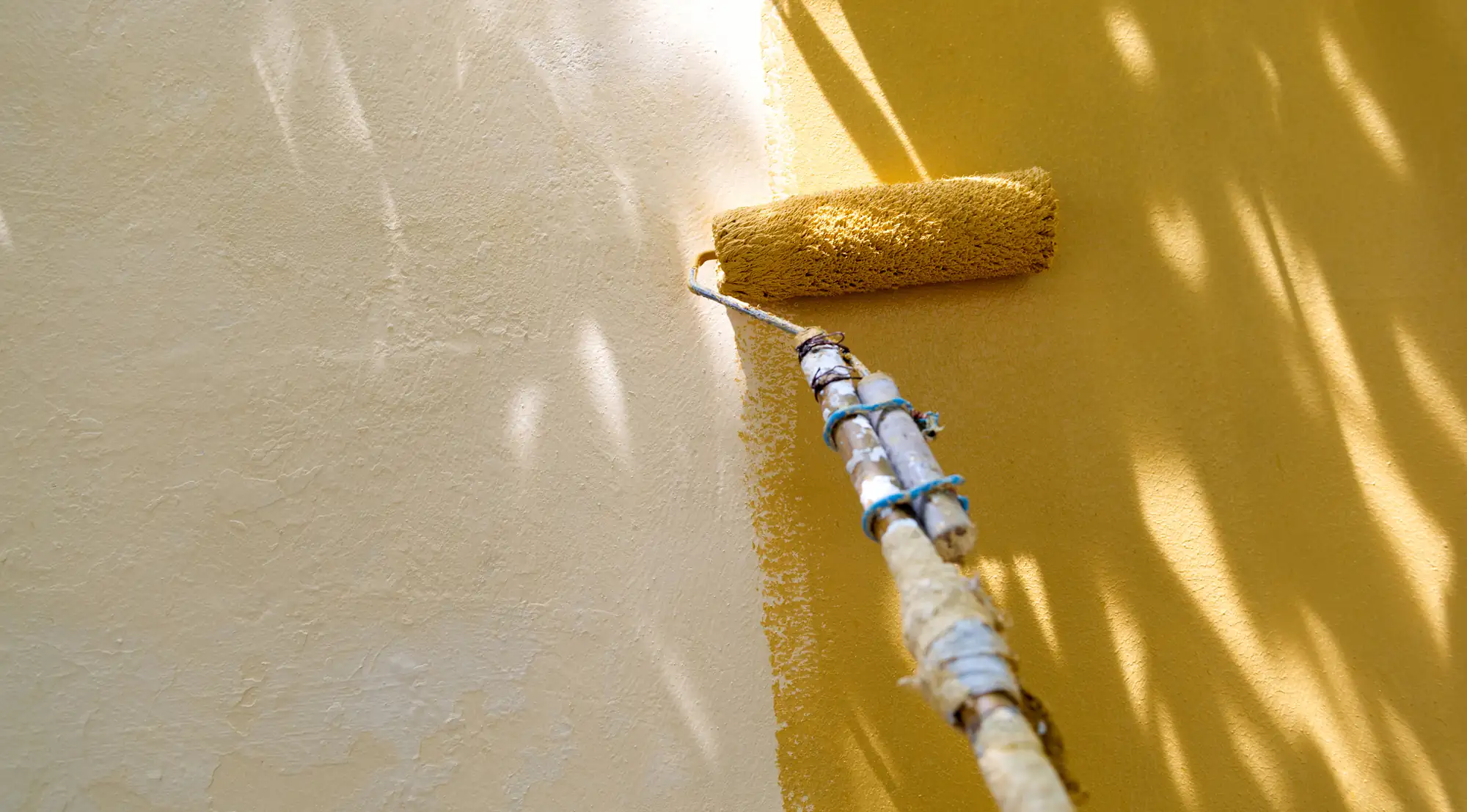
Then we apply the repair in layers—scratch coat, brown coat, and finish coat—using materials formulated for Florida’s climate. Each layer needs time to cure properly, especially in our heat and humidity. Rushing this process leads to cracking and peeling. We also add moisture barriers and sealants where needed to prevent future water intrusion.
Finally, we match the texture and color to your existing stucco so the repair blends in. The goal is for you to forget where the damage even was.
Ready to get started?
Stucco Crack Repair Clermont FL
Every repair starts with a transparent estimate. We walk you through what’s damaged, why it happened, and what it’ll take to fix it correctly. No surprises, no upselling, no vague timelines.
You get full surface preparation, which means removing damaged material, treating any underlying issues like rust or rot, and ensuring a clean, stable base. We use high-quality stucco mixes and application techniques designed specifically for Central Florida’s intense sun, humidity, and storm exposure. That includes UV-resistant finishes and proper moisture barriers that most contractors skip.
In Clermont, we see a lot of homes built in the late 90s and early 2000s that are hitting the age where stucco starts to show its weak points. Hairline cracks turn into water highways. Small bulges mean moisture has been trapped for months. The repairs we do now prevent the kind of damage that costs five figures down the road. Most stucco repairs run between $600 and $2,600 depending on the extent of the damage, but catching it early keeps you on the lower end of that range.
We also keep job sites clean and communicate clearly throughout the process. You’ll know when we’re starting, what’s happening each day, and when we’ll be done.
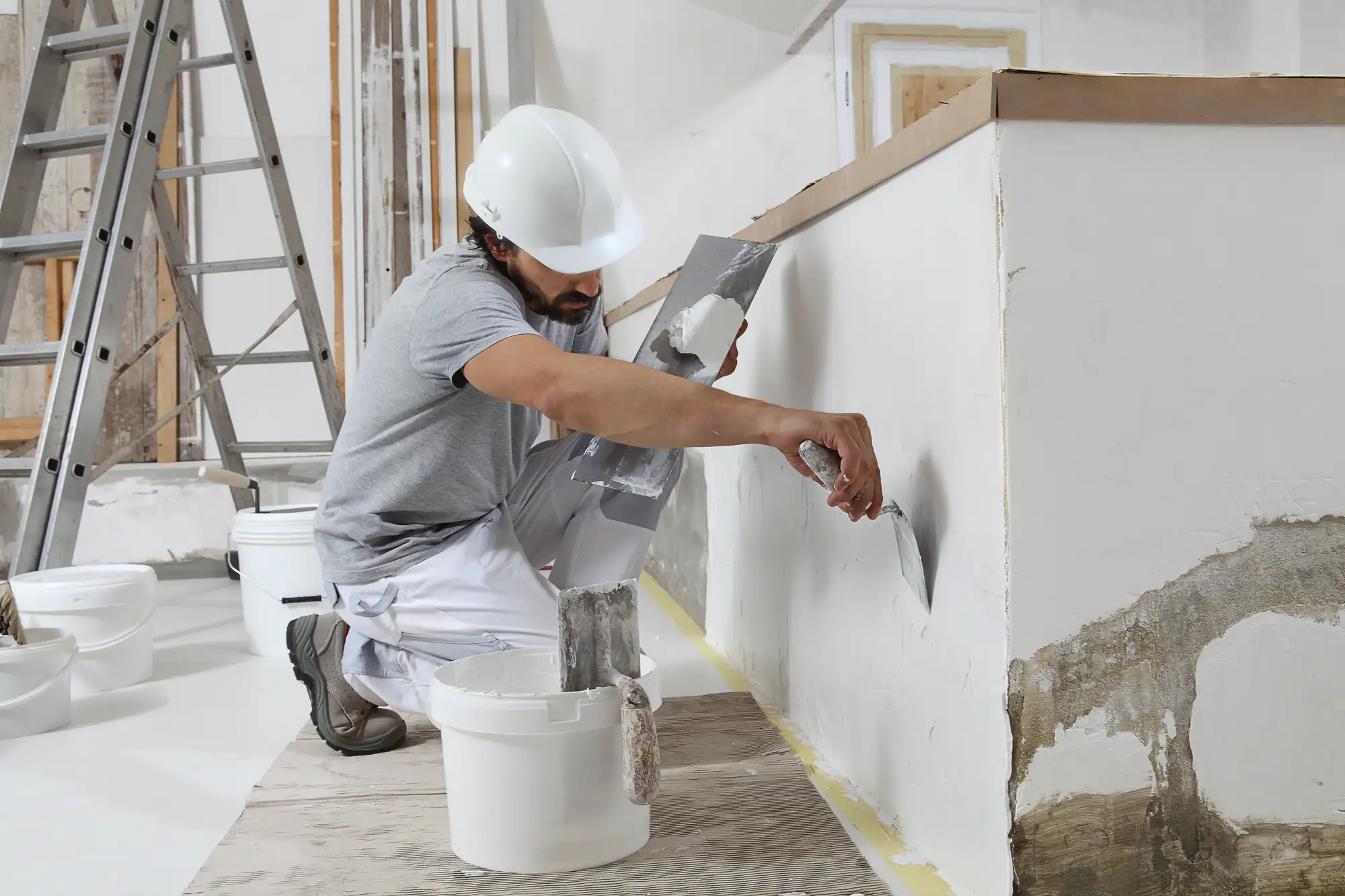
How much does stucco repair cost in Clermont, FL?
Most stucco repairs in Central Florida cost between $600 and $2,600, with an average around $1,600. Minor crack repairs or small patches can run as low as $250, while extensive water damage or large-scale restoration can reach $6,900 or more.
The range depends on the size of the damaged area, how deep the damage goes, and whether there’s underlying water intrusion or structural issues. Patching a few hairline cracks is straightforward. Repairing a wall section where moisture has rotted the lath and caused mold growth is a different project entirely.
In Clermont, we’re often repairing homes built in the 90s and 2000s that are now showing age-related damage. Florida’s climate accelerates wear, so what starts as a small crack can quickly become a costly problem if ignored. Getting an honest assessment early keeps your repair costs manageable and prevents the kind of damage that requires tearing off entire wall sections.
How long does it take to repair stucco cracks?
Small crack repairs usually take one to two days, depending on weather and curing time. Larger repairs involving multiple coats or water damage remediation can take three to five days or longer.
Stucco isn’t something you can rush. Each layer needs time to cure properly, especially in Florida’s heat and humidity. Applying a finish coat before the base coat has fully set leads to cracking, peeling, and failed repairs. We’ve seen plenty of patch jobs done in a few hours that start failing within months because the contractor skipped proper curing time.
Weather plays a role too. Rain delays curing, and extreme heat can cause stucco to dry too fast, leading to stress cracks. We schedule repairs around Central Florida’s afternoon storms and adjust our process to match the conditions. The goal is a repair that lasts years, not one that looks good for a few months and then falls apart.
Can I just patch stucco myself or do I need a contractor?
You can patch small, surface-level cracks yourself if you’re comfortable with the process and have the right materials. But if the crack is wider than a quarter-inch, if there’s any sign of water damage, or if the stucco feels soft or hollow, you need a professional.
DIY stucco repair kits work for cosmetic fixes, but they don’t address underlying issues. If water has been seeping behind the stucco, a surface patch just hides the problem while the damage continues to spread. Florida’s humidity and rain make this especially risky—moisture trapped behind a bad patch creates the perfect environment for mold, rot, and structural deterioration.
Stucco repair also requires understanding how to match textures, apply multiple coats correctly, and use materials suited for Florida’s climate. Most homeowners don’t have access to the right products or the experience to know when a crack is a symptom of something bigger. A contractor assessment costs nothing and can save you from making a small problem worse.
What causes stucco to crack in Florida homes?
Stucco cracks in Florida for a few main reasons: settling and shifting of the home’s foundation, thermal expansion and contraction from heat, moisture intrusion, and improper installation or curing during the original application.
Central Florida’s climate is tough on stucco. Intense UV exposure degrades the binders over time, making the surface brittle. Afternoon heat causes stucco to expand, and cooler nights make it contract—this constant movement creates stress cracks. High humidity and frequent rainstorms exploit any weak points, allowing water to seep behind the surface where it causes far more damage than the visible crack.
Homes built in the 90s and 2000s are hitting the age where these issues become obvious. If the original stucco application was rushed or done without proper moisture barriers, cracks show up sooner and water damage accelerates. Hairline cracks aren’t always urgent, but any crack that’s growing, leaking water, or surrounded by discoloration needs immediate attention before the damage spreads to the structure behind it.
Will my homeowners insurance cover stucco repair in Clermont?
Most Florida homeowners insurance policies don’t cover stucco damage caused by wear and tear, poor installation, or slow leaks. They typically only cover sudden, accidental damage like a tree branch punching through your wall during a storm.
If your stucco is cracking due to age, settling, or gradual water intrusion, you’re likely paying out of pocket. Insurance companies view maintenance and long-term deterioration as the homeowner’s responsibility. Even if water damage is involved, proving it was sudden and accidental—not the result of an unnoticed leak over months or years—can be difficult.
That’s why catching stucco damage early matters. A $600 repair now prevents a $6,000 problem later that insurance won’t touch. If you’re unsure whether your damage qualifies for a claim, document everything with photos and get a professional assessment before filing. We’ve worked with enough homeowners to know what insurance adjusters look for, and we can provide the documentation you need if you decide to file.
How do I know if my stucco damage is just cosmetic or structural?
Cosmetic damage is surface-level: small hairline cracks, minor discoloration, or texture wear that doesn’t affect the integrity of the wall. Structural damage involves water intrusion, soft or hollow-sounding areas, visible bulging, rust stains, or cracks wider than a quarter-inch that are growing over time.
The easiest test is to gently press on the stucco around the damaged area. If it feels spongy, hollow, or crumbles under light pressure, water has likely compromised the layers beneath. Rust stains or brown discoloration usually mean moisture has reached the metal lath or fasteners behind the stucco, which leads to corrosion and further cracking.
In Florida, what looks like a small cosmetic crack can hide significant water damage. Our humidity doesn’t let things dry out easily, so once moisture gets behind stucco, it stays there and spreads. If you’re seeing multiple cracks, any signs of water staining, or if the damage appeared suddenly, get it assessed. Structural issues only get worse and more expensive the longer they’re ignored.
Other Services we provide in Clermont