
Stucco Repair in Oak Ridge, FL
Fix It Right Before Water Gets In

Hear from Our Customers
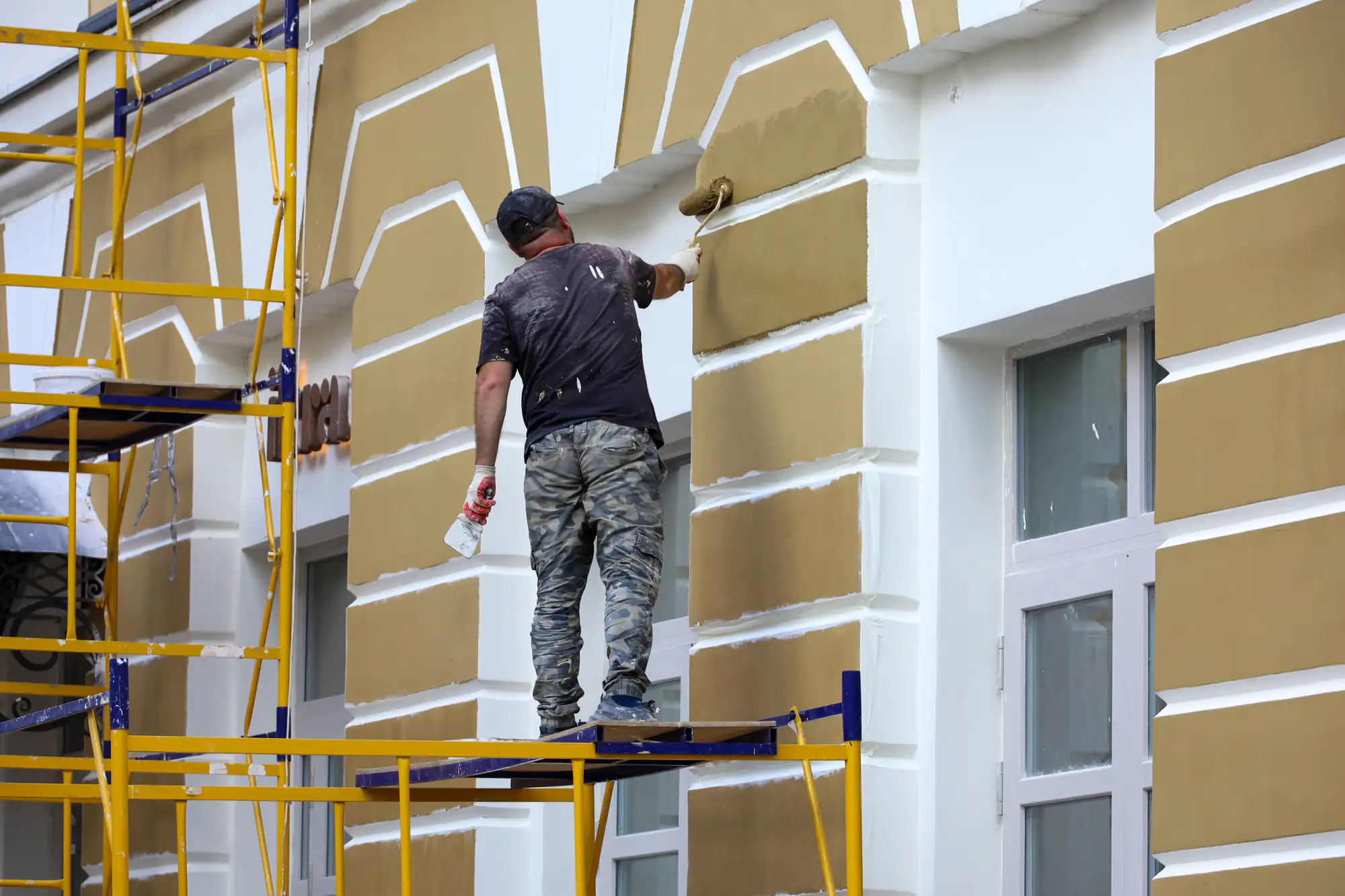
Stucco Crack Repair Oak Ridge Homeowners Trust
Most stucco damage starts small. A hairline crack here, a soft spot there. Then Florida’s rain finds its way in.
Once water gets behind your stucco, it doesn’t just sit there. It soaks into wood framing, spreads through insulation, and creates conditions for mold that you won’t see until the damage is severe. By the time you notice buckling or dark stains, you’re often looking at repairs that run into tens of thousands of dollars.
Fixing stucco cracks early stops that cycle. Proper patching stucco means sealing entry points, addressing the underlying cause, and using materials designed for Florida’s heat and humidity. You’re not just covering up a problem—you’re preventing one that grows exponentially the longer it’s ignored.
The difference between a $500 repair and a $50,000 remediation often comes down to timing. If your stucco is showing cracks, soft spots, or discoloration, you’re still in the window where a real fix is affordable.
Stucco Repair Contractors Serving Oak Ridge, FL
We’ve spent over 20 years repairing stucco across Central Florida. We’ve seen what happens when homes built in the 2000s hit that 15-year mark—the point where improper installation or cheap materials start to fail.
Oak Ridge sits right in the zone where this is happening now. Homes that looked fine five years ago are suddenly showing stress cracks, water stains, and separation around windows. That’s not random—it’s a pattern we’ve tracked across Orange County for years.
We don’t just patch visible damage. We dig into why it’s happening, whether that’s poor drainage, missing weep screeds, or stucco that was applied too thin during the original build. Then we fix it in a way that actually lasts in Florida’s climate.
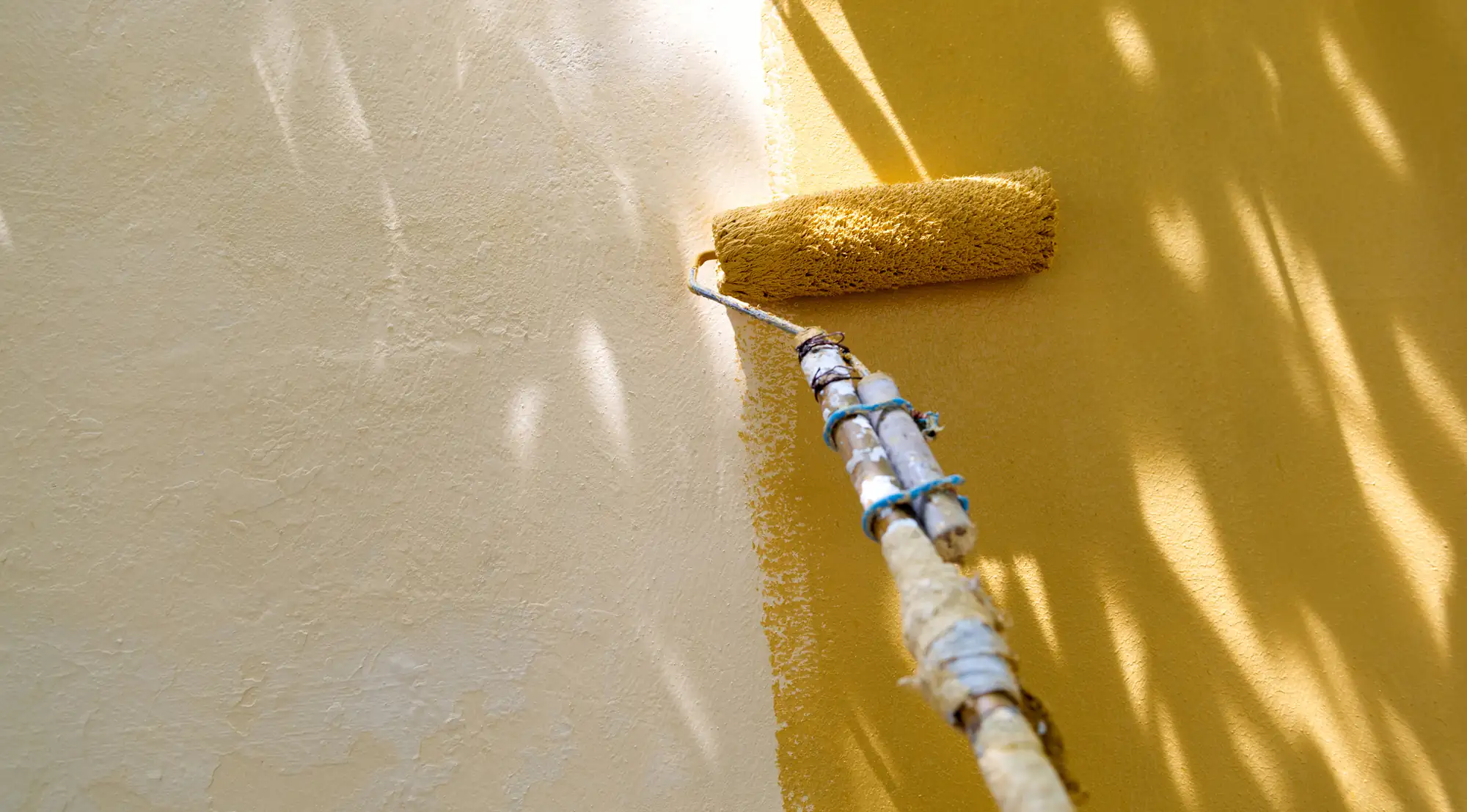
How We Fix Stucco Cracks the Right Way
Every stucco repair starts with understanding what caused the damage. We inspect the area to check for water intrusion, structural movement, or installation issues that need to be addressed before any patching happens.
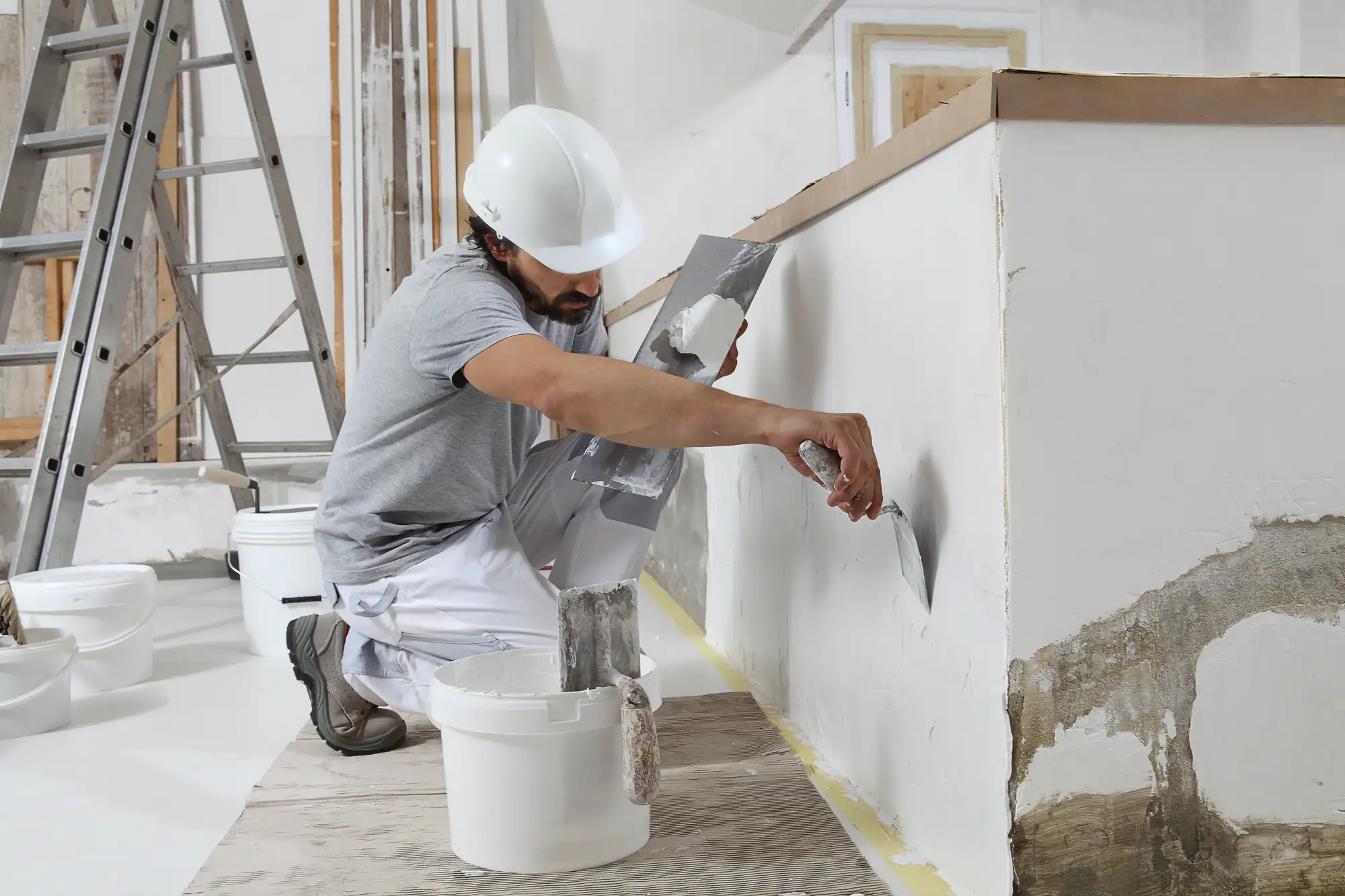
Once we know what we’re dealing with, we remove damaged material down to a solid base. If there’s rot or mold behind the stucco, we handle that first. Skipping this step is how other contractors end up doing the same repair twice.
The actual stucco crack repair involves layering new material to match your existing texture and thickness, then sealing it properly to prevent future water entry. We use products rated for Florida’s UV exposure and moisture levels, not whatever’s cheapest at the supply house.
After the repair cures, we do a final inspection to make sure water is draining away from the patched area and that the new stucco is bonding correctly. You’ll know what we did, why we did it, and what to watch for going forward.

Ready to get started?
What Stucco Repair Costs in Oak Ridge, FL
Stucco repair cost depends on how much damage exists and what’s causing it. Small crack repairs typically run $300 to $800. Larger sections with water damage behind them can range from $1,500 to $5,000, depending on how much framing or sheathing needs replacement.
In Oak Ridge, we’re seeing a lot of homes where the stucco itself looks okay, but the underlying water barrier was never installed correctly. That’s a bigger job because it involves removing sections of stucco, installing proper flashing and moisture barriers, then re-applying new stucco. Those projects usually fall in the $3,000 to $8,000 range for a typical repair area.
Basement water issues are less common in Florida than up north, but if you’re dealing with stucco on a lower level or foundation wall that’s taking on moisture, that requires a different approach. We assess drainage, grading, and whether the stucco system includes adequate waterproofing before recommending a fix.
Dryvit repair follows similar principles but uses synthetic stucco materials. The cost is comparable, but the repair technique differs because Dryvit is a barrier system that relies entirely on its outer seal to keep water out.
We’ll walk your property, show you what’s happening, and give you a clear estimate before any work starts. No surprises, no upselling—just honest pricing based on what actually needs to be done.
How do I know if my stucco damage is serious or just cosmetic?
If you can see the crack, it’s worth checking. Even small cracks let water in, and Florida’s climate accelerates damage once moisture gets behind stucco.
Press gently on the stucco around any cracks or discolored areas. If it feels soft or spongy, water has already compromised the material behind it. Look for dark staining, especially near windows, doors, or anywhere two surfaces meet. That’s usually a sign that water is entering and can’t escape.
Horizontal cracks are often more serious than vertical ones because they suggest structural movement or settling. Cracks wider than a credit card need immediate attention. The key thing to understand is that stucco doesn’t heal itself—every crack will get worse over time, and the damage behind it spreads faster than most homeowners realize.
What's the difference between patching stucco and actually repairing it?
Patching covers the surface. Repairing fixes what caused the problem in the first place.
A lot of contractors will slap some patching compound over a crack and call it done. That might look fine for six months, but it doesn’t address why the crack formed or whether water is already behind your stucco. Real stucco repair means removing damaged material, checking for moisture intrusion, fixing any underlying issues like missing flashing or improper drainage, and then rebuilding the stucco system correctly.
In Central Florida, this distinction matters more because our weather is so hard on exterior materials. A surface patch will fail quickly when it’s hit with afternoon thunderstorms and intense UV exposure. Proper repair uses the right base coats, mesh reinforcement, and finish coats that are designed to move slightly with your home’s natural expansion and contraction. That’s what holds up long-term.
How long does stucco repair take, and can I stay in my home?
Most stucco crack repair projects take one to three days, depending on the extent of damage. You can absolutely stay in your home during the work.
The process involves some noise when we’re removing damaged stucco and prepping the area, but it’s not disruptive like a full renovation. We work outside, keep the job site clean, and make sure your home is sealed up each evening. If we’re repairing an area near a window or door, there might be a few hours where we ask you to use a different entrance, but we coordinate that ahead of time.
Curing time matters more than work time. Stucco needs to cure properly between coats, which means a repair that involves multiple layers might span several days even though we’re only actively working for a few hours each day. We don’t rush the cure time because that’s how you end up with repairs that crack again within a year. Florida’s humidity actually helps with curing, but we still follow proper timing to make sure each layer bonds correctly before we add the next one.
Will repaired stucco match the rest of my house?
Yes, when it’s done right. Matching texture and color is part of the job, not an extra.
We take samples of your existing stucco to match the sand content, aggregate size, and pigment. The texture is replicated using the same application technique that was used on your original stucco—whether that’s a smooth finish, a dash coat, or something in between. Once the repair is painted (if your stucco is painted), the area should blend in completely.
There’s sometimes a slight color difference immediately after repair because new stucco cures lighter than aged stucco. That evens out over a few weeks as the new material weathers. If your home has painted stucco, we can paint the repaired section to match right away.
The bigger issue is when someone tries to repair stucco without matching the original mix or technique. That’s when you get patches that stand out like a sore thumb. We’ve fixed plenty of those over the years—repairs that were done cheap and looked terrible from day one.
Should I repair stucco now or wait until I'm ready to repaint the whole house?
Repair it now. Waiting turns a manageable fix into a major expense.
Stucco damage doesn’t pause while you plan other projects. Every month you wait is another month of water exposure, and in Florida, that means rot, mold, and structural damage that spreads fast. A crack that costs $400 to fix today can easily become a $4,000 problem in a year if water gets into your wall cavity.
If you’re planning to repaint soon, we can time the repair so the new stucco is fully cured before paint goes on. But don’t delay the repair itself just because you’re not ready to paint. The two projects can happen separately without any issue.
Think of it this way: repainting is cosmetic and optional. Stucco repair is structural and necessary. One protects your home’s value and integrity. The other makes it look better. Both matter, but only one is urgent.
Do you handle insurance claims for stucco damage?
We document damage and provide detailed estimates that work for insurance claims, but whether your policy covers stucco repair depends on what caused the damage.
Most homeowners insurance covers sudden events like storm damage or impact from debris. They typically don’t cover damage from long-term wear, poor maintenance, or installation defects. If a tree branch hit your house during a storm and cracked your stucco, that’s usually covered. If your stucco is failing because it was installed incorrectly 15 years ago, that’s generally not.
We’ll walk through the damage with you, explain what we’re seeing, and provide documentation that includes photos and a scope of work. That gives you what you need to file a claim if the damage qualifies. Some homeowners use insurance for part of the repair and pay out of pocket for issues that aren’t covered.
The important thing is getting an accurate assessment of what’s wrong. We’ve seen situations where homeowners assumed damage wasn’t covered, never filed a claim, and paid for everything themselves—only to find out later that their policy would have helped. We’ve also seen the opposite, where someone expected full coverage and was surprised to learn their policy excluded certain types of stucco damage. Getting clarity early saves frustration either way.
Other Services we provide in Oak Ridge