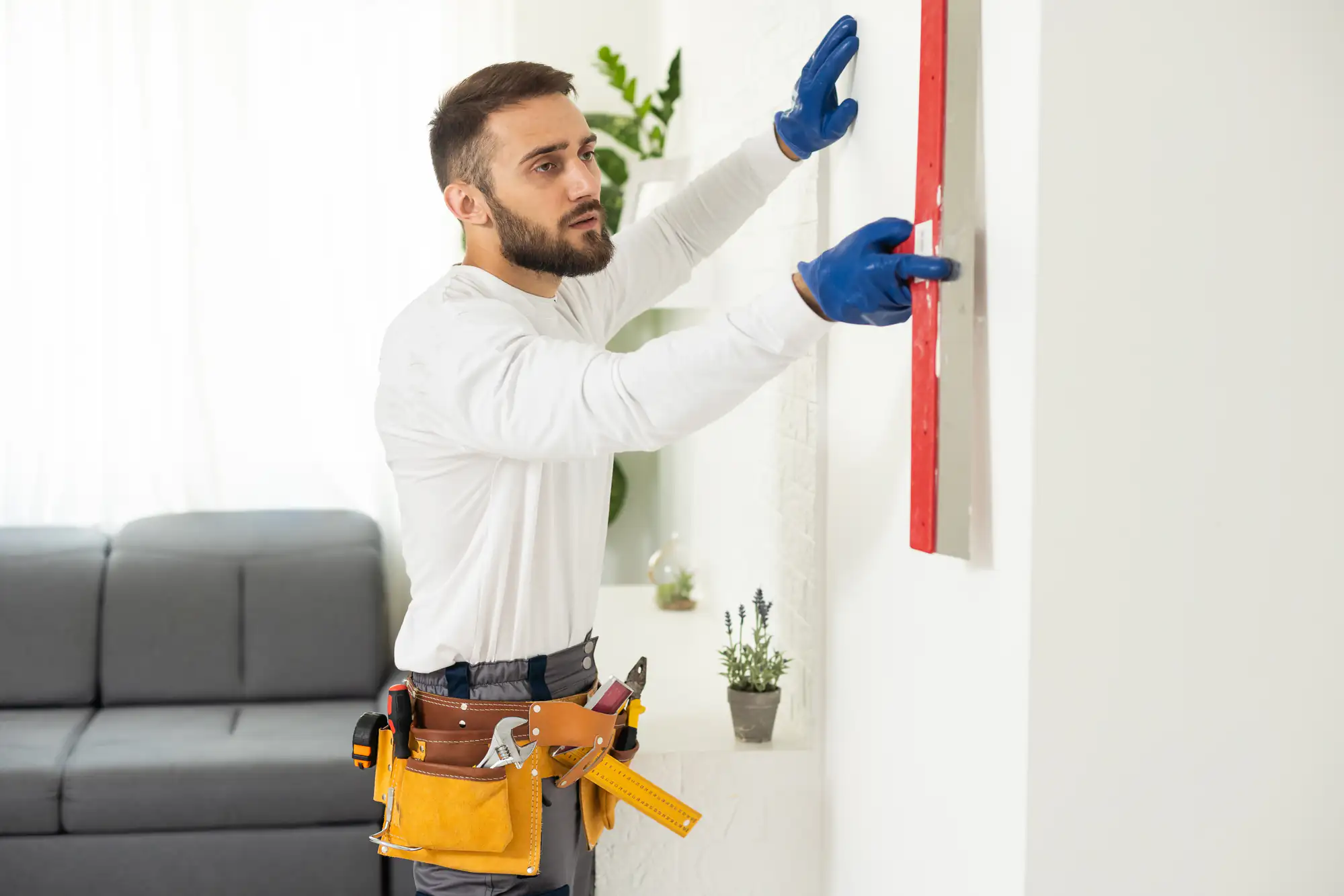
Stucco Repair in Titusville, FL
Stop Water Damage Before It Costs You Thousands
Hear from Our Customers
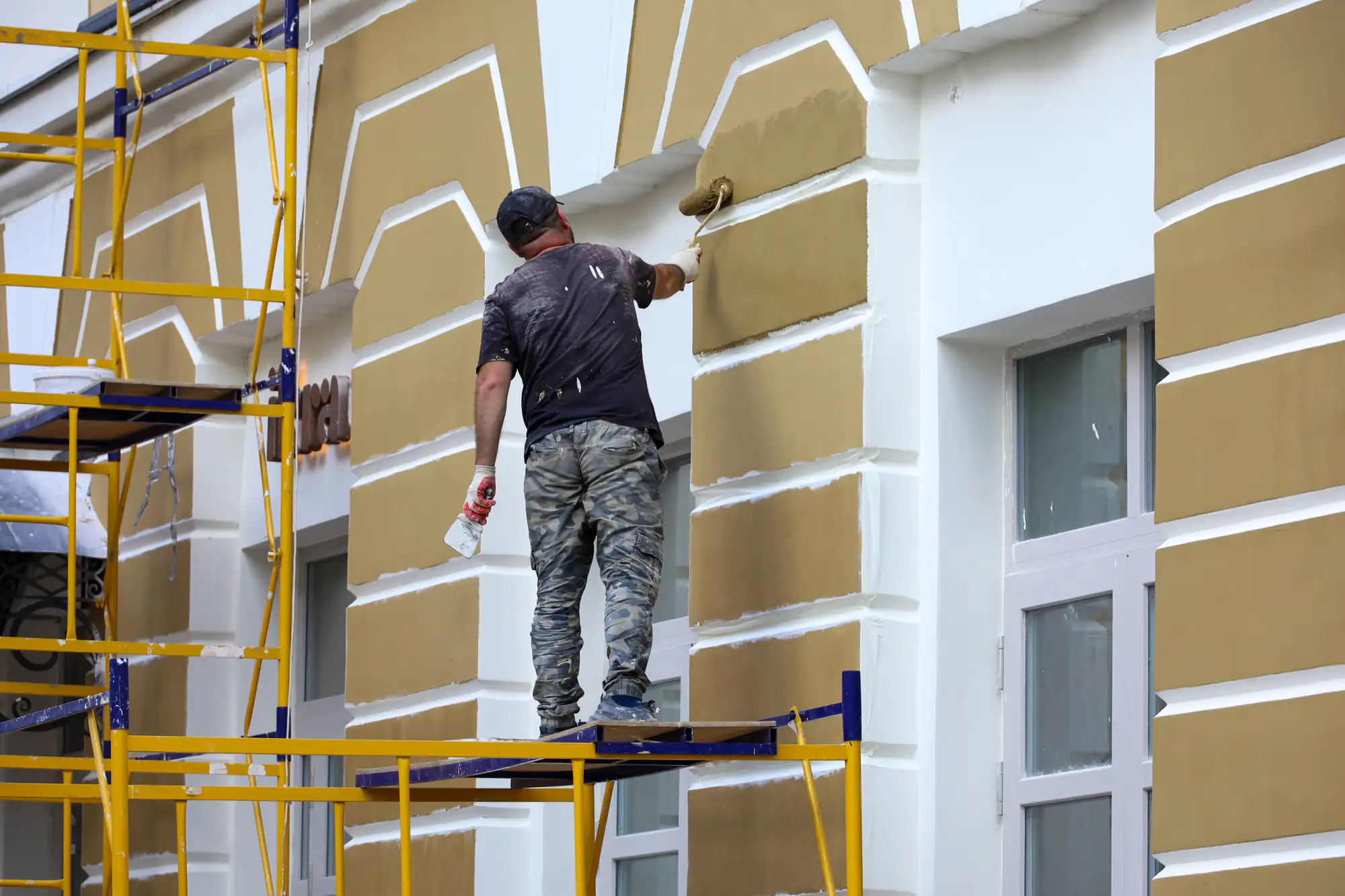
Stucco Repair Contractors Serving Titusville
You stop wondering if that crack is getting worse. You stop worrying about what’s happening behind the wall where you can’t see it.
When stucco repair is done correctly for Florida’s climate, you get a home that’s sealed against the moisture that causes the real damage. Not just cosmetic patching that looks fine for six months and then fails. You get repairs that address what’s underneath—the water intrusion, the structural concerns, the reasons the crack showed up in the first place.
Most stucco problems in Titusville don’t start on the surface. They start with water getting where it shouldn’t, sitting there, and breaking things down from the inside. By the time you see buckling or discoloration, the damage is usually worse than it looks. That’s why fixing stucco the right way means dealing with moisture first, structure second, and appearance last.
Titusville Stucco Repair Experts Since 2004
We’ve been handling stucco repairs across Brevard County since before the construction boom created Florida’s billion-dollar stucco problem. We’ve seen what happens when homes built in the 2000s start showing their age in this climate.
Our team works with engineers when the job calls for it. We don’t guess about structural issues or try to cover up problems that need real solutions. Titusville homeowners deal with the same challenges as the rest of Central Florida—high humidity, heavy rain, and stucco that wasn’t always installed with Florida’s weather in mind.
We’ve built our reputation on clear communication and realistic timelines. You’ll know what the repair costs before we start, what we’re fixing and why, and how long it’s going to take. No surprises.
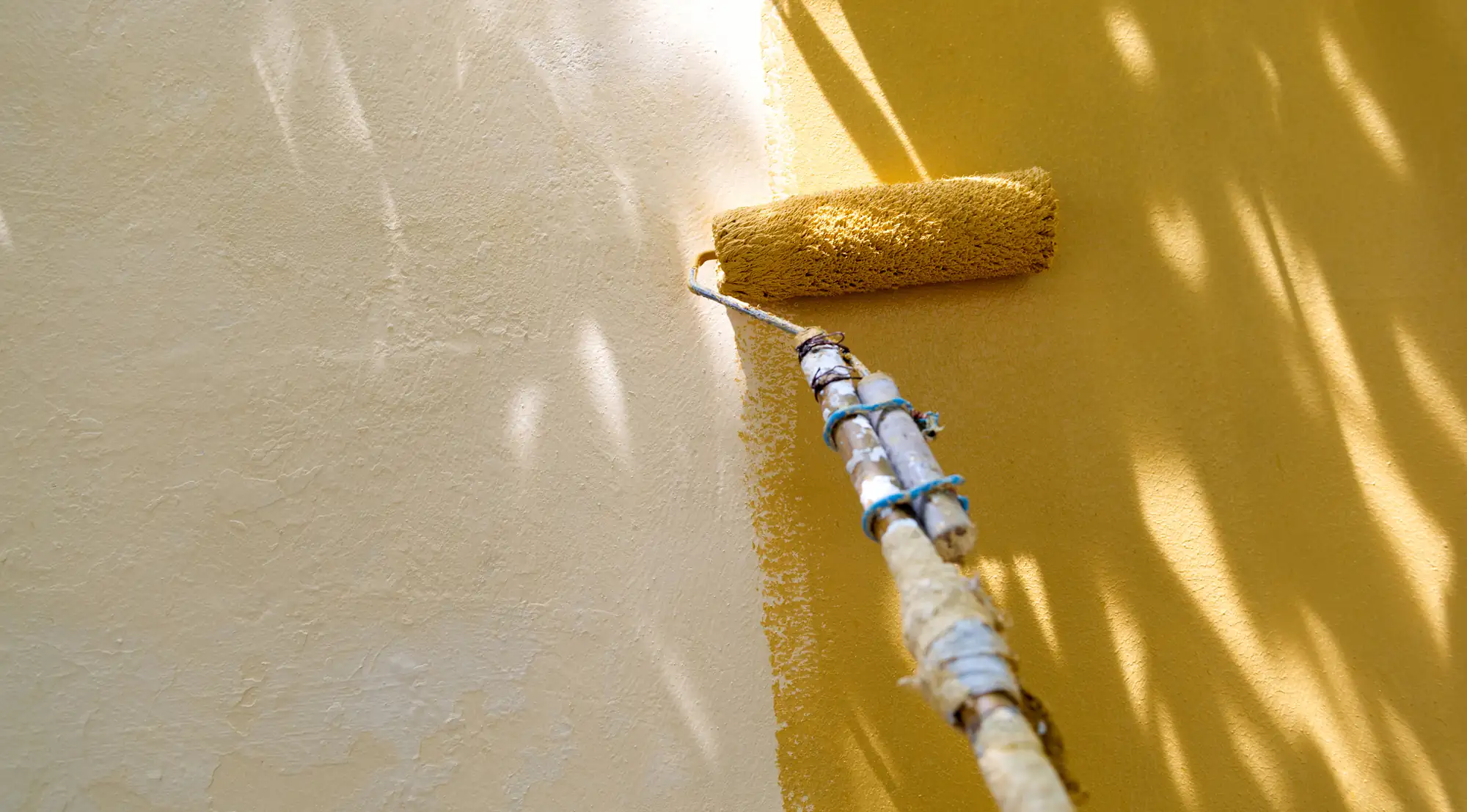
Our Stucco Crack Repair Process
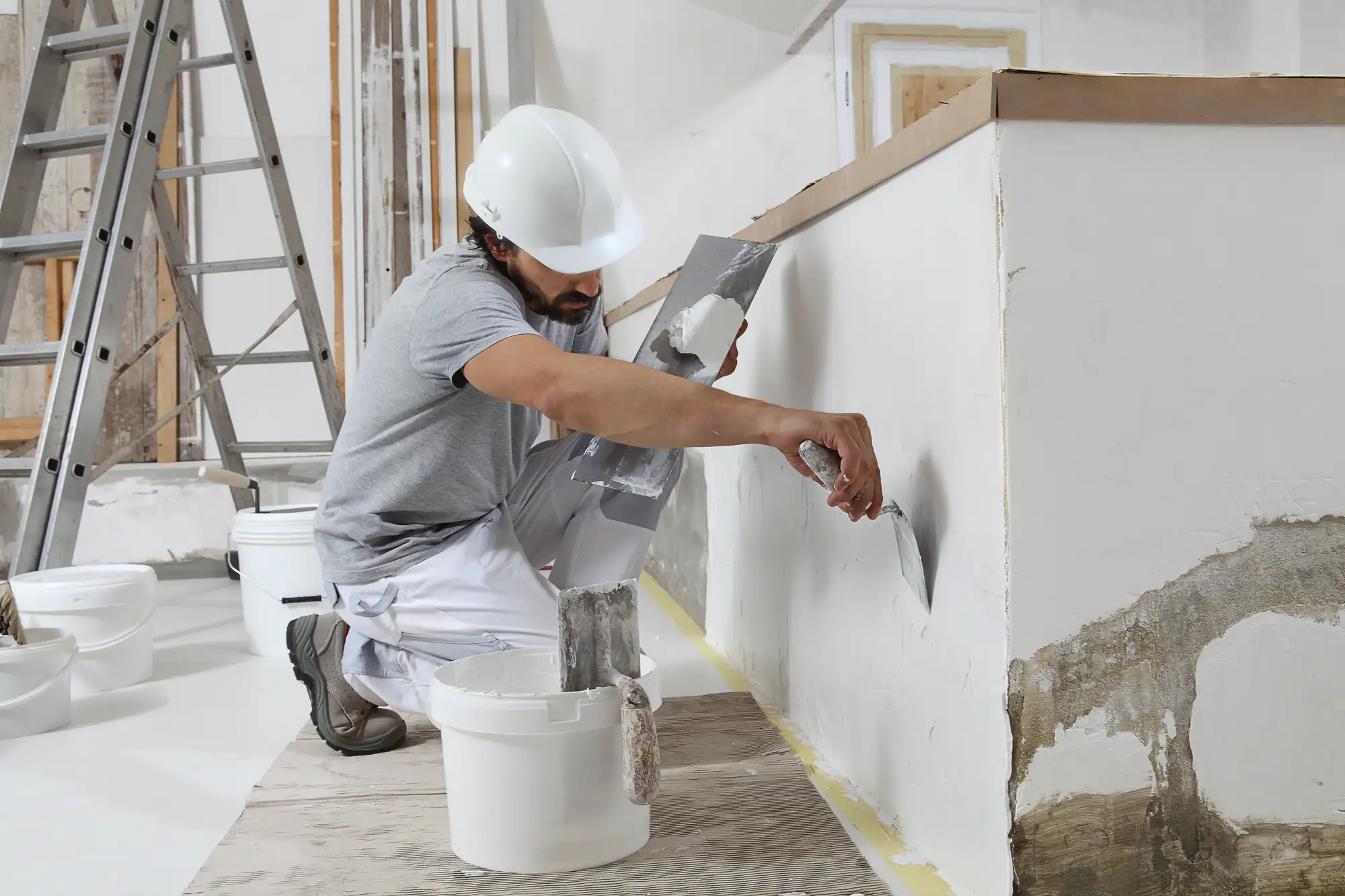
First, we inspect the damaged area to figure out what’s actually wrong. That means checking for water damage behind the stucco, looking at the substrate, and determining whether this is a surface issue or something deeper. Most cracks aren’t just cracks—they’re symptoms.
If there’s moisture damage, we address that first. Sometimes that means removing more stucco than you expected, but it’s the only way to stop the problem from coming back. We dry out the area, repair or replace any damaged substrate, and make sure water has a way out if it gets in again. Then we apply a waterproofing barrier before we rebuild the stucco layers.
The actual stucco repair involves matching your existing texture and color, which takes experience with Florida homes. We use materials rated for this climate—not whatever’s cheapest. The final step is sealing everything properly so you’re protected against Titusville’s weather. We keep the work area clean and minimize disruption while we’re there, but we don’t rush the drying time between layers. That’s where a lot of patching stucco jobs fail.
Ready to get started?
What's Included in Stucco Repair Services
When we repair stucco in Titusville, you’re getting a complete fix that considers Florida’s climate. That includes moisture testing, substrate repair if needed, proper waterproofing, and stucco application that’s built to last in high-humidity conditions.
We handle everything from small crack repairs to extensive water damage restoration. If you’ve got EIFS or Dryvit systems, we work with those too. The scope depends on what’s actually damaged, not what’s visible from the curb. A lot of homeowners are surprised to learn their “small” stucco problem is connected to a bigger moisture issue—but finding that out early saves you from a $100,000 repair bill down the road.
Titusville’s location means your home takes a beating from afternoon storms and coastal humidity. We account for that in material selection and application methods. You’ll also get a clear estimate up front that breaks down what we’re fixing and why. If engineers need to be involved for structural concerns, we coordinate that. Most repairs in this area run between $10 and $65 per square foot depending on damage extent, and we’ll tell you where your project falls before we start.
How much does it cost to fix stucco cracks in Titusville?
Stucco crack repair in Titusville typically costs between $10.40 and $65 per square foot, depending on whether you’re dealing with surface cracks or water damage that’s compromised the substrate. Small cosmetic cracks might run $260 to $500 for a simple patch. Larger repairs involving moisture damage and substrate replacement can reach $1,950 or more for a single area.
The wide range exists because not all cracks are equal. A hairline crack in the finish coat is a $300 fix. A crack that’s letting water behind your stucco for two years is a $3,000 problem because now we’re repairing rotted sheathing and dealing with mold remediation.
Most homeowners in Brevard County end up somewhere in the middle—around $800 to $1,500 for typical repairs that involve removing damaged stucco, addressing minor moisture issues, and rebuilding the wall properly. If you’re seeing multiple cracks or any buckling, expect the higher end of that range because the damage is usually more extensive than it appears.
Will my Florida homeowners insurance cover stucco repair costs?
Probably not, and that’s the frustrating reality most Titusville homeowners face. Florida home insurance policies typically don’t cover damage from slow leaks, gradual moisture intrusion, or installation defects. They cover sudden events—a tree hitting your house, storm damage that happens in a single incident.
Stucco problems caused by years of water getting behind the walls fall under “maintenance” in most policies. Even if the damage is severe, if it happened slowly over time, you’re likely paying out of pocket. Some policies will cover the cost to access and repair a sudden plumbing leak behind stucco, but not the stucco damage itself if it resulted from long-term moisture exposure.
This is why catching stucco issues early matters so much in Florida. A $500 crack repair you pay for now prevents a $15,000 water damage claim that insurance won’t cover anyway. If you’re not sure about your coverage, check your policy for exclusions related to “wear and tear,” “deterioration,” or “seepage.” Those terms usually mean you’re responsible for stucco repairs.
How long does stucco repair take in Florida's climate?
A straightforward stucco crack repair in Titusville takes two to four days when you account for proper drying time between coats. Florida’s humidity means you can’t rush the curing process. Each layer of stucco needs time to set up correctly, and cutting corners here is why so many patch jobs fail within a year.
Small repairs might be done in two days—day one for prep and base coat, day two for finish coat and paint matching. Larger repairs involving water damage can take a week or more because we need to dry out the wall cavity, make substrate repairs, and then build up the stucco layers properly.
Weather affects the timeline too. We can’t apply stucco in the rain, and we need decent conditions for proper curing. Summer afternoon storms in Central Florida mean we often work mornings and let things cure in the afternoon. You’ll get a realistic timeline upfront, and we’ll tell you if weather delays things. Most contractors who promise same-day stucco repairs are either doing surface-only work that won’t last, or they’re not accounting for Florida’s climate requirements.
What causes stucco to crack and fail in Titusville homes?
Water is the main culprit. Titusville’s humidity and rainfall create constant moisture exposure, and when stucco isn’t properly sealed or the waterproofing barrier fails, water gets behind the surface. It sits there, breaks down the substrate, causes expansion and contraction, and eventually you see cracks, bulging, or discoloration.
A lot of homes built during the 2000s construction boom have stucco problems now because installation shortcuts were common. Missing weep screeds, improper flashing around windows, no expansion joints—these details matter in Florida’s climate. When they’re skipped, water has nowhere to go and the stucco system fails prematurely.
Settlement cracks are also common in Florida due to our sandy soil and shifting foundations. These show up as diagonal cracks near corners or above windows. They’re not always a moisture issue initially, but they become one fast if water starts getting through. Temperature changes cause expansion and contraction too, though that’s less severe here than in climates with bigger temperature swings. The real issue is almost always moisture—either from rain, humidity, or irrigation systems spraying directly on stucco walls.
Should I repair stucco cracks myself or hire contractors?
If you’re looking at a hairline crack with no water damage and you’re confident about what’s underneath, DIY patching stucco is possible. You’ll need the right materials, proper surface prep, and realistic expectations about color matching. Most hardware store stucco patch kits work fine for tiny cosmetic repairs on walls you know are dry behind the surface.
But here’s the problem—you usually can’t tell what’s happening behind the stucco without removing some of it. That crack might look small, but if there’s water damage in the wall cavity, a surface patch just hides the real issue while it gets worse. In Florida’s climate, moisture problems escalate fast. What’s a $500 repair today becomes a $5,000 problem in two years if the underlying cause isn’t addressed.
Hiring stucco repair contractors makes sense when you’re dealing with multiple cracks, any signs of water damage (discoloration, soft spots, bulging), cracks wider than 1/8 inch, or damage around windows and doors where flashing is involved. We have moisture meters, know how to check substrate condition, and understand Florida building codes for stucco repairs. The cost difference between DIY and professional repair is usually $200 to $400 for small jobs—worth it for the peace of mind that it’s actually fixed.
How do I know if my stucco damage is just cosmetic or structural?
Cosmetic damage is surface-level—thin cracks in the finish coat, small chips, minor discoloration that wipes off. You can usually tell because the stucco feels solid when you press on it, there’s no soft or spongy areas, and the cracks are hairline thin without any separation or movement.
Structural concerns show up differently. If you can fit a credit card into the crack, that’s beyond cosmetic. If the stucco sounds hollow when you tap it, or if you can push on it and feel give, there’s likely separation from the substrate or water damage behind it. Bulging, buckling, or areas where the stucco has pulled away from the wall are structural red flags. Any discoloration that doesn’t wash off—especially dark streaks or spots—usually indicates moisture problems.
In Titusville, the test is simple: press firmly on the area around any crack or damage. Solid stucco doesn’t move. If it feels spongy, if you hear cracking sounds, or if the area seems soft compared to surrounding wall, you’ve got structural damage that needs professional assessment. Water damage often shows up as efflorescence (white chalky deposits), rust stains from corroded fasteners, or a musty smell near the wall. When in doubt, get it inspected. Structural stucco damage only gets more expensive the longer you wait.
Other Services we provide in Titusville