Waterproofing in New Smyrna Beach, FL
Stop Water Damage Before It Starts
Hear from Our Customers
Waterproofing Services in New Smyrna Beach
You’re not just preventing a wet basement. You’re avoiding the chain reaction that starts with a small leak and ends with structural damage, mold growth, and repair bills that climb into the thousands.
In New Smyrna Beach, where the median home was built in 1988 and the water table sits high year-round, your foundation is under constant hydrostatic pressure. That pressure doesn’t take breaks. It pushes against basement walls and floor slabs every single day, looking for the weak point.
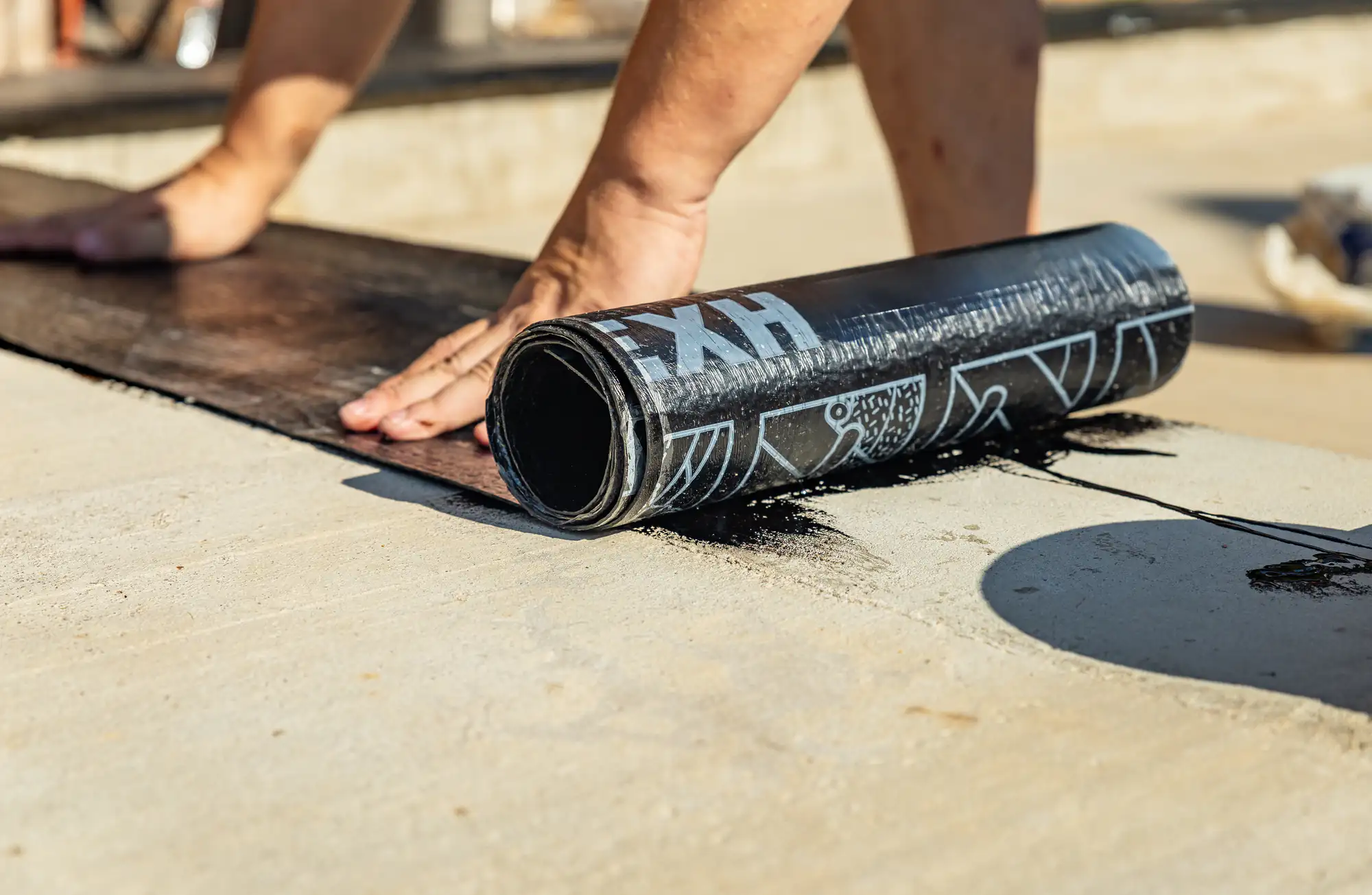
Professional waterproofing creates a barrier that handles what Florida throws at it. Heavy storms that dump inches in hours. Humid summers that keep moisture levels elevated for months. Sandy soil that shifts and settles. The right system accounts for all of it, so you’re not dealing with water stains, musty smells, or worse when the next hurricane season rolls through.
Waterproofing Contractors Near New Smyrna Beach
We’ve spent over 20 years working on Central Florida homes, from Orlando down to the coast. We’ve seen what happens when waterproofing gets skipped or done wrong, and we’ve fixed plenty of those situations.
New Smyrna Beach homes face specific challenges. Your proximity to the ocean means salt air, higher humidity, and soil that stays saturated longer after storms. With 86.3% of housing units owner-occupied and a median household income of $78,373, homeowners here are invested in protecting what they’ve built.
We handle waterproofing the same way we approach stucco work—with attention to prep, quality materials, and realistic timelines. No surprises on pricing. No shortcuts on application. Just clear communication and work that holds up in Florida’s climate.
How Waterproofing Basement Walls Works
First, we assess your specific situation. Not every home needs the same approach, and New Smyrna Beach properties vary—some have crawl spaces, others have partial basements, and foundation types differ based on when your home was built.
We look at existing moisture issues, grading around your foundation, and how water currently moves around your property. This tells us where pressure points are and what type of waterproofing system will actually solve the problem instead of just covering symptoms.
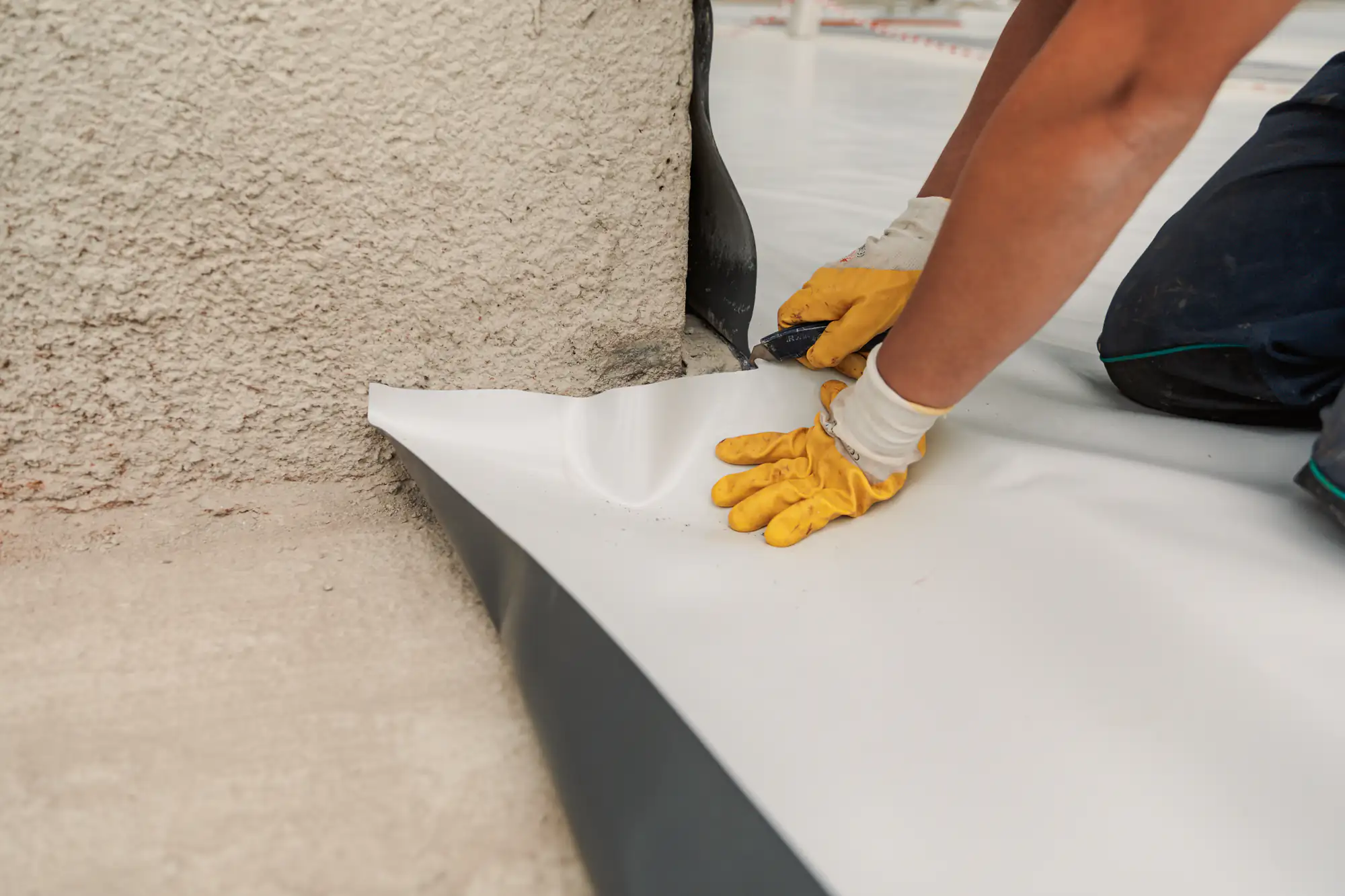
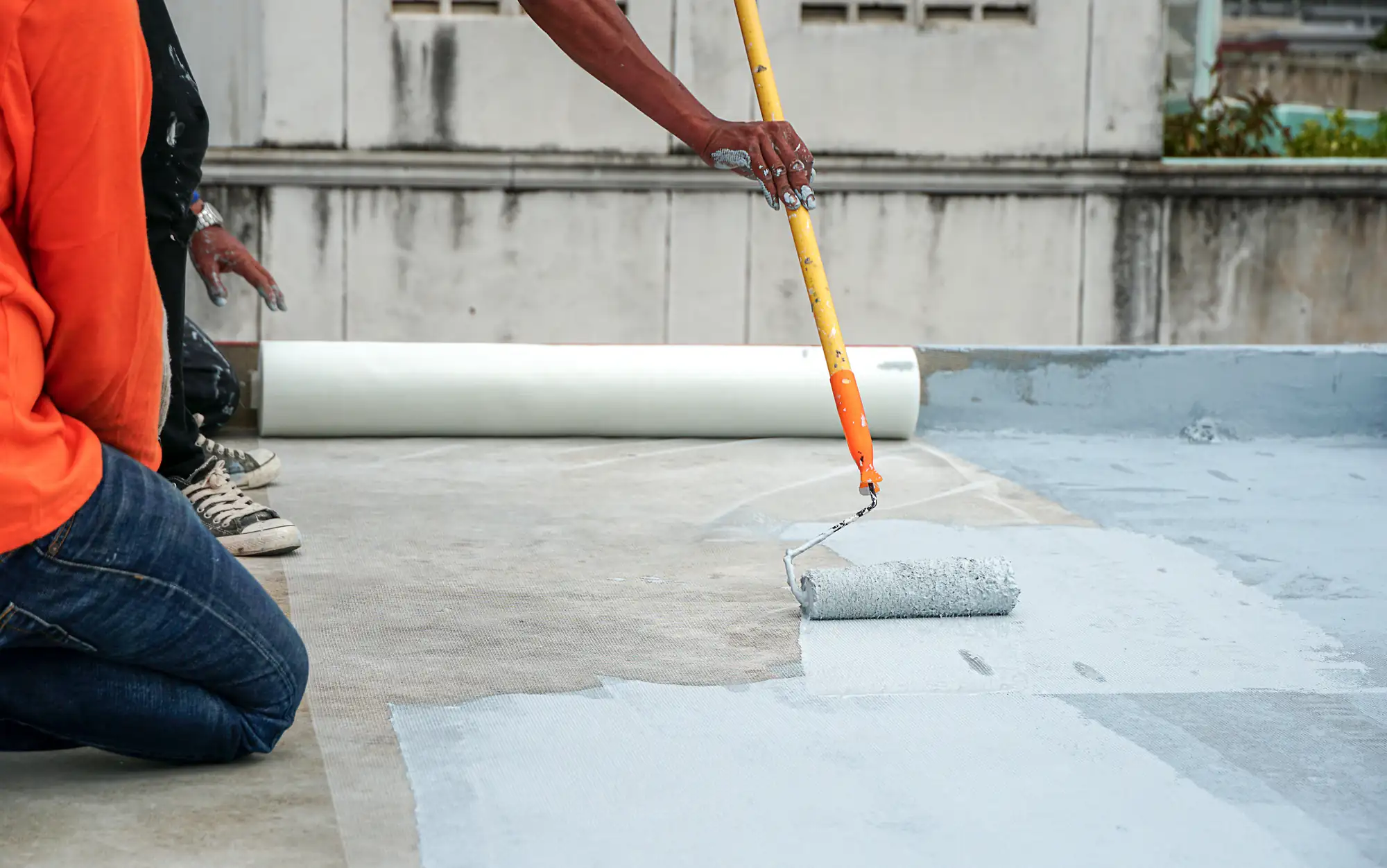
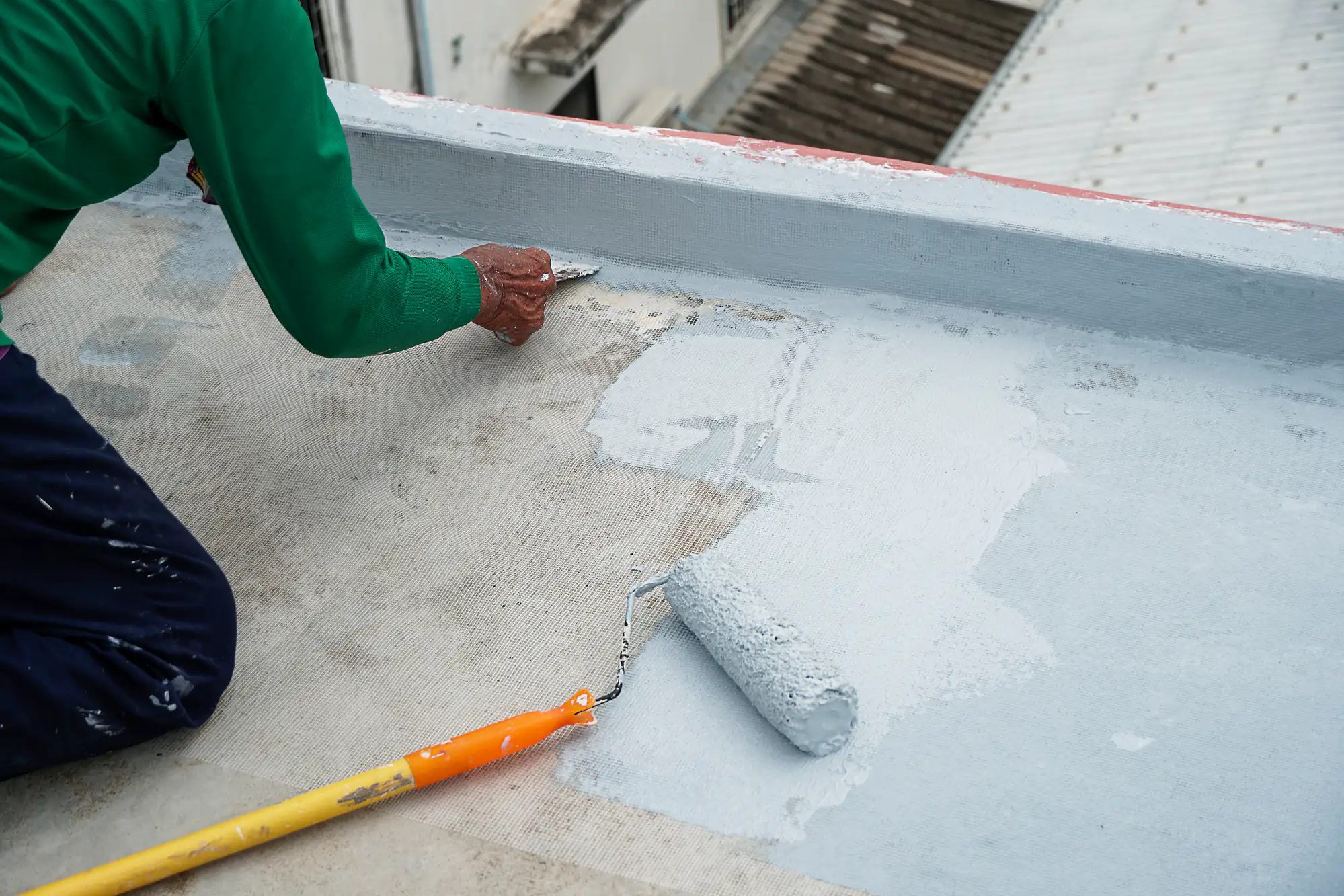
Application depends on what we find. Exterior waterproofing means excavating around the foundation to apply membrane barriers and proper drainage systems. Interior solutions involve sealants, vapor barriers that meet Florida Building Code requirements (0.05 perms or less), and sometimes sump pump installation if groundwater is the main issue.
The goal is a system that works with your home’s construction and New Smyrna Beach’s climate. We’re not trying to sell you the most expensive option. We’re recommending what will keep water out for the long term, based on what we’ve seen work in hundreds of Central Florida homes over two decades.
Ready to get started?
Waterproofing Companies in New Smyrna Beach
Waterproofing services include more than just applying a coating and calling it done. You’re getting an evaluation of your entire foundation’s relationship with water—where it’s coming from, where it’s going, and what’s letting it through.
In New Smyrna Beach, that means accounting for the high water table that creates constant upward pressure, the sandy soil that doesn’t drain consistently, and the storm patterns that can dump several inches in a single afternoon. Your system needs to handle all three, not just one.
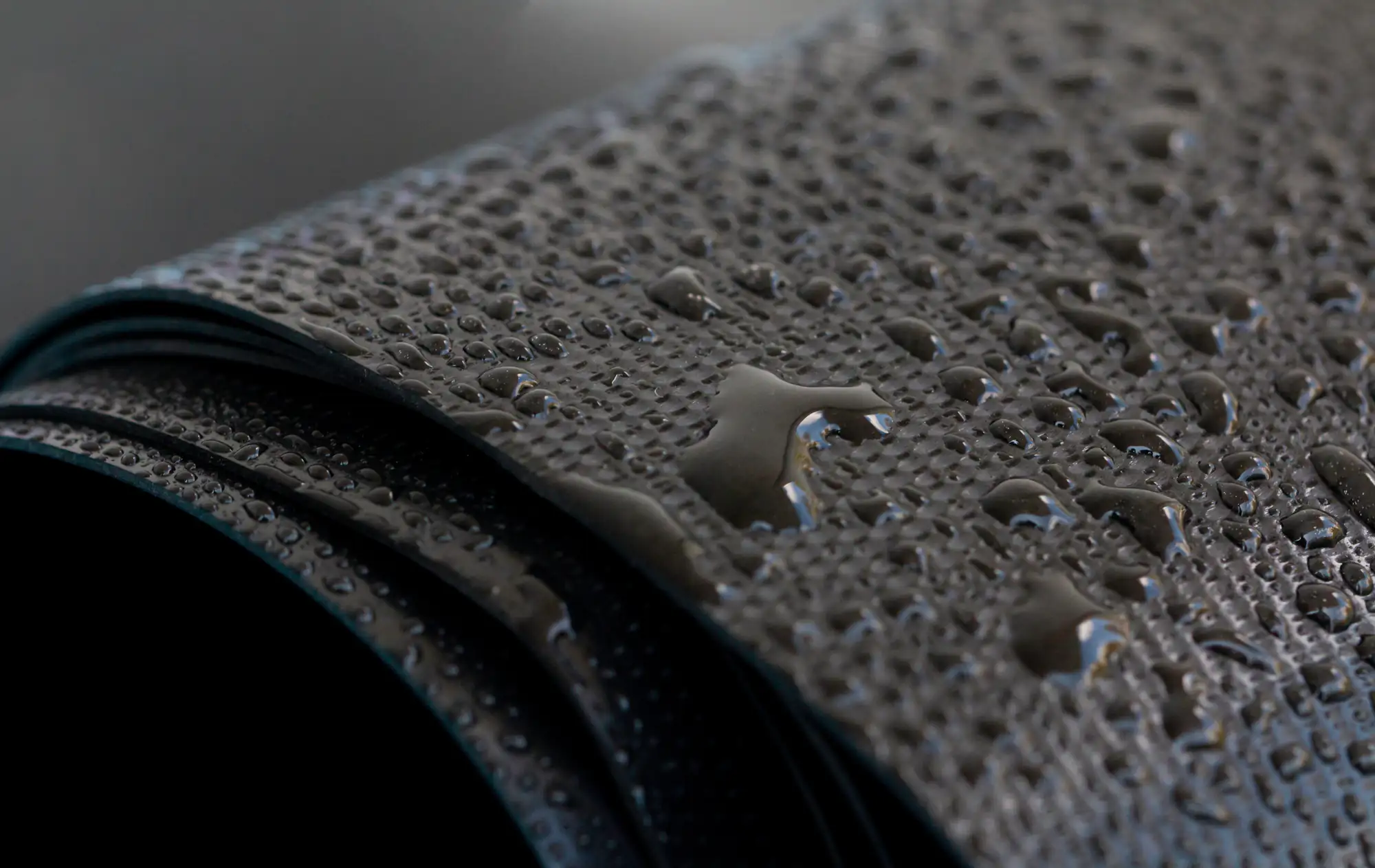
Materials matter. We use products designed for Florida’s heat and humidity, not generic solutions that work in drier climates but fail here. Membranes that stay flexible. Sealants that don’t crack when temperatures swing. Drainage systems that don’t clog with the sandy sediment common in Volusia County soil.
You also get transparent pricing upfront. Basement sealing cost typically runs $3.70 to $7.40 per square foot depending on the method and your home’s specific needs, but we’ll tell you exactly what your project requires before any work starts. No inflated estimates. No surprise charges when we’re halfway through.
How much does waterproofing a basement cost in New Smyrna Beach?
Basement sealing cost in New Smyrna Beach typically ranges from $3.70 to $7.40 per square foot, but your actual cost depends on several factors specific to your home and the extent of moisture issues you’re dealing with.
Exterior waterproofing costs more upfront because it involves excavation, but it addresses the problem at the source by keeping water from ever reaching your foundation walls. Interior waterproofing costs less initially but works by managing water that’s already penetrated, which means it’s more of a control system than a prevention system.
Your home’s age matters too. If you’re in one of the 17.1% of New Smyrna Beach homes built between 2000 and 2009, your foundation might already have some waterproofing that just needs repair or enhancement. Older homes often need more comprehensive work because building codes and waterproofing standards have evolved significantly since the 1980s and 1990s when most of the area’s housing stock was constructed.
Do homes in New Smyrna Beach really need waterproofing?
Yes, and here’s why that’s not just a sales pitch. New Smyrna Beach sits in a coastal area with a high water table, sandy soil, and an average of 50+ inches of rain annually. Your foundation is constantly exposed to moisture from below (groundwater) and from above (storms and humidity).
Approximately 98% of basements experience some form of water damage during their lifetime, and restoration costs average between $1,322 and $5,954. In Florida, where the humid climate accelerates mold growth and the storm season brings repeated heavy rains, those odds get worse without proper protection.
The water table in Volusia County stays elevated year-round, creating hydrostatic pressure that never stops pushing against foundation walls and floor slabs. Even if you haven’t seen obvious water intrusion yet, that pressure is working on your foundation continuously. Small cracks turn into bigger ones. Minor seepage becomes standing water. And once mold establishes itself in Florida’s warm, humid environment, it spreads quickly and creates health risks that go beyond just property damage.
What's the difference between interior and exterior waterproofing?
Exterior waterproofing stops water before it reaches your foundation walls. It involves excavating around your home’s perimeter, applying waterproof membranes directly to the foundation, and installing drainage systems that redirect groundwater away from the structure. This is the more comprehensive approach because it addresses the source.
Interior waterproofing manages water that’s already made it through your foundation. This includes sealants applied to basement walls, vapor barriers that meet Florida Building Code requirements, and sometimes drainage systems or sump pumps that collect and remove water that seeps in. It’s less invasive and costs less, but it’s managing the problem rather than preventing it.
For New Smyrna Beach homes, exterior waterproofing makes more sense if you’re dealing with consistent groundwater issues or if your home was built before modern waterproofing standards were common. Interior solutions work better for homes with occasional moisture problems or where excavation isn’t practical due to landscaping, proximity to other structures, or soil conditions. Sometimes the best approach uses both—exterior waterproofing as the primary defense and interior systems as backup for extreme weather events.
How long does waterproofing last in Florida's climate?
Quality waterproofing should last 10 to 15 years minimum in Florida, but that timeline depends heavily on the materials used, the installation quality, and how well the system was designed for your specific property’s drainage patterns.
Florida’s climate is harder on waterproofing than most other regions. The combination of heat, humidity, salt air near the coast, and frequent heavy rains puts constant stress on sealants and membranes. Products that work fine in drier climates can fail within a few years here because they weren’t formulated to handle prolonged moisture exposure and temperature fluctuations.
That’s why material selection matters. Modern polymer-modified membranes and crystalline waterproofing systems hold up better in Florida than older tar-based products. They stay flexible instead of cracking, they don’t degrade as quickly in heat, and they maintain their seal even when your foundation experiences minor settling or movement—which is common in New Smyrna Beach’s sandy soil.
Regular maintenance extends the lifespan. That means keeping gutters clean so they’re not overflowing during storms, maintaining proper grading around your foundation, and addressing any cracks or damage promptly instead of letting them worsen. A waterproofing system isn’t set-it-and-forget-it, but it shouldn’t require constant attention either if it’s done right from the start.
What are signs my home needs waterproofing?
Water stains on basement walls or floors are the obvious sign, but you’ll often notice other indicators before you see standing water. Musty smells mean moisture is present even if you can’t see it. That odor comes from mildew and early-stage mold growth, which starts within 24 to 48 hours of water exposure in Florida’s climate.
Efflorescence—those white, chalky deposits on concrete or brick—indicates water is moving through your foundation and bringing minerals to the surface as it evaporates. Cracks in foundation walls, especially horizontal cracks or cracks wider than a quarter-inch, suggest structural stress often caused by hydrostatic pressure from groundwater.
Peeling paint or deteriorating wood near the foundation points to ongoing moisture problems. High humidity levels in your basement or crawl space, even when it hasn’t rained recently, mean water vapor is coming through your foundation. And if you’re seeing increased pest activity—especially termites or carpenter ants—moisture is likely attracting them because it softens wood and creates the damp environment they prefer.
In New Smyrna Beach, where 32.2% of residents are 65 or older and many homes date back to the 1980s and 1990s, these signs become more common as foundations age and original waterproofing (if any was installed) reaches the end of its effective lifespan. Catching problems early costs less than waiting until you’re dealing with structural damage or mold remediation.
Do Florida Building Codes require waterproofing?
Florida Building Code includes specific requirements for moisture control and vapor barriers, particularly for below-grade spaces. The code mandates vapor retarders with a perm rating of no more than 0.05 perms for certain applications, which is a technical way of saying the material has to effectively block moisture vapor from moving through foundation walls and floors.
These requirements exist because Florida’s climate creates conditions where moisture problems are almost guaranteed without proper protection. The combination of high humidity, frequent rain, and elevated water tables means foundations face moisture exposure from multiple directions simultaneously.
However, code requirements are minimum standards, not necessarily optimal protection for your specific property. A home in New Smyrna Beach with poor drainage, low-lying elevation, or soil that stays saturated might need more comprehensive waterproofing than what code technically requires to avoid long-term problems.
Building codes also evolve. If your home was built in the 1980s or 1990s, it was constructed under different standards than what’s required today. That doesn’t mean your home is unsafe, but it might mean the waterproofing approach used then isn’t as effective as current methods and materials. Upgrading to modern waterproofing systems brings your home in line with current best practices even if it wasn’t required when the house was originally built.
Other Services we provide in New Smyrna Beach