Waterproofing in Sanford, FL
Stop Water Before It Costs You Thousands
Hear from Our Customers
Waterproofing Services That Actually Last
You stop wondering if the next storm is going to flood your foundation. You stop dealing with that musty smell that never quite goes away. You stop watching small cracks turn into expensive structural problems.
Waterproofing isn’t about slapping on a coat of sealant and hoping for the best. It’s about creating a barrier system that handles what Central Florida throws at it—the 50+ inches of annual rainfall, the humidity that sits at 75% most of the year, and the surprise afternoon storms that dump water faster than your property can drain it.
When waterproofing is done right, you’re not calling someone back in two years because it failed. Your basement stays dry. Your foundation stays stable. Your stucco exterior isn’t absorbing moisture and cracking apart. And you’re not dealing with mold growth that puts your family’s health at risk or costs you thousands in remediation.
Waterproofing Contractors Sanford Homeowners Trust
We’ve spent over two decades working on homes across Sanford, Orlando, and Central Florida. We’ve seen what happens when waterproofing fails—and more importantly, we know how to prevent it from happening in the first place.
Our owner came up through foundation repair, working directly with engineers on structural projects. That background matters because waterproofing isn’t just a surface issue. It’s about understanding how water moves, where it’s getting in, and what it’s doing to your home’s structure once it does.
We’re not the cheapest option in Sanford, and we won’t pretend to be. But we show up when we say we will, we give you realistic timelines, and we don’t leave your property looking like a construction zone. You get clear estimates, professional prep work, and waterproofing that’s built for Florida’s climate—not some generic approach that works in Arizona but fails here.
How Professional Waterproofing Actually Works
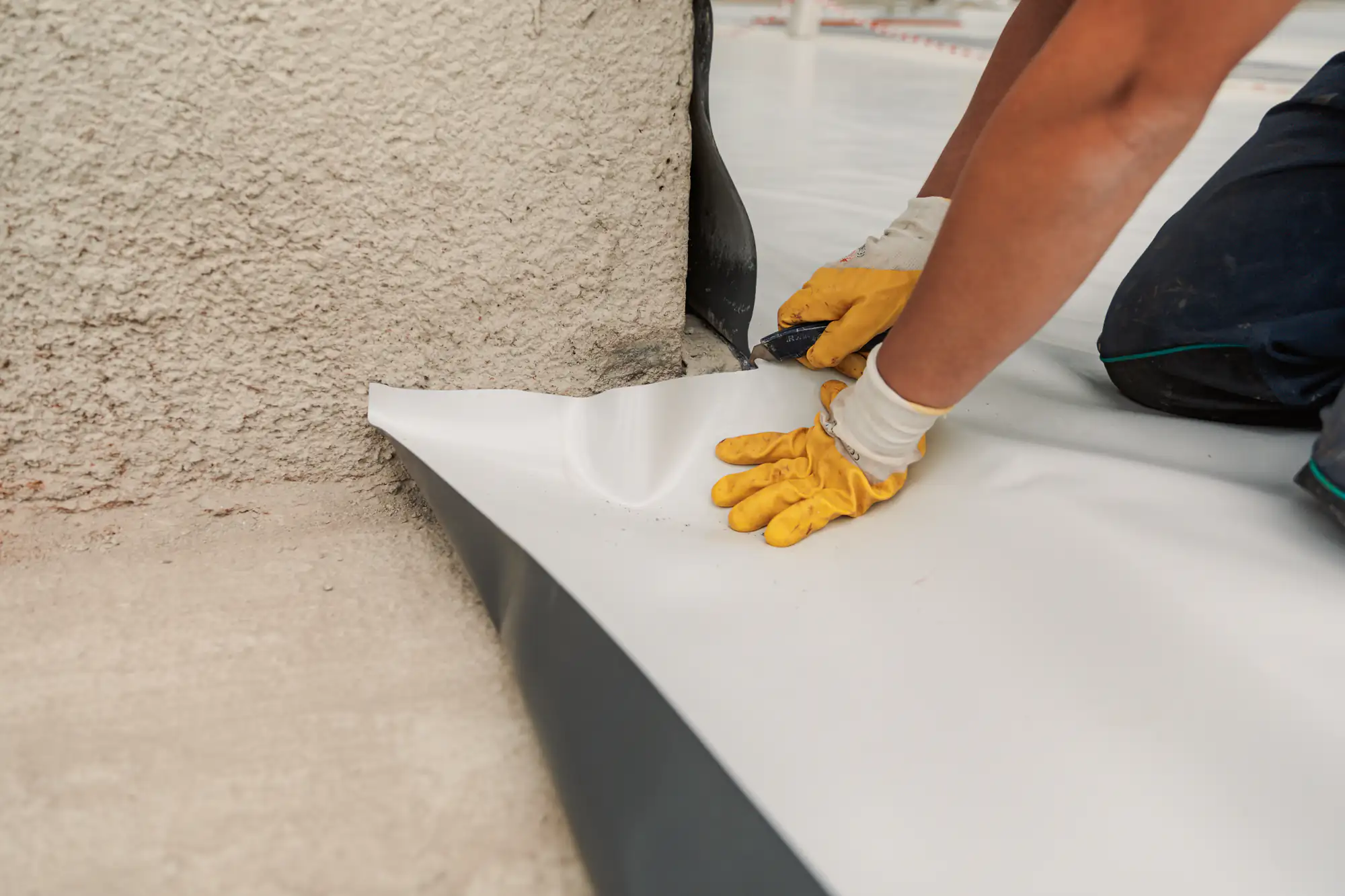
First, we assess where water is getting in. That means inspecting your foundation, checking your stucco for cracks or damage, looking at drainage patterns around your property, and identifying any existing moisture problems. You can’t fix what you don’t understand.
Next, we address the source. If your foundation has cracks, we repair them properly—not just cover them up. If your stucco is compromised, we fix the underlying issue before sealing. If drainage is pushing water toward your home instead of away from it, we correct that. Waterproofing only works if you’re not fighting against structural problems or poor grading.
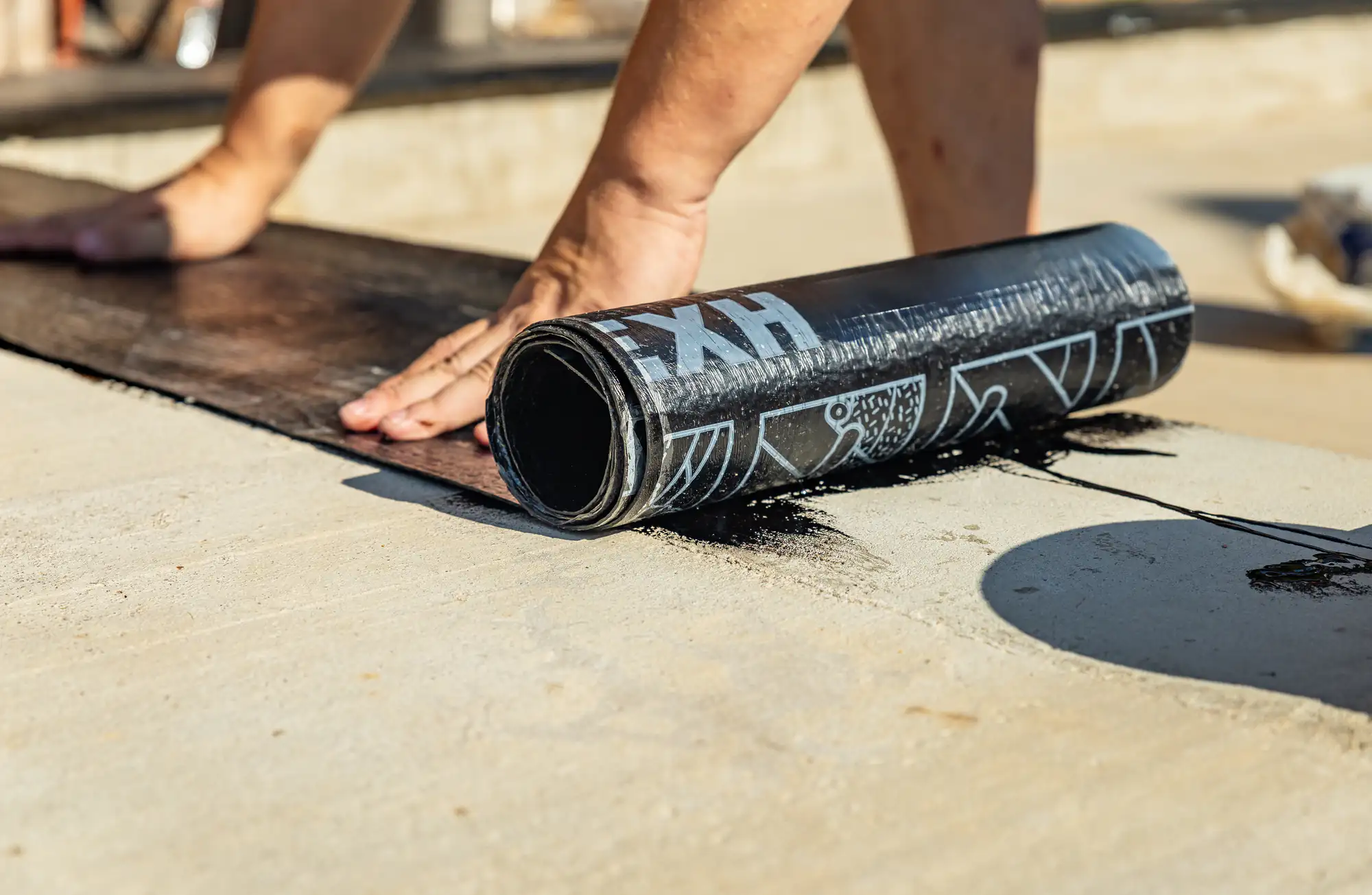
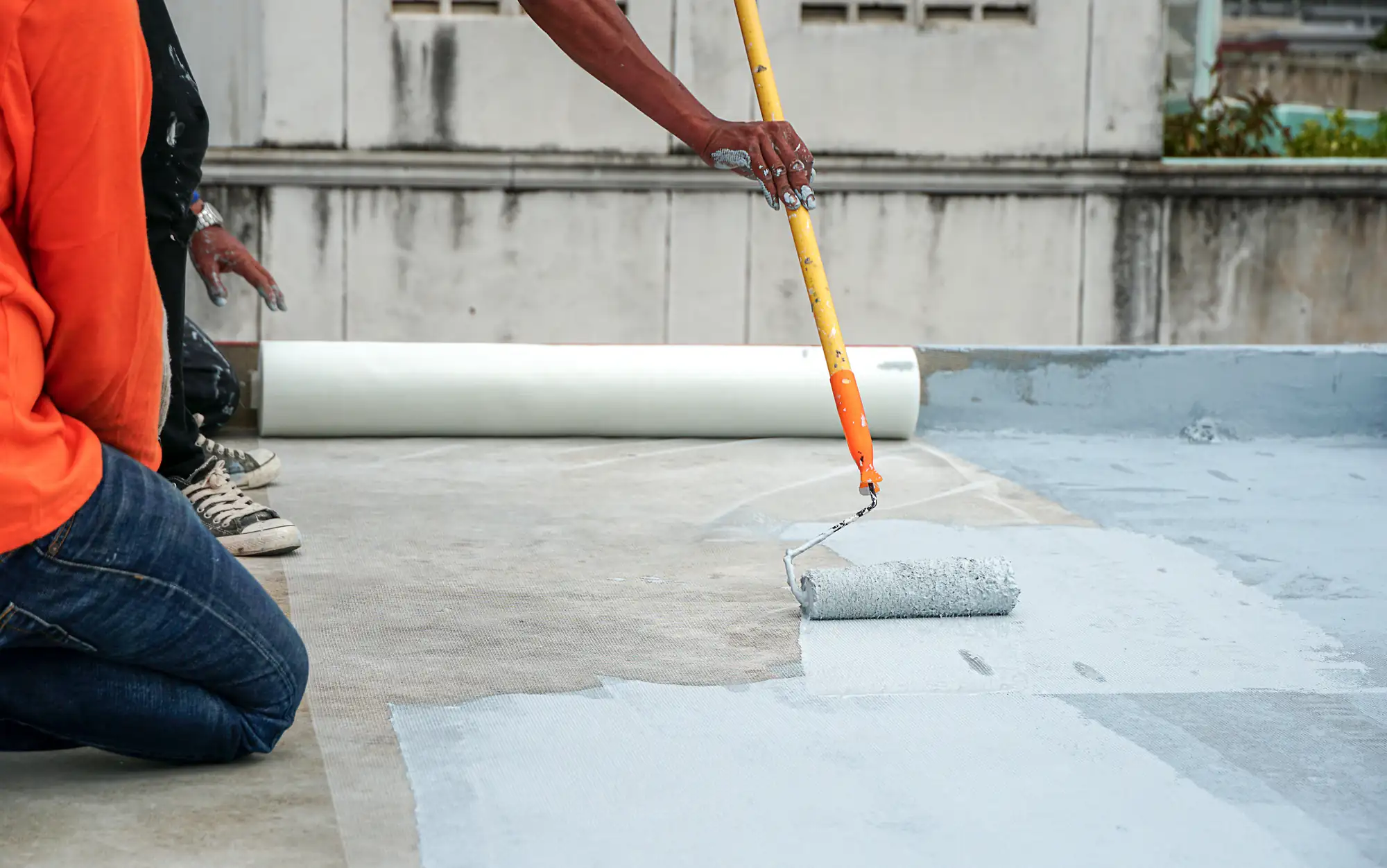
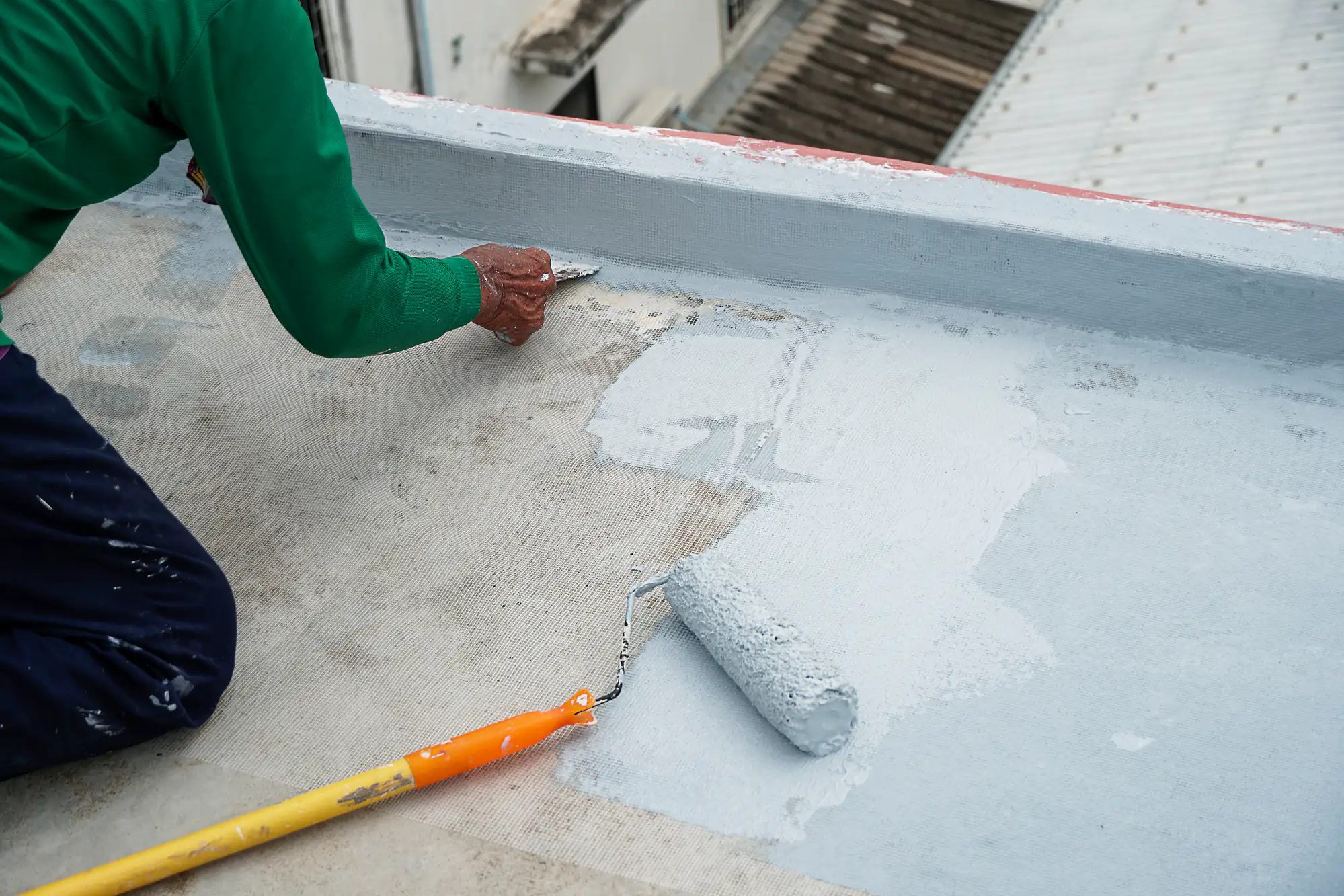
Then we apply the waterproofing system. This isn’t a single product—it’s a combination of sealants, membranes, and protective coatings designed specifically for Florida’s conditions. We’re talking about materials that can handle UV exposure, high humidity, salt air if you’re near the coast, and the thermal expansion that happens when temperatures swing.
Finally, we test and verify. We don’t just finish the job and leave. We make sure water is draining correctly, check that sealed areas are actually waterproof, and walk you through what we did and why. You should understand what you’re paying for.
Ready to get started?
What's Included in Waterproofing Services
Waterproofing in Sanford means dealing with specific challenges. The soil here doesn’t drain like it does in other parts of the country. The water table is high. The storms are intense and frequent. And the building codes—specifically the 8th Edition Florida Building Code that went into effect in 2023—have strict requirements for moisture control and waterproofing systems.
When we waterproof your home, you’re getting foundation sealing that prevents water intrusion at the source. You’re getting exterior waterproofing for stucco and masonry that stops moisture from penetrating your walls. If you have a basement (less common in Florida, but they exist), you’re getting basement waterproofing that includes both interior and exterior solutions depending on what your property needs.
You’re also getting someone who understands the cost side of this. Basement waterproofing typically runs between $4,000 and $6,000 in Florida, but that number moves based on the size of the area, the severity of existing damage, and what kind of system you need. Foundation repairs can average around $5,000 but can climb to $25,000 or more if structural underpinning is required. We give you honest numbers upfront—not estimates that double once we start working.
And here’s what most waterproofing companies won’t tell you: your homeowners insurance probably doesn’t cover this. Standard policies exclude water damage from groundwater, seepage, and drainage issues. That’s why getting it done right the first time matters. You’re paying out of pocket either way—might as well pay for something that actually works.
How much does waterproofing cost for a typical home in Sanford?
Most homeowners in Sanford spend between $4,000 and $6,000 for basement waterproofing, but the real answer depends on what you’re waterproofing and what condition it’s in. A straightforward exterior foundation seal costs less than a full basement system with interior drainage, sump pump installation, and wall membrane application.
If you’re dealing with existing water damage, add repair costs on top of waterproofing. That might mean fixing cracks, replacing rotted wood, removing mold, or replacing insulation—all of which can add hundreds or thousands to the bill. Foundation issues alone average around $5,000 but can reach $8,000 or more depending on severity.
We don’t give ballpark estimates over the phone because they’re usually wrong. We come out, assess what you’re actually dealing with, and give you a number that reflects the real scope of work. No surprises, no “oh, we found this other issue” upsells once we’re halfway through the job.
Why does waterproofing fail so often in Florida?
Because most waterproofing companies treat Florida homes like they’re in Colorado. They use the same products, the same methods, and the same approach—then wonder why everything fails within a few years.
Florida’s climate is brutal on waterproofing systems. You’ve got near-constant humidity that never gives materials a chance to fully dry. You’ve got intense UV exposure that breaks down sealants faster than in northern states. You’ve got thermal expansion from temperature swings that crack rigid coatings. And you’ve got soil conditions and drainage patterns that push water toward foundations instead of away from them.
The other reason waterproofing fails is because contractors skip the prep work. They seal over existing cracks without repairing them. They apply waterproofing membranes to dirty or damaged surfaces. They ignore drainage problems and just try to out-seal the water. It doesn’t work. If you’re not addressing the underlying issues—foundation damage, poor grading, compromised stucco—you’re just delaying the inevitable failure.
Do I really need to waterproof if I don't have a basement?
Yes, because water damage doesn’t only happen in basements. In Sanford and Central Florida, most homes don’t have basements—but they still have foundations, crawl spaces, and exterior walls that are constantly exposed to moisture.
Your stucco exterior is porous. When it rains (which it does, heavily, for months at a time), water gets into those tiny cracks and pores. Florida’s humidity means it never fully dries out. Over time, that trapped moisture leads to mold growth, structural damage, and deterioration that compromises your home’s integrity. Waterproofing your stucco and foundation prevents that cycle.
Crawl spaces are another major issue. If yours isn’t properly sealed and waterproofed, you’re looking at standing water, wood rot, pest problems, and mold that spreads into your living areas. Even slab foundations need waterproofing—cracks develop over time, and once water gets underneath, you’re dealing with shifting, settling, and expensive repairs. Waterproofing isn’t just for basements. It’s for any part of your home where water can get in and cause damage.
How long does waterproofing actually last in Florida's climate?
A properly installed waterproofing system should last 10 to 15 years in Florida—but that assumes it was done right in the first place and you’re not dealing with major drainage or structural issues that undermine it.
Cheap sealants and single-layer applications fail much faster, sometimes within 2 to 5 years. That’s because they’re not designed to handle Florida’s combination of UV exposure, humidity, temperature swings, and heavy rainfall. You need multi-layer systems with UV-resistant topcoats, flexible membranes that move with your foundation, and proper drainage solutions that keep water away from sealed areas.
Maintenance matters too. Even the best waterproofing won’t last if you ignore gutter maintenance, let vegetation grow against your foundation, or allow grading to shift so water pools near your home. We’re not talking about intensive upkeep—just basic awareness of how water moves around your property and making sure it’s still draining correctly. If you do that, and the waterproofing was installed correctly, you’re looking at a decade or more of protection.
What's the difference between waterproofing and water-resistant coatings?
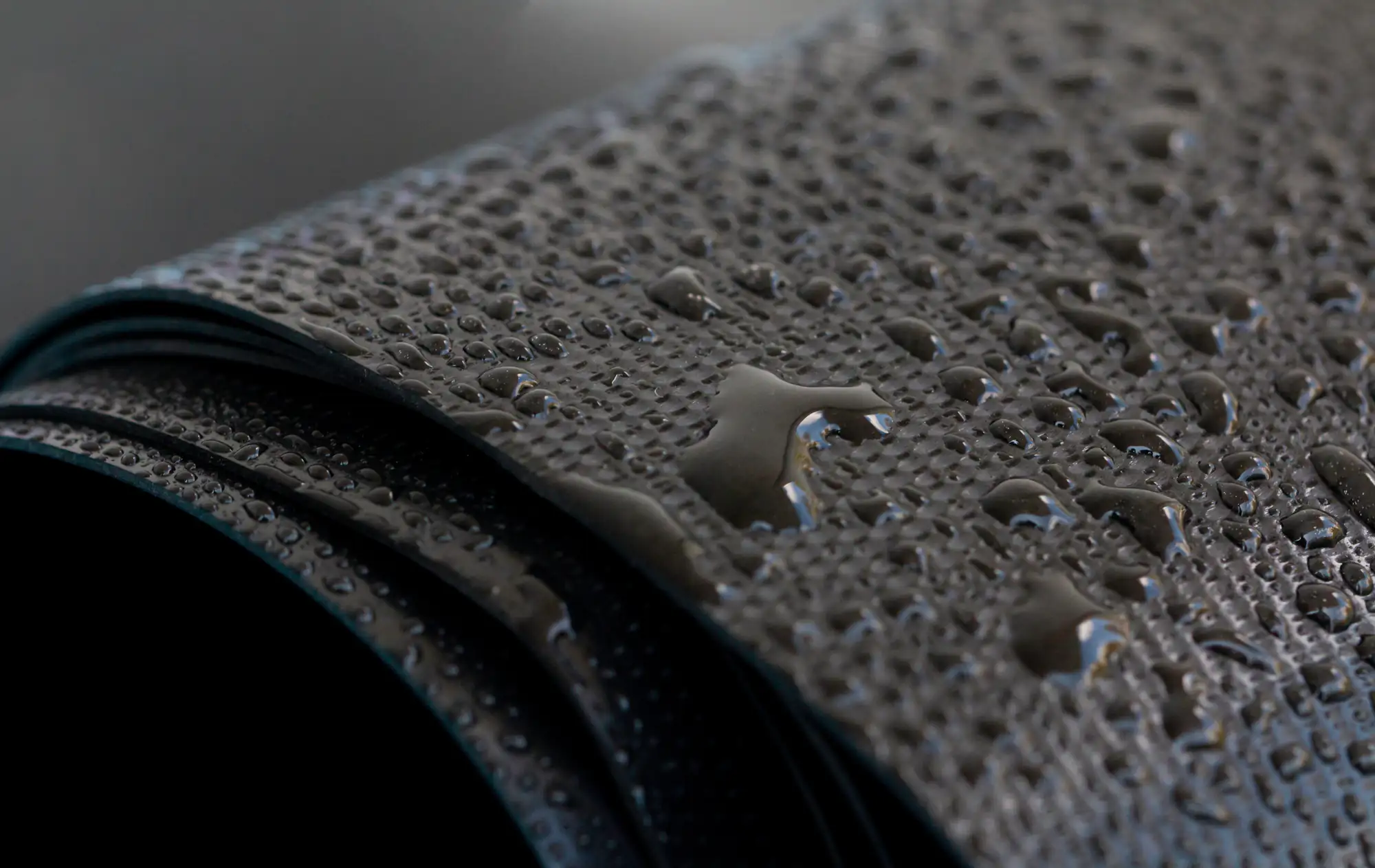
Water-resistant coatings slow down moisture penetration. Waterproofing stops it completely. That’s the difference, and it matters a lot in Florida.
Water-resistant products—like some exterior paints or basic sealants—create a barrier that resists water for a while. But they’re not impermeable. Under sustained exposure (like Florida’s rainy season or high humidity), water eventually gets through. They’re fine for areas with occasional moisture exposure, but they’re not a solution for foundations, basements, or exterior walls that face constant weather.
Waterproofing systems use membranes, sealants, and coatings that create an impermeable barrier. Water can’t penetrate them, even under pressure or prolonged exposure. These systems are designed for below-grade applications, high-moisture environments, and areas where failure means serious structural damage. They cost more upfront, but they actually protect your home instead of just delaying the problem. If you’re dealing with Florida’s climate and you want real protection, water-resistant isn’t enough. You need actual waterproofing.
Will waterproofing help with the mold smell in my home?
Waterproofing stops the moisture that causes mold, but it won’t eliminate mold that’s already there. You need to address both issues separately.
If you’re smelling mold, you already have a moisture problem. That means water is getting in somewhere—through your foundation, through cracks in your stucco, through an unsealed crawl space, or from poor drainage around your property. Waterproofing fixes the entry points so new moisture can’t get in, which prevents future mold growth.
But existing mold needs to be removed first. Depending on the extent of the growth, that might mean professional mold remediation, replacing affected insulation or drywall, and treating surfaces with antimicrobial solutions. Once the mold is gone and the waterproofing is in place, the smell goes away and doesn’t come back. Trying to waterproof over existing mold doesn’t work—you’re just sealing the problem inside. You have to eliminate the mold, then prevent it from returning with proper waterproofing and moisture control.
Other Services we provide in Sanford