Stucco Installation in Daytona Beach, FL
Stucco That Actually Protects Your Daytona Beach Home
Hear from Our Customers
Stucco Contractor Daytona Beach Trusts
When stucco installation is done right, you stop worrying about water intrusion during hurricane season. The cracks don’t appear after two years. Your exterior doesn’t buckle when the humidity spikes in July.
Most stucco problems in Daytona Beach trace back to installation shortcuts. Stucco applied too thin. Wrong accessories used. Material not given proper cure time in Florida’s heat. By the time you notice the damage, you’re looking at five-figure repairs.
Proper installation means your stucco bonds directly to your home’s exterior and stays there. It handles the salt air coming off the Atlantic. It sheds water instead of absorbing it. And it gives you decades of protection instead of years of problems.
Experienced Stucco Company Near Me
We’ve worked in Central Florida since 1998. We’ve seen what the climate does to stucco over time, and we know what holds up and what fails.
Daytona Beach homes face specific challenges. The salt air accelerates deterioration. The humidity creates constant moisture exposure. The storms test every weak point in your exterior. We account for all of it before we start your job.
Our crews understand Florida building standards and the installation methods that actually work here. You get clear estimates, realistic timelines, and a job site that stays clean. No surprises, no excuses.
How Stucco Installation Works
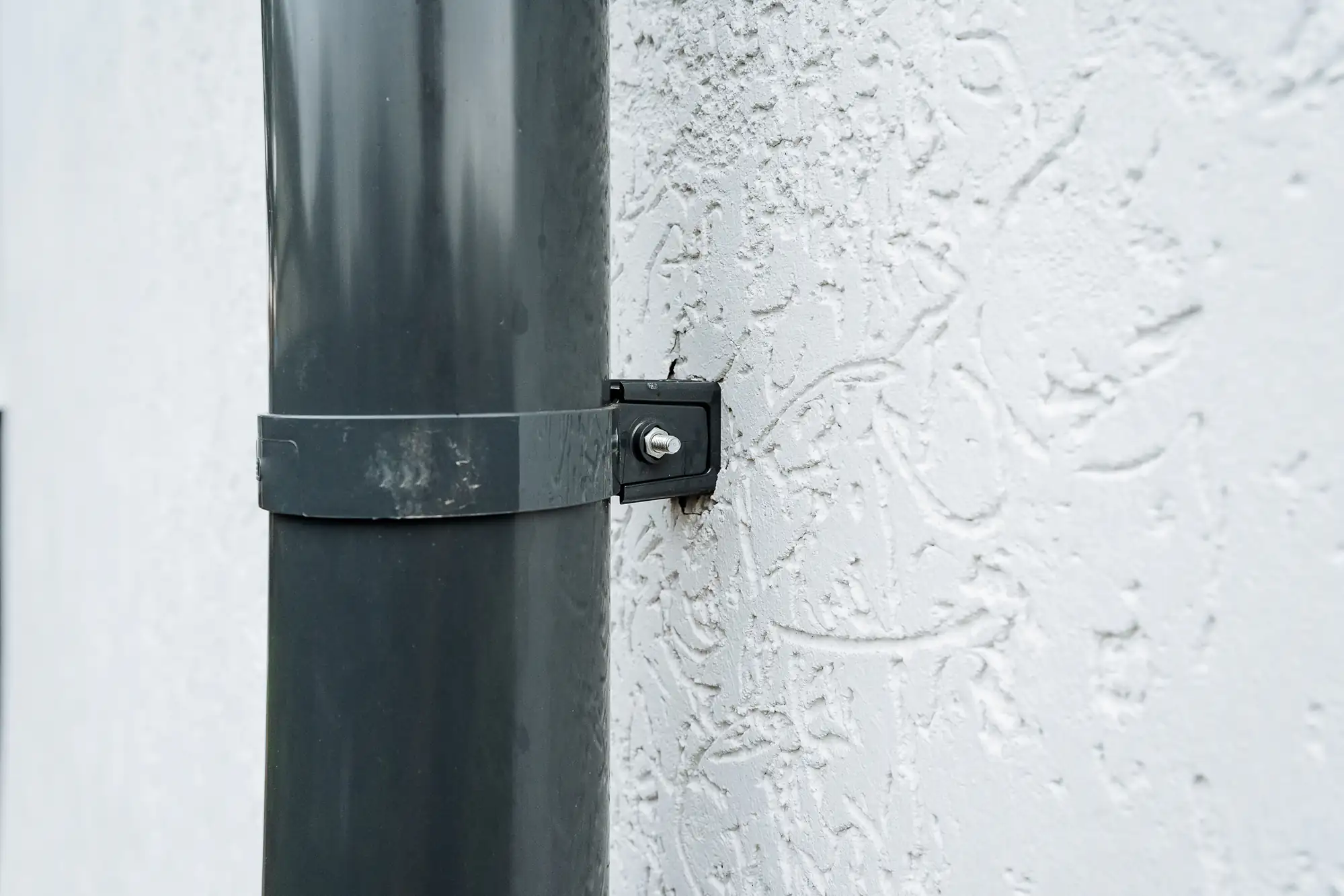
First, we assess your home’s exterior and substrate condition. Not every surface is ready for stucco, and trying to install over compromised material causes problems later.
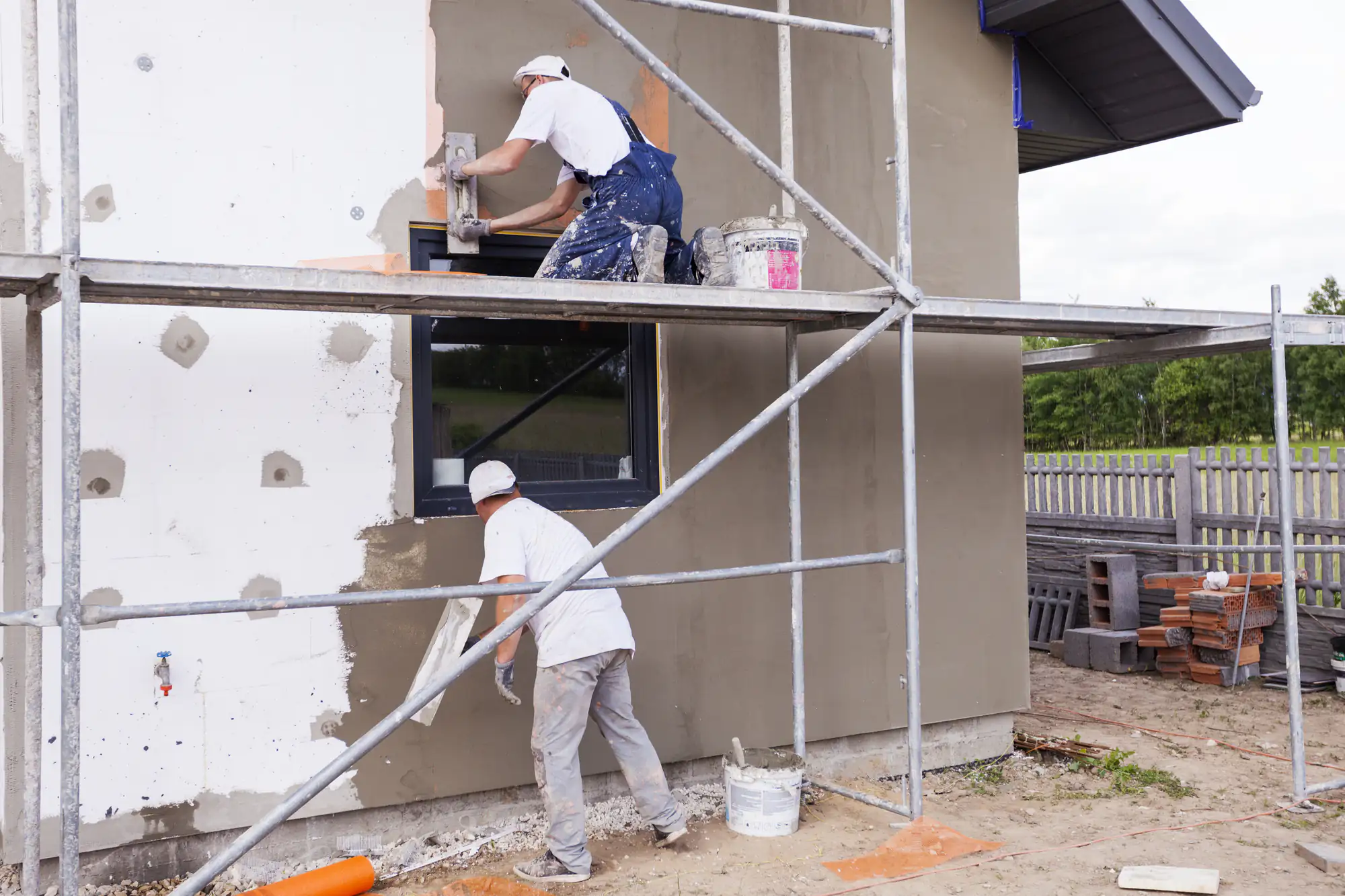
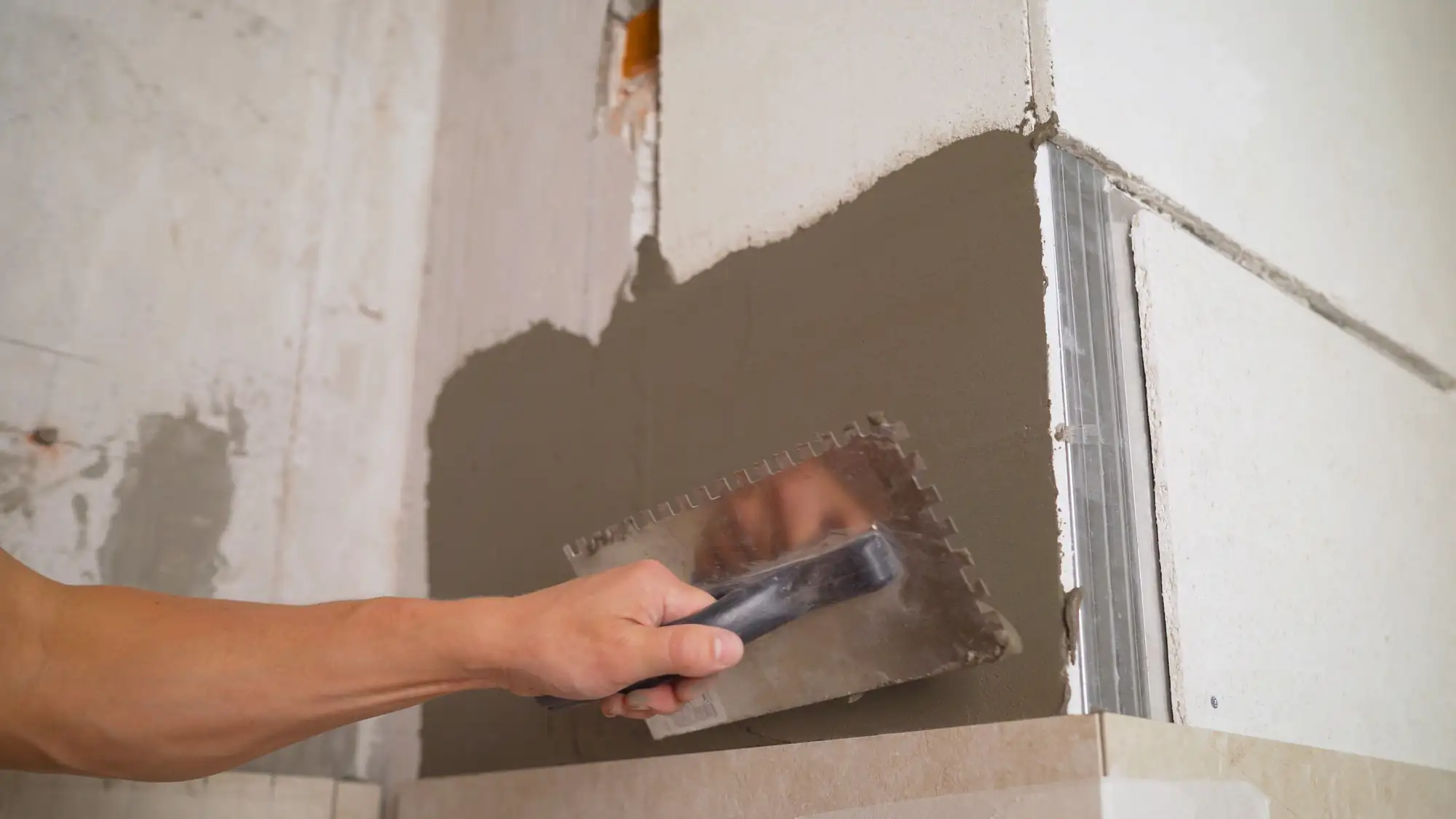
Next comes surface preparation. We install the proper water-resistant barrier, lath, and accessories. This foundation layer determines whether your stucco performs for five years or fifty. We don’t skip steps here.
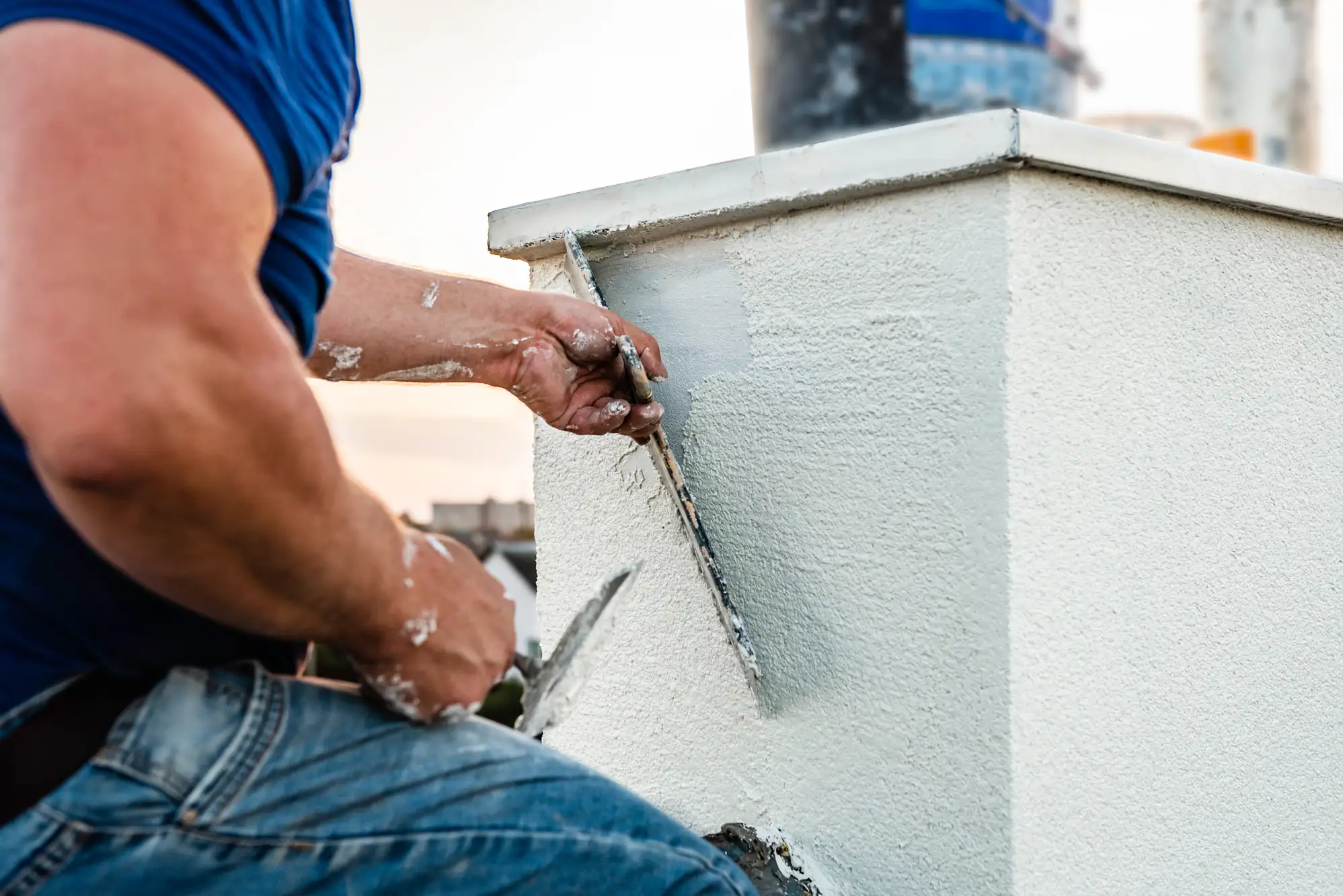
Then we apply the base coat, allowing proper cure time between layers. Florida’s heat and humidity affect curing, so we adjust our schedule based on actual conditions, not arbitrary timelines. The finish coat goes on last, once everything underneath has properly set.
After installation, we walk you through maintenance basics. Stucco lasts decades with minimal upkeep, but you should know what to watch for and when to call us back.
Ready to get started?
Stucco Services in Daytona Beach
Daytona Beach sits right on the Atlantic, which means your stucco faces constant salt exposure and moisture. We use materials rated for coastal applications and installation methods that account for your specific environment.
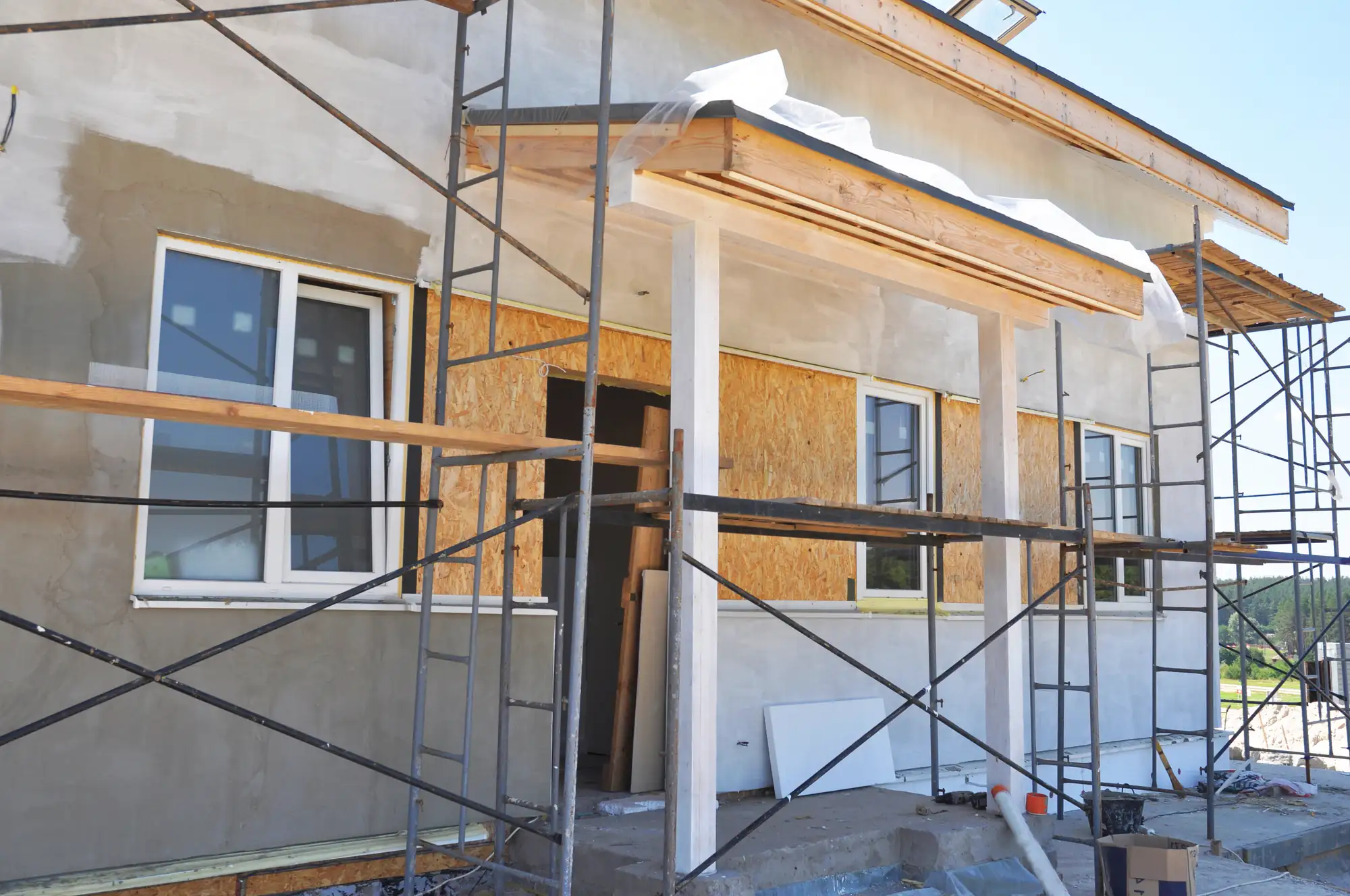
Your installation includes proper flashing around windows and doors, the areas where most water intrusion starts. We install weep screeds at the foundation to let trapped moisture escape. And we ensure adequate expansion joints so your stucco can move with your home’s natural settling without cracking.
Most Daytona Beach homes were built during Florida’s construction boom in the 1990s and 2000s. If you’re dealing with original stucco from that era, you’re likely facing the results of rushed installation and corner-cutting. Proper reinstallation fixes those underlying issues instead of just covering them up.
The finish you choose affects more than appearance. Smooth finishes show imperfections more readily but are easier to clean in salt air. Textured finishes hide minor flaws but can trap moisture if not properly sealed. We’ll walk through the options based on your home’s exposure and your maintenance preferences.
How much does stucco installation cost for a typical Daytona Beach home?
Stucco installation in Florida runs between $9 and $22 per square foot, depending on your home’s condition, the prep work required, and the finish you choose. For a standard 2,000-square-foot home, you’re looking at $18,000 to $44,000 for complete installation.
The wide range comes down to what’s happening underneath. If we’re installing over new construction with clean substrate, costs stay lower. If we’re removing failed stucco, repairing water damage, and replacing compromised sheathing, costs increase. Coastal homes in Daytona Beach sometimes need additional moisture barriers and corrosion-resistant fasteners, which adds to material costs.
The cheapest bid usually means shortcuts. Stucco applied too thin fails faster. Skipped flashing leads to water intrusion. Improper curing causes premature cracking. You’ll pay less upfront and more later when you’re dealing with structural repairs. We price our work based on methods that actually hold up in Florida’s climate, which means you’re not calling us back in three years to fix problems that shouldn’t exist.
How long does stucco installation take from start to finish?
Most residential stucco installations take two to four weeks, depending on your home’s size and Florida’s weather. We can’t rush the curing process, and we won’t install during heavy rain or extreme heat that compromises the material.
Each stucco layer needs adequate cure time before we apply the next one. In Daytona Beach’s humidity, that sometimes means waiting an extra day or two between coats. Trying to speed through this process leads to delamination, cracking, and adhesion failure. The timeline might feel slow, but it’s what ensures your stucco actually lasts.
We’ll give you a realistic schedule upfront and keep you updated if weather forces adjustments. Our crews show up when scheduled, keep the job site clean, and finish each phase completely before moving to the next. You won’t deal with half-finished work sitting for weeks or crews that disappear mid-project.
Will stucco hold up during hurricane season in Daytona Beach?
Properly installed stucco is one of the most storm-resistant exterior options available. It bonds directly to your home’s structure and won’t blow off in high winds like vinyl siding or wood panels. But that protection only works if the installation is done right.
The key is proper attachment and adequate thickness. We install metal lath that’s securely fastened to your home’s sheathing, then apply stucco in layers that meet Florida building code minimums. This creates a monolithic shell that moves with your home during wind events instead of separating from it.
Water intrusion during storms is the bigger concern. If your stucco has cracks or failed sealants around windows and doors, wind-driven rain finds its way inside. That’s why proper flashing and expansion joints matter so much. They let your stucco flex during storms without creating entry points for water. After hurricane season, you should inspect your stucco for any new cracks or damage, but a quality installation shouldn’t show significant problems from normal storm exposure.
What's the difference between stucco and EIFS for Florida homes?
Traditional stucco is a cement-based material applied in multiple layers over metal lath. EIFS (Exterior Insulation and Finish System) is a synthetic system that uses foam insulation boards covered with a thin acrylic finish. They look similar but perform very differently in Florida’s climate.
EIFS traps moisture. If water gets behind the foam boards through a crack or failed seal, it can’t escape, leading to rot and mold in your wall cavity. Florida’s constant humidity makes this a serious risk. Traditional stucco is more breathable and allows moisture to escape, which is critical in coastal areas like Daytona Beach.
EIFS is lighter and offers better insulation, which matters in colder climates but provides minimal benefit here. Traditional stucco is more impact-resistant, handles salt air better, and has a proven track record in Florida’s conditions. Unless you have a specific architectural reason for EIFS, traditional stucco is the better choice for Daytona Beach homes. It costs slightly more upfront but avoids the moisture problems that plague EIFS installations in humid climates.
How do I know if my existing stucco needs replacement or just repair?
If you’re seeing widespread cracking, bulging, or soft spots when you press on the surface, you’re likely looking at replacement rather than repair. Isolated hairline cracks can be fixed, but systemic failure means the underlying installation was compromised from the start.
Water stains inside your home near exterior walls are a red flag. So is stucco that sounds hollow when you tap it, which indicates delamination from the substrate. If you’ve got multiple areas showing these symptoms, the problem usually extends beyond what’s visible. Patching a few spots won’t fix installation that was done wrong twenty years ago.
The only way to know for sure is an inspection. We’ll check your stucco’s attachment, look for moisture intrusion, and assess the substrate condition. Sometimes we find that repairs will buy you another decade. Other times we find rot behind the stucco that needs immediate attention. Either way, you’ll know exactly what you’re dealing with and what it’ll take to fix it properly. Most stucco inspectors and real estate agents in the area refer homeowners to us when they find problems, because we’ll give you a straight answer about what needs to happen.
Does stucco require a lot of maintenance in Daytona Beach's climate?
Stucco is one of the lowest-maintenance exteriors available, but coastal Florida does require some attention. You should inspect your stucco annually for cracks, especially after storm season. Catching small cracks early prevents them from becoming water intrusion points.
The salt air in Daytona Beach can cause surface staining over time. Washing your stucco every year or two with a garden hose removes salt buildup and keeps it looking clean. Avoid pressure washing, which can damage the finish and force water into small cracks. A regular hose with a soft brush works fine for most cleaning.
Your stucco’s finish coat will eventually need refreshing, typically every 15 to 20 years depending on sun exposure and weather. This is a surface treatment, not a full reinstallation, and it’s much less expensive than replacing other siding materials. Beyond that, properly installed stucco should last 50 years or more with minimal intervention. The homes that need constant stucco repairs usually had installation problems from day one, not maintenance issues.
Other Services we provide in Daytona Beach