House Painters in Cocoa, FL
Exterior Paint That Actually Survives Florida Weather
Hear from Our Customers
Exterior Painting Contractors Near Me
You’ve probably seen it happen. Fresh paint looks great for six months, then starts bubbling. Or peeling. Or growing mildew in the corners where moisture gets trapped.
That’s what happens when house painters don’t account for Cocoa’s climate. The humidity here regularly sits above 70% and spikes past 80% in summer. Standard exterior paint can’t handle that. It won’t cure properly on your home’s surface, which means premature failure.
The right approach starts with understanding your home’s exposure. South and west-facing walls take the hardest UV beating. Areas near your roofline or under eaves trap moisture differently than open walls. We look at how your specific home interacts with Florida weather, then prep and paint accordingly. That means proper surface cleaning to remove chalking and mildew, moisture-resistant paint formulations, and finishes that resist humidity while standing up to UV breakdown.
You’re not just getting a color change. You’re getting protection that holds up when the next storm rolls through.
Professional House Painters Cocoa FL
We’ve been handling exterior painting in Cocoa and throughout Brevard County since before the 2004 hurricane season taught everyone what “Florida-rated” really means. That experience matters when you’re choosing painters for your home.
Cocoa sits right in the zone where coastal humidity meets inland heat. Your home deals with salt air drifting in from the Atlantic, afternoon thunderstorms that come out of nowhere, and sun exposure that breaks down paint pigments faster than most homeowners realize. We’ve painted through all of it.
Our approach focuses on communication and realistic timelines. You’ll get a clear estimate that doesn’t change halfway through the job. We maintain clean work sites because we’re working on your home, not a construction zone. And our 4.6 rating across 145 reviews reflects what happens when you prioritize doing the job right over doing it fast.
How Exterior Painters Work in Cocoa
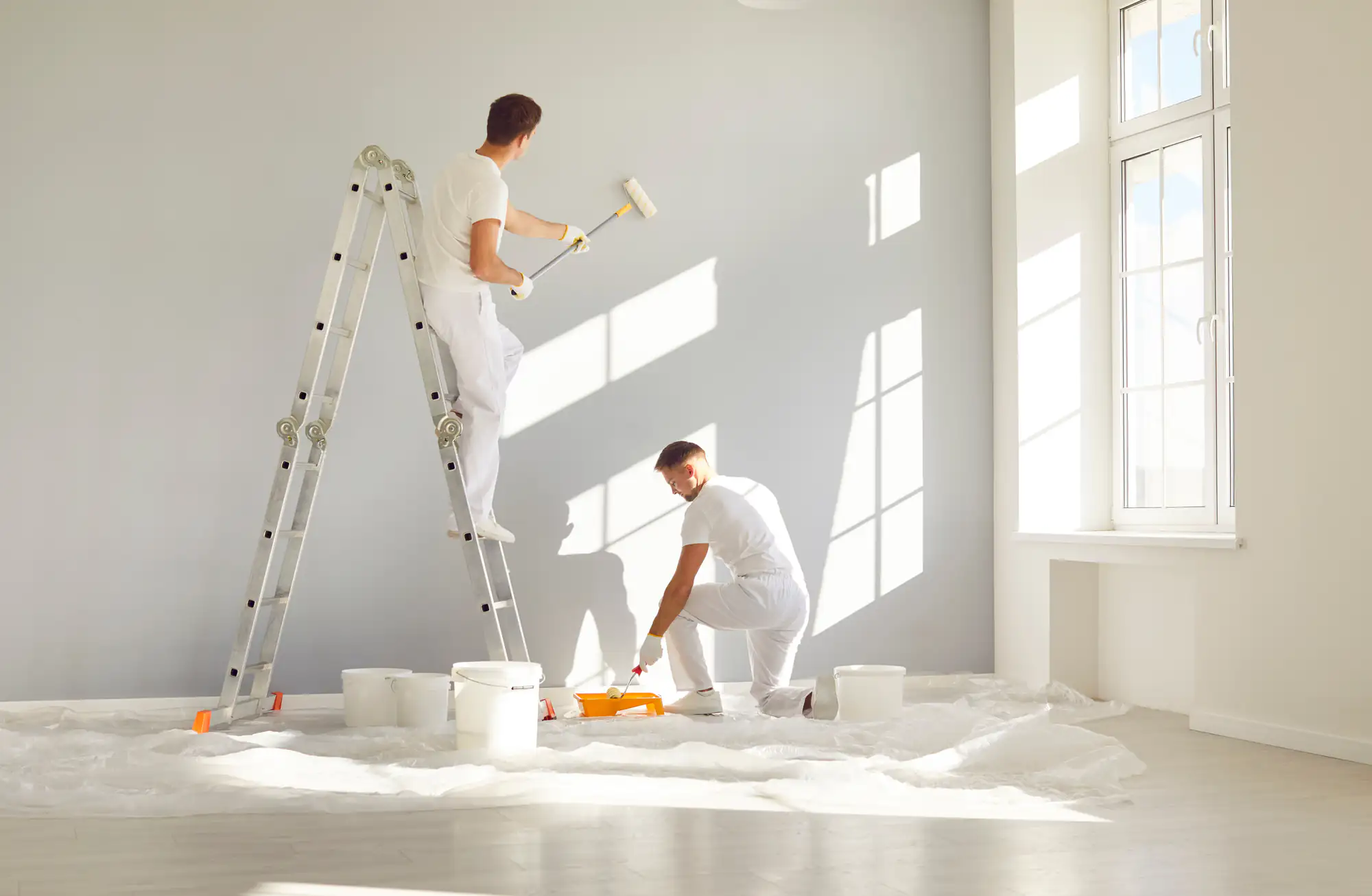
First, we look at your home’s current condition. Not just the obvious peeling or fading, but the underlying surface prep that determines whether new paint will actually stick. We check for mildew, chalking residue, and areas where moisture might be getting trapped.
Then you get a written estimate with realistic timing. We don’t lowball the quote to win the job, then add charges later. The price we give you is the price you pay, and the timeline accounts for Florida’s weather patterns. If we’re painting during summer months, we plan around afternoon storms. If it’s winter, we take advantage of lower humidity and faster cure times.
During the actual work, we prep thoroughly. That means pressure washing, scraping loose paint, repairing any damaged stucco or wood trim, and priming properly. Even the best exterior paint can’t compensate for poor surface prep. Once we’re painting, we use moisture-resistant formulations in satin or semi-gloss finishes that clean easily and hold up longer than flat paint in humid climates.
After we finish, you get a final walkthrough. We don’t consider the job done until you’re satisfied with how it looks and understand how to maintain it going forward.
Ready to get started?
Exterior Painting Services Cocoa FL
You’re getting more than just paint application. The process includes full surface preparation, which means cleaning off years of dirt, mildew, and chalking that prevent proper paint adhesion. We repair damaged areas before painting over them, because covering up problems doesn’t fix them.
For homes in Cocoa, we’re often dealing with stucco exteriors that need special attention. Stucco is porous, which means it absorbs moisture differently than wood siding. It also cracks over time as your home settles. We address those cracks and seal them properly so water doesn’t get behind your paint and cause bigger problems down the road.
Color selection matters more than most homeowners realize. Darker colors absorb more heat and fade faster under Florida’s UV exposure. We’ll walk you through options that look great and hold their appearance longer. The current trend toward warm neutrals, earthy greens, and ocean-inspired blues isn’t just aesthetic—these colors actually perform better in our climate.
The paint itself uses formulations designed for high-humidity environments. Cheaper exterior paint lacks the mildew resistance and UV protection you need here. We use products that cost more upfront but require less frequent repainting, which saves you money over time. Most exterior painting companies will tell you to repaint every 5-7 years. With proper prep and quality materials, you should get 10-12 years in Cocoa’s climate.
What's the best time of year to paint my home's exterior in Cocoa?
Late fall through early spring gives you the best conditions for exterior painting in Cocoa, FL. That’s roughly November through April, when humidity levels drop and temperatures stay more consistent.
Here’s why timing matters. Paint needs to cure properly, which means the solvents have to evaporate at the right rate. When you’re painting in July and humidity is sitting at 85%, that moisture in the air slows down evaporation. The paint stays wet longer, which increases the chance of dirt, bugs, or pollen getting stuck in the finish. It also means the paint doesn’t harden properly, leading to early failure.
Winter months give you lower humidity, fewer afternoon thunderstorms, and more predictable weather patterns. We can work full days without worrying about sudden rain washing away fresh paint. The paint cures faster and harder, which means better long-term durability. That said, we do paint year-round in Cocoa. Summer jobs just require more careful planning around weather and working during morning hours when conditions are better.
How long should exterior paint last on a Florida home?
You should get 10-12 years from a quality exterior paint job in Cocoa if it’s done right. That’s with proper surface prep, the right paint formulation, and appropriate application methods for Florida’s climate.
Most painters will quote 5-7 years, and they’re not wrong if they’re using standard paint and minimal prep work. But that’s not the full story. The difference comes down to what goes into the job before any paint touches your walls. If the surface isn’t thoroughly cleaned, if old chalking residue isn’t removed, if cracks aren’t properly sealed—the best paint in the world won’t stick properly.
Florida’s UV exposure is the biggest factor in paint breakdown. The sun literally breaks down the chemical bonds in paint pigments, causing fading and chalking. Moisture-resistant paints with UV inhibitors slow that process significantly. Satin and semi-gloss finishes also hold up better than flat paint because they’re denser and less porous. You’re also looking at how your home is positioned. South and west-facing walls take more sun damage and may need attention sooner than north-facing walls. But overall, if someone’s telling you to repaint every 5 years, they’re either using inferior materials or not prepping correctly.
Why is my exterior paint peeling after just a few years?
Premature peeling usually means moisture got trapped under the paint, and in Cocoa that’s almost always a surface prep issue or using the wrong type of paint for Florida’s humidity.
Paint needs a clean, dry surface to bond properly. If the previous paint was chalking or if mildew was growing on the surface, new paint applied over that is essentially sticking to dust or organic matter instead of your actual wall. It might look fine initially, but as soon as moisture works its way in—which happens constantly in Florida—the paint loses adhesion and starts bubbling or peeling.
The other common cause is using interior paint or flat exterior paint in high-humidity areas. Interior paint isn’t formulated to handle moisture, and flat exterior paint is too porous for Florida’s climate. Moisture gets in easily but can’t escape, so it builds up under the paint film until something gives. That’s why we use satin or semi-gloss finishes with moisture-resistant properties. They let your walls breathe while keeping bulk moisture out. If your paint is peeling now, it needs to be scraped off completely, the surface needs proper prep, and it needs to be repainted with appropriate materials. Painting over peeling paint just delays the problem by a few months.
How much does it cost to paint a house exterior in Cocoa?
Most exterior painting projects in Cocoa run between $3,500 and $8,500 depending on your home’s size, current condition, and how much prep work is needed. Single-story homes under 1,500 square feet typically fall on the lower end. Two-story homes over 2,500 square feet with significant prep needs hit the higher end.
The biggest variable is surface condition. If your existing paint is in decent shape and just needs refreshing, prep work is minimal. But if we’re dealing with widespread peeling, mildew growth, or stucco cracks that need repair, that prep time adds up. And it should—skipping proper prep to save money now means you’ll be repainting again in three years instead of ten.
Paint quality also affects cost. Budget exterior paint runs $25-35 per gallon. Premium moisture-resistant paint with UV inhibitors runs $50-70 per gallon. That seems like a big difference until you factor in coverage rates and longevity. Cheaper paint often requires more coats and fails sooner, which means you’re paying for another complete paint job years earlier than necessary. We give you clear estimates that break down labor, materials, and prep work so you know exactly what you’re paying for. No surprise charges halfway through the project.
Do I need to repaint my whole house or can I just do one side?
You can absolutely paint just one side of your house, and it often makes sense in Cocoa where sun exposure varies significantly by wall orientation. The south and west sides of your home take the hardest UV beating and typically need repainting before north and east-facing walls.
The challenge is color matching. Even if you have the original paint color, exterior paint fades over time from UV exposure. Your existing walls probably aren’t the same shade they were when first painted, which means new paint in the “same” color will look noticeably different. It’s not a perfect match, but if the sides aren’t visible from the same angle, most homeowners find it acceptable.
The other consideration is overall condition. If three sides of your home are showing wear—fading, chalking, or early signs of mildew—you’re better off painting everything now. Painting one side this year, another side next year, and the remaining sides the year after means you’re paying mobilization costs and setup time three separate times. It’s more expensive overall than doing it all at once. But if one wall genuinely needs attention and the others are still in good shape, there’s no reason to paint what doesn’t need it yet. We’ll give you an honest assessment of what needs work now versus what can wait.
What's the difference between painting stucco and painting wood siding?
Stucco is porous and textured, which means it absorbs paint differently and requires more material than smooth wood siding. It also cracks as your home settles, so those cracks need to be filled and sealed before painting or they’ll telegraph through the new paint.
The prep work is different too. Wood siding needs scraping and sanding to remove loose paint and create a smooth surface. Stucco needs pressure washing to clean out the texture and remove dirt, mildew, and chalking, but you can’t sand it smooth. Any repairs to stucco require patching compound that needs to cure before painting, which adds time to the project.
Paint application on stucco uses more material because you’re filling in all that texture. A gallon of paint might cover 400 square feet on smooth wood siding but only 250-300 square feet on stucco. That affects your material costs. Stucco also benefits from elastomeric paint, which is thicker and more flexible than standard exterior paint. It bridges small cracks and moves with the stucco as your home expands and contracts with temperature changes. Most homes in Cocoa have stucco exteriors, so we’re set up to handle the specific requirements. If you’ve got wood trim around windows and doors, we treat those separately with appropriate primers and paints for wood surfaces.
Other Services we provide in Cocoa