House Painters in Ocoee, FL
Paint That Actually Lasts in Florida Weather
Hear from Our Customers
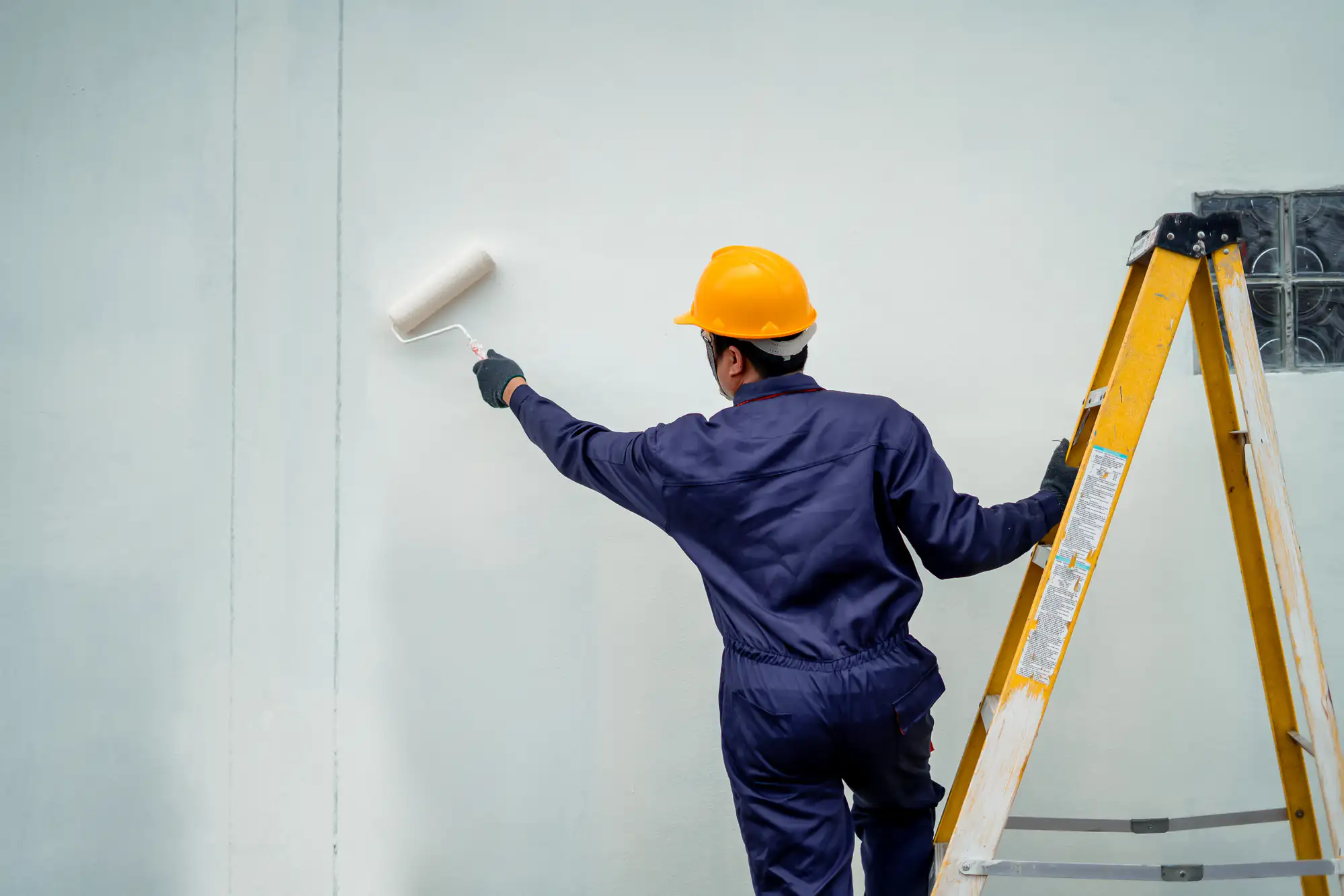
Exterior Painters Near Me in Ocoee
You’re not repainting every three years because the last crew used the wrong materials or skipped proper prep. Your home looks sharp from the curb, and it stays that way through summer storms and winter humidity swings.
The paint doesn’t bubble. It doesn’t peel at the corners. It doesn’t fade into some washed-out version of what you picked.
When you hire home painters who understand Central Florida’s climate, you get a finish that holds up to 90-degree heat, afternoon thunderstorms, and humidity that hovers above 70% most of the year. That’s the difference between a paint job and a smart investment in your property.
Painting Contractors in Ocoee, FL
We’ve spent over 20 years working on homes across Ocoee, Winter Garden, Orlando, and the surrounding areas. We’ve painted through every season this region throws at us, and we’ve learned what works and what fails.
Our team knows the difference between paint that looks good on day one and paint that still looks good in year seven. We’ve earned a 5.0 Google rating and a 4.6 overall rating across 145 reviews because we show up when we say we will, we communicate clearly, and we don’t leave until the job meets our standards.
Ocoee homeowners deal with the same challenges as the rest of Central Florida—high humidity, intense sun, and frequent rain. We tailor every project to handle those conditions, not ignore them.
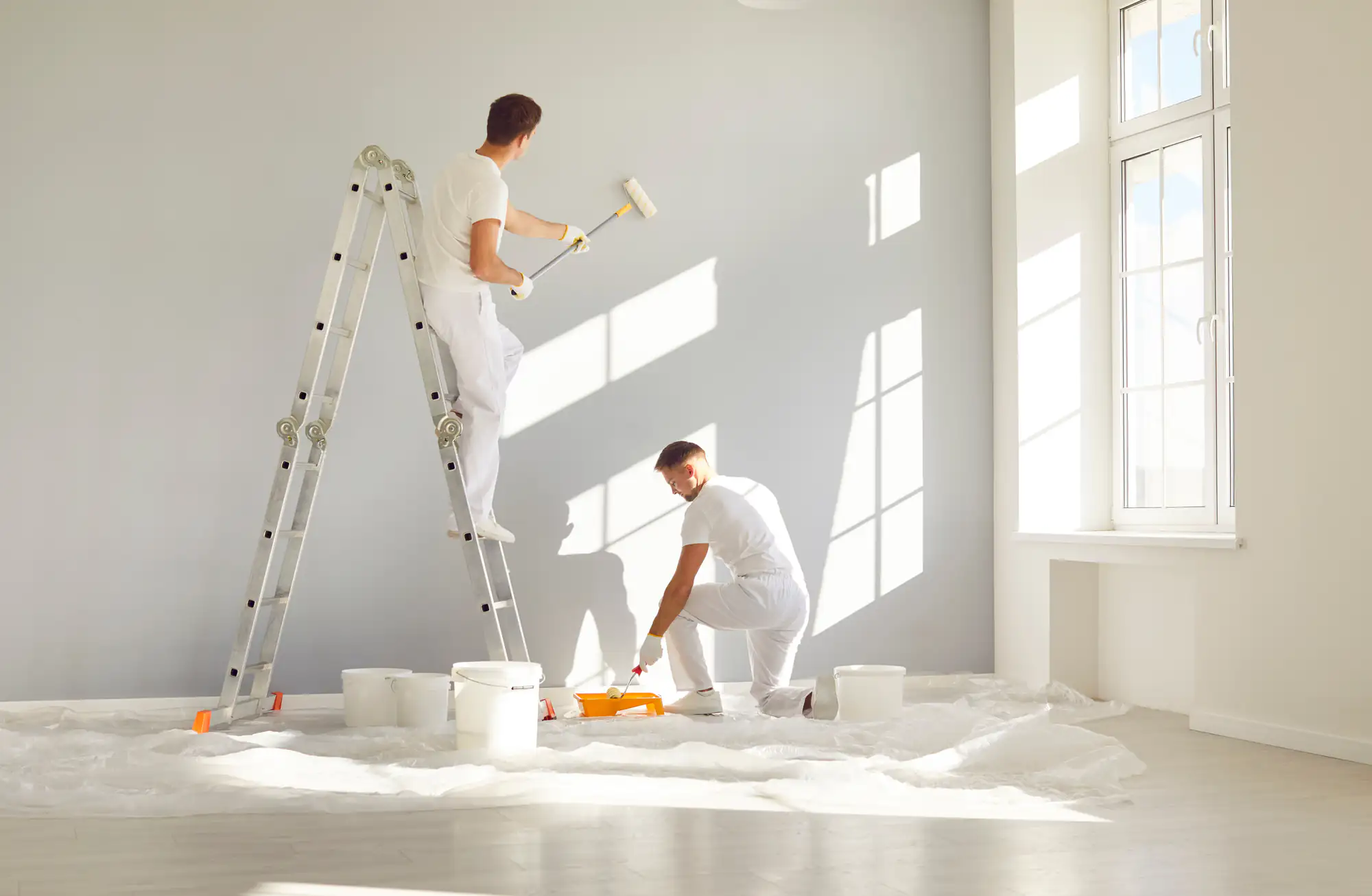
Our Exterior Painting Process in Ocoee
We start with a clear estimate. No surprises, no vague timelines—just honest pricing and a realistic schedule based on your home’s size and condition.
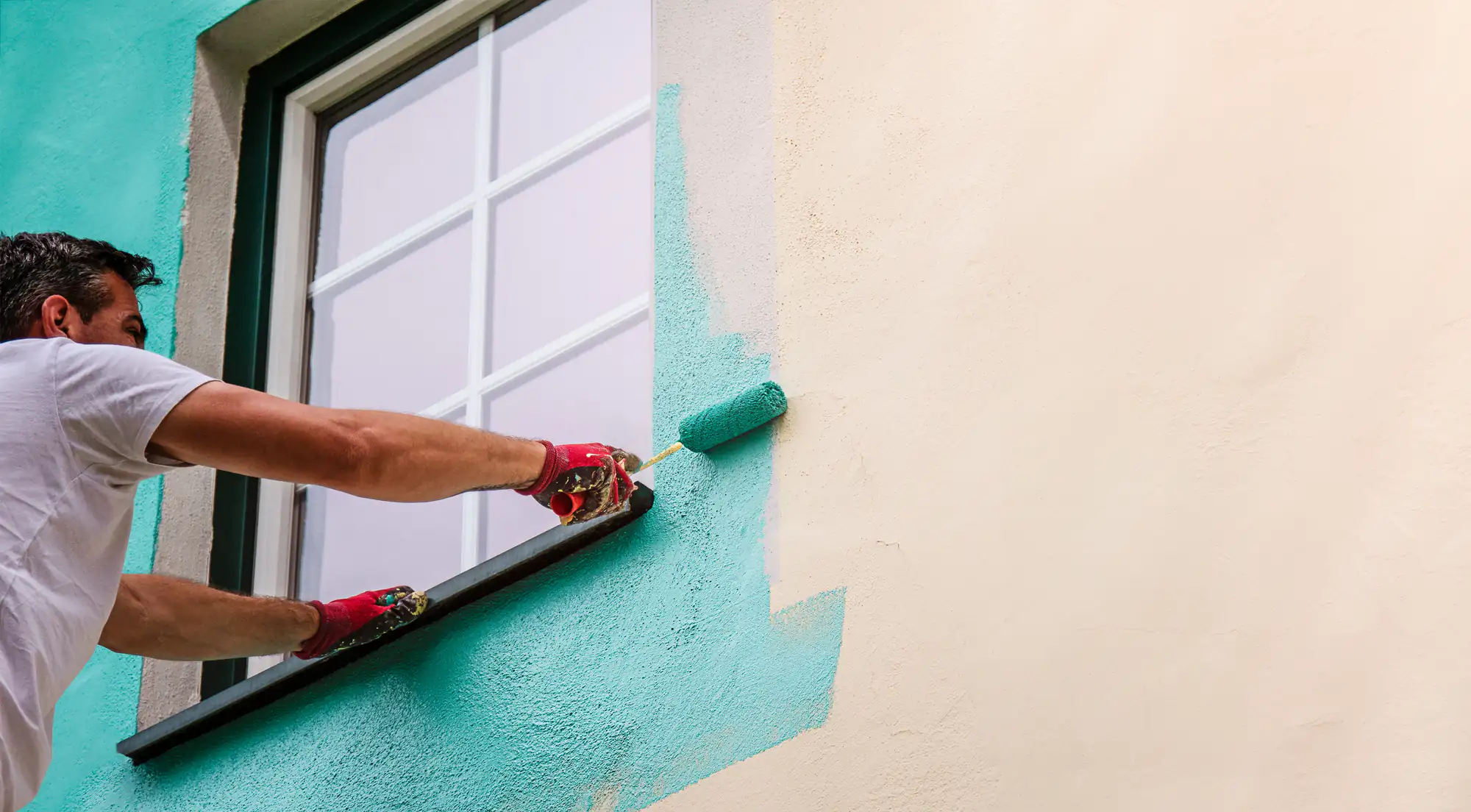
Before any paint touches your walls, we prep the surface. That means pressure washing to remove dirt and mildew, repairing cracks or damaged areas, and applying primer where it’s needed. Skipping this step is why most paint jobs fail early in Florida’s climate.
We use acrylic latex paint designed for high humidity and temperature swings. It’s flexible enough to expand and contract with your home’s exterior, and it resists moisture better than cheaper alternatives. Once the paint goes on, we inspect every section to make sure coverage is even and edges are clean.
After we’re done, we walk the property with you. If something doesn’t meet your expectations, we address it before we pack up. And if you notice an issue later, we follow up—that’s part of how we’ve stayed in business for over two decades.
Ready to get started?
What's Included with Our Painting Services
When you hire us for exterior painting, the price covers more than just labor and materials. It includes proper surface prep, climate-appropriate paint selection, and a team that keeps the job site clean throughout the project.
In Ocoee and the surrounding Central Florida area, most homes are stucco or wood siding built between the 1990s and 2010s. These materials need specific prep work to handle Florida’s weather. Stucco requires crack repair and sealing before paint application. Wood siding needs thorough cleaning and sometimes replacement of rotted sections.
We also time projects around Florida’s weather patterns. The best months for exterior painting here are October through March, when humidity drops and rain is less frequent. Painting during summer might seem convenient, but high moisture levels cause adhesion problems and longer dry times.
You’re not just getting a fresh color. You’re getting a protective barrier that keeps moisture out, prevents mildew growth, and maintains your home’s value for the next 7 to 10 years.
How long does exterior paint last on a house in Ocoee?
If the job’s done right with quality materials and proper prep, exterior paint lasts 7 to 10 years in Central Florida. That’s assuming you’re using acrylic latex paint designed for high humidity and your painters didn’t skip the prep work.
Florida’s climate is tough on paint. Humidity above 70%, intense UV exposure, and frequent rain all break down inferior products faster. Cheap paint or poor application might look fine for a year or two, but you’ll see peeling, bubbling, and fading by year three.
The key is using flexible, moisture-resistant paint and applying it during the dry season when humidity is lower. If your last paint job only lasted a few years, the problem wasn’t the weather—it was the materials or the process.
What's the best time of year to paint a house exterior in Florida?
Late fall through early spring—specifically October through March. That’s when humidity drops, rain is less frequent, and temperatures are mild enough for proper paint adhesion and drying.
Painting during Florida’s summer seems convenient, but it’s actually the worst time. High humidity slows drying, increases the risk of moisture getting trapped under the paint, and can cause bubbling or poor adhesion. Afternoon thunderstorms also interrupt work and extend timelines.
Winter in Central Florida gives you the most consistent conditions. Cooler temperatures and lower humidity mean the paint cures properly and bonds to the surface the way it’s supposed to. If you’re planning an exterior project, schedule it for the dry season and avoid the headaches that come with summer painting.
How much does it cost to paint the exterior of a house in Ocoee?
For most single-family homes in Ocoee, exterior painting runs between $3,000 and $8,000, depending on size, condition, and how much prep work is needed. A 1,500-square-foot home with minimal repairs will cost less than a 3,000-square-foot home with rotted wood or extensive cracking.
The price includes labor, materials, surface prep, and cleanup. If your home needs significant repairs—like replacing damaged siding or fixing stucco cracks—that adds to the cost. But skipping those repairs just means the paint won’t last, and you’ll be repainting sooner than you should.
We give clear estimates upfront so there’s no confusion about what you’re paying for. If you’re comparing quotes, make sure you’re comparing the same scope of work. The cheapest bid usually means someone’s cutting corners on prep or using lower-grade paint.
Do I need to pressure wash my house before painting?
Yes. Pressure washing removes dirt, mildew, algae, and loose paint that prevent new paint from adhering properly. Skipping this step is one of the main reasons paint jobs fail early in Florida.
Central Florida’s humidity creates the perfect environment for mildew and algae growth on exterior surfaces. If you paint over that buildup, the new paint won’t bond to the surface—it bonds to the mildew, which eventually peels off and takes the paint with it.
Pressure washing also reveals underlying issues like cracks, rot, or damaged areas that need repair before painting. It’s not an optional step if you want the paint to last. Any exterior painting company worth hiring will include pressure washing as part of their standard prep process.
What type of paint is best for Florida's humid climate?
Acrylic latex paint. It’s flexible, moisture-resistant, and designed to handle the temperature swings and high humidity that Central Florida throws at your home year-round.
Florida’s weather causes materials to expand and contract constantly. Rigid paint cracks under that stress. Acrylic latex flexes with the movement, which prevents cracking and peeling. It also resists moisture better than oil-based paints, which matters when you’re dealing with humidity above 70% most of the year.
Lower-quality paints might cost less upfront, but they fade faster, trap moisture, and require repainting every few years. If you’re investing in an exterior paint job, use materials that are built for this climate. It’s the difference between repainting in three years or ten.
How do I know if my house needs repainting or just touch-ups?
If you’re seeing widespread peeling, fading, or chalking—where the paint feels powdery when you touch it—your home needs a full repaint. Touch-ups only work for small, isolated areas of damage.
Peeling usually means the previous paint job didn’t bond properly, either because of poor prep or moisture issues. Fading happens when UV exposure breaks down the paint’s pigments, which is common in Florida’s intense sun. Chalking is a sign the paint has degraded and lost its protective qualities.
Small chips or scratches from landscaping equipment or storm debris can be touched up if the rest of the paint is still in good shape. But if more than 20% of your exterior shows wear, a full repaint is the smarter move. Patching over widespread damage just delays the inevitable and usually looks uneven.
Other Services we provide in Ocoee