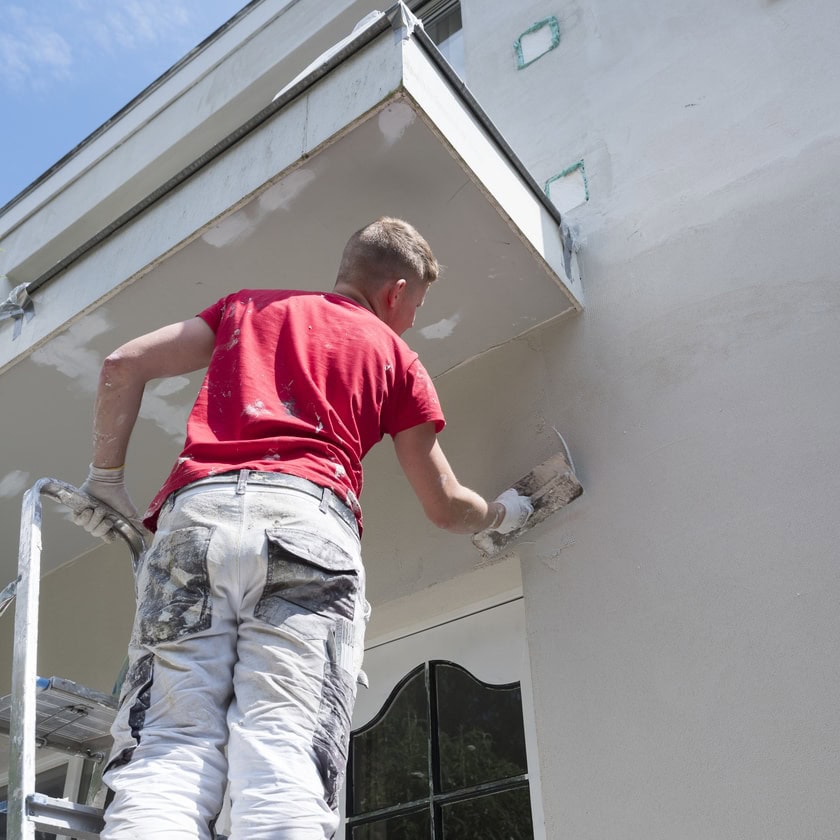
Your home’s exterior in Central Florida isn’t just about curb appeal. It’s about choosing a material that can handle relentless humidity, torrential summer storms, and hurricane seasons that send debris flying. The wrong choice leads to moisture damage, constant crack repairs, or premature replacement. The right choice gives you decades of protection without the headaches. If you’re weighing stucco vs siding for your Orlando-area home, understanding how each performs in our specific climate matters more than national averages or generic advice. Let’s look at what actually works in Orange County, FL.
How Stucco and Siding Handle Florida’s Humid Climate
Florida weather puts exteriors through tests most other climates never see. Humidity hovers near 90% even when it’s not raining. Summer storms dump inches of water in hours. UV exposure is relentless year-round.
Stucco is a cement-based material applied in layers directly over your home’s exterior, creating a continuous, seamless shell. When installed correctly with proper moisture barriers, drainage planes, and breathable sealants, it’s been protecting Florida homes for generations. The material itself doesn’t rot, resists pests, and won’t feed mold growth.
Siding covers several different materials—vinyl, fiber cement (Hardie board), and engineered wood are most common in Central Florida. These get installed as individual panels or boards rather than a continuous coating. Each type performs differently in humidity, but they all depend heavily on proper installation of seams, joints, and flashing.
Moisture and Mold Resistance in Orlando’s Climate
Moisture management separates exteriors that last from those that fail in Central Florida. With over 50 inches of annual rainfall and humidity that rarely drops below 70%, your exterior is constantly dealing with water.
Stucco’s porous nature means it can absorb moisture if not properly sealed. The material breathes, which is actually beneficial in Florida’s humidity—it allows moisture vapor to escape from wall cavities rather than getting trapped. The catch is that you need the right coatings. Elastomeric paints designed for stucco let moisture vapor through while blocking liquid water. Use the wrong paint, and you trap moisture inside your walls.
Properly installed stucco includes a moisture barrier behind the material, weep screeds at the bottom to let water drain out, and correct flashing around windows and doors. When these details are right, stucco sheds water effectively and resists the mold and mildew growth that thrives in shaded areas of Florida homes.
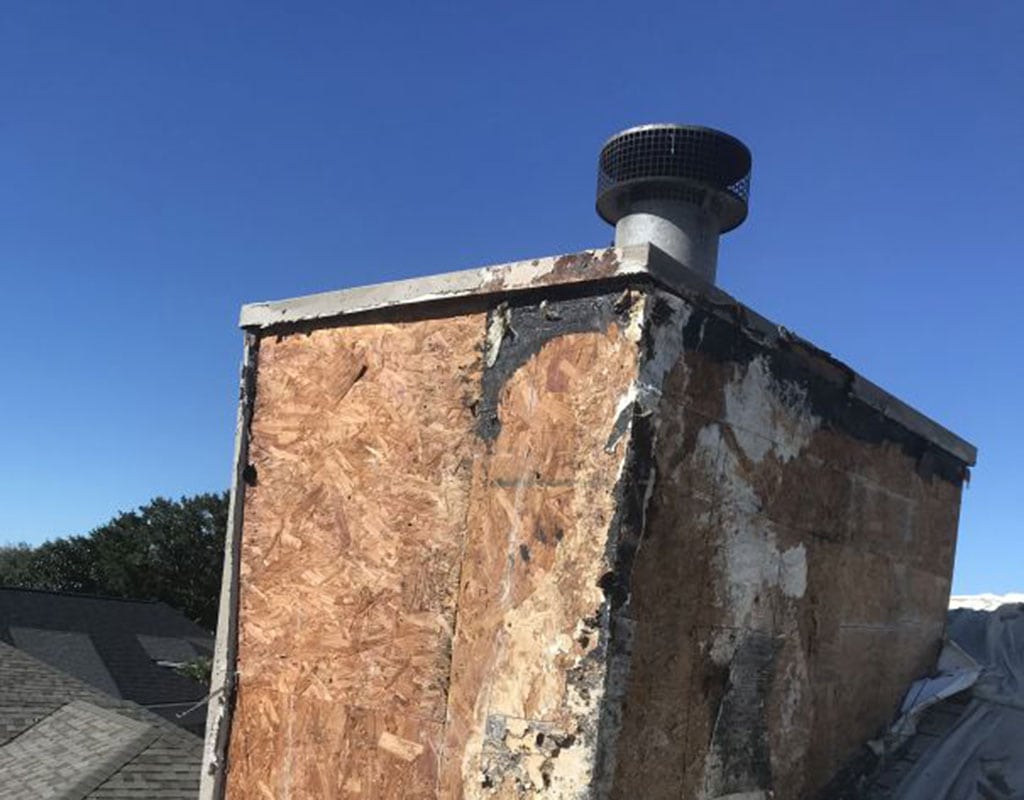
The weakness shows up when cracks develop. Even hairline cracks can let water penetrate, and once moisture gets behind stucco without proper drainage, you’re dealing with trapped water, potential mold, and rot in the underlying structure. Regular inspections and addressing cracks quickly prevent this.
Siding’s moisture performance depends on the material. Vinyl doesn’t absorb water, but moisture can still infiltrate through seams, joints, and around fasteners. The material itself won’t rot, but if water gets to the sheathing behind it, you’ve got problems. Fiber cement resists moisture absorption well, but again, installation quality determines whether water stays out. Improperly sealed seams or rushed flashing work create entry points.
The advantage with siding is targeted repairs. If moisture does damage a section, you replace those specific boards. With stucco, repairs often mean patching larger areas and matching texture and color—sometimes requiring repainting entire walls for the repair to blend invisibly.
For Orange County homeowners, both can work in our humid climate. Stucco requires precision in initial moisture barrier installation and ongoing crack monitoring. Siding requires meticulous attention to every seam, joint, and penetration. Neither material forgives sloppy installation when you’re dealing with Florida’s rainfall.
Hurricane and Storm Damage: Which Holds Up Better
Hurricane season is when your exterior choice either protects your investment or becomes a liability. Central Florida sees regular tropical systems, and even storms that don’t make landfall bring high winds and flying debris.
Stucco’s cement-based construction creates a solid shell that resists wind exceptionally well. The material bonds directly to your home’s structure through metal lath, creating a monolithic barrier that wind can’t get behind or peel away. Properly installed stucco won’t blow off in hurricane-force winds.
Impact damage is where stucco shows vulnerability. When debris—tree branches, roof tiles, lawn furniture—slams into stucco during a storm, it cracks or chips. Those cracks often spread beyond the actual impact point. During the storm, those cracks can allow water intrusion. After the storm, repairs frequently mean extensive crack filling, texture matching, and repainting entire wall sections because patch jobs are visible.
Fiber cement siding handles impact differently. Individual boards might crack or break when struck by debris, but they absorb impact well and can be replaced one board at a time. Post-hurricane repairs are typically more straightforward: remove damaged boards, install new ones, touch up paint. The material itself resists impact better than stucco’s rigid surface.
Vinyl siding is the weakest option for Florida storms. Wind can get behind panels and rip them off. Flying debris easily cracks, punctures, or dents vinyl. In hurricane-prone areas like Orlando and Kissimmee, vinyl is generally the least recommended choice for storm protection.
For Central Florida homes, both stucco and fiber cement provide good hurricane protection when properly installed. Stucco offers superior wind resistance and a seamless barrier against driving rain. Fiber cement offers better impact resilience and simpler repairs. Your specific location matters—homes near large trees, in debris-prone areas, or with history of storm damage might lean toward fiber cement’s easier repairability.
Dryvit vs Stucco: Understanding EIFS for Florida Homes
When researching stucco options in Orlando, you’ll encounter “Dryvit” and “EIFS.” These aren’t the same as traditional stucco, and the differences matter for Florida homeowners.
Dryvit is a brand name for EIFS—Exterior Insulation and Finish Systems. It’s synthetic stucco that uses foam insulation boards attached to your exterior, covered with a reinforced base coat and textured finish coat. It looks like stucco but is fundamentally different in composition and performance.
EIFS became popular in the 1990s in Central Florida, and many Orlando-area homes still have it. The system is about 80% lighter than traditional stucco and includes built-in insulation, which can significantly improve energy efficiency in Florida’s heat.
Replace Siding with Stucco: Process and Cost Reality
Considering replacing your siding with stucco? Here’s what that actually involves and what it costs in the Central Florida market.
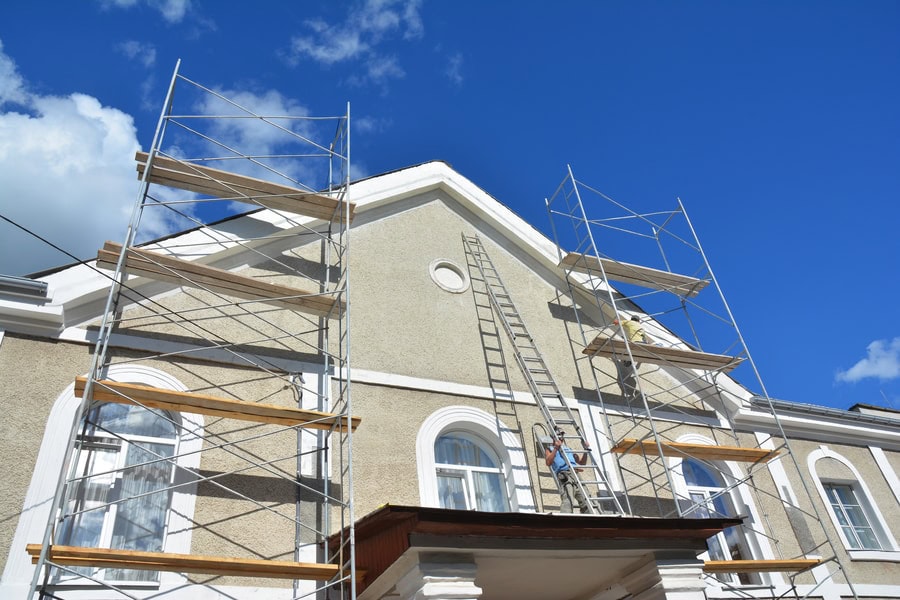
The existing siding comes off first—vinyl, wood, fiber cement, all of it. Trim, accessories, everything attached to your exterior gets removed. This exposes your home’s sheathing, which then gets inspected for any damage. Rot, mold, or structural issues get repaired before stucco work begins. This inspection is actually a benefit—you’re getting a complete assessment of your home’s exterior condition that might reveal problems hiding behind old siding.
Next comes critical moisture barrier and lath installation. In Florida’s climate, this step determines whether your stucco will last decades or fail within years. A proper weather-resistant barrier goes on, then metal lath that gives stucco something to grip. Flashing around windows, doors, and where walls meet the roof prevents water intrusion. Weep screeds at the bottom allow any moisture that does get in to drain out rather than getting trapped.
The stucco application happens in layers. A scratch coat goes on first, followed by a brown coat, then the finish coat that determines your texture and color. Each layer needs proper curing time, which matters in Florida’s humidity. Rushing this process leads to cracking and premature failure.
Cost in the Orlando area typically runs $6 to $9 per square foot for stucco installation, sometimes reaching $12 or more for complex architectural details or premium finishes. For a 2,500 square foot home, expect $15,000 to $24,000 or higher. That’s more expensive than vinyl siding but comparable to premium fiber cement installations.
The payoff is longevity. Properly installed stucco in Central Florida can last 50 to 100 years with basic maintenance. That’s two to three times longer than most siding materials. You’re also getting excellent fire resistance, pest resistance, and the classic Mediterranean aesthetic that Florida buyers value.
Timeline matters. Stucco isn’t a quick project. Between prep work, multiple coats, and proper curing time between layers, expect several weeks. Weather delays are common in Florida—you can’t apply stucco during rain or in extreme heat, and summer afternoon storms frequently interrupt work.
For Orlando and Kissimmee homeowners making this switch, working with contractors who understand Florida-specific moisture management is critical. The difference between stucco that lasts 50 years and stucco that fails in 10 comes down to those moisture barrier details and proper installation techniques for our climate.
Replacing Stucco with Siding: When to Make the Switch
Sometimes going from stucco to siding makes more sense. Maybe your stucco has extensive cracking, chronic moisture problems, or you’re dealing with failed EIFS from the 1990s. Replacement is a bigger undertaking than it sounds, but it can solve persistent issues.
Stucco removal is labor-intensive, loud, and messy. The material gets chipped or cut away from the lath underneath. Expect significant debris, dust, and noise. Once removed, the underlying structure gets inspected—and this is where many Orlando homeowners discover moisture damage or rot that’s been hiding behind failing stucco. It’s expensive to fix but critical to address before new siding goes on.
After structural repairs, the home gets wrapped with a moisture barrier. Then siding installation begins. Fiber cement is the most popular choice for replacing stucco in Central Florida because it offers similar durability, fire resistance, and storm protection. Vinyl costs less but doesn’t match stucco’s longevity or hurricane performance.
Cost for stucco removal and siding installation in the Orlando market runs $12 to $30 per square foot depending on the siding material and extent of underlying repairs needed. For a typical home, that’s $30,000 to $75,000 or more—a significant investment.
When does this make sense? If your stucco has widespread cracking across multiple walls, recurring moisture intrusion despite repairs, or if you’ve had several failed repair attempts. If you’re dealing with improperly installed EIFS (Dryvit) from the 1990s—common in the Orlando area—that’s trapping moisture and causing structural damage, replacement might be your best option rather than continued patching.
The benefits include easier future repairs. With siding, you replace individual damaged boards instead of patching and trying to match stucco texture and color. Fiber cement offers potentially better impact resistance than stucco. And if your stucco installation was fundamentally flawed in moisture management, switching to siding with proper installation eliminates those chronic issues.
The downsides are cost and losing that seamless stucco aesthetic. You’re also resetting the clock on your exterior’s lifespan—new fiber cement siding lasts 30 to 50 years depending on maintenance, which is good but not as long as well-maintained stucco can last.
For Central Florida homeowners, this decision usually comes down to the condition of existing stucco and whether the underlying problems can be fixed or if starting fresh makes more financial sense long-term.
Making the Right Choice for Your Central Florida Home
The stucco vs siding decision for Orange County, FL homes comes down to understanding how each performs in our specific climate, what you’ll actually pay, and what maintenance you’re willing to handle.
Stucco offers exceptional longevity—50 to 100 years with proper care. It provides excellent wind resistance for hurricane season and creates that classic Florida Mediterranean look that holds value. The material requires professional installation with correct moisture management and ongoing maintenance to catch and repair cracks before they become moisture intrusion points.
Siding, particularly fiber cement, offers strong impact resistance, easier and less visible repairs, and good performance in humid climates when properly installed. Upfront costs can be lower than stucco, and the material is somewhat more forgiving of minor installation imperfections. Lifespan is shorter—30 to 50 years—but still respectable.
Your specific situation matters. Home architecture, budget, maintenance willingness, and location exposure to storms and debris all factor in. Working with contractors who understand Central Florida’s climate challenges and have a proven track record makes the difference between an exterior that protects your investment for decades and one that becomes a constant source of repairs and frustration. We’ve been helping Orlando, Kissimmee, and Central Florida homeowners navigate these decisions for over 20 years, bringing climate-specific expertise to every project.