You’ve patched those cracks twice already. The discoloration keeps coming back. And every time it rains, you’re wondering what’s happening behind those walls.
Here’s what most contractors won’t tell you upfront: sometimes repair isn’t the answer. When stucco fails in Florida’s climate, the damage often runs deeper than what you can see from the curb. And continuing to patch surface problems while moisture eats away at your walls? That’s not maintenance—it’s postponing the inevitable.
This isn’t about scaring you into a bigger project. It’s about helping you understand when removal actually makes sense, what it costs compared to ongoing repairs, and how to know which path protects your home and your wallet.
Let’s start with what’s really happening when stucco fails.
When Repair Stops Working and Removal Becomes Necessary
Stucco repair works great for surface damage. A crack from settling, a small impact, a cosmetic issue—those are fixable. But when the problem keeps returning, or when you’re seeing multiple warning signs across your exterior, you’re likely dealing with something repair can’t solve.
The 50% rule is a good starting point. If your repair costs are approaching half of what full removal and replacement would cost, you’re throwing money at a losing battle. But the decision goes deeper than just math.
In Florida, moisture is the real enemy. Our humidity doesn’t just sit on the surface—it finds its way in. And once water gets behind stucco, it doesn’t announce itself with a big dramatic flood. It works slowly, creating the perfect environment for mold, rot, and structural damage that you won’t see until it’s extensive.
Signs Your Stucco Problem Runs Deeper Than the Surface
Hairline cracks happen. They’re normal as homes settle and materials expand and contract with temperature changes. But certain patterns tell a different story.
Extensive cracking across multiple walls isn’t settling—it’s failure. When you see spiderweb patterns, diagonal cracks near windows and doors, or sections that seem to be separating from the wall, moisture has likely compromised the bond between layers. Patching these only hides the symptom while the cause continues damaging your home.
Bubbling or soft spots mean water is trapped between the stucco and your wall. Press gently on suspicious areas. If it feels spongy or you can push it in slightly, moisture has gotten behind the surface and is breaking down the material from the inside out. No amount of surface patching fixes that.
Discoloration and staining, especially dark streaks near windows or along the bottom of walls, indicate active water intrusion. You might see white powdery deposits—that’s efflorescence, which happens when water moves through the stucco and brings minerals to the surface. It’s not just ugly. It’s proof that water is traveling through your exterior where it shouldn’t be.
Mold and mildew growth on the surface is concerning, but the real problem is what you can’t see. If you’re getting mold on the outside, there’s a good chance it’s thriving behind the stucco too, where it can affect your indoor air quality and your family’s health. Once mold establishes itself in the wall cavity, surface cleaning doesn’t solve anything.
The smell test matters too. A musty odor near exterior walls, especially after rain, tells you moisture is getting in and staying in. Your nose is often the first detector of problems that haven’t shown visual symptoms yet.
Why Florida Stucco Fails Faster Than Other Climates
Florida isn’t kind to stucco. We don’t have the dry heat of Arizona or the mild, stable weather of California. We have relentless humidity, intense sun, sudden temperature swings, and rain that doesn’t just fall—it drives sideways in afternoon thunderstorms and hurricanes.
Stucco is porous by nature. It’s designed to breathe, which works beautifully in dry climates where any moisture that gets in can evaporate quickly. But in Central Florida, moisture doesn’t evaporate—it accumulates. Our average humidity sits above 70% most of the year. That means any water that penetrates your stucco finds a comfortable home and stays there.
The installation matters more here than almost anywhere else. Stucco needs proper moisture barriers, correctly installed flashing around windows and doors, and adequate drainage systems. But many homes in Orange County and surrounding areas were built during boom periods when speed mattered more than precision. If your home was built in the 80s or 90s, there’s a decent chance corners were cut that are only showing consequences now.
Synthetic stucco, also called EIFS, became popular because it promised better insulation and moisture resistance. But when installed incorrectly—which happened frequently—it actually traps moisture more effectively than traditional stucco. The foam backing creates a sealed environment where water can’t escape. Once moisture gets behind EIFS, it sits there creating the perfect conditions for rot and mold.
Even properly installed stucco has a lifespan. In ideal conditions, you might get 50 to 70 years. In Florida’s harsh environment, that number drops. If your stucco is 30 to 40 years old and showing multiple signs of failure, you’re not dealing with premature aging—you’re dealing with a material that’s reached its limit in a challenging climate.
The sun does its part too. Constant UV exposure breaks down the surface, creating tiny cracks that grow over time. Each crack becomes a pathway for water. And once water finds a way in, Florida’s humidity ensures it never fully dries out.
Stucco Removal Contractors: What the Process Actually Involves
Stucco removal isn’t just demolition. It’s a systematic process that reveals what’s actually happening with your home’s exterior and gives you the chance to fix it properly.
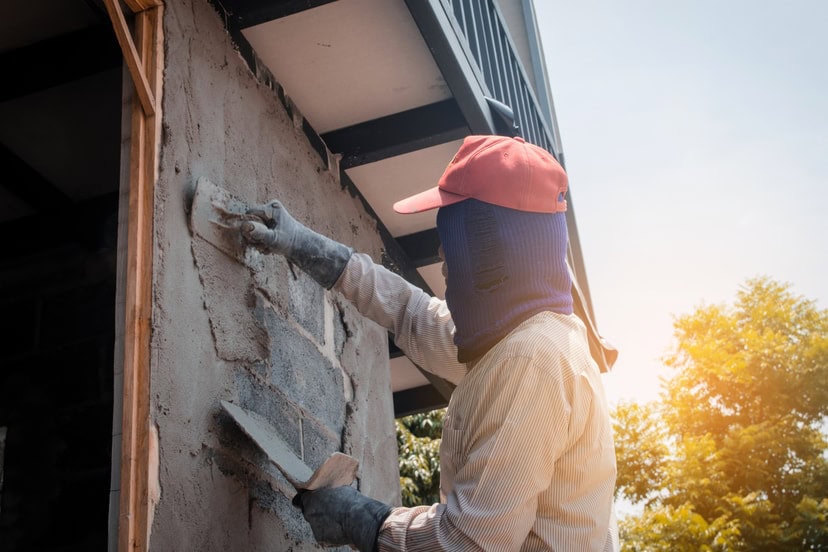
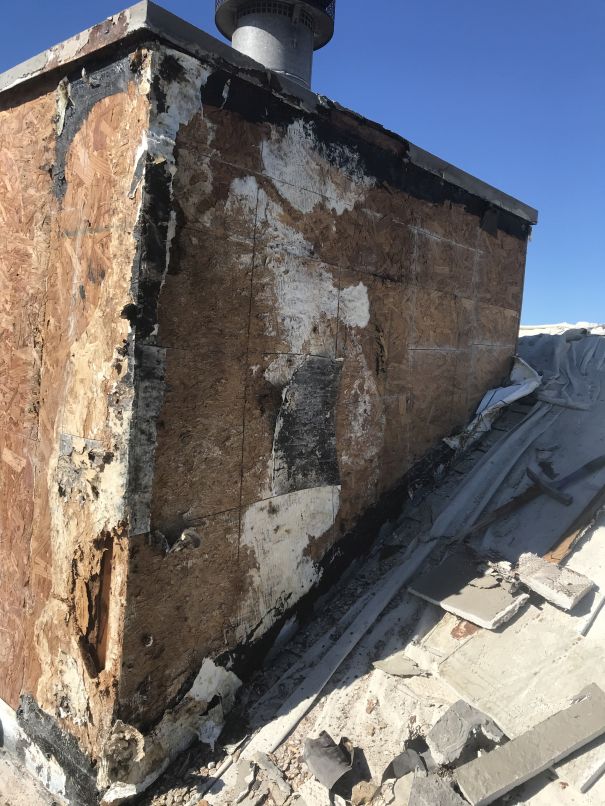
The process starts at the top and works down. We remove the stucco in sections, along with the wire lath and moisture barriers underneath. This exposes the sheathing and framing, which is exactly the point. You need to see what condition your walls are in before you cover them back up.
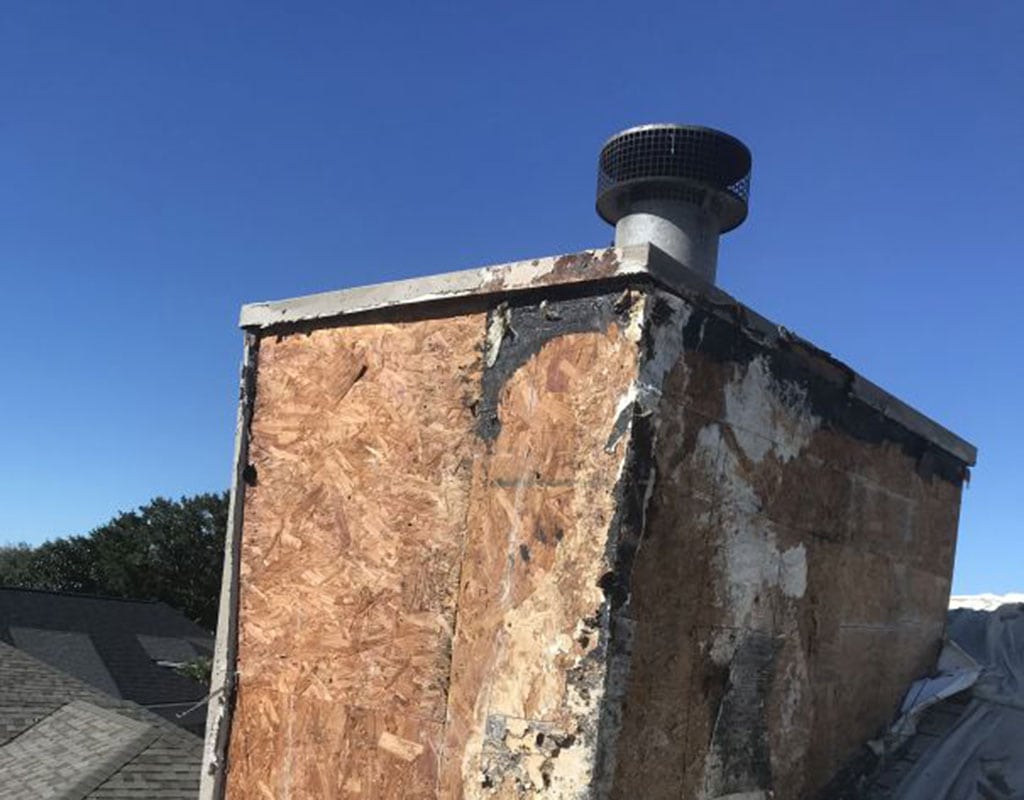
What we find varies. Sometimes the sheathing is fine and you’re looking at a straightforward removal and replacement. Other times, you discover rotted wood, compromised framing, or mold that’s been growing for years. That’s not a worst-case scenario—it’s valuable information that lets you fix real problems instead of covering them up again.
What Stucco Replacement Costs in Orange County
Let’s talk numbers, because cost is probably your biggest question.
Stucco removal typically runs $3 to $10 per square foot just for the removal itself. For an average home in Orange County, FL, you’re looking at $3,000 to $14,000 for removal, with most homeowners spending around $7,000. That’s before you install anything new.
But here’s the context that matters. If you’re spending $1,500 on repairs every couple of years, you’ll hit that removal cost in less than a decade—while still having the same underlying problems. The math shifts dramatically when you factor in ongoing repair costs, potential structural damage, and the impact on your home’s value.
Replacement costs depend entirely on what you choose to install. If you’re going with new stucco, expect $6 to $9 per square foot for materials and labor. For a 2,000 square foot home, that’s $12,000 to $18,000 on top of removal costs. Alternative siding options like fiber cement or vinyl might cost less or more depending on the product and complexity of your home’s architecture.
The wildcard is what’s underneath. If removal reveals extensive rot, mold remediation, or structural repairs, those costs add up. Smart homeowners budget an extra 10% to 20% for unexpected repairs. It’s not pessimism—it’s planning for reality when you’re dealing with a Florida home that’s had moisture issues.
Compare that to ongoing repairs. Patching cracks might cost $400 to $1,500 per incident. But if you’re doing that every 18 to 24 months, and the damage is spreading, you’re spending money on a problem that’s getting worse, not better. At some point, usually when repair costs hit 50% of replacement costs, removal becomes the financially smarter choice.
The other cost people forget is opportunity cost. How much is your peace of mind worth? What’s the value of not worrying every time it rains? How much time have you spent getting quotes, scheduling repairs, and dealing with contractors? Those aren’t line items on an invoice, but they’re real costs that factor into the decision.
Replacing Stucco: Your Options After Removal
Once the old stucco is gone and any underlying damage is repaired, you’re starting fresh. That’s an opportunity most homeowners don’t get without a major renovation.
You can go back with new stucco if you love the look and want that traditional Florida aesthetic. Modern installation techniques and materials are significantly better than what was available 20 or 30 years ago. Proper moisture barriers, better flashing details, and improved stucco formulations mean you’re not just recreating what failed—you’re building it right.
Fiber cement siding has become popular in Central Florida for good reason. It handles our climate well, resists moisture better than stucco, and requires less maintenance. It comes in styles that can mimic stucco texture if you want that look without the same vulnerabilities. The upfront cost is comparable to quality stucco installation, and the long-term maintenance costs are typically lower.
Vinyl siding is the budget-friendly option. It’s not as durable as fiber cement or stucco, but it’s moisture-resistant, low-maintenance, and significantly cheaper. If you’re working with a tight budget or planning to sell within a few years, vinyl might make sense. Just know you’re trading some longevity for lower cost.
Some homeowners use removal as a chance to add insulation. If you’re already exposing the walls, it’s the perfect time to upgrade your home’s energy efficiency. Better insulation means lower cooling costs, which in Florida, adds up quickly.
The decision isn’t just about materials and cost. It’s about how long you plan to stay in the home, what level of maintenance you’re willing to commit to, and what your home’s architecture suits best. A Mediterranean-style home might look odd with vinyl siding. A modern home might benefit from a sleek fiber cement finish.
This is where working with experienced contractors makes a difference. We’ve seen how different materials perform in Central Florida’s climate. We know what works on different home styles in areas like Orlando, Kissimmee, and throughout Orange County. And we can give you realistic expectations about costs, timelines, and long-term performance.
The key is making an informed decision based on your specific situation, not just going with whatever sounds cheapest or easiest in the moment.
Making the Right Choice for Your Orange County Home
Deciding between ongoing repairs and full stucco removal isn’t easy. It involves money, disruption, and uncertainty about what you’ll find behind those walls.
But here’s what you know now: repair works for isolated, surface-level damage. Removal makes sense when problems are extensive, recurring, or showing signs of moisture intrusion. The 50% rule gives you a financial framework. Florida’s climate means stucco faces challenges that don’t exist in other parts of the country. And modern replacement options—whether new stucco, fiber cement, or vinyl—give you choices that might perform better long-term than what you’re replacing.
The right answer depends on your specific home, your budget, and your timeline. What matters most is making a decision based on accurate information about what your home actually needs—not just what sounds less expensive today.
If you’re in Orange County, FL or the Central Florida area and need an honest assessment of your stucco situation, we’ve spent over 20 years helping homeowners navigate exactly these decisions. We’ll tell you if repair makes sense or if stucco removal is the smarter path. No pressure, no upselling—just clear information about what your home needs and what it’ll cost.