That crack near your window—is it normal settling or something worse? The bulge on your second story—cosmetic issue or sign of water damage?
Stucco problems don’t come with instruction manuals. They appear quietly, and in Central Florida’s climate, what looks minor on the surface can hide serious damage behind your walls. Rain doesn’t stop. Humidity doesn’t take breaks. And poor stucco installation gets exposed fast.
You need straight answers about what’s happening with your home’s exterior. This guide walks through the real issues—bulging stucco, different crack types, moisture intrusion, and what proper installation actually looks like. Let’s start with one of the most alarming signs homeowners notice.
Bulging Stucco: What Causes It and Why It’s Urgent
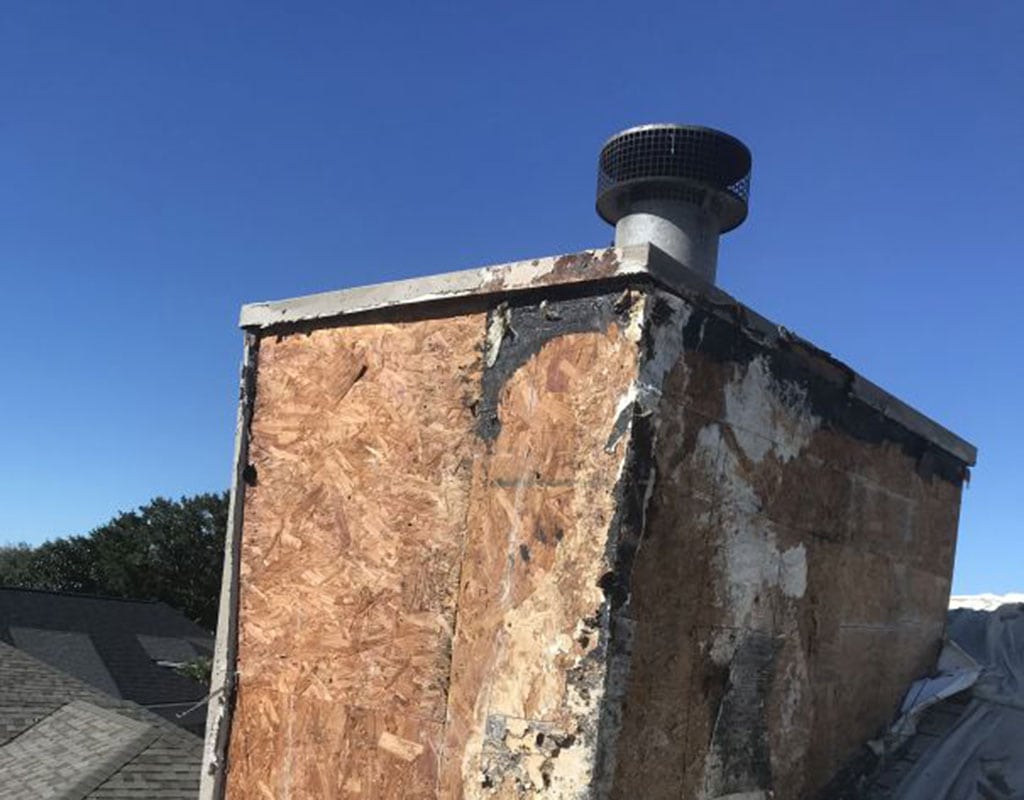
Bulging stucco shows up as a visible bubble or soft spot on your exterior wall. Press on it and it might feel spongy. That’s not a cosmetic flaw—it’s water trapped behind your stucco creating pressure.
The bulge tells you moisture has accumulated where it shouldn’t be. On wood-framed walls (common on second stories in Florida), the wire lath underneath may have failed, causing the stucco to separate from the structure. Either way, water is damaging materials you can’t see, and the clock is ticking.
Why Stucco Bulges in Orange County, FL Homes
Central Florida gets over 50 inches of rain annually. When stucco has cracks or wasn’t sealed properly, that rain finds its way in. High humidity keeps the moisture trapped behind the surface. Pressure builds. The stucco pushes outward, creating the bulge.
But climate doesn’t cause bulging—it exposes installation failures. If the wire lath wasn’t fastened correctly, it can’t support the stucco weight once moisture weakens the bond. Incorrect fasteners corrode in Florida’s humidity, causing lath failure and stucco separation.
Missing or inadequate moisture barriers let water penetrate straight to your sheathing and framing. Florida Building Code requires weather-resistant barriers behind stucco specifically because our climate demands that protection. Skip it or install it wrong, and water intrusion is inevitable.
Your substrate condition matters too. Compromised sheathing can’t support stucco properly. As it weakens from moisture exposure, movement increases, bonds break, and bulging develops. This is especially common in two-story homes with wood framing on the upper level—a design that dominates Central Florida construction.
Foundation settling in Florida’s sandy soil creates stress points. Without proper expansion joints to accommodate natural movement, stress concentrates, cracks form, water enters, and bulging follows. Temperature swings compound the problem—hot days expand materials, cool nights contract them, and the cycle weakens bonds over time.
What Happens If You Ignore Bulging Stucco
Water behind your stucco doesn’t sit idle. It actively damages everything it contacts. Wood sheathing absorbs moisture and begins rotting. Framing components weaken. What started as a visible bulge becomes a structural problem.
Mold grows in dark, damp spaces. Behind that bulge, conditions are perfect for colonization. Mold spreads through insulation, into wall cavities, potentially into your home’s interior. Health risks aside, remediation adds thousands to repair costs.
The stucco itself will fail. Wet stucco loses integrity and eventually breaks away in sheets. Once you reach that point, you’re replacing entire sections, not repairing targeted areas. The damage spreads too—water migrates through wall systems, compromising adjacent areas.
Early intervention costs a fraction of delayed response. Address bulging stucco now and you’re fixing the moisture source, replacing damaged sections, and reinstalling properly. Wait, and you’re replacing sheathing, framing, dealing with mold, and potentially facing structural repairs running into tens of thousands.
Professional inspection reveals what you can’t see. Opening up a bulging section often uncovers more extensive damage than the surface suggests. You need someone who can assess the full extent, identify the failure point, and address root causes rather than patch symptoms.
Florida’s legal timelines add urgency. The statute of limitations gives you four years from discovering a defect to act. The statute of repose limits claims to seven to ten years from occupancy. If improper stucco installation caused your bulging, delays could cost you legal options for recovery.
Cracks in Exterior Stucco: Normal vs. Warning Signs
Stucco cracks. It’s a cement-based material, and some cracking during curing and settling is expected. But “expected” doesn’t mean “ignore it,” especially in Florida’s climate where even small cracks let moisture in.
The question isn’t whether you have cracks—it’s which type you have, where they’re located, and what they indicate about your stucco installation quality. Size, pattern, and location all matter.
Are Cracks in Stucco Normal? What Florida Homeowners Should Know
Hairline cracks under 1/16 inch? Common, especially in the first year. Stucco cures over time. New homes settle. These processes create minor cracks that don’t necessarily signal problems. They’re part of how stucco behaves as a material.
Florida’s climate makes some cracking almost unavoidable. Temperature swings—hot days, cooler nights—cause expansion and contraction. Humidity allows stucco to absorb moisture from air, creating stress. Over time, micro-cracks develop. This is reality for stucco in Central Florida.
But here’s the catch: even hairline cracks let water in. With frequent afternoon thunderstorms and high annual rainfall, those small openings become pathways for moisture. Once water gets behind stucco, crack size doesn’t matter—damage starts regardless.
Smart maintenance means sealing hairline cracks before rainy season. You’re not fixing a defect; you’re preventing one. High-quality caulk, properly applied and textured to blend, stops minor cracks from becoming major problems. This is basic upkeep for Florida stucco homes.
Cracks wider than 1/16 inch move into concerning territory. These suggest more than normal settling—foundation movement, installation problems, or structural issues. They allow significant water intrusion and need professional assessment to determine causes.
Location changes the equation. Cracks around windows and doors, at corners, or following stair-step patterns along mortar lines indicate foundation settling or structural movement. These aren’t normal aging. They’re symptoms requiring professional evaluation.
Pattern reveals causes. Spider web cracks mean the stucco dried too fast during installation or was improperly mixed. Cross-pattern cracks suggest incorrect lath installation. Horizontal or vertical cracks running along walls point to substrate movement or foundation problems.
How Quality Stucco Installation Prevents Cracking Problems
The difference between stucco that develops minor, manageable cracks and stucco that fails comes down to installation. Florida Building Code specifies requirements because they work—when contractors follow them.
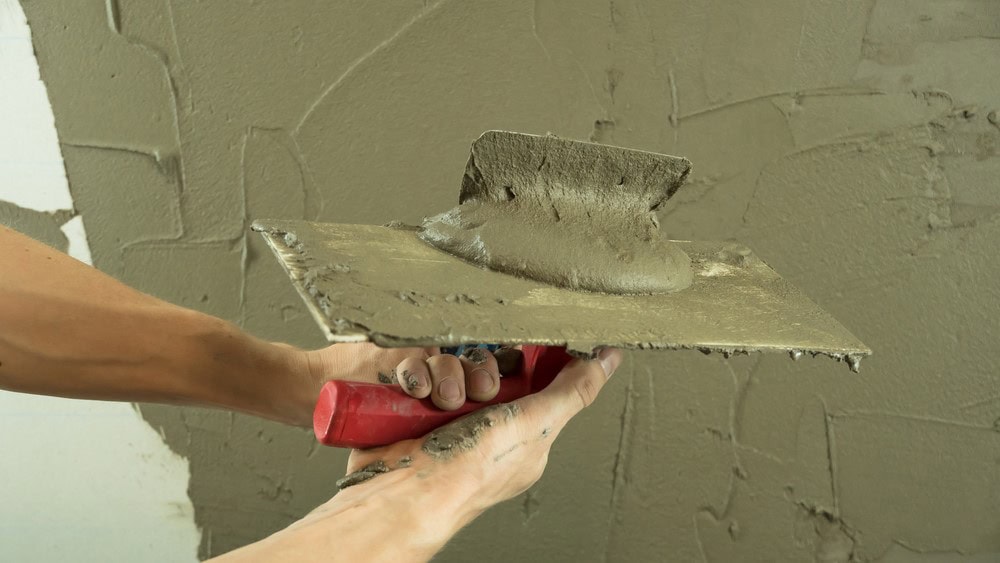
Thickness requirements exist for good reason. Code mandates 7/8 inch total thickness over wood framing, applied in three coats. Scratch coat (3/8″) bonds to lath. Brown coat (3/8″) builds strength. Finish coat (1/8″) provides texture and appearance. Each layer serves a specific purpose.
Thin stucco—common during Florida’s construction booms—lacks strength to resist normal stress. It’s vulnerable to impact damage. It provides inadequate moisture protection. Contractors who cut corners on thickness create homes destined for premature failure.
Curing time between coats is critical. Rush the process and you create weak bonds between layers. The stucco shrinks unevenly as it dries, building internal stress that shows up as cracks. Florida updated building code requirements for curing times specifically because rushed installation was creating widespread problems.
Lath installation provides the foundation for everything else. Metal lath needs correct fasteners, proper spacing, adequate coverage. Skimp on fasteners and the lath can’t support the stucco. Use wrong fasteners and they corrode in Florida’s humidity, causing failure. Either way, you get separation, cracking, and bulging.
Moisture barriers protect what’s behind the stucco. Two layers of weather-resistant barrier paper, properly lapped and sealed, prevent water that penetrates stucco from reaching wood components. Without proper barriers, even small cracks become entry points for destructive moisture.
Surface preparation sets up success or failure. The substrate must be clean, dry, and structurally sound before stucco installation. Compromised sheathing needs replacement, not covering up. Proper flashing around windows, doors, and penetrations directs water away from vulnerable areas. Weep screeds at foundation level allow moisture drainage rather than accumulation.
Mix quality affects long-term performance. Proper proportions, quality materials, consistent batches—these details matter. Variations create weak spots. Poor materials lack durability for Florida’s climate stress.
Weather during application impacts results. Extreme heat causes too-fast drying and shrinkage cracks. Rain before curing washes out the mix. Professional stucco installation means scheduling work during appropriate weather windows and protecting fresh stucco during curing.
Getting Stucco Installation Right in Central Florida
Stucco performs well in Florida’s demanding climate when installed correctly. The homes experiencing cracking, bulging, and water damage share common threads—shortcuts during installation or repairs that addressed symptoms instead of causes.
You don’t need to become an expert in stucco installation. You need to recognize warning signs early, understand what questions to ask, and work with contractors who prioritize doing it right over doing it fast. Quality stucco installation costs more upfront than cut-rate work, but it’s the difference between an exterior that protects your home for decades and one creating expensive problems within years.
If you’re seeing bulging stucco, cracks wider than hairline, water stains, or signs that moisture is penetrating your exterior, don’t wait for mold or structural damage to force action. We bring over 20 years of experience handling Central Florida’s unique stucco challenges, with the expertise to identify what’s happening behind what you see and the skill to fix it properly the first time.