Stucco Installation in Winter Haven, FL
Built for the Lakes. Built to Last Decades.
Hear from Our Customers
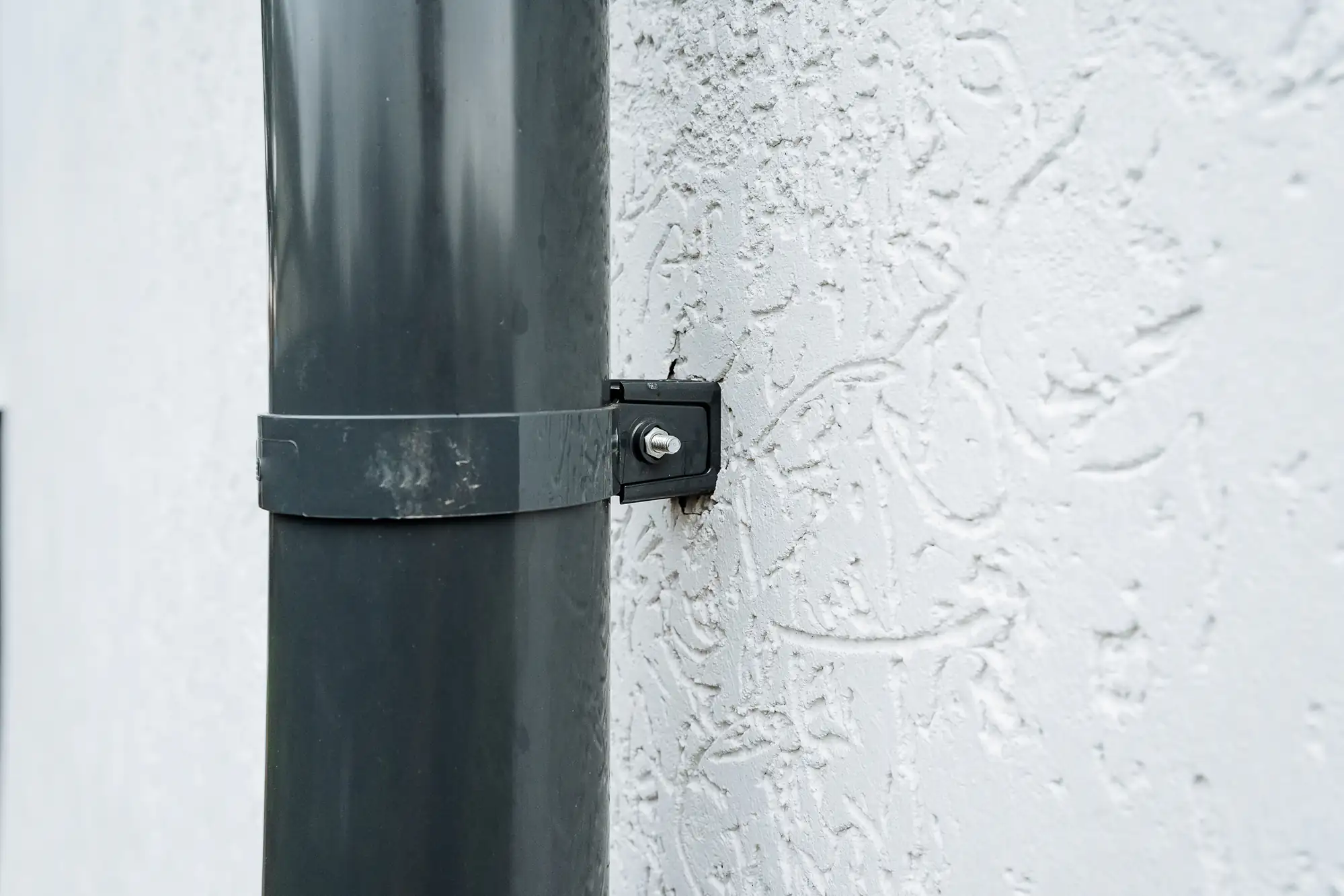
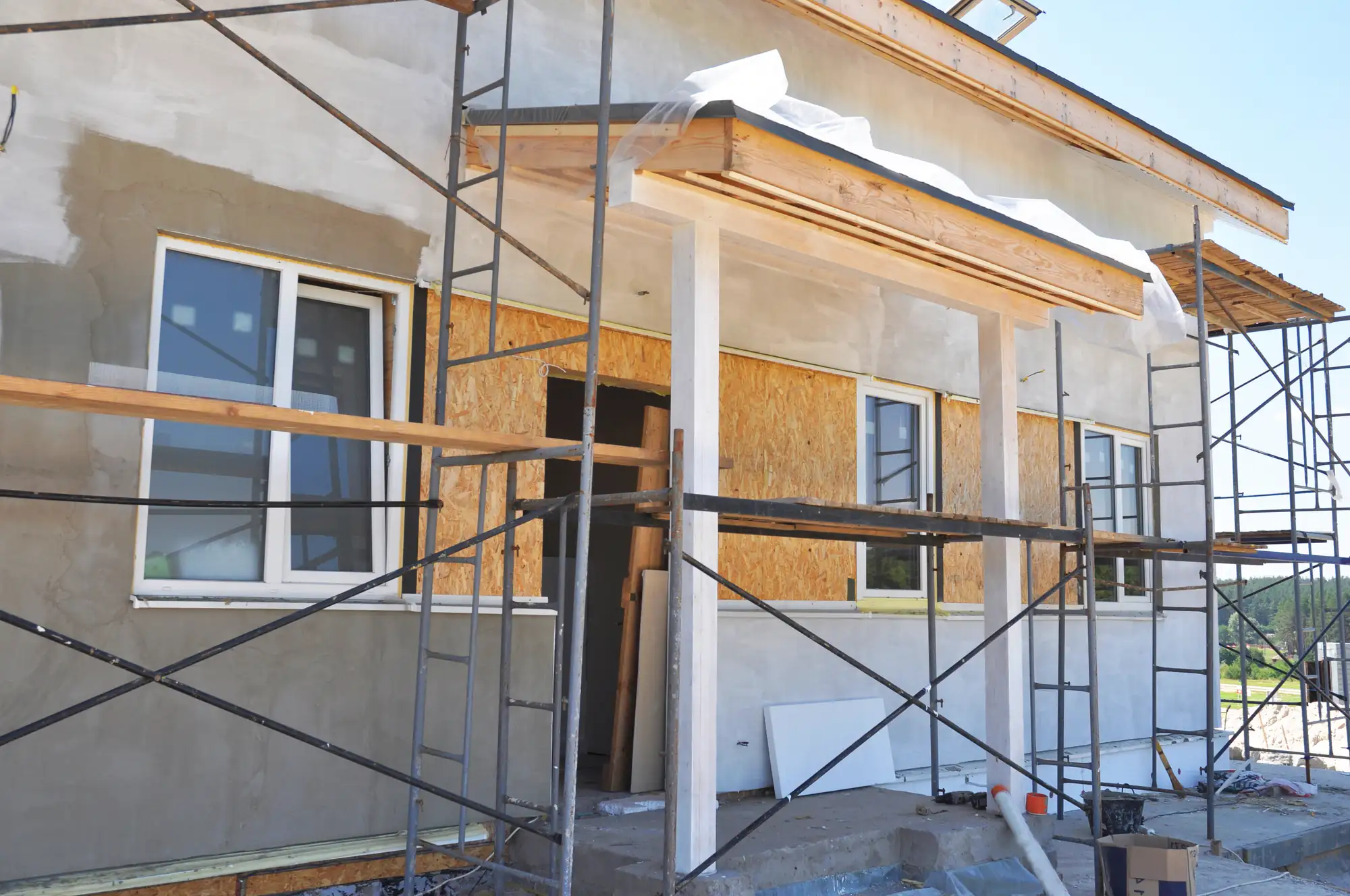
Hardcoat Stucco Winter Haven, FL
When stucco is installed correctly — with the right moisture barrier, the right lath, and the right curing time — it doesn’t just look good. It stops water from getting behind your walls, keeps mold from taking hold, and holds up through years of Florida’s summer rainy season without cracking, peeling, or pulling away from the substrate.
For homeowners near Winter Haven’s Chain of Lakes, that matters more than most people realize. Properties close to Lake Shipp, Lake Lulu, or any of the 24 connected lakes deal with humidity cycling that never really stops — surfaces absorbing moisture at night and baking dry under UV during the day. That cycle is relentless, and it will find every weak point in a stucco system that wasn’t installed with it in mind.
The difference between a system that lasts 50 years and one that starts failing in five usually comes down to what happened before the finish coat went on. The moisture barrier. The weep screed. The flashing around every window and door. These aren’t upsells — they’re the reason the wall holds up. When they’re done right, you get an exterior that protects your home’s value, keeps your energy bills lower, and doesn’t need to be touched again for a generation.
Licensed Stucco Contractor Winter Haven, FL
We’ve been working in Winter Haven and the Central Florida market for over two decades — through hurricane seasons, code updates, and every variation of subtropical weather this region throws at a building. Our team is led by Barry Buckelew, who visits job sites personally, stays reachable by phone and text throughout every project, and doesn’t hand you off to someone who wasn’t part of the original conversation.
What separates us from a lot of contractors in the Polk County market is where our knowledge comes from. Our background in foundation repair means we think about moisture at a systems level — not just how to apply a finish coat, but how water actually moves through a wall and where it causes damage before you ever see a crack. That perspective shows up in how we install, not just in how we quote.
We’ve worked on aging lakefront homes in North Winter Haven, newer construction along Cypress Gardens Boulevard, and everything in between. A+ rated with the Better Business Bureau, licensed, insured, and backed by a written warranty on every job.
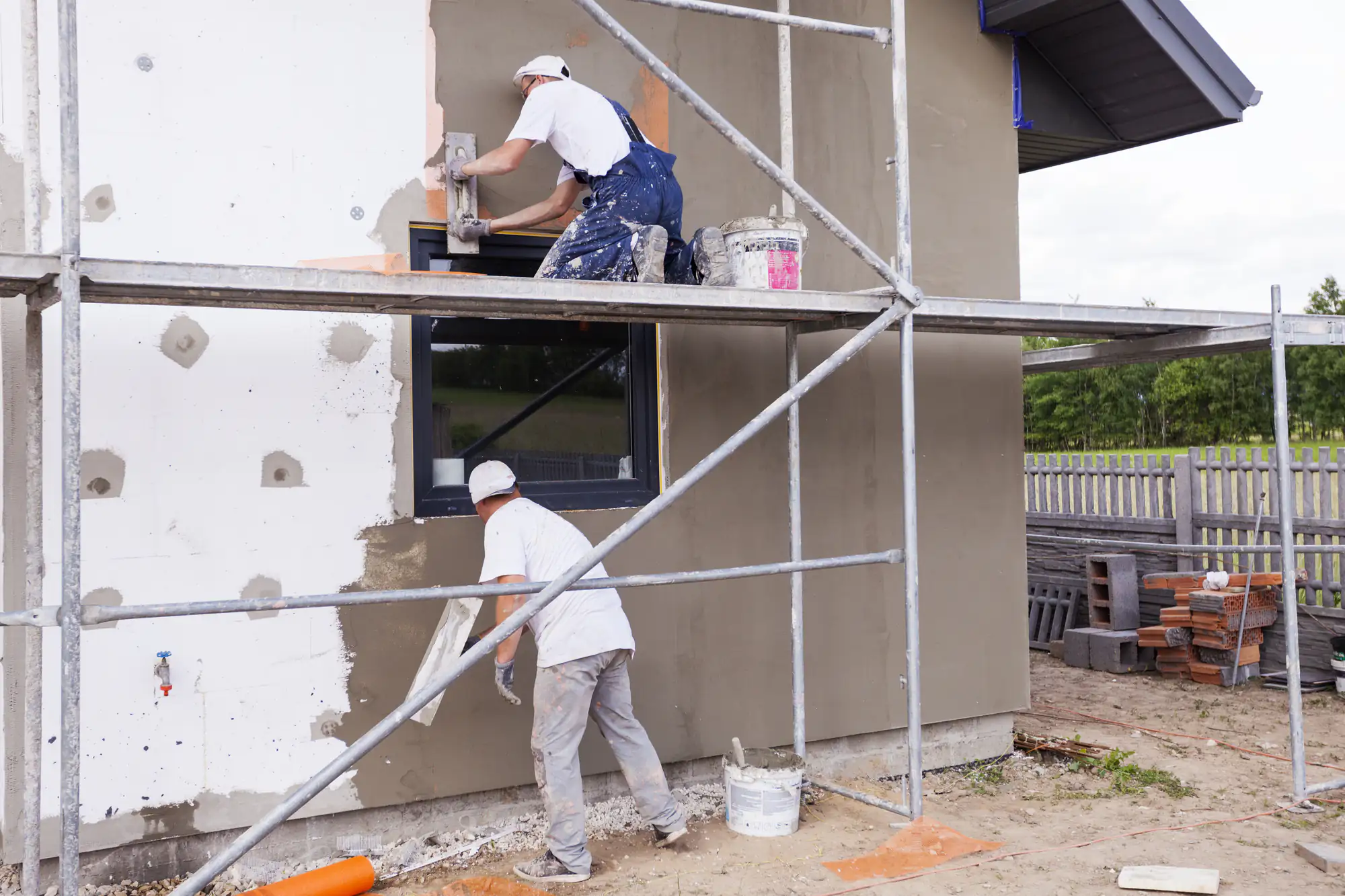
Stucco Installation Process Winter Haven, FL
It starts with a site visit and a written, itemized estimate. Not a ballpark. Not a “call us and we’ll figure it out.” You get a breakdown of exactly what’s included — materials, labor, moisture barrier work, lath installation, and finish coats — so you can compare it against any other bid you’re getting and see what’s actually in each one.
Once the job starts, the first priority is prep. That means inspecting the substrate, addressing any existing moisture damage, and making sure the moisture barrier and lath are installed correctly before a single coat of stucco goes on. For homes near Winter Haven’s Chain of Lakes, this step gets extra attention — lake-adjacent properties have higher ambient humidity year-round, which affects how each coat cures and how long the system needs before the next layer is applied. Rushing this is how stucco fails prematurely, and it’s not something we do.
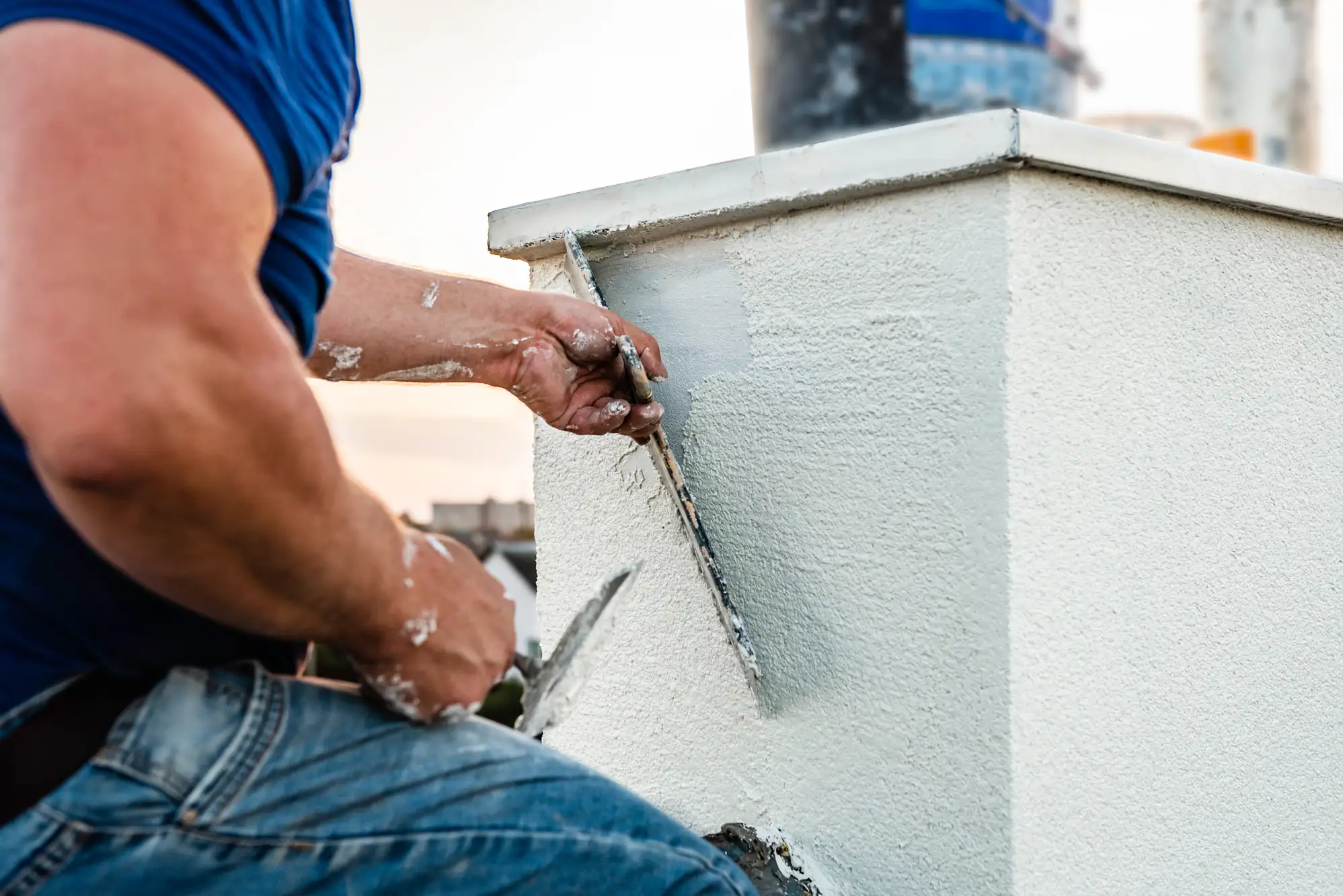
From there, it’s the three-coat application — scratch coat, brown coat, finish coat — with proper curing time between each layer. The Florida Building Code specifies those intervals for a reason, and we follow them. After the final coat, you’ll get a walkthrough before anything is signed off. If the texture doesn’t match or something isn’t right, we fix it before the crew leaves.
Ready to get started?
EIFS and Cement Finish Winter Haven, FL
We install hardcoat stucco, EIFS systems, and acrylic finish systems — and the right choice depends on your specific home, not a default recommendation. Hardcoat is the traditional three-coat cement stucco system and is the most common choice for masonry block construction, which makes up a significant portion of Winter Haven’s housing stock. EIFS adds a layer of rigid foam insulation beneath the finish, which is worth a real conversation for homeowners in newer construction communities like Chestnut Creek or VillaMar where energy efficiency is a priority. Acrylic systems offer flexibility and are often the right call for repair and re-coat work on older homes.
Every installation includes moisture barrier installation, lath work where required, weep screeds, and flashing around all penetrations — windows, doors, utility entries. These aren’t optional line items. Under the Florida Building Code, they’re required, and any bid that doesn’t include them is either leaving them out or leaving them off the quote. Polk County and the City of Winter Haven both require permits for stucco installation, and we handle the process with licensed, code-compliant work that passes inspection.
The full scope also covers waterproofing at vulnerable transitions and elastomeric coatings where the finish needs added protection — particularly relevant for lakefront properties in Winter Haven where exterior surfaces face more sustained moisture exposure than inland Polk County homes. One contractor, one warranty, no gaps between trades.
How does living near Winter Haven's Chain of Lakes affect my stucco?
It’s one of the most important questions a Winter Haven homeowner can ask before hiring a stucco contractor, and most contractors won’t bring it up on their own. Properties near Winter Haven’s Chain of Lakes — whether you’re on Lake Shipp, Lake Howard, or anywhere along the connected canal system — experience elevated humidity cycling that inland homes don’t deal with at the same intensity. Surfaces absorb moisture overnight when lake air settles, then dry rapidly under UV during the day. Over time, that cycle creates stress on any exterior system that wasn’t installed with proper drainage and moisture management built in.
What that means practically is that the moisture barrier behind your stucco, the weep screed at the base of the wall, and the flashing around every window and door are not optional details on a lakefront property — they’re load-bearing elements of the system. A contractor who skips or shortcuts those components on a lake-adjacent home in Winter Haven is setting you up for failure within a few seasons. Our background in building envelope science means we approach every lakefront installation in Winter Haven with those conditions already accounted for, not as an afterthought.
What does stucco installation actually cost for a home in Winter Haven?
For a typical single-family home in Winter Haven, new stucco installation generally runs between $8 and $12 per square foot for a standard three-coat hardcoat system, depending on the size of the home, the condition of the substrate, and what prep work is needed before the first coat goes on. Homes with existing moisture damage, deteriorated lath, or missing moisture barriers will carry additional costs to address those issues properly before new stucco is applied. EIFS systems and acrylic finishes have their own pricing variables, so the most useful thing you can do is get a written, itemized estimate that breaks down each component.
What’s worth understanding is that the cheapest bid in a market with roughly 37 stucco contractors competing for Polk County work is usually cheap for a reason. If a quote doesn’t include a moisture barrier line item, or doesn’t address the substrate condition, or skips the permit — that’s where the savings are coming from. With median home values in Winter Haven sitting around $275,000 to $309,000, the stucco system protecting that investment deserves a real budget and a contractor who can explain exactly what they’re installing and why.
Do I need a permit for stucco installation in Winter Haven, FL?
Yes. Stucco installation in Winter Haven requires a permit, whether your property falls within city limits — where the City of Winter Haven Building Department handles permitting — or in unincorporated Polk County, where Polk County Building and Permitting oversees the process. Under Florida Statute 489, stucco installation is classified as construction work and must be performed by a licensed contractor. You can verify any contractor’s license through the Florida Department of Business and Professional Regulation at MyFloridaLicense.com before signing anything.
The permit process isn’t just paperwork. It triggers inspection checkpoints that verify the work meets Florida Building Code requirements — including the moisture barrier, weep screeds, and flashing details that are legally required, not optional. If a contractor tells you a permit isn’t necessary or suggests skipping it to save time or money, that’s a red flag. Work done without required permits can create problems when you sell the home, void your homeowner’s insurance in some cases, and leave you with no recourse if the installation fails. A licensed contractor who knows the code will pull the permit and pass inspection without issue.
How long does stucco installation take from start to finish?
The physical installation of a three-coat hardcoat stucco system typically takes one to two weeks for a standard single-family home, depending on the size of the project and what prep work is needed. But the full timeline from start to painted finish is longer than most homeowners expect, and that’s not a contractor problem — it’s a chemistry problem. New stucco needs 28 to 60 days to cure properly before it can be painted. Painting too early causes adhesion failures that show up as peeling or bubbling, and they’re not covered under most paint warranties because the root cause is installation timing, not paint quality.
In Winter Haven, that curing window can be affected by ambient humidity — especially for properties near the Chain of Lakes where surfaces stay damp longer than inland homes. The best time of year to schedule new stucco installation in Winter Haven is November through March, during the dry season, when humidity drops and afternoon thunderstorms aren’t a daily occurrence. Summer installations aren’t impossible, but they require more careful moisture monitoring between coats and a realistic conversation about timeline. We communicate all of this upfront so there are no surprises mid-project.
What's the difference between hardcoat stucco and EIFS, and which is right for my home?
Hardcoat stucco is a traditional three-coat cement-based system applied directly over masonry block or metal lath. It’s dense, durable, and the most common system used on Florida homes — particularly the masonry block construction that makes up a large portion of Winter Haven’s housing stock, from mid-century lakefront homes in the northern neighborhoods to newer builds along the US 27 corridor near LEGOLAND. It’s a proven system in Florida’s climate when installed with proper moisture management, and it can last 50 to 100 years done right.
EIFS — Exterior Insulation and Finish Systems — adds a layer of rigid foam insulation beneath the stucco finish, which improves energy efficiency and can meaningfully reduce cooling costs in Central Florida’s climate. It’s a strong option for newer construction in communities like Chestnut Creek or VillaMar where energy performance is a priority, and it’s the fastest-growing segment in the stucco market for exactly that reason. The tradeoff is that EIFS requires more precise installation to manage moisture correctly — it’s not more forgiving than hardcoat, it’s just different. The right choice depends on your home’s construction type, your goals, and your budget, which is exactly the kind of conversation we have with every homeowner before recommending a system.
How do I know if my stucco cracks are cosmetic or something more serious?
This is one of the most common questions homeowners in Winter Haven ask, and the honest answer is that you can’t always tell from the surface alone. Hairline cracks — thin, shallow lines that don’t follow a pattern — are usually cosmetic and result from normal thermal expansion and contraction. Florida’s heat cycles cause exterior materials to expand and contract daily, and fine surface cracking is a normal part of aging stucco. These can typically be addressed with elastomeric caulk and a fresh coat of elastomeric paint without replacing the system.
Cracks that are wider than a credit card’s thickness, cracks that run diagonally from window or door corners, stucco that sounds hollow when you tap it, or any area where the surface is soft or spongy to the touch — those are different conversations. They often indicate that water has already gotten behind the stucco and compromised the lath or the substrate beneath. In Winter Haven, where home inspectors consistently flag moisture intrusion and wood rot as among the most common issues found in local properties, this isn’t a hypothetical scenario. It’s something we see regularly on older homes in North Winter Haven and on properties near the lakes where moisture exposure has been sustained over years. Getting an honest assessment before deciding between repair and full replacement is the right first step, and it’s exactly what the site visit and written estimate process is designed to give you.
Other Services we provide in Winter Haven