You’ve noticed the signs. Maybe it’s a musty smell that won’t go away, damp spots on your foundation walls, or actual water pooling after heavy rain. In Orange County, FL, where the water table sits just feet below ground and tropical storms roll through every summer, moisture problems don’t fix themselves. They get worse. The question isn’t whether you need a waterproofing system—it’s which one will actually hold up against Florida’s climate. Not every solution works the same here, and understanding the difference between a system that manages water versus one that just covers it up could save you thousands in future repairs. Let’s talk about what actually protects your foundation.
How Basement Waterproofing Systems Work
A real waterproofing system doesn’t just seal cracks or paint over moisture. It manages water at multiple points—before it reaches your foundation, as it tries to enter, and if it gets through. Think of it as layers of defense working together.
The most effective systems combine three core components: drainage to redirect water away from your foundation, barriers to block moisture from entering through walls and floors, and removal systems like sump pumps to evacuate any water that makes it inside. Each piece handles a specific job, and when one fails, the others keep working.
In Central Florida, where groundwater pressure builds during rainy season and humidity stays high year-round, you need all three working together. A system designed for a dry climate won’t cut it here.
Interior Drainage Systems and How They Protect Your Foundation
Interior drainage runs along the inside perimeter of your basement or crawl space floor, right where the wall meets the slab. It’s designed to catch water before it spreads across your floor or soaks into your walls.
The most common setup uses a perforated pipe installed in a gravel-filled trench around your foundation’s interior. As water seeps through the concrete or rises from below due to hydrostatic pressure, it flows into the pipe instead of pooling in your space. The pipe channels everything to a collection point—usually a sump pump pit—where it gets pumped outside, away from your home.
What makes interior systems effective in Florida is how they handle constant moisture. Unlike northern climates where water intrusion happens seasonally, Central Florida deals with year-round humidity, sudden downpours, and a water table that fluctuates with every storm. Interior drainage doesn’t try to stop water from existing around your foundation—it accepts that water will always be there and gives it a controlled path out.
Installation involves cutting a narrow channel in your basement floor along the perimeter, laying the drainage pipe, backfilling with gravel for filtration, and connecting everything to your sump system. The floor gets restored flush, so you’re not left with gaps that collect debris. When done right, the system is maintenance-free and self-cleaning, handling water automatically without you thinking about it.
One thing to understand: interior drainage doesn’t waterproof your foundation from the outside. It manages water after it’s already reached your walls. For comprehensive protection, especially in areas with high water tables like Orange County, FL, you’ll want this paired with other moisture control methods.
Dry Basement Systems: Sump Pumps and Moisture Removal
Your drainage system collects water, but it needs somewhere to go. That’s where sump pumps come in. A sump pump sits in a pit at the lowest point of your basement, and when water fills the pit to a certain level, the pump kicks on and pushes it outside through a discharge pipe.
Not all sump pumps are built the same. You’ve got submersible models that sit inside the pit—quieter and longer-lasting but pricier. Then there are pedestal pumps that sit above the pit—cheaper and easier to service but louder and less durable. For Florida homes dealing with frequent rain and potential power outages during storms, a submersible pump with a battery backup makes sense.
The backup matters more than you’d think. When a tropical storm knocks out power, that’s exactly when you need your pump working. A battery backup system keeps pumping even when the grid goes down, protecting your basement when it’s most vulnerable.
Beyond the pump itself, the discharge line needs to route water far enough from your foundation that it doesn’t just recycle back into your drainage system. In Orange County, where soil drains slowly and yards can be flat, this means running the line to a storm drain, dry well, or sloped area at least 10 to 15 feet from your home.
Sump pumps also need regular testing. Float switches can stick, discharge lines can freeze (rare in Florida but possible), and sediment can build up in the pit. A well-installed system includes an alarm that alerts you if water rises too high, giving you time to address issues before flooding happens.
Pair your sump pump with a dehumidifier, and you’ve got a complete moisture removal system. Even with good drainage, Florida’s humidity can keep your basement damp. A high-performance dehumidifier pulls moisture from the air, preventing mold growth and that musty smell that signals trouble.
Waterproofing Solutions: Vapor Barriers and Membrane Systems
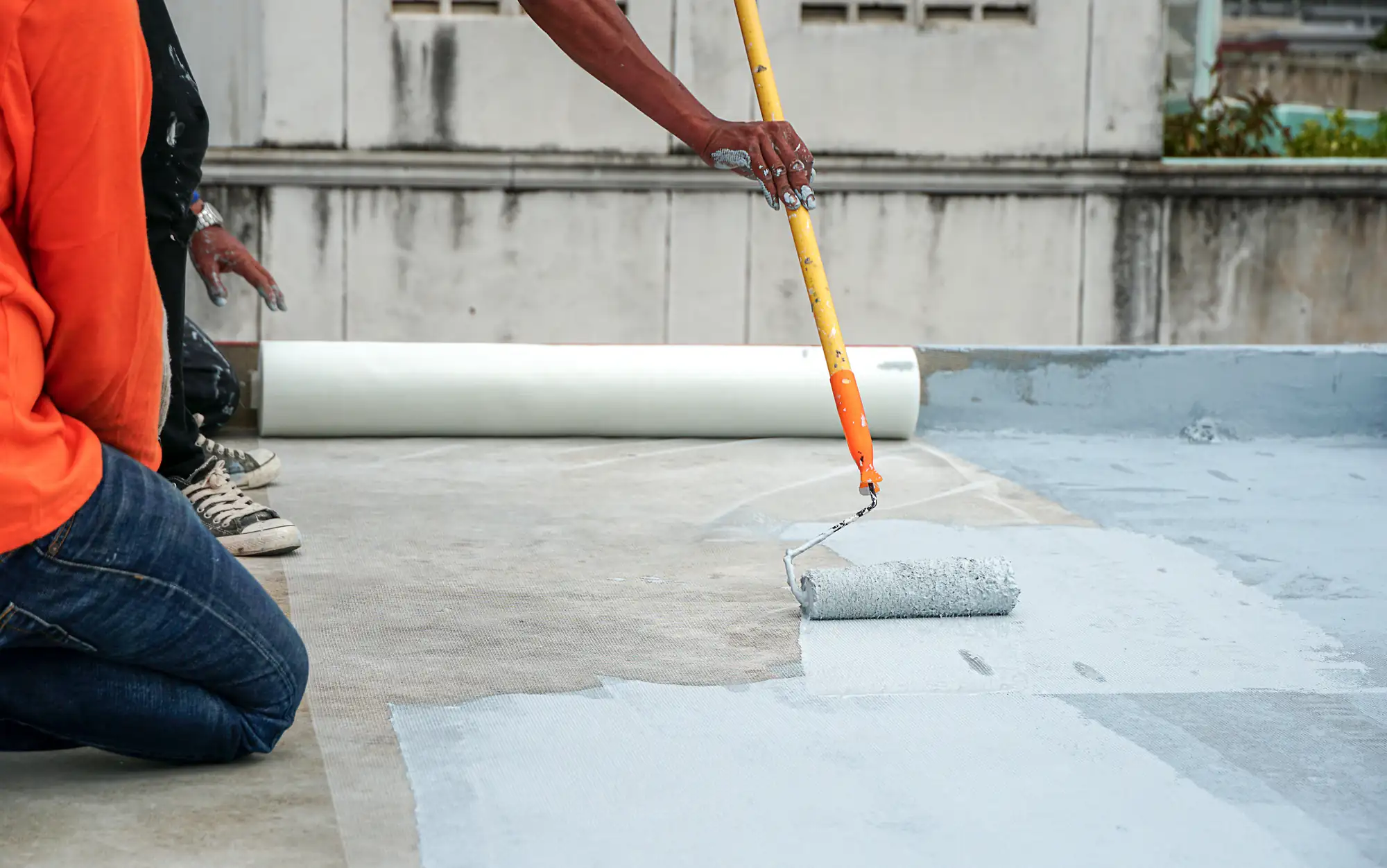
Drainage handles bulk water, but vapor and moisture still seep through porous concrete. That’s where vapor barriers and waterproof membranes come in—they create a physical shield between your foundation and the moisture trying to get through.
Vapor barriers are thick plastic sheets installed on your basement walls. They don’t absorb water, and they don’t let moisture pass through. Any water that seeps through your concrete hits the barrier and runs down into your drainage system instead of spreading across your walls or evaporating into your basement air.
The key is installation. A barrier that’s poorly attached or has gaps won’t do much. Professional installation means the barrier is mechanically fastened to your walls—not glued or taped—and tucked into your drainage system so water has a clear path out. Quality barriers are also mold-resistant and durable enough to last decades without peeling, cracking, or losing effectiveness.
Exterior vs Interior Waterproofing: Which Works Better in Florida
Exterior waterproofing means digging around your entire foundation, applying a waterproof membrane to the outside walls, installing drainage at the footing level, and backfilling everything. It stops water before it ever touches your foundation. Sounds ideal, right?
In theory, yes. In practice, exterior waterproofing in Florida comes with challenges. The high water table means you’re often digging into saturated soil. Landscaping gets destroyed. Costs run $15,000 to $35,000 for most homes. And if your home is older or has settled, you might uncover foundation issues that need repair before waterproofing can even happen.
Interior waterproofing costs less, installs faster, and works just as effectively for most situations. It doesn’t stop water from reaching your foundation, but it manages water once it arrives—and in a climate where moisture is constant, management is what matters. You’re not trying to keep Florida dry. You’re controlling where water goes when it shows up.
For homes with severe water intrusion—water actively pouring through walls during every rain—exterior work might be necessary. But for the majority of Central Florida properties dealing with dampness, seepage, or periodic flooding, an interior system with drainage, sump pumps, and vapor barriers handles the problem at a fraction of the cost and disruption.
The best approach? Start interior. If that doesn’t solve it, then consider exterior options. Most homeowners find interior systems are all they need.
Professional Installation: Why It Matters for Long-Term Performance
You can buy waterproofing materials at any hardware store. But buying the materials and installing a system that actually works are two very different things.
Professional installation means understanding how water moves through your specific foundation, where pressure builds, and how to route drainage so it doesn’t clog or back up. It means knowing which pump size matches your water volume, how deep to dig drainage channels, and how to seal vapor barriers so they don’t just shift or tear over time.
In Florida, it also means understanding soil conditions, water table depth, and how tropical storms affect hydrostatic pressure. A system installed without accounting for these factors might work fine in normal conditions and fail completely when you need it most—during a heavy storm.
Proper installation also protects your warranty. Most manufacturers only honor warranties if their products are installed to specification by certified professionals. DIY or cut-rate installations void that coverage, leaving you on the hook if something fails.
Beyond the technical side, professional crews know how to minimize disruption. They protect your property, clean up after the job, and restore your basement floor so it looks finished—not like a construction zone. The difference between a clean, professional install and a sloppy one shows up immediately and lasts for years.
At CF Stucco and Painting, we bring over 20 years of experience to every waterproofing project in Orange County, FL. We understand Central Florida’s climate challenges and install systems built to handle high water tables, heavy rainfall, and the moisture conditions that make this region unique. Our professional preparation work and high-standard completion mean your system is installed right the first time, with the performance and longevity you’re paying for.
Protecting Your Home with the Right Waterproofing System
Water damage doesn’t announce itself with a flood. It starts small—a damp spot, a musty smell, a crack you didn’t notice before. By the time it’s obvious, you’re looking at mold remediation, foundation repairs, or worse. The right waterproofing system stops that progression before it starts.
In Orange County, FL, where water is a constant presence, your system needs to be built for the climate. Interior drainage to manage seepage, sump pumps to remove water, vapor barriers to block moisture, and professional installation to make sure it all works together. That’s what keeps your basement dry, your foundation stable, and your home protected.
If you’re dealing with moisture issues or want to prevent them before they start, we can help. We serve the Orlando, Kissimmee, and Central Florida area with waterproofing solutions designed specifically for the region’s challenges.