Exterior Painting Contractor in Hunters Creek, FL
Paint That Actually Survives Florida's Climate
Hear from Our Customers
Exterior Painters Near Me in Hunters Creek
You’re tired of watching your paint fade, peel, or develop mildew within a few years. That’s what happens when house painters near me use standard products or skip proper prep in Florida’s demanding climate.
Here’s what changes when the work is done right. Your home stays protected from moisture intrusion that leads to rot and structural damage. You’re not repainting every three years because the wrong coating was applied or surface prep was rushed. Your exterior looks sharp, your property value holds, and you’re not dealing with surprise failures during the next rainy season.
The difference comes down to using acrylic latex paints designed for breathability and UV resistance, applying elastomeric coatings where moisture is an issue, and actually preparing surfaces so the paint bonds properly. When exterior painting contractors near me understand Florida’s specific challenges—high humidity, intense sun, frequent storms—you get results that last seven to ten years instead of failing early.
Exterior Home Painter Near Me
We’ve spent over 20 years working on Central Florida homes, learning what holds up and what fails in this climate. That background includes foundation repair work, which means we understand how moisture moves through structures and where exterior coatings need to perform under stress.
Hunters Creek homeowners deal with specific challenges—homes built in the late ’90s and early 2000s with stucco exteriors, high humidity year-round, and intense afternoon sun that breaks down inferior paint fast. The median home value here sits around $426,000, and you’re not looking to repaint every few years because someone cut corners.
We work across Orange, Osceola, Seminole, Volusia, Brevard, and Lake Counties. Our crews show up when scheduled, communicate clearly throughout the job, and leave your property clean. You’ll get a realistic timeline upfront and a finish that actually protects your home.
Exterior Painting Companies Near Me
First, we assess your exterior to identify any moisture issues, surface damage, or prep requirements. Florida homes often have mildew growth, chalking from UV exposure, or areas where previous paint is failing. We don’t just paint over problems—we address them so the new coating actually adheres and performs.
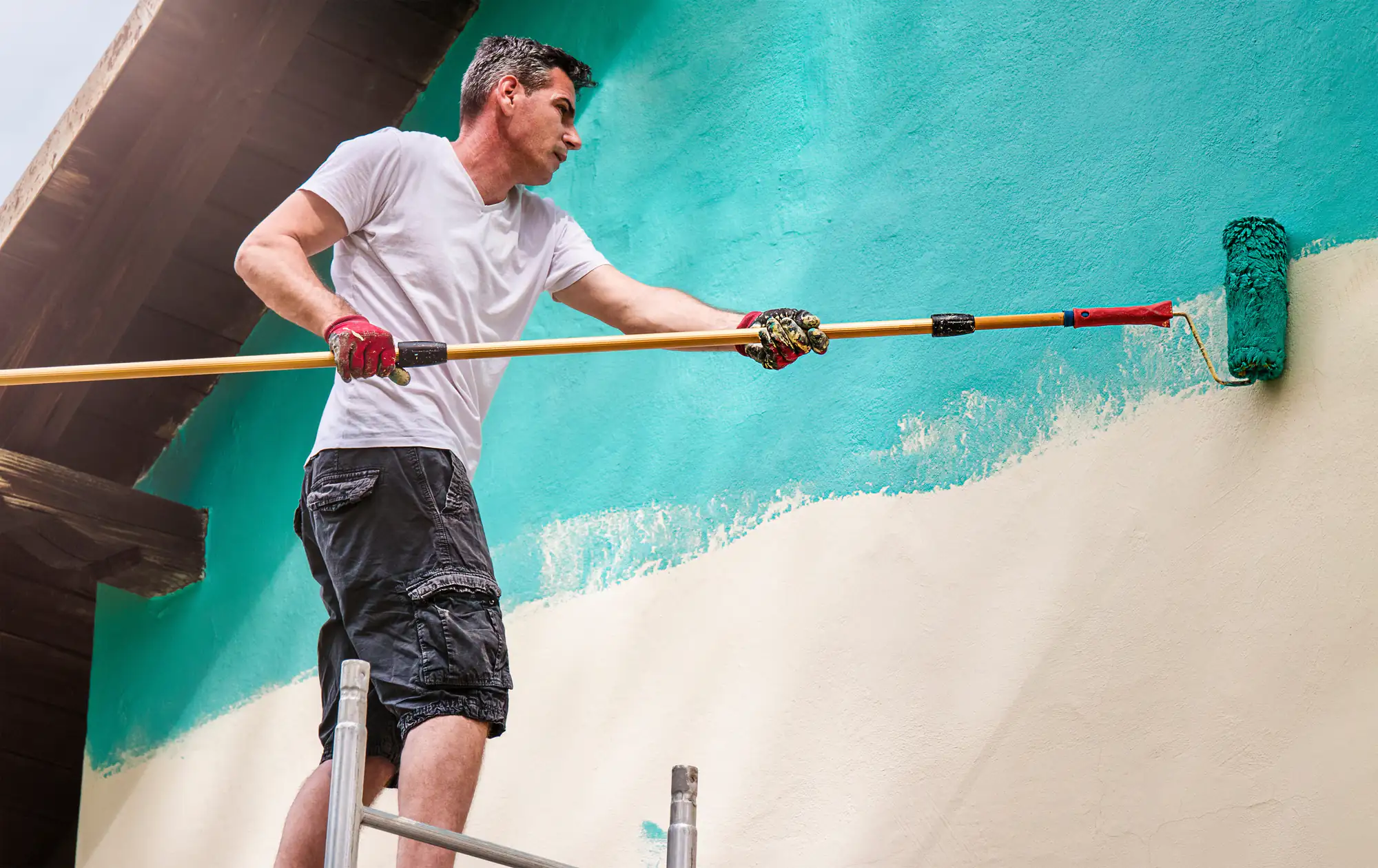
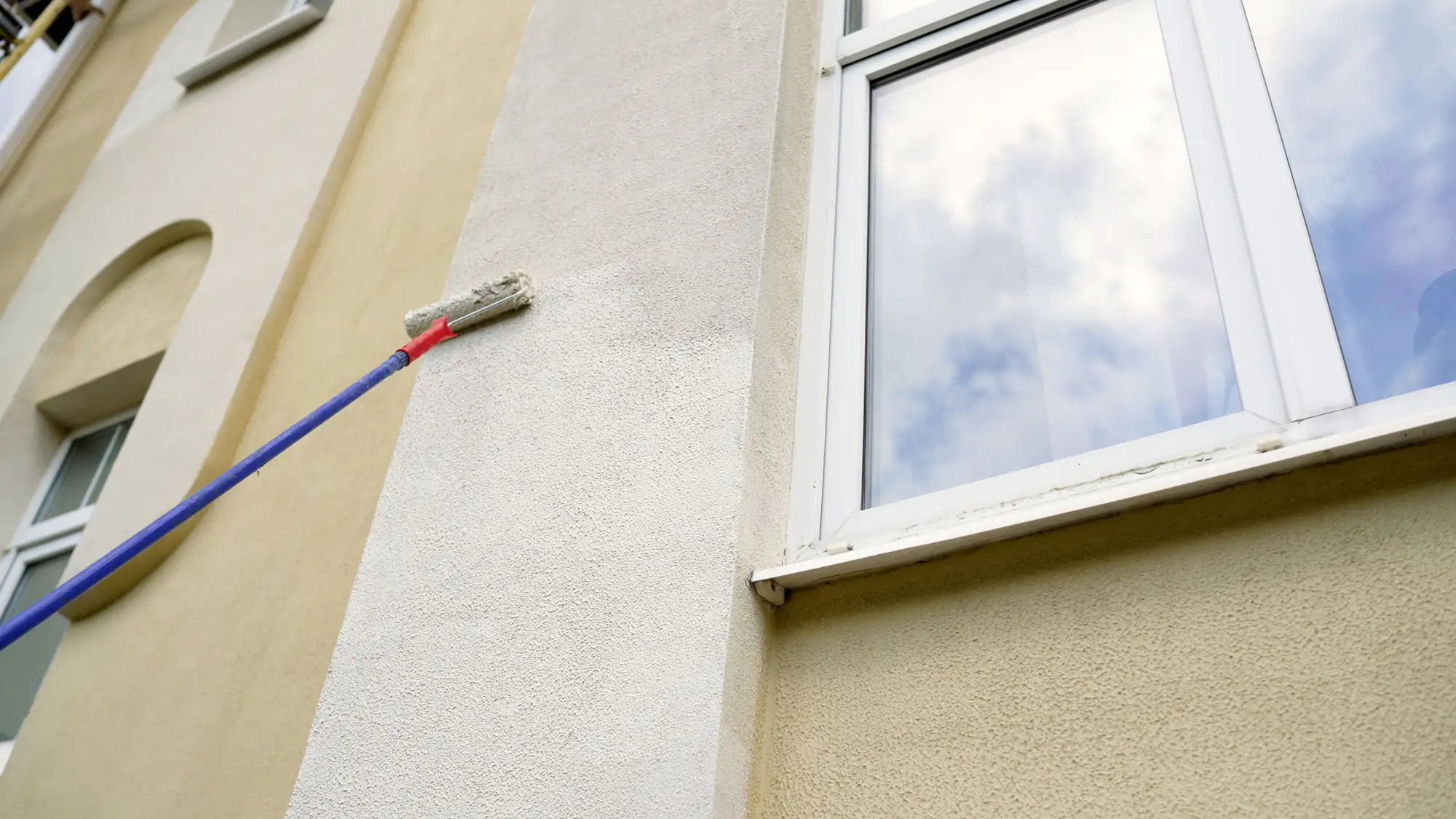
Next comes surface preparation. That means pressure washing to remove dirt, mildew, and loose paint. We scrape and sand where needed, repair any damaged stucco or wood, and prime bare surfaces. This step determines whether your paint job lasts two years or ten. Most failures happen because this work was rushed or skipped entirely.
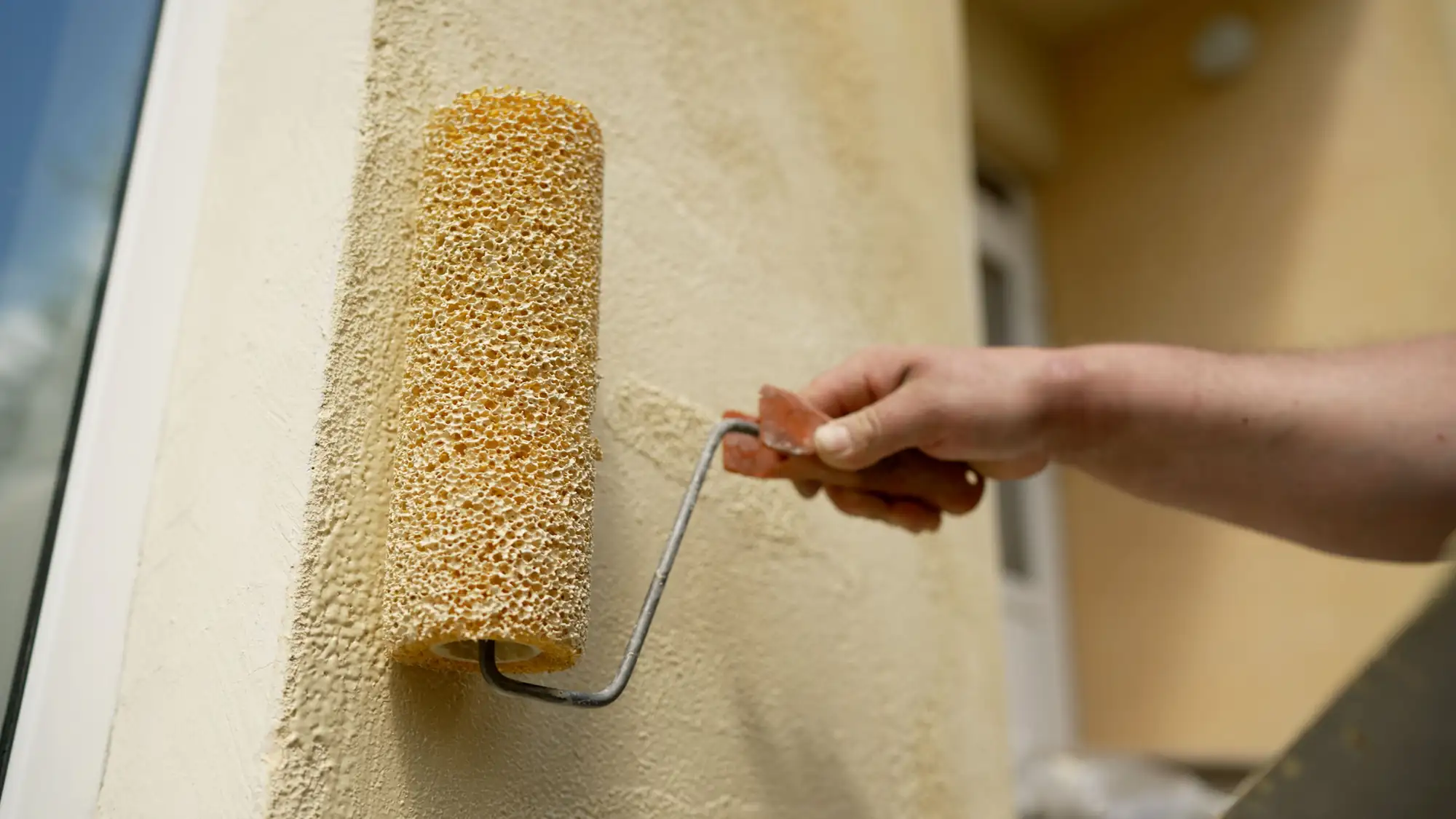
Then we apply the right coating system for your home’s specific needs. That might be 100% acrylic latex for most surfaces, elastomeric coatings for areas with moisture concerns, or energy-efficient products that reflect heat and lower cooling costs. We typically apply two coats and work during optimal weather conditions—lower humidity, no rain in the forecast—so the paint cures properly.
You’ll see consistent communication throughout. We coordinate timing around your schedule, protect landscaping and hardscapes, and clean up daily. The goal is a finish that looks sharp and holds up to Florida’s climate without you having to think about it for the next seven to ten years.
Ready to get started?
Outdoor Painters Near Me in Hunters Creek
Your exterior painting project includes a detailed assessment of your home’s current condition, honest recommendations about what needs attention, and a clear estimate with realistic timelines. No surprises, no vague pricing that changes halfway through.
In Hunters Creek, most homes need repainting every five to seven years due to Florida’s UV intensity and humidity levels. That timeline extends significantly when you use premium acrylic formulations designed for breathability and UV resistance. We’re talking about products that create tight bonds, resist fading, and handle the expansion and contraction that happens with temperature swings.
You’ll also get surface preparation that actually matters—pressure washing, mildew treatment, scraping, sanding, and priming where needed. We address any stucco repairs, wood rot, or caulking failures before paint goes on. For homes with persistent moisture issues, elastomeric coatings provide superior waterproofing and flexibility.
Energy-efficient coatings are increasingly popular here because they reflect heat and reduce cooling costs. In Central Florida, where your AC runs most of the year, that adds up. We’ll walk through options that make sense for your home’s exposure, your budget, and how long you plan to stay in the property. The right coating system protects your investment and keeps your home looking sharp between the palm trees and well-maintained neighborhoods that make Hunters Creek attractive.
How long should exterior paint last on a Florida home?
Expect five to seven years on average in Florida, but that number moves significantly based on product quality and application standards. Homes with southern or western exposure get hit harder by UV rays and often need attention sooner on those sides.
Premium 100% acrylic latex paints applied correctly can last seven to ten years. Cheaper paints or rushed prep work might fail in three years or less. The difference comes down to using products designed for high humidity and UV resistance, proper surface preparation, and applying paint during optimal weather conditions when humidity is lower and temperatures allow for proper curing.
Areas under eaves or with shade last longer. Surfaces exposed to direct sun and rain deteriorate faster. If you’re seeing chalking, fading, or peeling before the five-year mark, either the wrong product was used or prep work was inadequate. Most early failures trace back to painting over dirty surfaces, skipping primer, or using interior-grade products on exteriors.
What's the best time of year to paint exteriors in Hunters Creek?
October through March gives you the best conditions—lower humidity, less frequent rain, and temperatures that allow paint to cure properly. Summer months bring afternoon storms, high humidity, and heat that can cause paint to dry too quickly or not adhere correctly.
You need at least 24 to 48 hours of dry weather after application for most exterior paints to cure properly. In summer, that’s harder to predict. Morning dew and high humidity can also prevent proper adhesion even if it’s not actively raining. Winter months in Central Florida offer more stable conditions and fewer weather delays.
That said, we can work year-round by monitoring weather forecasts closely and adjusting schedules. We avoid painting when humidity is above 85%, when rain is expected within 24 hours, or when temperatures drop below the product’s minimum application temperature. Timing matters more than most homeowners realize—it’s often the difference between a paint job that lasts and one that fails early.
Why does paint peel or bubble on Florida homes?
Moisture is usually the culprit. Water gets behind the paint through cracks, failed caulking, or porous surfaces, then pushes the coating off as it tries to escape. Florida’s humidity and frequent rain make this worse if surface prep wasn’t done right.
Painting over dirty, chalky, or mildewed surfaces prevents proper adhesion. The paint sticks to the contaminants, not the actual substrate, and fails quickly. Skipping primer on bare wood or stucco creates the same problem. Using the wrong type of paint—like interior paint on exteriors or oil-based over latex without proper prep—also causes adhesion failures.
Sometimes the issue is applying paint in poor conditions. If you paint when it’s too humid, too cold, or right before rain, the coating doesn’t cure properly and can blister or peel. Other times, there’s a moisture problem inside the wall—a plumbing leak, missing vapor barrier, or condensation issue—that needs fixing before repainting. We identify these problems during assessment rather than just covering them up and hoping they don’t come back.
What type of paint holds up best in Central Florida?
One hundred percent acrylic latex is your best bet for most applications. It breathes, flexes with temperature changes, resists UV fading, and handles Florida’s humidity better than oil-based or cheaper latex blends. Look for products specifically rated for high UV exposure and mildew resistance.
For areas with persistent moisture issues—like foundations, areas near sprinklers, or walls that take direct rain—elastomeric coatings offer superior waterproofing and flexibility. They’re thicker, more expensive, and create a rubber-like barrier that moves with the substrate. Not every home needs them everywhere, but they solve problems in specific areas where standard paint fails repeatedly.
Energy-efficient coatings with heat-reflective properties are gaining popularity here because they lower cooling costs. These products reflect more of the sun’s heat away from your home, which matters when your AC runs year-round. They cost more upfront but can save money over time. Avoid cheap, builder-grade paints—they fade fast, don’t resist mildew, and require more frequent repainting. The difference in product cost is maybe a few hundred dollars, but the difference in lifespan is years.
How much does exterior painting cost in Hunters Creek?
Most exterior painting projects in Hunters Creek run between $4,000 and $12,000 depending on home size, surface condition, and coating quality. A typical single-family home here averages around $6,500 to $8,500 for a complete exterior with proper prep and premium materials.
That price includes pressure washing, surface repairs, priming where needed, and two coats of quality acrylic latex paint. If your home needs significant stucco repair, extensive wood rot replacement, or elastomeric coatings for moisture issues, costs increase. Homes with complex architecture, multiple stories, or difficult access also cost more due to labor and equipment requirements.
You’ll see lower quotes from outdoor painters near me who cut corners—minimal prep, single coat, cheaper paint. Those jobs might save you $2,000 upfront but cost you $10,000 more over ten years because you’re repainting twice as often. The math favors doing it right the first time with contractors who use climate-appropriate materials and don’t skip surface preparation. Get detailed estimates that break down prep work, materials, labor, and timeline so you’re comparing actual scope, not just bottom-line numbers.
Do I need to repaint if my exterior just looks faded?
Fading is usually a sign that your paint’s UV protection has broken down and the coating is nearing the end of its functional life. Even if it’s not peeling yet, faded paint isn’t protecting your home’s exterior from moisture intrusion the way it should.
Florida’s intense sun breaks down paint pigments and binders over time. Once you see significant fading—especially chalking where the surface feels powdery—the coating has lost its ability to repel water effectively. That means moisture can start penetrating the substrate, leading to rot, mildew, and more expensive repairs if you wait too long.
You don’t necessarily need to repaint the entire house immediately if only one side is faded. South and west-facing walls take the most UV damage and often need attention before other areas. We can assess whether spot work makes sense or if you’re better off doing everything now to keep the whole house on the same maintenance cycle. Waiting until you see peeling or bubbling means you’re already dealing with moisture damage underneath, which requires more extensive prep and repair work before new paint goes on.
Other Services we provide in Hunters Creek