Exterior Painting Contractor in Pine Hills, FL
Paint That Actually Survives Florida Weather
Hear from Our Customers
House Painters Near Me in Pine Hills
You’re not repainting again in two years because the prep work was rushed. The finish looks clean, the color stays true, and your home weathers Florida’s sun and storms without peeling or fading.
That’s what happens when surface prep isn’t skipped. When primer is chosen based on your substrate, not what’s cheapest. When the crew knows how humidity affects dry time and doesn’t cut corners to finish early.
Your curb appeal improves. Your home value holds. And you’re not dealing with contractors who ghost you after the deposit clears. You get clear communication, realistic timelines, and a team that shows up when they say they will.
Exterior Painting Companies Near Me
CF Stucco and Painting has spent over 20 years working on homes across Pine Hills and the greater Orlando area. We’re not new to Florida’s climate challenges or the specific issues older homes face in this region.
Most of Pine Hills’ housing stock was built around 1980. That means original paint systems that weren’t designed for today’s UV intensity. It means stucco and wood siding that’s been through decades of moisture exposure. We see these conditions daily.
Our owner came up through foundation repair, working alongside engineers on structural projects. That background shows up in how we approach exterior painting—not as decoration, but as protection. We’re local, we’re accessible, and our 4.6 rating across 145 reviews reflects how we operate.
Exterior Home Painter Near Me Process
We start with an on-site assessment. Not a quick glance—an actual inspection of your siding, trim, and any problem areas. We’re looking for moisture damage, previous paint failure, and substrate issues that need addressing before any paint goes on.
You get a written estimate that breaks down prep, materials, labor, and timeline. No surprises. If we find something during the job that changes scope, we talk to you before proceeding.
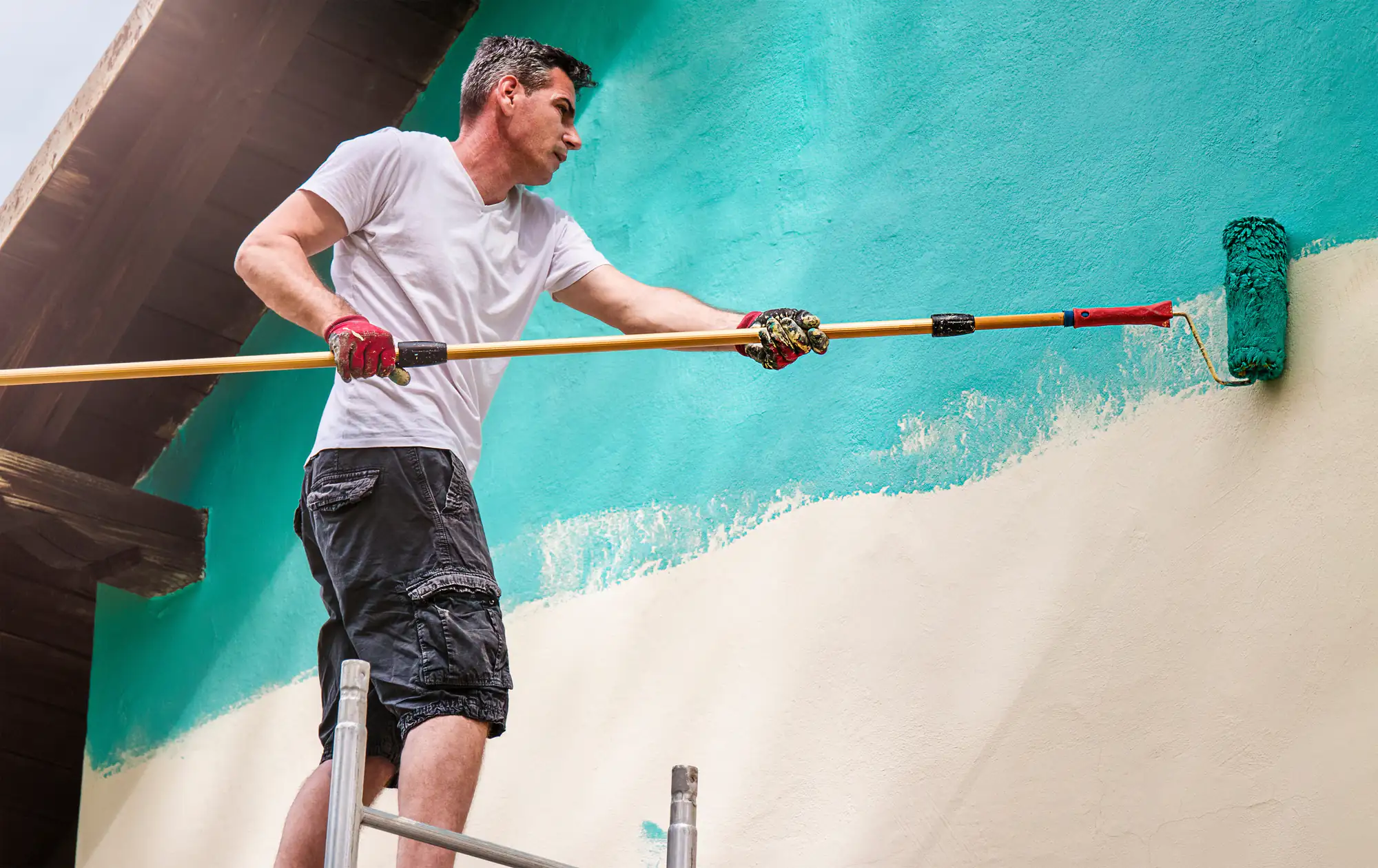
Prep takes up roughly half the project timeline. We’re pressure washing, scraping failed coatings, filling cracks, priming bare wood, and making sure every surface is clean and ready. Then we apply paint in conditions that allow proper curing—not in midday heat or before afternoon storms roll in.
We keep the job site clean daily. Drop cloths stay down, debris gets removed, and your landscaping doesn’t get trampled. When we’re done, you get a walkthrough to confirm everything meets your expectations before final payment.
Ready to get started?
Exterior Painting Contractors Near Me Services
Every exterior painting project includes full surface preparation—pressure washing, scraping, sanding, and priming as needed. We’re using moisture-resistant and UV-resistant coatings designed specifically for Florida’s coastal and humid conditions.
In Pine Hills, where 56% of housing units are owner-occupied and the median home value sits around $233,700, your exterior paint isn’t cosmetic. It’s protecting your largest investment from moisture intrusion, UV degradation, and the mold growth that thrives in our climate.
We’re addressing wood rot before it spreads. Sealing stucco cracks before water gets behind the surface. Choosing paint systems that resist mildew and algae without needing constant maintenance. And we’re doing it with a crew that’s worked together for years, not a rotating cast of subcontractors.
You’re also getting clear communication throughout. We return calls. We show up on schedule. And if weather delays the job, you know about it before you have to ask.
How often should I repaint my home's exterior in Pine Hills?
Most homes in Pine Hills need repainting every 5 to 7 years, but that timeline shifts based on a few factors. If your home faces west and takes direct afternoon sun, UV exposure accelerates paint breakdown. If you’re near heavy vegetation or have poor drainage, moisture and mildew cut that timeline shorter.
Coastal areas and regions with extreme weather—which includes Central Florida—often require repainting every 4 to 6 years. The relentless sun, high humidity, and seasonal storms all contribute to faster paint degradation. You’ll notice chalking, where the paint surface becomes powdery, or fading in high-exposure areas first.
Quality prep and the right paint system extend that timeline. Cheap paint or rushed surface prep means you’re repainting sooner. If you’re seeing peeling, cracking, or bare wood showing through, don’t wait. Water intrusion behind failed paint leads to rot and much bigger repair bills.
What makes exterior painting in Florida different from other climates?
Florida’s combination of humidity, UV intensity, and salt air creates conditions that destroy standard paint systems quickly. You need moisture-resistant primers and topcoats with serious UV protection, or you’re repainting every few years.
Humidity affects how paint cures. If you apply paint when moisture levels are too high, it doesn’t adhere properly and fails early. Temperature swings between morning and afternoon also impact dry time. A crew that doesn’t understand Florida’s climate will push through in bad conditions and leave you with a paint job that bubbles or peels within months.
Mold, mildew, and algae grow aggressively here. Paint systems need fungicidal additives to resist that growth. And if your home is stucco—common in Pine Hills—you need elastomeric coatings that flex with the substrate and seal hairline cracks before water gets in. Standard latex house paint won’t cut it. This isn’t a climate where you can use whatever’s on sale and expect it to last.
How much does exterior painting cost, and what affects the price?
Exterior painting costs vary based on square footage, surface condition, and how much prep is required. A typical single-family home in Pine Hills might range from $3,500 to $8,000, but homes with extensive wood rot, failed stucco, or multiple stories cost more.
Prep work drives a significant portion of the cost. If we’re scraping off multiple layers of old paint, replacing rotted trim, or repairing stucco cracks, that’s labor-intensive. But skipping that work means the new paint fails quickly, and you’re paying to redo the job in two years instead of getting 6 or 7 years of protection.
Paint quality also affects price. Cheap paint costs less upfront but doesn’t hold up to Florida’s UV exposure and humidity. Premium moisture-resistant and mildew-resistant coatings cost more per gallon but deliver better coverage and longer-lasting protection. You’re making a choice between spending less now and repainting sooner, or investing in a system that actually lasts. Most homeowners who’ve been through a failed paint job once choose the latter.
What's the best time of year to paint my home's exterior?
In Florida, the best exterior painting window runs from October through March. You get cooler temperatures, lower humidity, and far less rain. Paint cures properly in those conditions, and the crew isn’t fighting afternoon thunderstorms or extreme heat.
Summer is Florida’s rainy season. Even if mornings start clear, storms roll in by mid-afternoon and shut down work. High humidity also slows dry times and affects how well paint adheres. You can paint in summer, but expect delays and longer project timelines.
Winter months give you the most predictable weather and the best curing conditions. Temperatures between 50°F and 75°F are ideal for most paint systems. If you’re planning an exterior paint project, reach out in late summer or early fall to get on the schedule before the busy season fills up. Most homeowners start thinking about painting in the first half of the year, but the majority of projects kick off between May and July—right when weather becomes least cooperative.
How do I know if I need to repaint or if my home just needs cleaning?
If your home looks dingy but the paint surface is still intact—no peeling, cracking, or chalking—a good pressure wash might be all you need. Mildew, algae, and dirt buildup make paint look worse than it is, and cleaning can buy you another year or two.
But if you’re seeing bare wood, paint peeling away in sheets, or a chalky residue when you run your hand across the siding, it’s time to repaint. Those are signs the paint has lost its protective qualities and isn’t shielding your home from moisture anymore. Waiting too long means water gets into the substrate, and then you’re dealing with wood rot or stucco damage on top of repainting.
Fading is another indicator. If south- and west-facing walls look significantly lighter than the rest of your home, UV exposure has broken down the pigment. That paint isn’t protecting effectively anymore. A professional assessment takes about 20 minutes and gives you a clear answer. We’ll tell you if cleaning buys you time or if repainting is the smarter move to avoid bigger problems down the line.
What should I look for when hiring exterior painters in Pine Hills?
Start with licensing and insurance. Florida requires painting contractors to carry liability coverage, and you want proof before anyone starts work. If something goes wrong—property damage, injury, or subpar work—you need to know you’re covered.
Ask how they handle surface preparation. If the answer is vague or they’re pushing a quick timeline, that’s a red flag. Proper prep takes time. You want a contractor who pressure washes, scrapes failed coatings, repairs damaged substrates, and primes before painting. Skipping those steps is how you end up repainting in two years.
Get a written estimate that breaks down labor, materials, and timeline. Avoid contractors who give you a number over the phone without seeing the property. And pay attention to communication—do they return calls? Show up on time for the estimate? Answer your questions directly? How they handle the sales process usually reflects how they’ll handle the job. Check reviews, but focus on comments about prep work, reliability, and how the paint held up a year or two later. Those details tell you more than a star rating.
Other Services we provide in Pine Hills