Exterior Painting Contractor in St. Cloud, FL
Paint That Actually Survives Florida's Weather
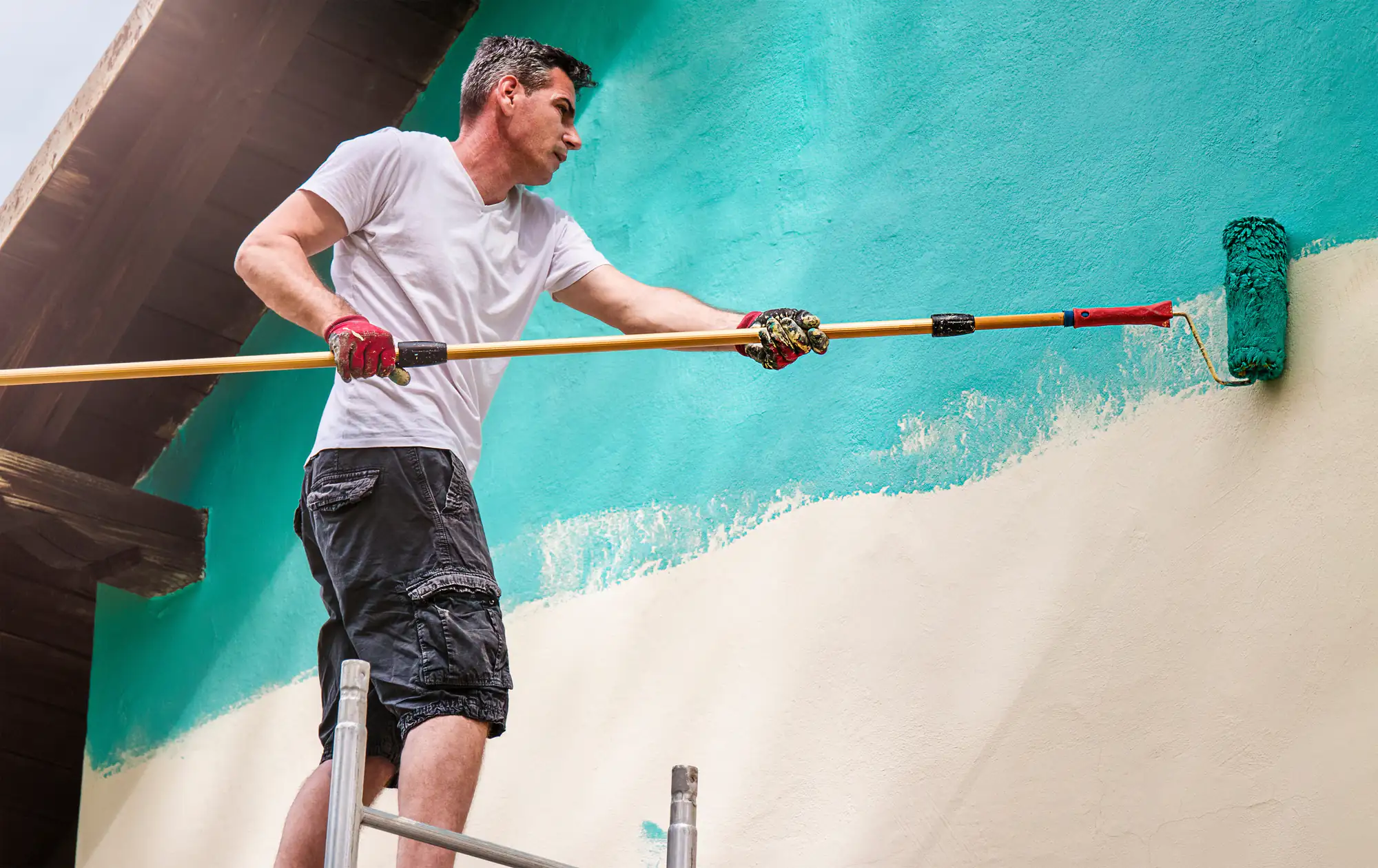
Hear from Our Customers
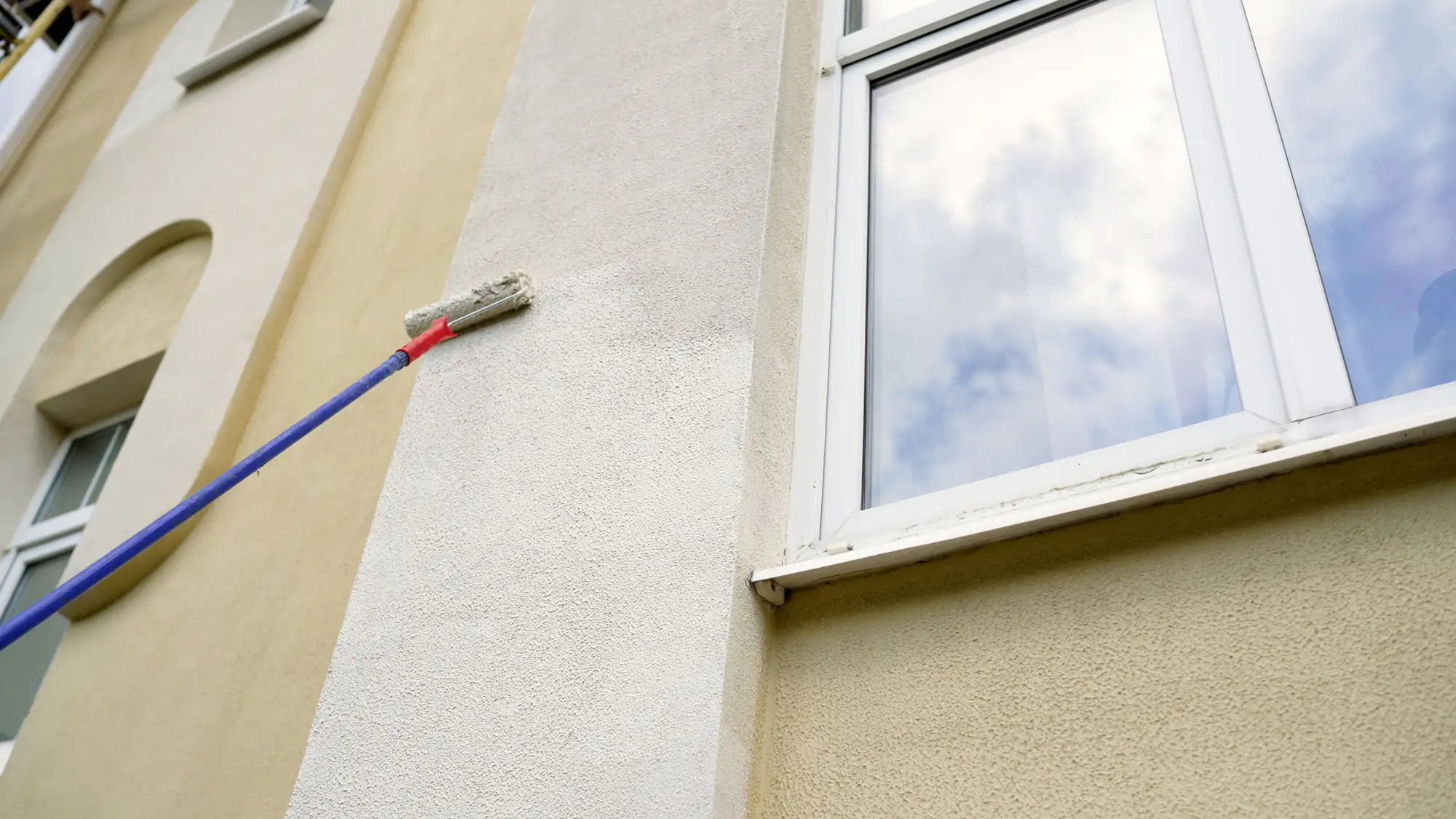
Exterior Painters Near Me in St. Cloud
Most paint jobs look great for six months. Then Florida happens.
You’re dealing with a climate that forces homeowners to repaint every 5-7 years instead of the 10-year cycle you’d get almost anywhere else. The UV index here breaks down standard paint faster than you’d expect. Add in the humidity that breeds mold and the afternoon storms that test every seal, and you’re looking at a surface that needs more than just color.
When the paint actually works, you stop worrying about water creeping behind your walls. Your curb appeal stays intact through hurricane season. You’re not calling painters every few years because the finish is already peeling or fading.
The right exterior painting protects your investment and keeps maintenance costs predictable. That’s what matters when you’re planning to stay in your home.
House Painters Near Me in St. Cloud
We’ve been working in Central Florida for over 20 years. That means we’ve painted through every weather pattern this region throws at homes.
St. Cloud sits in a unique zone where coastal moisture meets inland heat. Your exterior takes a beating that’s different from what homes face even 30 miles away. We’ve learned what products hold up here and which preparation steps you can’t skip if you want the finish to last.
Our approach focuses on communication and realistic timelines. You’ll get a clear estimate that explains what we’re doing and why. We keep job sites clean and stay in touch throughout the project. Our Google rating sits at 5.0 because we show up when we say we will and handle the details that other contractors miss.
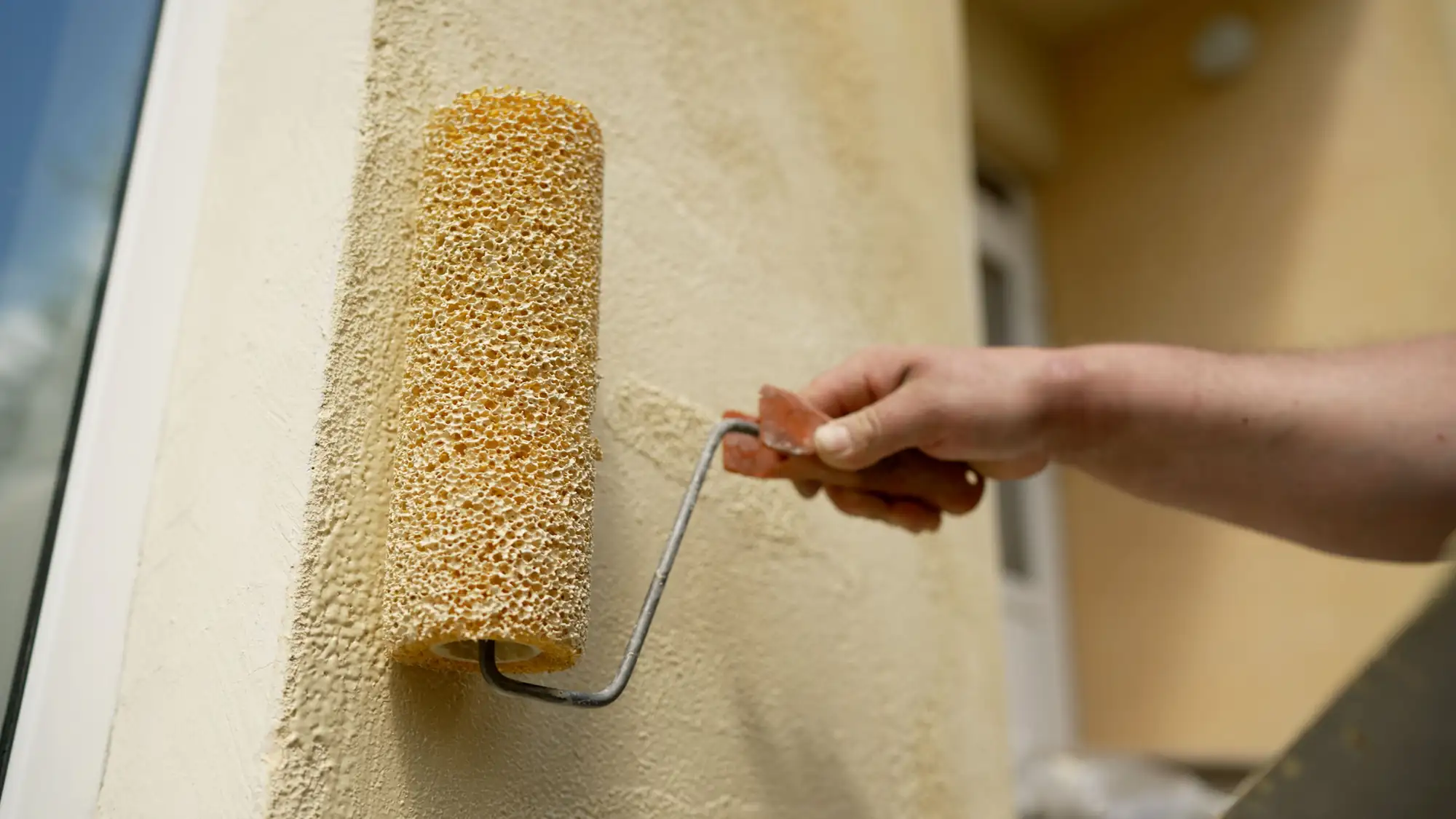
Exterior Painting Companies Near Me in St. Cloud
It starts with an honest assessment of your exterior. We look at the current condition, identify any moisture issues or surface damage, and explain what needs attention before any paint goes on.
Preparation takes up about half the project timeline. We’re pressure washing, scraping failed coatings, repairing wood rot or stucco cracks, and priming properly. Skipping these steps is why most paint jobs fail early. We don’t skip them.
The actual painting uses products formulated for Florida’s humidity and UV exposure. We’re talking acrylic latex that flexes with temperature swings and elastomeric coatings for stucco that seal out water while letting the surface breathe. Application happens in conditions that allow proper curing—not during a rainstorm or in direct afternoon sun that bakes the product before it sets.
You’ll see us maintaining a clean site throughout. Drop cloths stay in place, overspray gets controlled, and we’re not leaving a mess for you to deal with at the end of each day. Final walkthrough happens with you present so we can address any concerns before we call it complete.
Ready to get started?
Exterior Home Painter Near Me in St. Cloud
You’re getting a complete system, not just a color change.
Surface preparation comes first—pressure washing to remove mildew and dirt, scraping and sanding any loose or failing paint, and repairing damaged areas. For stucco homes, which make up a huge portion of Central Florida housing stock, we’re filling cracks and ensuring proper texture matching. Wood surfaces get rot repair and priming with products that block moisture.
The paint itself is chosen specifically for this climate. We’re using high-grade acrylic latex for most surfaces and elastomeric coatings for stucco that provide superior waterproofing. These aren’t the products you’ll find at a big box store. They’re formulated to handle the moisture levels and temperature swings that St. Cloud experiences year-round.
Waterproofing is built into the process, not added as an afterthought. Every seam, trim joint, and potential entry point gets attention. In a place where water intrusion causes more damage than almost any other exterior issue, this step protects your home’s structure and your wallet.
You’ll also get realistic timelines that account for Florida’s weather. We’re not promising three-day turnarounds that leave you with a rushed job. We’re scheduling around afternoon storms and humidity levels that affect curing times.
How long should exterior paint last on a Florida home?
Expect 5-7 years in Central Florida if the job is done right. That’s shorter than the 10-year cycle you’d see in other states, but it’s realistic given what your exterior faces here.
The lifespan depends heavily on preparation quality and product selection. Homes with southern or western exposure get hit harder by UV and may show fading on those sides first. Stucco typically holds paint longer than wood siding because the surface is more stable and less prone to moisture-related expansion.
If you’re seeing failure in 2-3 years, something went wrong. Either the surface wasn’t prepped correctly, the wrong product was used, or application happened in poor conditions. Quality work with climate-appropriate materials should get you to that 5-7 year mark before you’re thinking about repainting.
What makes painting in Florida different from other states?
The humidity and UV exposure change everything about how paint performs.
Central Florida’s humidity levels stay high year-round, which means surfaces rarely get completely dry. Paint needs to bond to the substrate properly, and moisture interferes with that. We’re also dealing with intense UV that breaks down paint resins faster than you’d see in northern climates. The combination means products have to be specifically formulated to handle both issues simultaneously.
Afternoon storms are another factor. Rain can ruin a fresh paint job if the product hasn’t had time to cure. We schedule around weather patterns and won’t apply coatings when conditions aren’t right. Temperature swings between day and night also affect how paint cures and adheres.
Mold and mildew growth is constant here. Any paint system has to include mildewcides and proper surface prep to remove existing growth, or you’ll see black spots showing through within months.
Should I use elastomeric paint on my stucco home?
For most Central Florida stucco homes, yes. Elastomeric coatings offer benefits that standard paint can’t match in this climate.
Elastomeric paint is thicker and more flexible than regular exterior paint. It fills hairline cracks in stucco and moves with the surface as temperatures change. That flexibility prevents the cracking and peeling you see with rigid coatings. The thickness also provides superior waterproofing, which matters tremendously when you’re trying to keep moisture out of your walls.
The downside is cost—elastomeric products run higher than standard acrylic latex. But you’re getting better protection and potentially longer life between repaints. For stucco homes in St. Cloud dealing with humidity and occasional driving rain, the investment usually makes sense.
Application requires experience. Elastomeric coatings go on differently than standard paint, and improper application can trap moisture or create an uneven finish. This isn’t a DIY-friendly product.
How much does it cost to paint a house exterior in St. Cloud?
Most single-family homes in St. Cloud run between $3,500-$8,000 for a complete exterior paint job, but your actual cost depends on several specific factors.
Square footage is the starting point, but it’s not the only factor. A 1,500 square foot home with simple architecture costs less than a 1,500 square foot home with multiple stories, detailed trim, or hard-to-reach areas. Stucco is generally more straightforward to paint than wood siding with lots of trim details.
Surface condition matters significantly. If we’re dealing with extensive wood rot, failing stucco, or surfaces that haven’t been maintained, preparation costs go up. Sometimes homes need repairs before they’re ready for paint, and that adds to the total investment.
Product selection also affects pricing. Standard acrylic latex costs less than elastomeric coatings or specialty products. We’ll explain the options and what you’re getting for the price difference. The cheapest bid usually means shortcuts somewhere—either in prep work, product quality, or labor. You end up repainting sooner and spending more over time.
What's the best time of year to paint exterior in Florida?
Late fall through early spring gives you the most predictable conditions, but exterior painting happens year-round in Central Florida with proper planning.
November through April offers lower humidity and fewer afternoon thunderstorms. Paint cures more consistently, and we’re not constantly watching radar. Temperatures stay moderate, which helps with product performance and makes the work more efficient.
Summer painting is absolutely possible but requires more flexibility. We’re scheduling around daily storm patterns and working during morning hours when humidity is slightly lower. Some days we can’t paint because conditions aren’t right. That extends project timelines, but it’s better than rushing a job in poor weather and having the finish fail.
Spring and fall are transition periods. You get some great painting days mixed with challenging ones. We stay flexible and communicate clearly about any weather-related delays. The key is working with a contractor who won’t push forward in bad conditions just to meet an arbitrary deadline.
Do I need to repaint if I'm just seeing some fading?
Fading alone doesn’t always require a full repaint, but it’s often an early warning sign of bigger issues developing.
If the paint is only faded but still adhering well with no cracking, peeling, or chalking, you might be able to wait another year or two. Fading happens first on sun-exposed sides—usually south and west-facing walls. The UV breaks down pigments before it affects the paint’s protective qualities.
Check for other signs of failure. Run your hand across the faded area. If you get chalky residue on your fingers, the paint is breaking down and losing its ability to protect the surface underneath. Look for any areas where paint is pulling away from the substrate or where cracks are forming. These indicate it’s time to repaint before moisture starts causing damage.
Waiting too long after fading appears means more extensive prep work later. Once water gets behind failing paint, you’re dealing with wood rot, stucco damage, or mold issues that cost significantly more to fix. A well-timed repaint is cheaper than repairing structural damage from delayed maintenance.
Other Services we provide in St. Cloud