House Painters Central Florida

Paint Jobs That Last in Florida's Climate
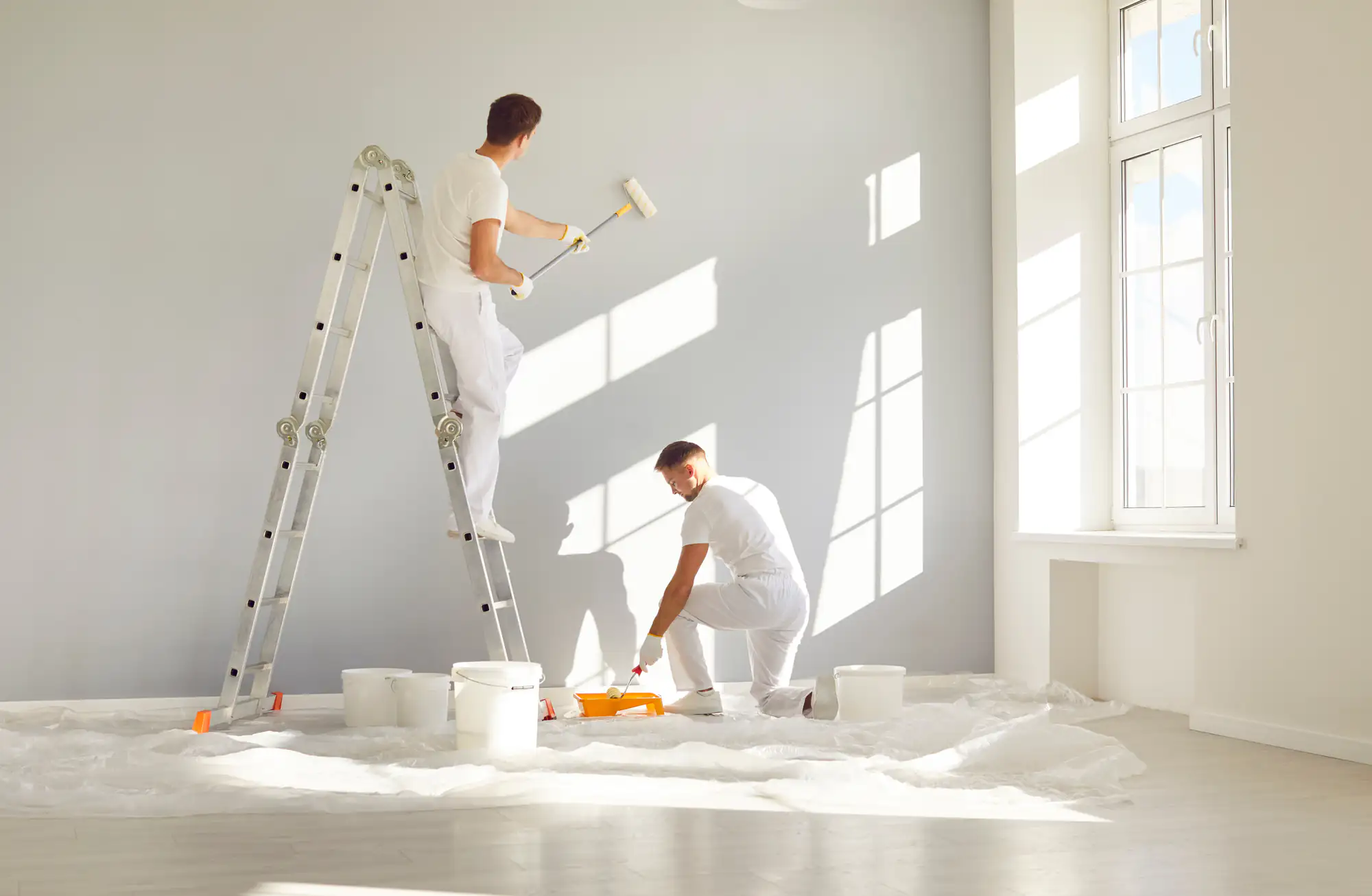
Your home deserves more than paint that fades, peels, or grows mold after one summer. You need exterior and interior painting done right—with proper prep, climate-resistant products, and crews who understand what Central Florida weather does to shortcuts.

Local Central Florida Experts

We serve six counties across Central Florida with deep knowledge of regional climate challenges and stucco-specific needs.

Small Business Accountability

You work directly with owners who care about reputation, not corporate call centers that disappear after the deposit clears.

Stucco Repair Specialists

Few painting companies truly understand stucco. We repair cracks and moisture damage properly before painting over problems.

Transparent Process Communication

You'll know what's happening at every step, from surface prep to final coat, with crews who answer questions and respect your property.
Exterior Home Painters Central Florida

Painting Built for Humidity, Heat, and Hurricanes

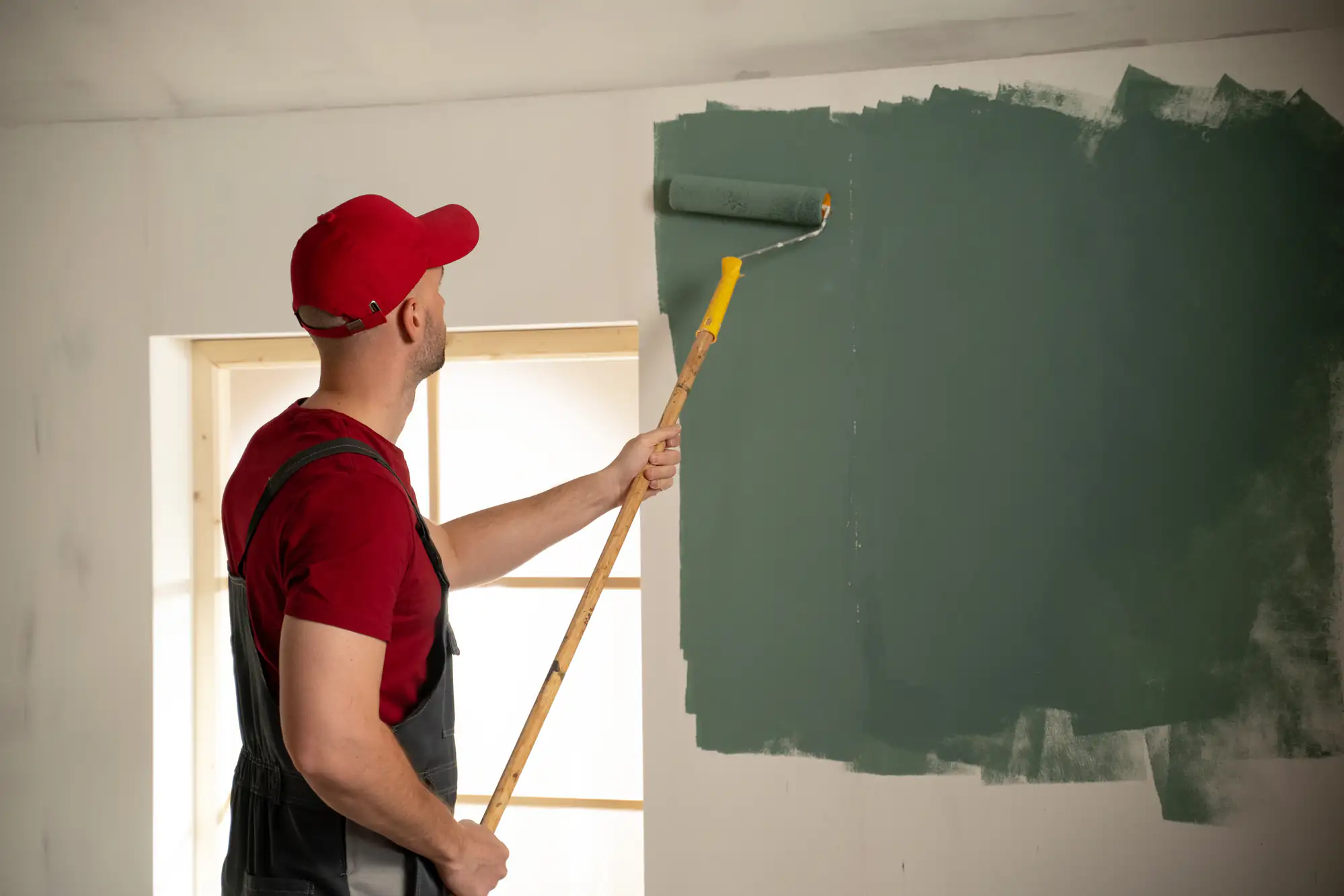
Central Florida isn’t kind to paint jobs. Humidity above 60 percent most days. UV rays that bleach colors within months. Afternoon thunderstorms that test every seal and crack. Most painters know how to roll paint on walls. Few understand that Florida requires acrylic latex formulations, satin or semi-gloss finishes for moisture resistance, and timing work around dew points and afternoon storms. We specialize in exterior and interior painting for Orange, Osceola, Seminole, Volusia, Brevard, and Lake Counties. Our team handles everything from full exterior repaints to interior room refreshes, with particular expertise in stucco surfaces that dominate Central Florida homes. Every project starts with proper surface preparation—not because it looks good on an estimate, but because skipping this step is why most paint jobs fail within two years.

Professional House Painting Services Florida

What You Actually Get from Quality Painting

Forget vague promises about craftsmanship. Here’s what changes when your home gets painted by professionals who understand Florida’s demands.

Your exterior won't look chalky and faded two summers from now because UV-resistant paint was used from the start.

Mold and mildew won't creep back across north-facing walls within months thanks to moisture-resistant formulations with anti-microbial protection.

You won't discover hidden water damage years later because stucco cracks were actually repaired, not just covered with thick paint.

Your home's value stays protected with work that delivers over 100% return on investment in Orlando's competitive real estate market.

You sleep better knowing licensed, insured crews handled the work—no liability nightmares if someone falls off a ladder at your property.

Future repaints cost less because proper prep and quality products mean you're repainting every 7-10 years, not every 3-4.

Ready to get started?

Share project details

Call us or get a free online quote to help us identify your project needs.

We'll follow up

If you requested an online quote, you can expect a callback within 24-48 hours of your request.

The floor is yours

Connect with an expert and share all project specifics.

Plan your project

Like what you hear? We'll provide next steps and expert guidance.
Exterior Painting Contractors Near Me

Why Florida Painting Isn't Like Anywhere Else

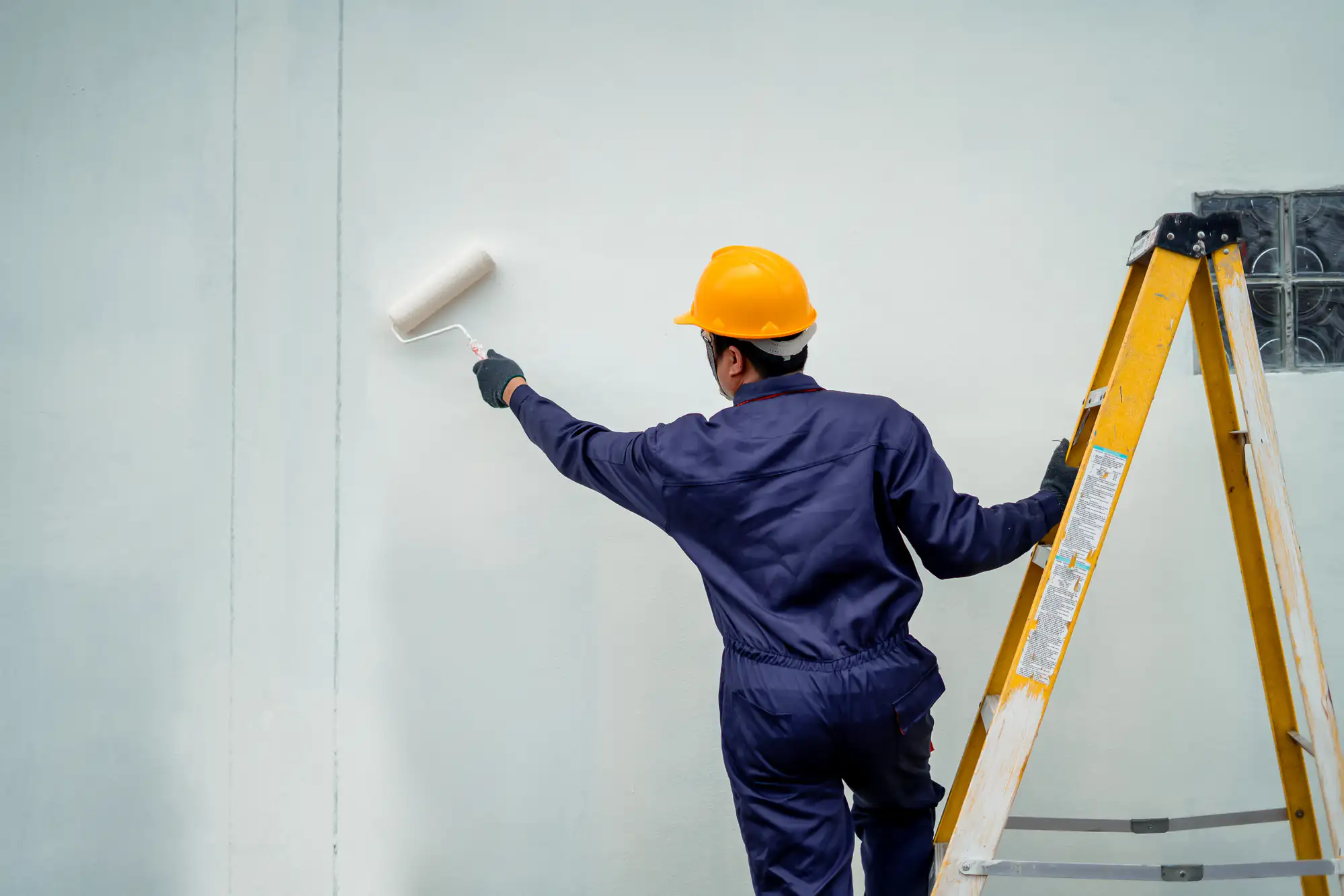
Take a painter from Colorado or Michigan and drop them in Central Florida, and they’ll make expensive mistakes. They’ll paint when humidity is 90 percent and wonder why the finish looks terrible. They’ll use flat paint that soaks up moisture like a sponge. They’ll skip the breathable primers that let trapped moisture escape instead of blistering under the surface. Florida’s climate is legitimately brutal on painted surfaces. Humidity levels stay above 60 percent most of the year. Summer heat expands materials while air conditioning contracts them from inside. Intense UV radiation breaks down paint chemistry within months if the wrong products are used. Afternoon thunderstorms test every caulk line and crack. Mold and mildew grow on anything that holds moisture. This is why acrylic latex paint is the go-to choice for Central Florida homes. It flexes with temperature changes instead of cracking. It resists moisture while remaining breathable. It holds up to UV exposure better than oil-based alternatives. Satin and semi-gloss finishes shed water instead of absorbing it. Mildew-resistant formulations with anti-microbial agents keep surfaces cleaner longer. These aren’t upsells—they’re necessities that determine whether your paint job lasts five years or fails in two. The timing matters too. Late fall through early spring offers the best conditions for exterior work. Lower humidity means paint cures properly. Fewer afternoon storms mean consistent work schedules. Cooler temperatures reduce the risk of paint drying too fast and creating adhesion problems. We plan around these windows because fighting the weather always loses.

House Painters Orange County Florida

What's Actually Included in Professional Painting
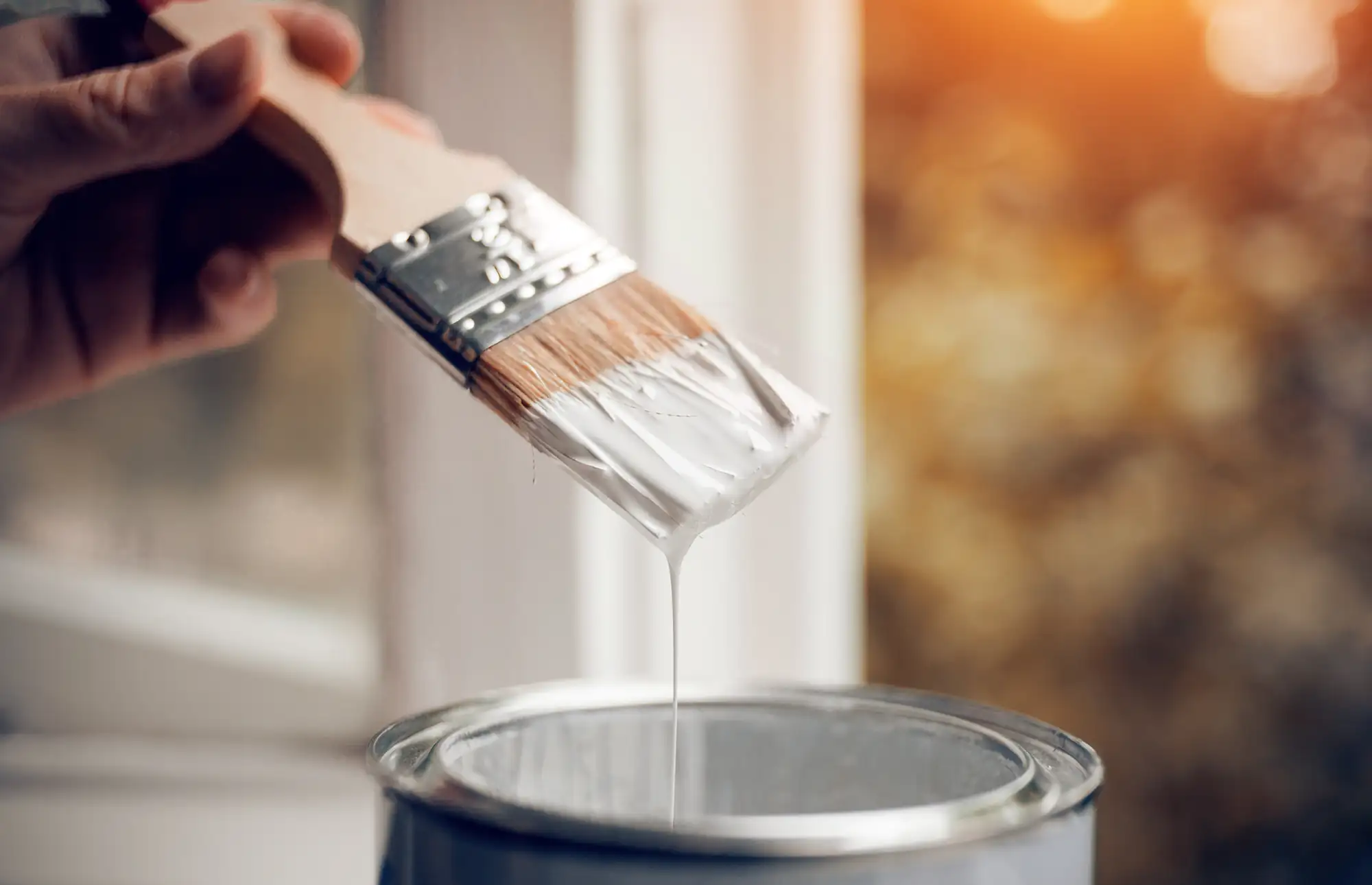
The difference between a paint job that lasts and one that fails shows up in the preparation work most homeowners never see. Professional exterior painting starts with pressure washing to remove dirt, mildew, and chalky old paint. Surfaces need to dry completely—usually overnight—before any other work begins. Rushing this step traps moisture under new paint and guarantees early failure. Next comes inspection and repair. Stucco cracks wider than 1/8 inch need filling with proper elastomeric caulk, not just painted over. Wood trim gets scraped, sanded, and primed where needed. Any rotted sections get replaced, not hidden. Caulk lines around windows, doors, and trim get refreshed because old, cracked caulk lets water infiltrate behind painted surfaces. Then comes priming—but not always everywhere. Bare wood and patched areas need primer for adhesion. Chalky surfaces need special sealers that primers can’t replace. Previously painted surfaces in good condition might not need primer at all. Knowing the difference separates professionals from painters who follow the same steps regardless of what the surface actually needs. The painting itself uses premium acrylic latex formulations designed for Florida’s climate. Two coats provide proper coverage and protection. Sprayers handle large stucco surfaces efficiently while brushes and rollers ensure clean lines on trim. Work proceeds from top to bottom to catch drips and maintain wet edges. Our crew protects landscaping, covers windows, and cleans up daily because leaving a mess isn’t professional regardless of how good the paint looks. Interior painting follows similar attention to detail. Furniture gets moved and covered. Floors get protected. Surfaces get patched, sanded, and primed where needed. Cut lines stay sharp along ceilings and trim. The finish looks clean because the preparation was thorough, not because someone has a magic touch with a brush.
House Painters FAQs

Common questions about our House Painters services

Most Florida homes need repainting every 5-7 years when quality paint and proper application are used. Cheap paint or poor prep work can fail in as little as 2-3 years. The lifespan depends heavily on several factors: the quality of paint used, how thoroughly surfaces were prepared, whether the home faces south or west (which get more UV exposure), and whether moisture-resistant formulations were applied. Premium acrylic latex paint with UV inhibitors can last 7-10 years in Central Florida’s climate. Elastomeric coatings on stucco can extend that to 10-15 years. But here’s the reality—shortcuts during application cut that lifespan in half regardless of paint quality. If painters pressure wash and paint the same day, moisture gets trapped. If they skip priming on bare wood or patched areas, adhesion fails. If they paint during high humidity or right before afternoon storms, the finish never cures properly. The paint brand matters less than whether the crew understands Florida-specific application requirements.
Acrylic latex paint is the top choice for Florida homes because it’s flexible, moisture-resistant, and handles temperature changes without cracking. For exteriors, look for 100% acrylic formulations rather than vinyl-acrylic blends. These resist UV fading better and maintain flexibility longer. Satin or semi-gloss finishes work better than flat paint in humid climates because they resist moisture penetration and clean more easily. Mildew-resistant formulations with anti-microbial agents are essential for north-facing walls and shaded areas where moisture lingers. For stucco specifically, elastomeric paint offers superior performance. It’s thicker than standard paint, bridges small cracks, and creates a waterproof yet breathable membrane. This flexibility is crucial because stucco expands and contracts with temperature and humidity changes. Interior spaces with high moisture—bathrooms, kitchens, laundry rooms—need similar moisture-resistant properties. The key is breathability. Paint needs to let moisture vapor escape from walls rather than trapping it, which causes blistering and peeling. That’s why oil-based paints, which create impermeable barriers, fail faster in Florida despite their reputation for durability in other climates.
Exterior painting for an average single-family home in Central Florida typically runs $4,000-$12,000, while interior painting costs $3,000-$8,000, depending on home size and condition. These ranges reflect several variables. Square footage is the biggest factor—larger homes simply require more materials and labor. The number of stories matters too because two-story homes can cost 50% more than single-story homes due to equipment and safety requirements. Surface condition affects pricing significantly. If your stucco has extensive cracks, wood trim is rotted, or previous paint is peeling badly, expect repair costs to add $2-$7 per square foot. The type of paint makes a difference as well. Premium acrylic latex costs more upfront but lasts longer and prevents future damage, making it more economical long-term. Labor accounts for 80-95% of the total cost in most cases. You’re paying for experience, insurance, proper equipment, and the knowledge to handle Florida-specific challenges. The cheapest bid often comes from painters cutting corners on prep work, using lower-grade paint, or lacking proper insurance. Getting three detailed estimates helps you compare apples to apples. Ask what’s included in prep work, what paint brands and grades will be used, and whether the crew carries workers’ compensation insurance.
You don’t need to be home for exterior painting once the project starts, though being available for the initial walkthrough and final inspection is helpful. For interior painting, many homeowners prefer to be present or nearby, though it’s not required if you’re comfortable providing access. Professional painting crews work independently and respect your property. We coordinate schedules upfront, arrive when expected, and communicate if anything changes. For exterior work, our crew needs access to outdoor water sources and electrical outlets, plus clearance around the house perimeter. You’ll want to move vehicles, outdoor furniture, and grills away from work areas. Plants and landscaping get protected, but removing delicate items yourself provides extra peace of mind. Interior projects require more coordination. Furniture gets moved and covered, but you might want to remove valuable or fragile items beforehand. Our painters need access to rooms being painted, which might mean working around your daily routine. Most crews work during standard business hours, arriving between 7-9 AM and finishing by 4-6 PM. We clean up daily rather than leaving messes overnight. The key is clear communication upfront about access, schedules, and any concerns. We treat your home respectfully whether you’re present or not.
Late fall through early spring (November through April) offers the best conditions for exterior painting in Central Florida because humidity is lower and rain is less frequent. This dry season provides ideal temperature ranges and fewer afternoon thunderstorms, allowing paint to cure properly. Summer painting is possible but challenging. High humidity slows drying times and can cause adhesion problems. Afternoon storms disrupt schedules and risk washing away fresh paint. Extreme heat can cause paint to dry too quickly, preventing proper bonding. We work around these issues by starting very early—sometimes 6 or 7 AM—and finishing before afternoon heat and storms arrive. For interior painting, timing matters less since climate control eliminates weather concerns. You can paint indoors year-round without significant quality differences. However, many homeowners prefer scheduling interior work during summer when they’d rather stay inside anyway, saving the pleasant fall and spring months for outdoor activities. One practical consideration: popular painting contractors book up during prime season. If you’re planning a late fall or winter project, schedule it by late summer or early fall. Waiting until November might mean pushing your project into the busy season or accepting less ideal timing. The trade-off between perfect conditions and contractor availability is real.
Answer

Free On-Site Estimate

A team member visits your property, assesses the scope, discusses your goals, and provides a detailed written estimate with no obligation.

Surface Preparation and Repairs

Our crews pressure wash, repair cracks and damage, caulk seams, and prime surfaces—the unglamorous work that determines how long your paint job lasts.

Professional Paint Application

Using climate-appropriate products and proven techniques, our team applies paint that protects your home and looks great for years, not months.

Cities we provide House Painters In

Scroll to Top