House Painters in Clermont, FL
Paint Jobs That Last in Florida's Climate
Hear from Our Customers
Exterior Painters Near Me in Clermont
You’re not repainting because you want to. You’re repainting because the last job failed—bubbling, peeling, fading, or mildew creeping up the north side of your house. That’s what happens when exterior painters don’t account for Florida’s humidity, UV exposure, and afternoon storms that roll in like clockwork from May through September.
Here’s what changes when the prep work is done right and the paint is chosen for this climate, not just what’s on sale. Your home holds color longer. The surface stays intact through summer heat and winter humidity swings. You’re not calling someone back in four years because the job didn’t hold.
We’ve been doing this in Central Florida for over 20 years. We know which products survive here and which ones don’t. We know how to prep stucco, wood, and fiber cement so the paint actually bonds. And we know that most homeowners in Clermont don’t want to hear a sales pitch—they want a realistic timeline, a clear estimate, and a crew that shows up when they say they will.
House Painters Near Me in Clermont
We started working in Central Florida in the late ’90s, back when Clermont was still considered a drive. Now it’s one of the fastest-growing areas we serve, and we’ve watched how homes age here—what fails first, what lasts, and what homeowners wish they’d known before they hired the cheapest bid.
Our reputation isn’t built on being the lowest price. It’s built on doing what we say we’ll do, showing up on time, keeping job sites clean, and being honest about timelines when the weather doesn’t cooperate. We’re not a franchise. We’re not flipping crews every season. You’re working with people who know this market, this climate, and how to handle both.
If you’re comparing exterior painting companies, ask about their prep process. Ask what paint lines they use and why. Ask if they’ve worked in Clermont long enough to know that afternoon storms in July will delay your job by a day or two—and whether they’ll tell you that upfront or just ghost you when it happens.
Exterior Painting Contractors Near Me Process
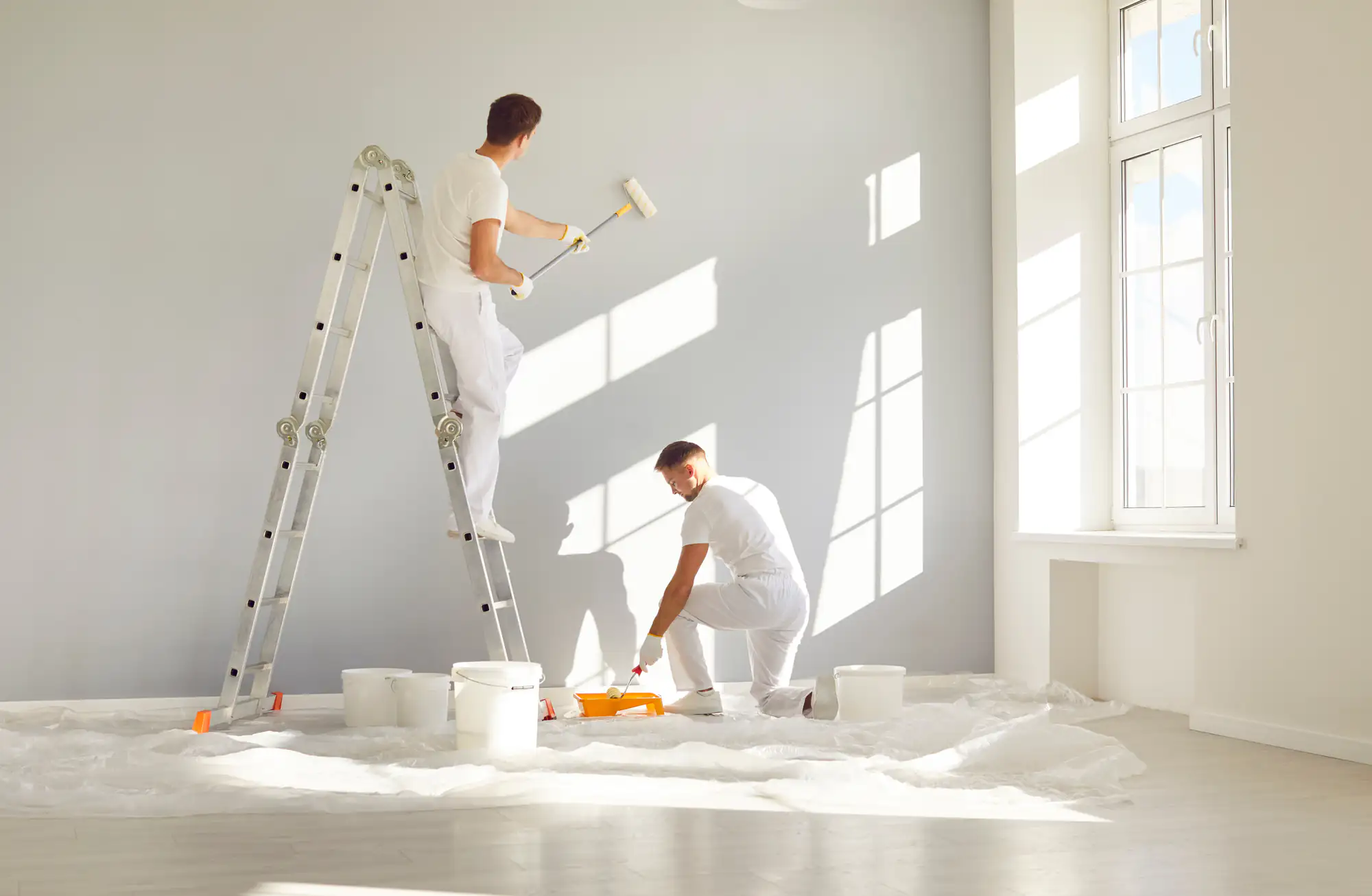
We start with an on-site consultation. Not a phone estimate—an actual walkthrough where we look at your surfaces, check for moisture issues, note any repairs that need to happen before paint goes on, and talk through color options that make sense for your home’s style and the Florida sun.
Once you approve the estimate, we schedule based on weather and our current project load. We’ll give you a realistic start date, not an optimistic one. When we arrive, the first day is almost entirely prep—pressure washing, scraping failed paint, filling cracks, caulking gaps, sanding rough spots, and priming bare areas. If your stucco has hairline cracks or your wood trim is rotting, we’ll address it then, not paint over it and hope you don’t notice.
The actual painting happens in stages. We don’t rush it. We let coats cure properly, especially in humid months when paint needs extra time to set. We use high-grade exterior paints designed for UV resistance and mold prevention—products that cost more upfront but save you money over the long run because you’re not repainting every five years.
After the final coat, we do a walkthrough with you. We check edges, touch up any missed spots, and make sure you’re happy with the result before we pack up. Then we clean the site, haul off debris, and leave you with a home that looks the way it should.
Ready to get started?
Home Painters Near Me in Clermont
Every exterior painting project in Clermont starts with surface-specific prep. That means pressure washing to remove mold, mildew, and chalking. It means scraping loose or failing paint down to a stable surface. It means filling cracks in stucco, replacing rotted wood trim, and priming any bare spots so the topcoat actually adheres.
We don’t skip caulking. Windows, door frames, trim joints—anywhere water can get behind the paint, we seal it. In Florida, moisture is your paint’s biggest enemy, and most failures start at an unsealed seam.
We use premium exterior paints with high UV resistance and mildew inhibitors. Brands like Sherwin-Williams Duration or PPG Manor Hall—products that are formulated to handle coastal humidity, intense sun, and temperature swings. We’re not upselling you. We’re using what works here because we’ve seen what doesn’t.
You’ll get a written timeline that accounts for weather delays. You’ll get a crew that communicates when plans change. And you’ll get a final result that’s built to last 7-10 years in Central Florida’s climate, not just look good for the first six months.
How often do I need to repaint my house in Clermont, FL?
Most homes in Clermont need repainting every 5-7 years, but that timeline shifts based on a few factors. If your home faces south or west, you’re getting maximum UV exposure, which breaks down paint faster. If you’re near one of the lakes, you’re dealing with higher humidity and more mold growth. If the last painter skipped proper prep or used builder-grade paint, you might be repainting in three or four years instead of seven.
A quality paint job with proper surface prep and high-grade exterior paint can push that timeline to 7-10 years, even in Florida. That means pressure washing to remove contaminants, priming bare wood or stucco, using paint with UV inhibitors and mildew resistance, and applying it in the right conditions so it cures properly.
The difference between a five-year paint job and a ten-year paint job isn’t luck. It’s preparation, product selection, and understanding how Florida’s climate affects exterior coatings. If someone’s giving you a rock-bottom price, ask what they’re cutting to get there—because it’s usually prep time or paint quality, and that’s where your longevity comes from.
What type of paint holds up best in Florida's humidity and sun?
You want 100% acrylic latex paint with high UV resistance and built-in mildew inhibitors. Brands like Sherwin-Williams Duration, Benjamin Moore Aura, or PPG Manor Hall are designed for climates like ours. They’re not the cheapest option, but they’re formulated to handle moisture, resist fading, and prevent mold growth on exterior surfaces.
Flat or matte finishes might look good on an interior wall, but outside in Florida, they trap moisture and grow mildew faster. Satin or semi-gloss finishes are better for exteriors because they shed water and clean easier when mold does appear. For stucco, a satin acrylic works well. For wood trim, semi-gloss gives you durability and a cleaner look.
The paint is only half the equation. If it’s applied over dirty, chalky, or unprepared surfaces, even the best product will fail early. That’s why surface prep matters as much as the paint itself. Clean it, prime it, let it cure—then you’ll get the performance these premium paints are designed to deliver.
How long does an exterior painting project take in Clermont?
For a typical single-family home, expect 4-7 days from start to finish, but weather plays a big role. If we get afternoon storms three days in a row, we’re not painting in 90% humidity or right before rain. The paint won’t cure properly, and you’ll end up with runs, poor adhesion, or a finish that fails within a year.
Prep work usually takes 1-2 days depending on your home’s condition. If there’s a lot of scraping, caulking, or minor stucco repair, it takes longer. Painting happens in stages—primer, first coat, second coat—and each layer needs time to dry before the next one goes on. In summer, high humidity slows that process. In winter, we have more consistent conditions and can move faster.
We’ll give you a realistic timeline upfront and update you if weather changes the schedule. Most exterior painting contractors will lowball the timeline to win the job, then drag it out or rush through when conditions aren’t right. We’d rather be honest on day one than apologize on day ten.
Do you handle stucco repairs before painting, or just paint over damage?
We handle stucco repairs as part of the prep process. Hairline cracks, spalling, or areas where the stucco has pulled away from the substrate—those get addressed before any paint goes on. Painting over damaged stucco doesn’t fix the problem. It hides it for a few months, then the paint fails right where the damage is, and now you’re dealing with both issues.
Small cracks get filled with an elastomeric patching compound that flexes with the stucco as temperatures change. Larger damage might require a stucco patch that’s textured to match your existing finish. Once repairs cure, we prime those areas so the patch and the original surface accept paint evenly. Otherwise, you’ll see a visible difference in sheen or color where the repair was done.
This is one of the reasons we do on-site consultations instead of phone estimates. We need to see the condition of your stucco, identify what needs repair, and give you an accurate price that includes that work. If someone’s quoting your job without seeing it, they’re either guessing or planning to skip the repairs and hope you don’t notice until after they’re paid.
What's the best time of year to paint a house exterior in Clermont?
Late fall through early spring—roughly November through April—gives you the most consistent weather for exterior painting in Clermont. Humidity is lower, afternoon storms are rare, and temperatures are mild enough that paint cures properly without baking in the sun or staying tacky overnight.
Summer is possible, but you’re working around daily storms, high humidity, and heat that can cause paint to dry too fast on the surface while staying wet underneath. That leads to poor adhesion and early failure. If you need to paint in summer, we schedule around the weather and start early in the day before temperatures spike.
Winter is ideal. You get longer stretches of dry weather, cooler temperatures that let paint cure evenly, and fewer delays overall. If you’re planning an exterior paint job, reaching out in late summer or early fall gets you on the schedule for the best painting season. Waiting until December means you’re competing with everyone else who figured out the same thing.
How do I know if I need to repaint or if my house just needs cleaning?
If your paint is faded, chalky, or covered in mildew, start with a professional pressure wash. A lot of homes in Clermont look worse than they are because of organic growth on the north side or dirt buildup from pollen and rain. A good cleaning can buy you another year or two if the paint underneath is still intact.
If the paint is peeling, cracking, or bubbling, cleaning won’t fix it. That’s a failure in adhesion, usually caused by moisture getting under the paint or poor surface prep during the last job. Once paint starts peeling, it continues to spread, and the only real fix is scraping it down and repainting.
Run your hand across the surface. If it leaves a chalky residue, that’s oxidation—the paint is breaking down from UV exposure. You can paint over it, but the surface needs to be cleaned and primed first, or the new paint won’t bond. If you’re not sure whether you need a wash or a repaint, we’ll tell you during the consultation. We’d rather give you an honest answer than sell you a paint job you don’t need yet.
Other Services we provide in Clermont