House Painters in Orlando, FL
Paint That Holds Up to Florida Weather
Hear from Our Customers
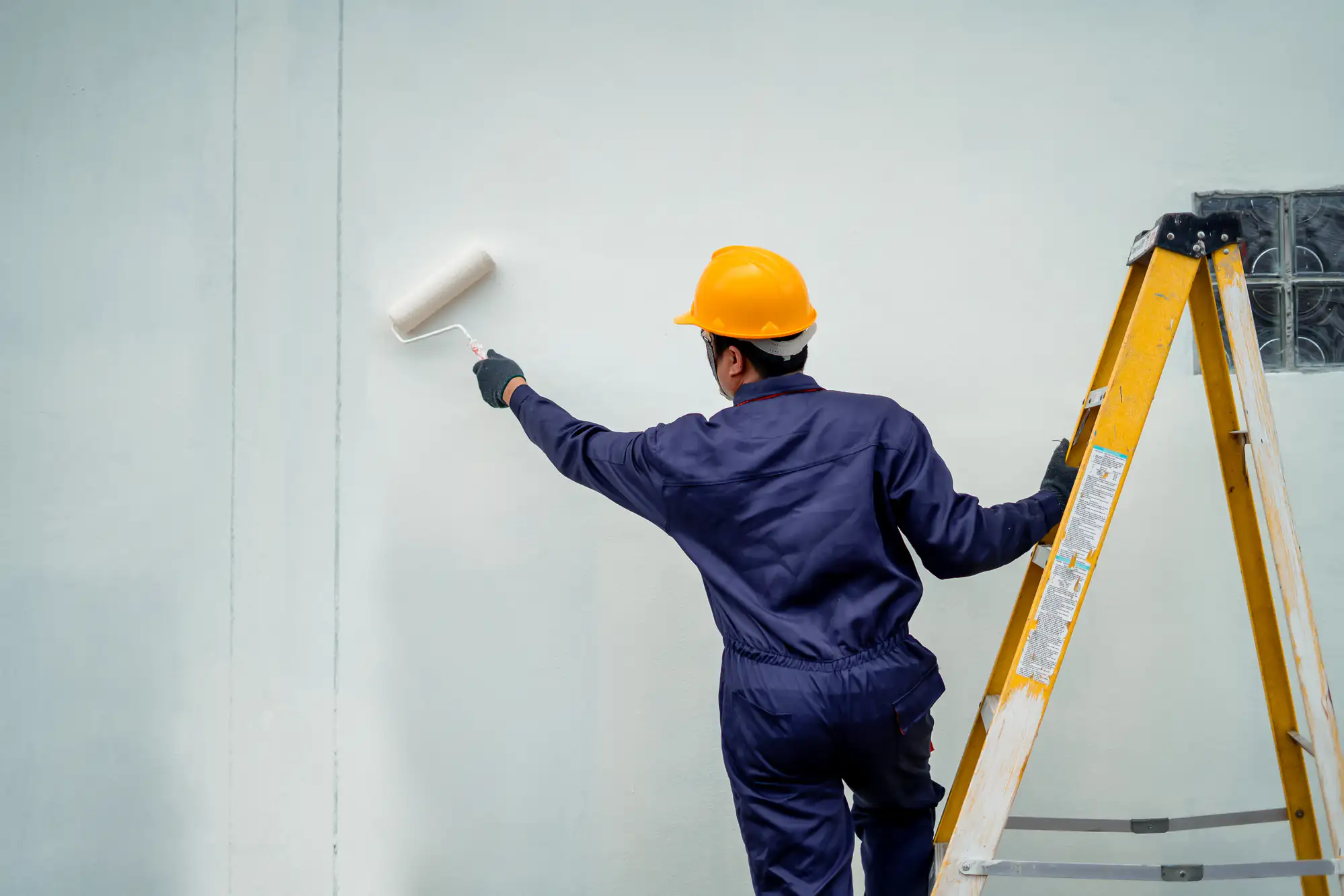
Orlando Exterior Painting Contractors
Most exterior paint jobs in Orlando start showing problems within three to four years. Fading happens faster here than almost anywhere else because of the UV intensity. Add in humidity that won’t quit and rain that comes out of nowhere, and you’re looking at peeling, blistering, or mildew before you’ve even finished paying off the project.
The difference isn’t just the paint. It’s knowing which products actually hold up in this climate, how to prep surfaces so moisture doesn’t get trapped underneath, and what application methods prevent early failure. When the work is done right, you’re not repainting every five years. You’re getting a decade or more of protection.
You also shouldn’t have to chase down your contractor for updates. Clear estimates, realistic timelines, and job sites that stay clean aren’t extras—they’re baseline expectations. If you’ve dealt with contractors who go silent mid-project or leave your property looking like a disaster zone, you know how much that communication gap costs you in stress alone.
Home Painters Near Me Orlando
We’ve spent over 20 years working on homes across Orange, Seminole, Osceola, Volusia, Brevard, and Lake Counties. Our owner built his foundation in structural repair, working alongside engineers and national companies before focusing full-time on stucco and exterior painting. That background means understanding how Florida homes are built, where they fail, and what it takes to protect them long-term.
We handle everything from surface prep to final coat, and we do it without disappearing halfway through or leaving you guessing about timelines. With a 5.0 Google rating and 4.6 overall rating across 145 reviews, the consistency shows. Homeowners in Winter Park, Baldwin Park, and Thornton Park deal with paint breakdown faster than most neighborhoods because of persistent humidity and sun exposure—so our crews have seen just about every exterior challenge Central Florida can throw at them.
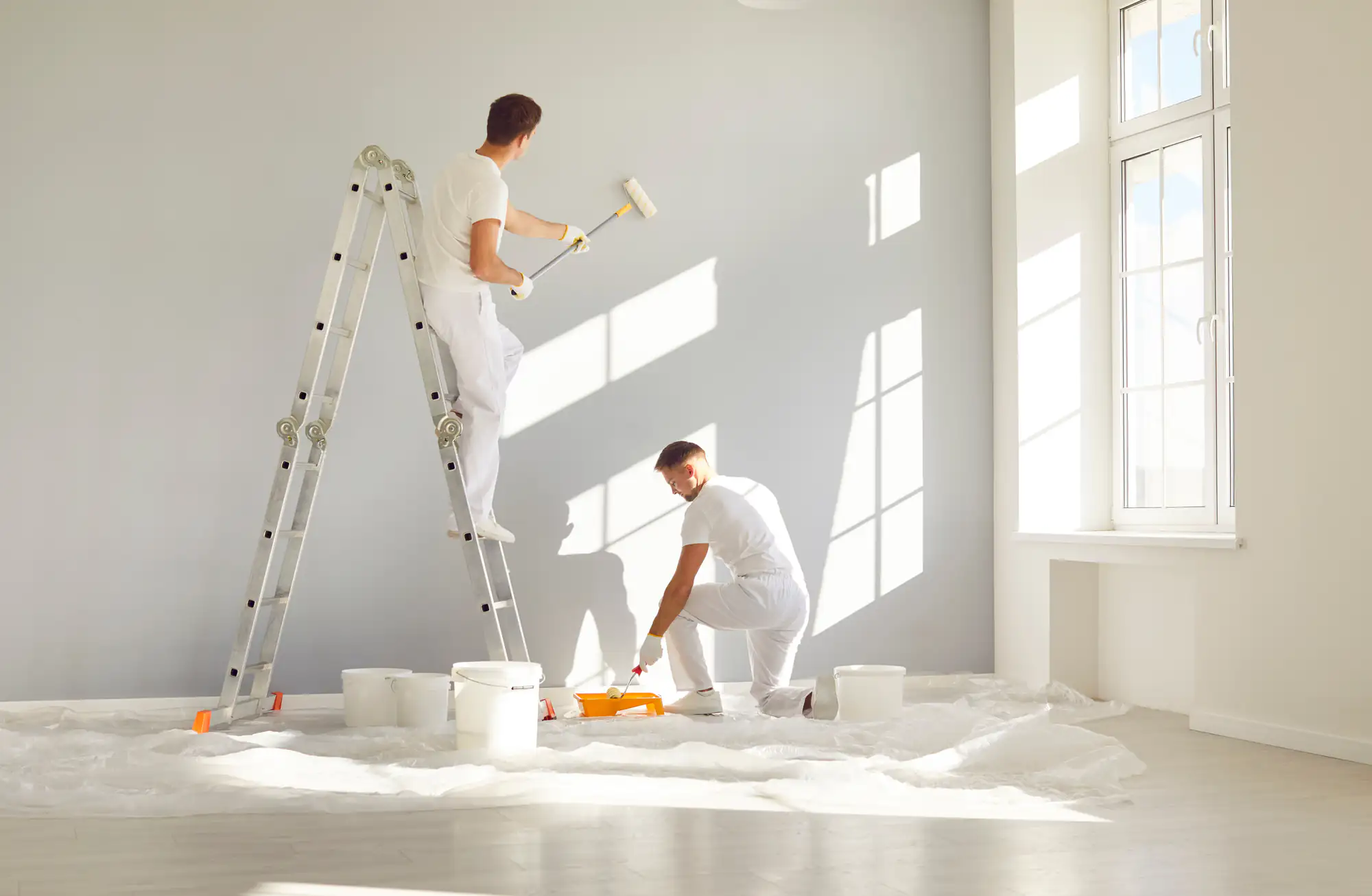
Exterior Painting Companies Near Me
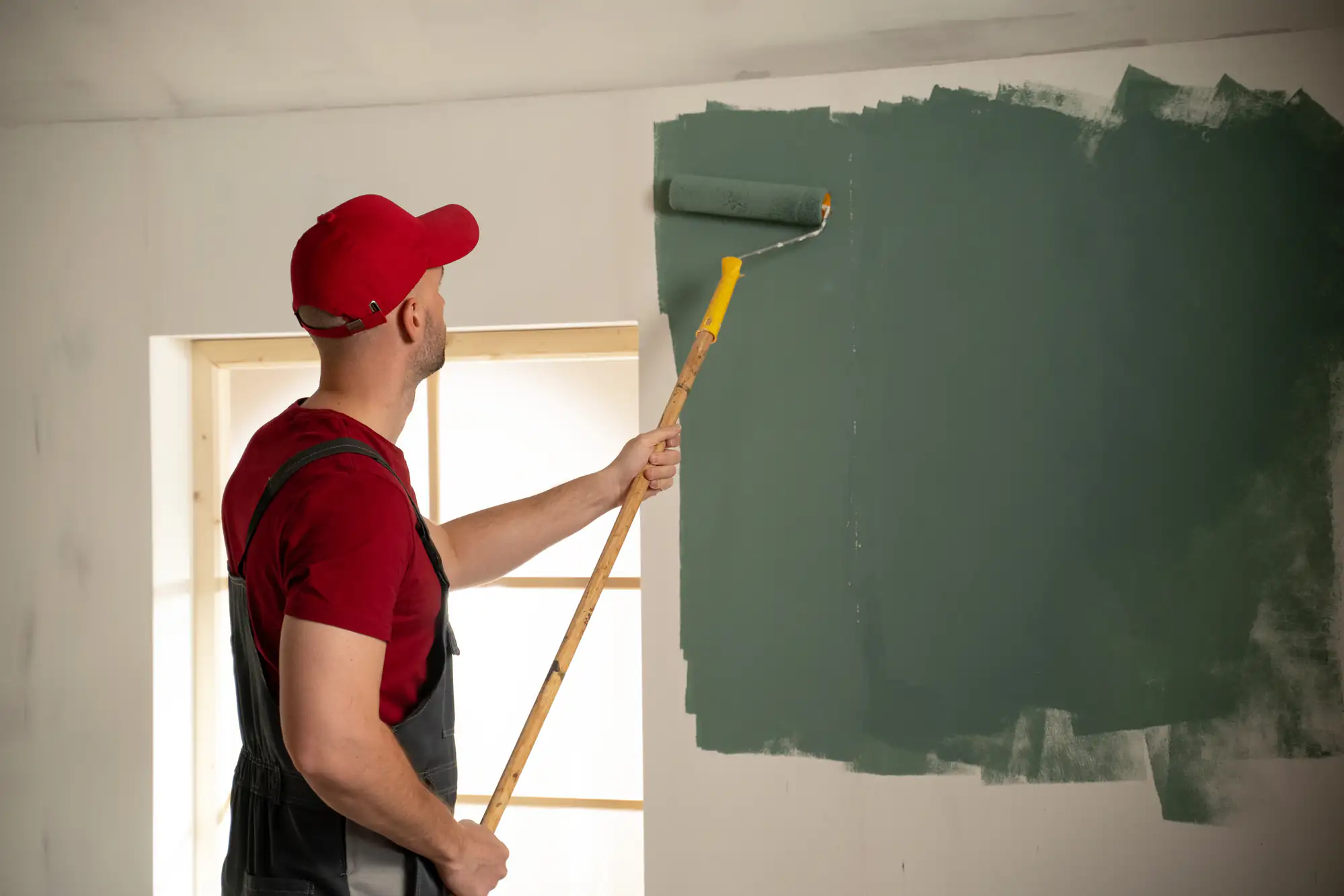
It starts with an on-site assessment. You’ll get a walkthrough of what needs attention—not just a surface-level glance, but a real look at prep requirements, problem areas, and which coatings make sense for your home’s age and exposure. The estimate breaks down labor, materials, and timeline so there’s no confusion about what you’re paying for.
Prep work comes next, and it’s not optional. Surfaces get cleaned, scraped, and primed correctly. If there’s existing damage—cracks, moisture intrusion, or failing caulk—it gets addressed before any paint goes on. Skipping this step is why most paint jobs fail early. The application itself uses climate-resistant products designed for Florida’s conditions, applied in multiple coats with attention to coverage and cure time between layers.
Once the work is done, the site gets cleaned up. No paint cans left behind, no mess in your landscaping. You’ll do a final walkthrough to make sure everything meets expectations. If something needs a touch-up, it gets handled before we leave. The goal is a finished project you don’t have to think about again for years.
Ready to get started?
Exterior Painters Near Me Orlando
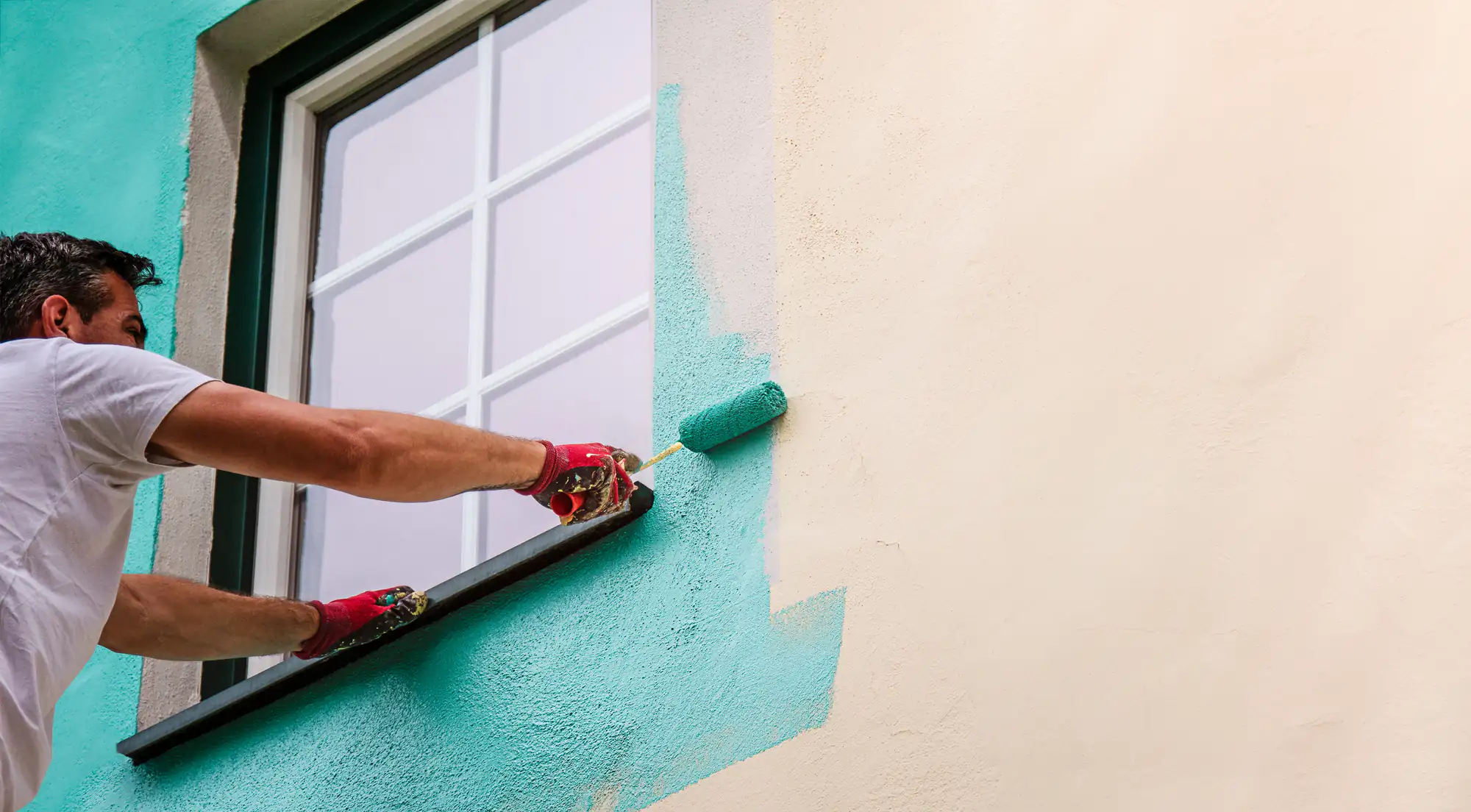
A complete exterior painting project covers more than just rolling paint onto siding. It includes pressure washing to remove dirt, mildew, and loose material. It includes scraping and sanding to create a smooth, stable surface. It includes caulking gaps around windows, doors, and trim to prevent moisture from getting behind the paint. And it includes priming, especially on bare wood or previously failed areas, so the topcoat actually bonds.
In Orlando and surrounding areas like Kissimmee, Sanford, and Apopka, homes built in the 1990s and early 2000s are hitting the point where original paint is breaking down. Stucco exteriors, which are common here, need specific prep to avoid trapping moisture. Wood trim and fascia boards take a beating from the sun and need extra attention. The paint itself has to resist UV degradation, handle high humidity during curing, and stand up to algae growth that thrives in Florida’s wet season.
Color choice matters more than most people realize. Darker colors absorb more heat and fade faster under constant sun exposure. Lighter tones reflect UV rays and tend to last longer, but they also show dirt and mildew more easily. The right product selection balances durability with the look you want—and that’s where experience with Florida-specific conditions makes a difference.
How long does exterior paint last on a house in Orlando?
In Central Florida, you’re looking at five to seven years for a standard paint job, and up to ten or more if the prep work and product selection are done right. The difference comes down to climate. Orlando’s combination of intense UV exposure, high humidity, and frequent rain breaks down paint faster than it would in most other parts of the country.
Cheaper paints start fading within two to four years. You’ll notice it first on south- and west-facing walls that get the most sun. Darker colors lose their richness even faster because UV rays break down the pigments. If the surface wasn’t prepped correctly—meaning old paint wasn’t scraped off, or the siding wasn’t cleaned and primed—you’ll see peeling and blistering within a few years as moisture gets trapped underneath.
The homes that go a decade between repaints are using high-quality, climate-resistant coatings and getting proper surface prep. That means pressure washing, scraping, priming, and using products specifically rated for Florida’s conditions. It’s not just about slapping on an extra coat. It’s about creating a system that can handle what this climate throws at it.
What causes paint to peel or blister in Florida?
Moisture is the main culprit. When water gets trapped between the paint and the surface underneath, it creates pressure as temperatures rise. That pressure causes the paint to bubble up and eventually peel away. In Florida, this happens faster because of the constant humidity and sudden temperature swings between morning and afternoon.
Poor surface prep is usually to blame. If the exterior wasn’t cleaned properly before painting, dirt and mildew create a barrier that prevents the paint from bonding. If old, failing paint wasn’t scraped off, the new coat just sits on top of a weak layer that’s already compromised. And if bare wood or stucco wasn’t primed, moisture can seep through and push the paint off from behind.
Caulking failures also play a role. Gaps around windows, doors, and trim let water infiltrate behind the siding. Once it’s back there, it has nowhere to go, so it works its way out through the paint. That’s why a proper exterior paint job includes inspecting and re-caulking all those vulnerable spots. Skipping that step might save an hour of labor, but it costs you years of durability.
How do I choose the right paint color for Florida sun?
Lighter colors last longer in Florida because they reflect UV rays instead of absorbing them. Whites, soft grays, and warm neutrals hold their color better over time and don’t trap as much heat, which reduces the stress on the paint film. Darker shades—deep blues, charcoals, rich greens—look great initially, but they fade faster and require more frequent touch-ups.
That doesn’t mean you’re stuck with boring colors. You can use darker tones as accents on trim, shutters, or doors where they’re less exposed to direct sun. Or you can choose high-quality paints with UV inhibitors that are specifically formulated to resist fading. These cost more upfront, but they hold their color longer, which means fewer repaints and better curb appeal over time.
The other factor is heat. Dark colors on south- and west-facing walls can get hot enough to soften the paint, making it more vulnerable to damage. If you’re set on a darker exterior, make sure your painter is using a product rated for high heat and UV exposure. And expect to repaint those surfaces more often than you would with a lighter palette.
What's the best time of year to paint a house exterior in Orlando?
Late fall through early spring—roughly November through April—is the most reliable window. You get lower humidity, more consistent temperatures, and fewer afternoon thunderstorms. Paint needs time to cure properly, and Florida’s summer weather works against that. High humidity slows down drying, and sudden rain can ruin a fresh coat before it has a chance to set.
That said, experienced exterior painting contractors can work year-round if they time the application carefully. Morning starts are key during the rainy season because storms typically roll in during the afternoon. The goal is to get paint on and partially cured before the weather turns. If it’s too humid or too hot, the paint won’t bond correctly, and you’ll end up with adhesion problems down the line.
Winter months also give you better scheduling flexibility. Demand is lower, so you’re not waiting weeks for a crew to become available. And because the conditions are more predictable, the project is less likely to get delayed by weather. If you’re planning an exterior paint job, reaching out in the fall means you can lock in a timeline that works without fighting against Florida’s summer storms.
How much does it cost to paint a house exterior in Orlando?
For a typical single-family home in the Orlando area, you’re looking at somewhere between $3,000 and $8,000, depending on size, condition, and the level of prep work required. A 1,500-square-foot house with minimal repairs might come in on the lower end. A 2,500-square-foot home with wood trim that needs scraping, caulking, and priming will cost more.
The biggest variables are surface condition and access. If your exterior has peeling paint, rotted wood, or stucco cracks, those issues have to be fixed before any paint goes on. That adds labor and materials. Two-story homes or homes with steep rooflines require more time and equipment, which increases the cost. And if you’re using premium, climate-resistant paint instead of a standard product, that’s another factor.
Cheaper quotes usually mean corners are being cut—either in prep work, product quality, or labor. You might save $1,000 upfront, but if the paint starts failing in three years instead of eight, you’re paying for it twice. The goal is to find a contractor who’s transparent about what’s included, uses quality materials, and doesn’t disappear once the deposit clears. That’s worth more than the lowest bid.
Do I need to repaint my whole house or just touch up problem areas?
If the damage is isolated to one or two walls and the rest of the paint is still in good shape, a targeted repaint can work. But if you’re seeing fading, chalking, or peeling on multiple sides of the house, a full exterior repaint is the smarter move. Spot fixes rarely blend perfectly, especially after a few years of weathering, and you’ll end up with a patchwork look that stands out.
The other issue is that if one section is failing, the rest probably isn’t far behind. Paint ages at different rates depending on sun exposure, but once it starts breaking down, the clock is ticking on the other areas too. Repainting the whole exterior at once gives you a uniform finish and resets the timeline so you’re not dealing with touch-ups every year.
There are exceptions. If you’ve had recent repairs—maybe a section of siding was replaced, or trim boards were swapped out—those areas can be painted to match without redoing everything. But if the existing paint is more than seven or eight years old and showing wear, it’s time to think about a full refresh. Trying to stretch it another few years usually costs more in the long run because the prep work gets more extensive as the damage spreads.
Other Services we provide in Orlando