House Painters in Winter Park, FL
Exterior Paint That Actually Lasts in Florida
Hear from Our Customers
Exterior Painters Near Me in Winter Park
Most exterior painting contractors treat Florida homes like they’re in Colorado. Wrong products. Wrong prep. Wrong timing.
The result? Peeling within two years. Fading within one summer. Mold creeping up your siding before you’ve even made the second payment.
You’re looking at this because your paint is already failing, or you’re smart enough to avoid hiring someone who’ll make it fail. Either way, you need exterior painters who actually know what 90% humidity does to a paint job. We’ve spent over 20 years watching other contractors cut corners on prep work, skip moisture barriers, or schedule jobs during the worst possible weather windows. Then we’re the ones homeowners call to fix it.
Here’s what actually works: climate-specific products that resist moisture and UV damage, proper surface prep that accounts for Florida’s temperature swings, and timing that respects the 50+ inches of rain Winter Park gets every year. Your paint should protect your investment, not become another expensive mistake. When we’re done, you get a finish that holds up to what Central Florida throws at it.
Winter Park Exterior Painting Contractors
We’ve been exterior painting contractors in Winter Park and across Central Florida for over 20 years. That’s two decades of learning exactly how this climate attacks exterior paint, and what actually prevents it.
Winter Park homes aren’t cheap. The median property value here is $676,800, and over 40% of housing stock was built between the 1940s and 1960s. You’re maintaining a significant asset in a historic community that expects homes to look sharp. We get that.
Our reputation sits on clear communication, realistic timelines, and clean job sites. We’re not the crew that disappears for three days mid-project or leaves your landscaping covered in paint chips. You’ll know what’s happening, when it’s happening, and what to expect when we’re finished. That’s why we maintain a 5.0 Google rating and 4.6 overall rating across 145 reviews.
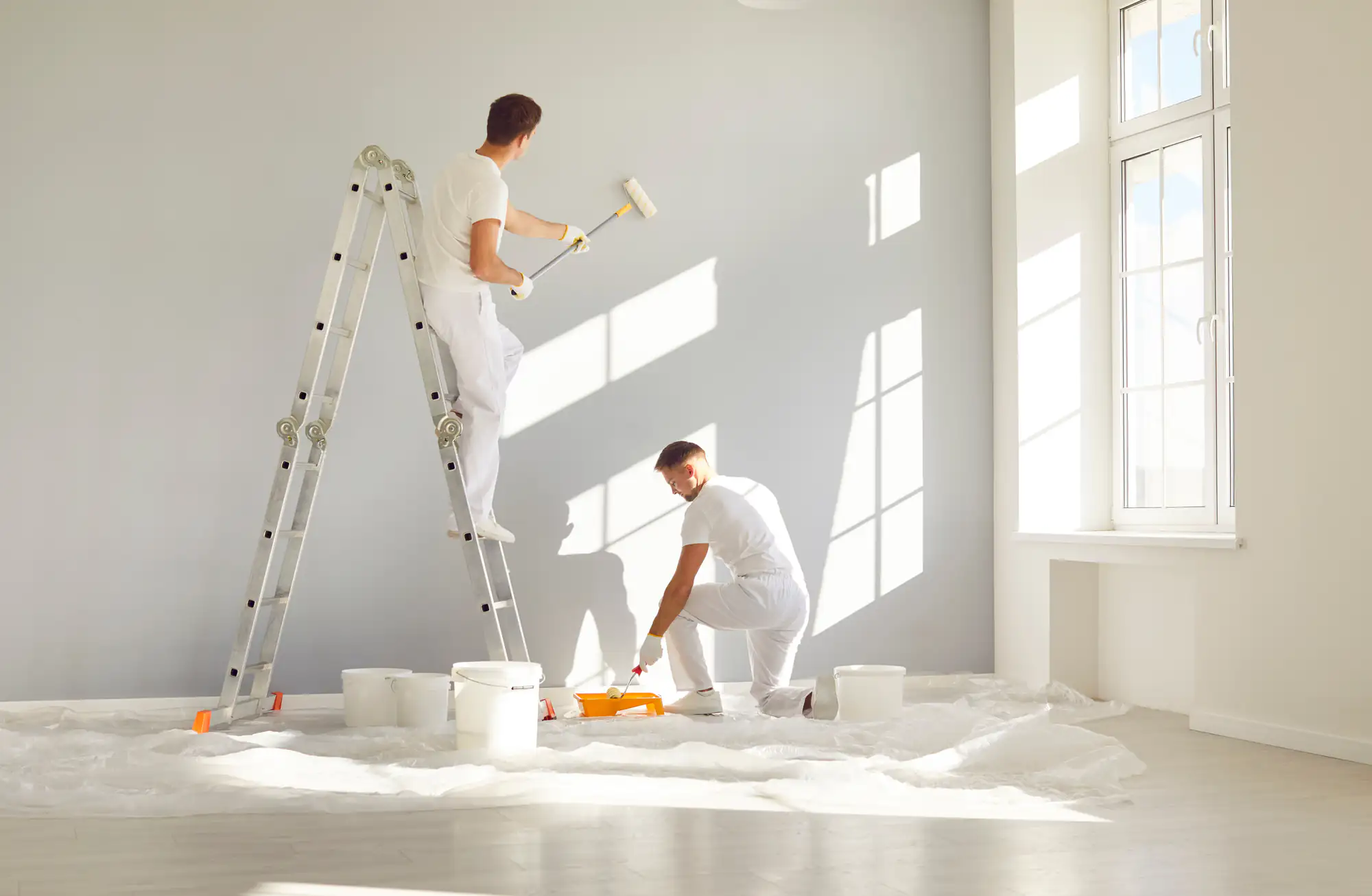
Professional House Painters Winter Park Process
First, we assess what you’re actually dealing with. Not every peeling paint job needs a full strip and repaint. Sometimes it’s a moisture issue, sometimes it’s failed caulking, sometimes the previous crew just didn’t prep correctly. We’ll tell you what’s wrong and what it’ll take to fix it right.
Next comes surface prep, which is where most exterior home painters lose the job before they even open a paint can. We’re stripping failed coatings, addressing wood rot, fixing cracks, and priming properly. If moisture is getting behind your paint, we’re solving that before we add new coats. This phase takes longer than you’d expect, and it’s the reason your paint will actually last.
Then we paint during the right weather window. We’re not scheduling your job during summer afternoon thunderstorms or peak humidity. We work shorter hours when needed, chase shade, and let coats cure properly. The goal isn’t to finish fast—it’s to finish right.
Finally, we walk the property with you. You’ll see clean lines, protected landscaping, and a finish that looks like it should. No surprises, no “we’ll come back and fix that later.” It’s done when it’s actually done.
Ready to get started?
What's Included With Our Painting Services
You’re getting a full assessment of your exterior’s current condition, including any underlying issues that’ll cause your new paint to fail if ignored. We’re identifying moisture problems, wood damage, and failed caulking before we talk about color.
Surface prep includes pressure washing, scraping failed paint, sanding, priming bare wood, and filling cracks. If your trim is rotted, we’re addressing it. If your stucco has cracks, we’re repairing them. The paint is only as good as what’s underneath it.
We’re using climate-appropriate products designed for Florida’s humidity, UV exposure, and temperature swings. That means moisture-resistant primers, mildew-resistant paints, and UV-blocking topcoats. These aren’t the same products you’d use in Arizona or Maine. Florida requires different chemistry.
Winter Park’s historic character means details matter. We’re protecting your landscaping, keeping job sites clean, and respecting that your neighbors are close enough to notice if we’re sloppy. You’ll get clear communication throughout the project, realistic timelines we actually hit, and a final walkthrough where we address anything that’s not right. The exterior painting companies that skip this step are the ones you’ll be calling us to fix later.
How long does exterior paint actually last in Winter Park's climate?
Honestly? It depends entirely on the prep work, product selection, and when the job was done.
A properly executed exterior paint job using Florida-appropriate products should give you 7-10 years before you’re looking at a repaint. But that’s assuming we used moisture-resistant primers, mildew-resistant finish coats, and didn’t schedule your job during the rainy season when humidity prevents proper curing. Most exterior painters are quoting you based on getting the job done fast, not getting it done right.
Here’s what kills paint in Winter Park: humidity causes improper drying and traps moisture under the surface, leading to bubbling and peeling. UV exposure breaks down paint chemistry, causing fading and chalking. Temperature swings make paint expand and contract, creating cracks. And our 50+ inches of annual rainfall finds every gap in your caulking and works its way behind your paint.
If your current paint is failing in under five years, someone cut corners. Either they used the wrong products, skipped proper prep, or painted during weather conditions that prevented proper adhesion. You’re not getting your money’s worth if you’re repainting every three years.
What's the best time of year to paint my home's exterior in Central Florida?
Late fall through early spring—roughly October through April. That’s Florida’s dry season when humidity drops and you’re not fighting afternoon thunderstorms.
Exterior painting contractors who tell you they can paint year-round aren’t technically wrong, but they’re not being straight with you about the risks. Summer painting in Central Florida means working around daily rain, 90%+ humidity, and extreme heat that affects how paint dries and adheres. We’ve seen plenty of summer paint jobs fail within a year because the conditions just weren’t right for proper curing.
During the ideal window, we’re working shorter hours (typically 7:00 AM to 1:00 PM) to avoid peak heat and we’re “chasing the shade” around your house. Paint needs specific temperature ranges and humidity levels to cure properly. Too hot, and it dries too fast, causing poor adhesion. Too humid, and moisture gets trapped under the surface.
If you’re getting quotes from other painters who are eager to start your project in July, ask them how they’re planning to handle the daily 3:00 PM thunderstorms and 95-degree heat index. The honest ones will suggest waiting. The desperate ones will take your money and hope for the best.
Why is my exterior paint peeling, and how do you prevent it?
Peeling happens when moisture gets trapped under your paint, and in Florida, that’s almost always a prep problem or a product problem.
Water is getting behind your paint through failed caulking, cracks in your stucco or siding, or because the previous painter didn’t use a proper moisture barrier. Once water is trapped under there, Florida’s heat causes it to expand, pushing the paint off the surface. You’ll see bubbling first, then peeling. It’s not a paint failure—it’s a moisture management failure.
Here’s how we prevent it: we’re identifying and sealing every entry point for moisture before we prime. That means recaulking windows and trim, repairing cracks in stucco, replacing rotted wood, and using moisture-resistant primers that create an actual barrier. Then we’re using exterior paints formulated with mildew resistance, because Florida’s humidity will grow mold under standard paint within a year.
The painters who skip this step are the reason you’re dealing with peeling paint right now. They’re treating your Florida home like it’s in a dry climate, using standard primers and paints, and hoping it holds up. It won’t. You need someone who understands that painting in Winter Park requires different prep, different products, and different techniques than painting in most of the country.
How much does professional exterior painting cost for a Winter Park home?
For a typical Winter Park single-family home, you’re looking at $4,000 to $12,000+ depending on size, condition, and how much prep work is actually needed.
Here’s what drives that range: a 1,500 square foot home in decent shape with minimal prep needs will cost significantly less than a 3,000 square foot home with rotted trim, failed stucco, and paint that needs complete stripping. The condition of your exterior matters more than the size. If we’re spending three days on prep work before we even open a paint can, that’s reflected in the price.
You’ll find cheaper quotes from painters who are planning to skip the prep work, use builder-grade paint, and move fast. Those jobs fail within two years, and then you’re paying to have it done again. The real cost isn’t the initial invoice—it’s how many times you have to repaint over the next decade.
We’re transparent about what your project actually needs. If your trim is rotted, we’ll tell you. If your stucco has cracks that need repair, you’ll know before we start. And if your paint is in good enough shape that you can get away with a quality cleaning and touch-up instead of a full repaint, we’re not going to upsell you on work you don’t need. Given that exterior painting can increase your home value by 2-5% and provides an average ROI of 51%, you’re protecting a significant investment when you do it right.
Do you handle both stucco and traditional siding painting?
Yes, and stucco is actually where our expertise runs deepest—we’ve been stucco specialists for over 20 years.
Stucco requires different prep, different products, and different application techniques than wood or vinyl siding. You can’t treat them the same way. Stucco is porous, which means it absorbs moisture differently. It cracks as homes settle. And in Central Florida, stucco systems are your first line of defense against hurricane-force winds and wind-driven rain. When properly maintained, stucco can withstand 130 mph winds and reduces your cooling costs by 15-25% compared to vinyl siding.
Before we paint stucco, we’re inspecting for cracks, checking for moisture intrusion, and repairing any damage to the stucco system itself. Then we’re using masonry primers and elastomeric paints that move with your stucco as it expands and contracts. These products cost more than standard exterior paint, but they’re engineered for stucco’s specific needs.
For traditional siding—whether it’s wood, fiber cement, or vinyl—we’re using appropriate primers and paints for each material. Wood needs moisture barriers and mildew-resistant topcoats. Fiber cement needs products that bond to the cement surface. Vinyl technically doesn’t need painting, but if you’re doing it for color, we’re using vinyl-safe paints that won’t cause warping. The painters who use the same products on every surface are cutting corners. Different materials require different approaches.
How do I know if I need a full repaint or just touch-ups?
If more than 30% of your painted surfaces show fading, peeling, or cracking, you’re looking at a full repaint. Anything less, and targeted repairs might buy you a few more years.
Here’s the test: walk around your home and look at the areas that get the most sun exposure and weather—typically south and west-facing walls. If those sections show significant fading or chalking (where the paint surface feels powdery), that UV damage has compromised the paint’s protective qualities. You can touch it up, but the new paint won’t match, and you’re just delaying the inevitable.
Peeling is non-negotiable. If you’ve got peeling, you need to address it now before moisture damage spreads to the underlying wood or stucco. Touch-ups won’t fix it because the problem isn’t the paint—it’s what’s happening underneath. We’ll need to strip the failed areas, address the moisture source, prep properly, and repaint.
Cracking and caulking failures are early warning signs. If your window trim caulking is cracked or missing, water is getting in. If you see hairline cracks in your stucco, they’ll spread. These are fixable with targeted repairs, but only if you catch them before they turn into bigger problems. Most exterior painting companies will push you toward a full repaint because it’s a bigger job. We’ll tell you honestly what you need now and what can wait. If repairs will get you another three years, and you’re planning to repaint when you list the house anyway, we’ll say so.
Other Services we provide in Winter Park