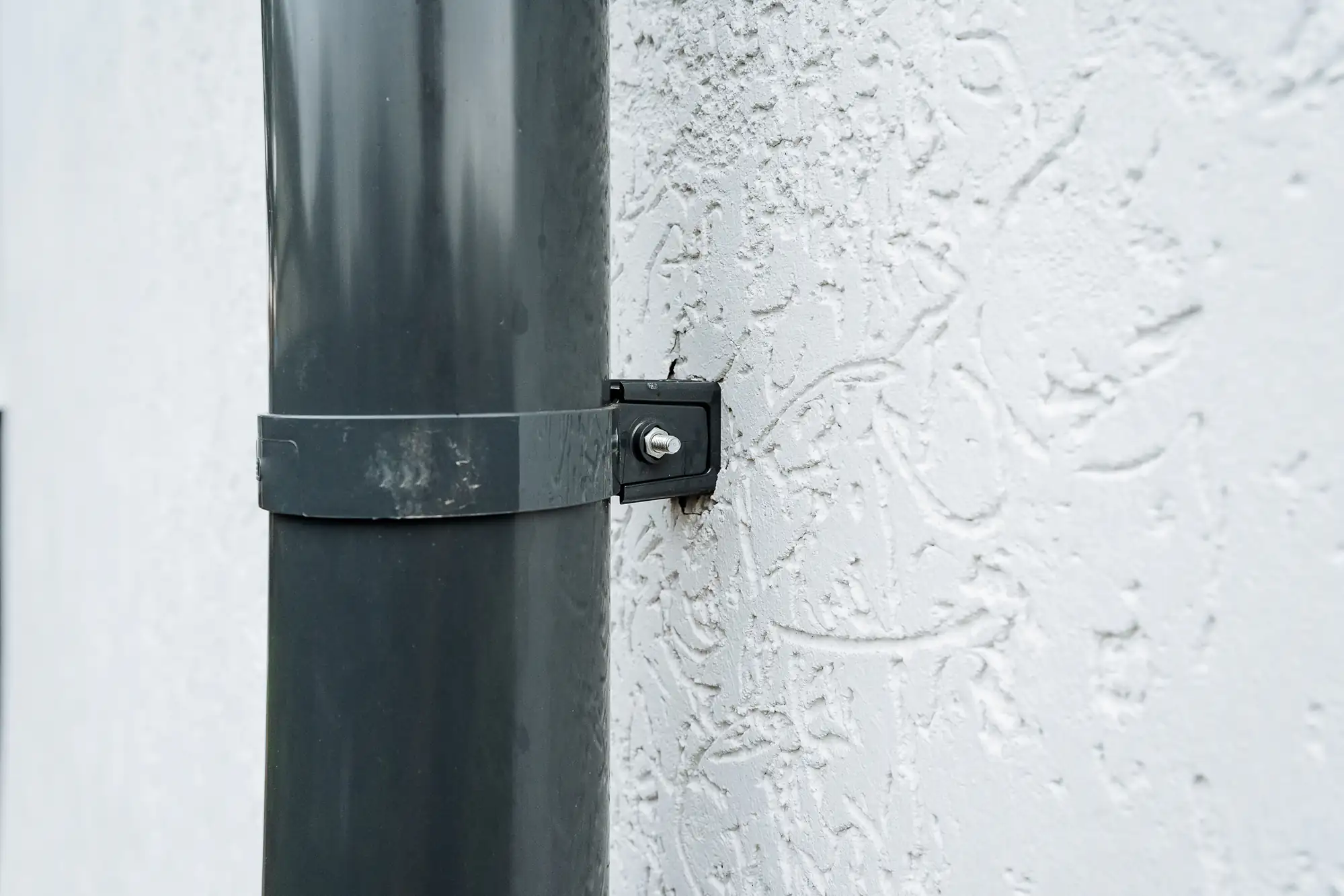
Stucco Installation in Deltona, FL
Stucco That Actually Survives Florida's Climate
Hear from Our Customers
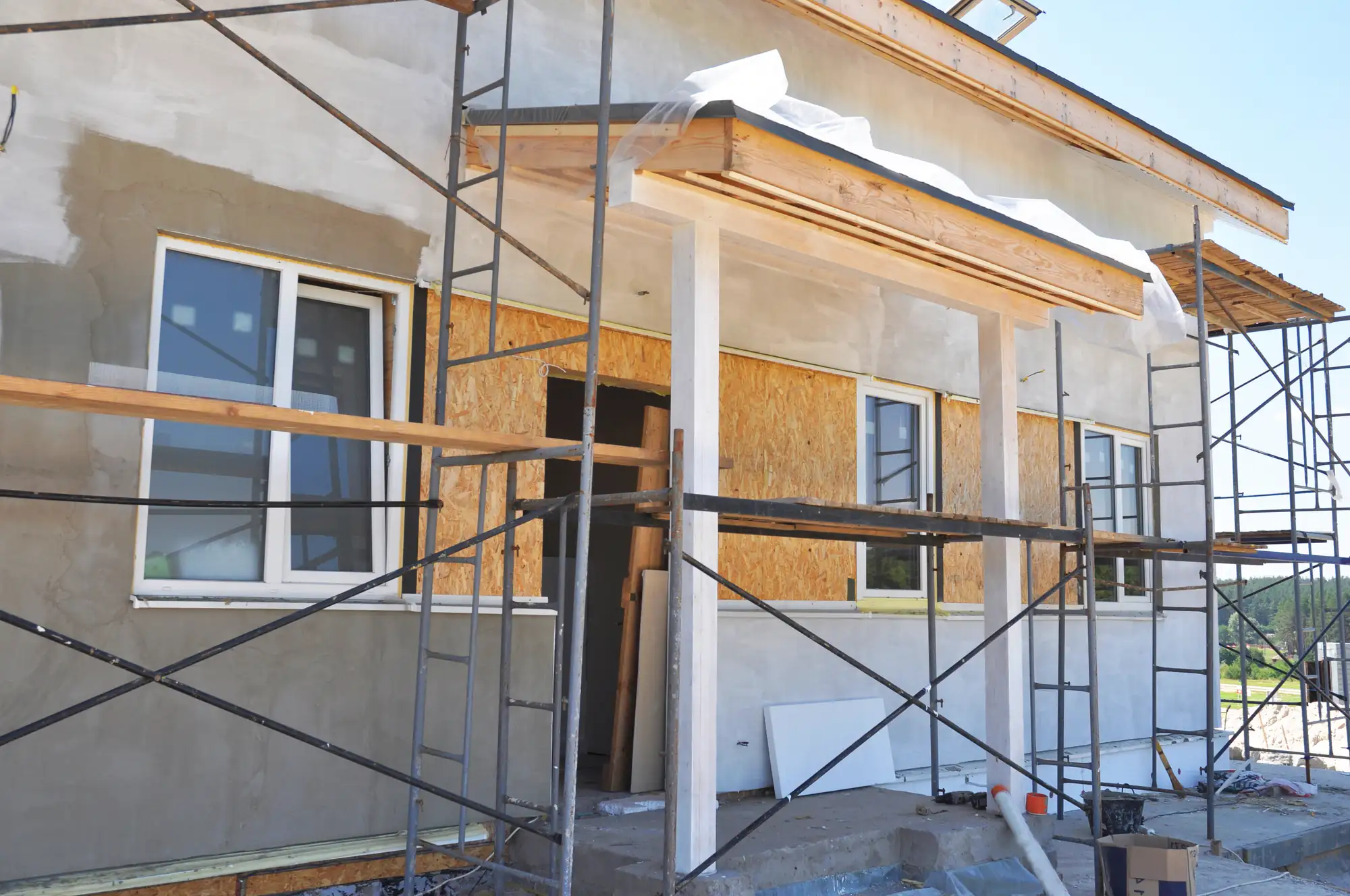
Stucco Contractor Serving Deltona, FL
When stucco goes on right, you’re looking at 50 to 80 years of protection. That’s not marketing talk—that’s what happens when moisture barriers get installed correctly, when the mix is formulated for Florida’s humidity, and when the crew knows what they’re doing.
You’ll see lower energy bills. Stucco insulates better than vinyl or wood siding, which means your AC isn’t working overtime every summer. In Central Florida, that adds up fast.
And if you’re dealing with insurance costs—and who isn’t—block and stucco construction typically qualifies for lower premiums. Insurers know it holds up better in storms. You get credit for that.
The real outcome? You stop worrying about your exterior. No repainting every few years. No replacing rotted boards. No termite damage eating through your walls. Just a solid, low-maintenance surface doing its job.
Deltona Stucco Installation Experts
We’ve been working in Central Florida since before stucco became the go-to exterior for most homes in this region. We’ve seen what works and what fails when humidity hits 90% and storms roll through every summer.
We’re not the cheapest option in Deltona. But if you’re comparing quotes, you should know what you’re actually paying for: crews who prep correctly, materials mixed for Florida’s climate, and moisture barriers installed where they need to be. That’s the difference between stucco that lasts and stucco that fails in five years.
Our service area covers Deltona, Orlando, Daytona Beach, and everywhere in between. We show up when we say we will, we keep the job site clean, and we give you realistic timelines—not optimistic ones that fall apart halfway through.
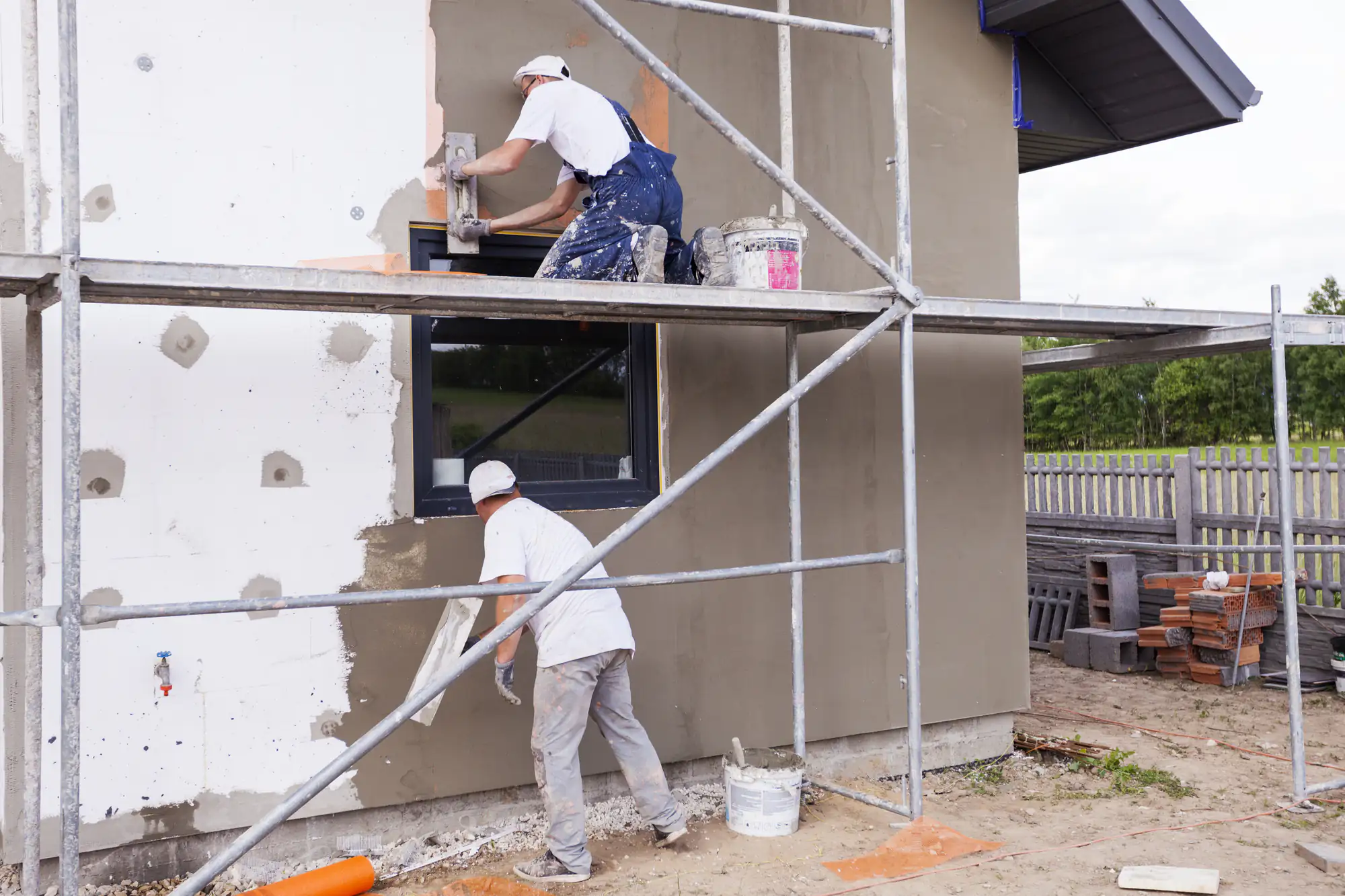
Stucco Installation Process in Deltona
First, we assess your exterior. That means looking at your substrate, checking for existing moisture issues, and making sure the surface is ready for stucco. If there’s a problem, we tell you before we start—not after.
Next comes prep work. This is where most contractors cut corners, and it’s where most stucco failures start. We install proper moisture barriers and ensure drainage is handled correctly. In Deltona’s climate, water intrusion isn’t a possibility—it’s a guarantee if the prep work is wrong.
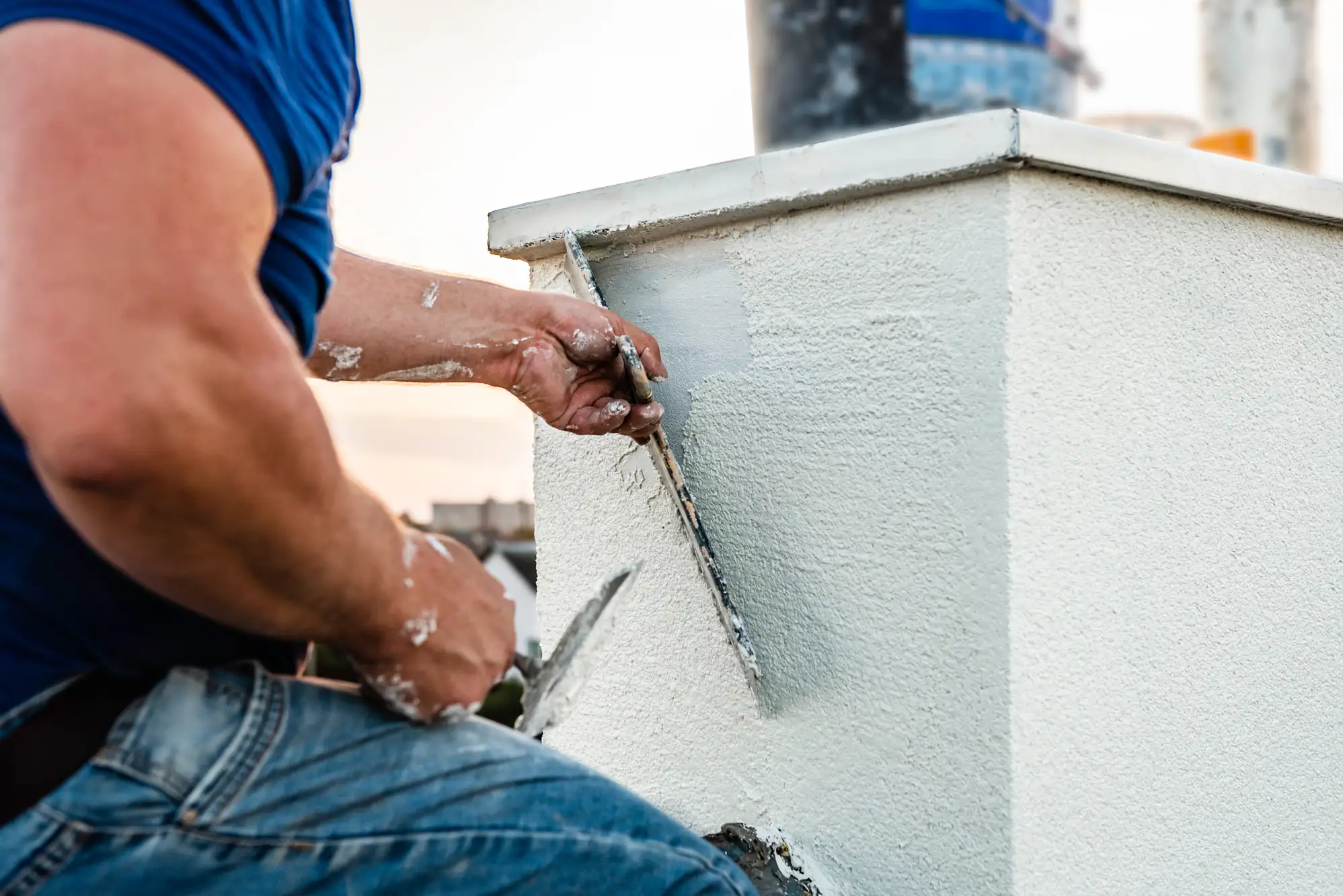
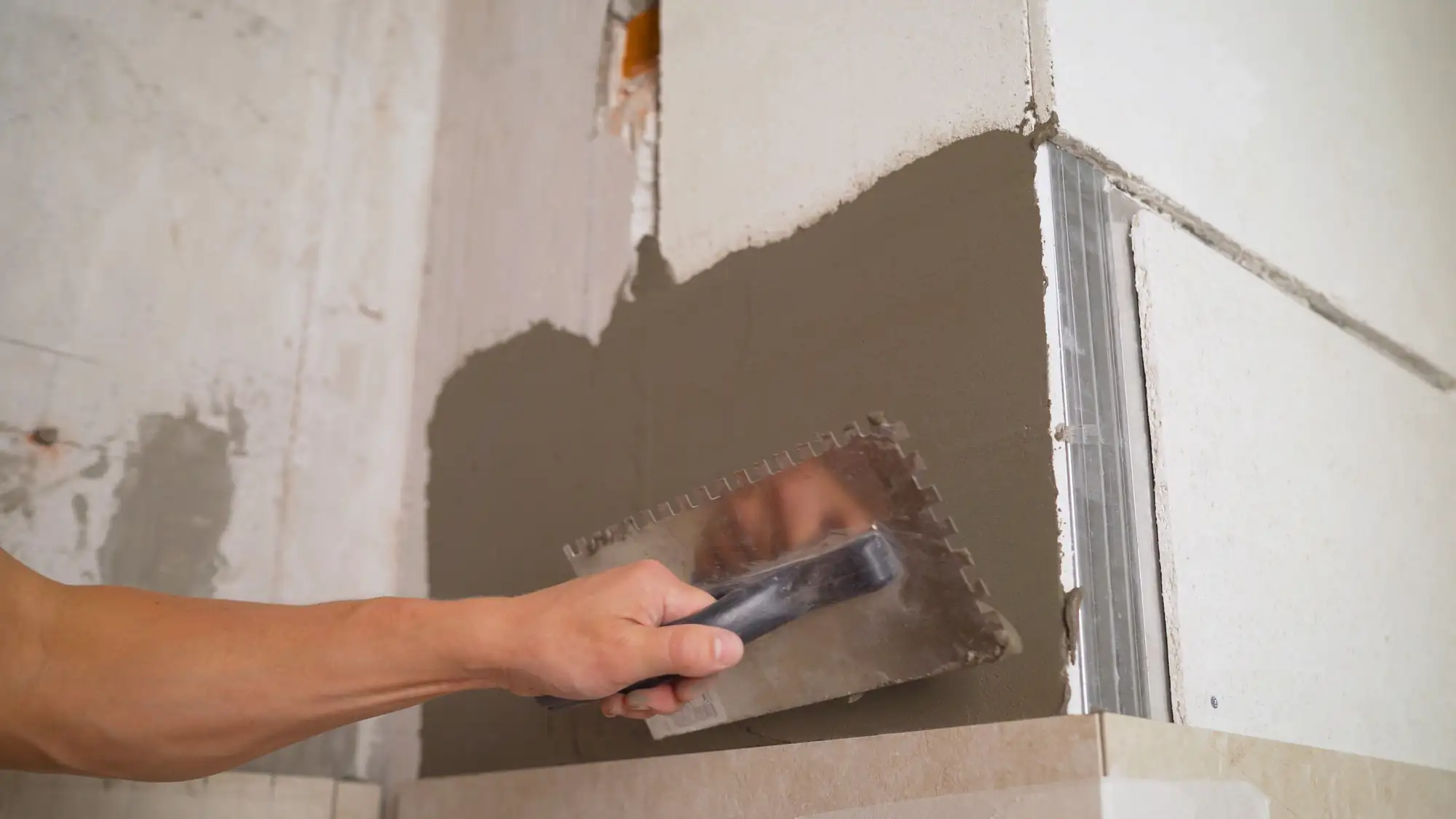
Then we apply the stucco in layers. Base coat, reinforcement mesh, and finish coat. Each layer needs time to cure properly. Rushing this process in Florida’s heat and humidity causes cracking and adhesion problems down the road.
Finally, we apply the finish texture and seal everything. You pick the look—smooth, sand, or something in between. We make sure it’s applied evenly and sealed against UV damage, which is brutal in Central Florida.
The whole process takes longer than you’d think. That’s intentional. Stucco that’s rushed fails early.
Ready to get started?
Stucco Services in Deltona, FL
You’re getting a complete exterior system, not just a coating. That includes moisture barriers designed specifically for Florida’s humidity levels, which are consistently above 70%. Without proper barriers, water gets behind your stucco within months.
We use stucco mixes formulated with UV-resistant additives. Deltona gets intense sun exposure year-round, and standard mixes fade and degrade faster here than in other parts of the country. You need materials that account for that.
The installation also includes proper flashing around windows and doors, reinforcement mesh in high-stress areas, and expansion joints where your home’s structure needs them. These aren’t extras—they’re requirements if you want stucco that doesn’t crack.
And because Deltona sits in a hurricane zone, we pay attention to how stucco bonds to your exterior. When wind speeds hit 100+ mph, poorly installed stucco can peel off in sheets. Proper bonding and reinforcement prevent that. It’s not common, but when it happens, the repair costs are massive.
How much does stucco installation cost in Deltona, FL?
In Central Florida, you’re looking at $9 to $22 per square foot for stucco installation. For a typical 2,000-square-foot home, that’s $18,000 to $44,000 total.
The range is wide because it depends on your home’s current condition, the prep work required, and the finish you choose. If we’re installing over block, that’s straightforward. If we’re removing old siding first or repairing substrate damage, costs go up.
Smooth finishes cost less than textured ones. Single-story homes are cheaper than two-story because of scaffolding and labor time. And if you’re in a neighborhood with HOA color requirements, custom color matching adds to the cost. Get a detailed estimate that breaks down labor, materials, and prep work so you know exactly what you’re paying for.
How long does stucco installation take on a house?
For most homes in Deltona, plan on two to three weeks from start to finish. That includes prep, application, and proper curing time between coats.
Weather affects the timeline significantly. If we get heavy rain or high humidity spikes—which happen frequently in Central Florida—we have to pause between coats to let things cure correctly. Rushing this causes adhesion problems and cracking later.
Larger homes or homes with complex architectural details take longer. Two-story homes require more scaffolding setup and teardown. And if we find moisture damage or substrate issues during prep, we handle those first before any stucco goes on. It’s better to add a few days to the schedule than to cover up problems that will cost you tens of thousands later.
Will stucco hold up in Florida's humidity and storms?
Yes, if it’s installed correctly. Stucco is one of the most common exterior finishes in Florida specifically because it handles humidity and storm conditions better than most alternatives.
The key is proper moisture barrier installation. Florida’s humidity levels stay above 70% most of the year, and afternoon thunderstorms dump water on your exterior constantly. If moisture barriers aren’t installed right, water gets behind the stucco and causes mold, mildew, and structural damage. That’s where Florida’s “billion-dollar stucco problem” comes from—contractor shortcuts during installation.
For storm protection, stucco performs well in high winds when it’s properly bonded to the substrate and reinforced in the right areas. It won’t blow off like vinyl siding, and it doesn’t rot like wood. Insurance companies recognize this, which is why block and stucco homes often qualify for lower premiums in hurricane zones like Volusia County.
How do I know if a stucco contractor is qualified?
Ask about their experience with Florida-specific installation requirements. Stucco in Arizona or California is different from stucco in Central Florida because of humidity and storm exposure. You need someone who understands moisture barriers, proper drainage, and UV-resistant materials.
Check their reviews, but read them carefully. Look for mentions of communication, timeline accuracy, and how they handled problems. A 5-star rating means nothing if the reviews are vague. You want specifics about prep work, cleanup, and follow-through.
Ask for a detailed written estimate that breaks down prep, materials, labor, and timeline. If a contractor gives you a number over the phone without seeing your home, that’s a red flag. Every home is different, and accurate pricing requires an in-person assessment. And if the quote seems unusually low compared to others, there’s a reason—usually corners being cut on prep work or materials.
What maintenance does stucco need in Deltona's climate?
Less than you’d think, but it’s not zero. Plan on washing your stucco once or twice a year with mild soap and water to remove mold, mildew, and algae buildup. Central Florida’s humidity creates perfect conditions for organic growth, and if you let it sit, it stains the surface.
You’ll need to repaint every 10 to 15 years to maintain UV protection and keep the finish looking good. Florida’s sun is brutal on exterior surfaces, and even UV-resistant stucco fades over time. Repainting also gives you a chance to inspect for small cracks and seal them before they become bigger problems.
Check for cracks annually, especially after hurricane season. Small hairline cracks are normal as your home settles, but anything wider than a quarter-inch needs attention. Water gets into cracks fast in Florida’s climate, and once it’s behind the stucco, you’re looking at expensive repairs. Catching issues early keeps maintenance costs low.
Can stucco be installed over my existing exterior?
It depends on what you currently have and what condition it’s in. Stucco can go over block, concrete, or wood framing with proper prep work. But if your existing exterior has moisture damage, rot, or structural issues, those need to be fixed first.
We don’t install over vinyl siding. It has to come off. And if you have old stucco that’s failing, we need to assess whether it can be repaired or if it needs full removal. Sometimes the substrate underneath is damaged, and covering it up just hides the problem temporarily.
The assessment is straightforward. We check for soft spots, moisture intrusion, and structural integrity. If everything looks good, we prep the surface and install moisture barriers before any new stucco goes on. If there are issues, we walk you through what needs to happen and why. You’ll know exactly what you’re dealing with before any work starts.
Other Services we provide in Deltona