
Stucco Installation in Edgewater, FL
Stucco That Actually Holds Up in Florida Weather
Hear from Our Customers
Edgewater Stucco Contractor Services
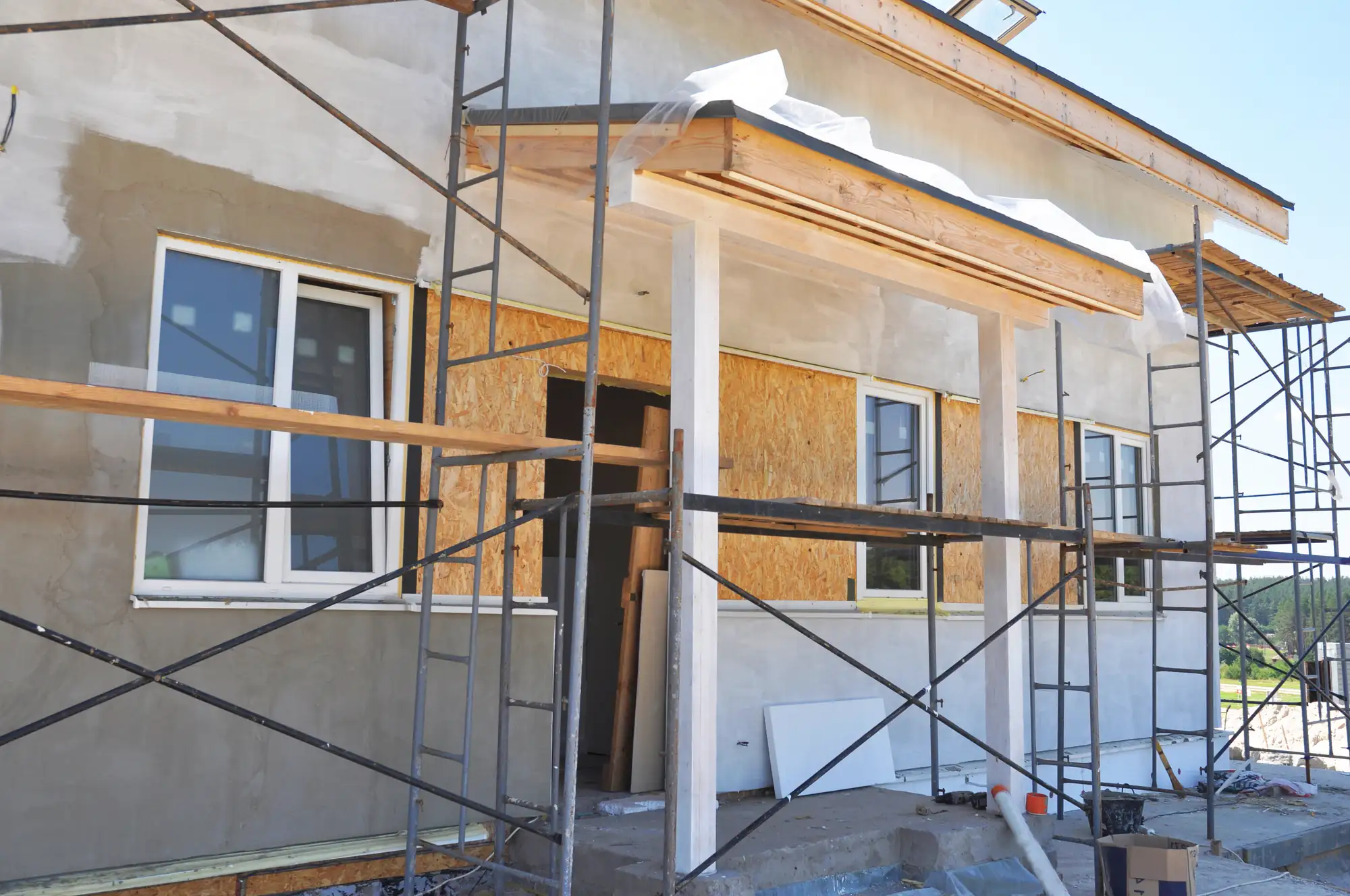
The difference between stucco that lasts and stucco that fails comes down to how it’s installed. When moisture gets trapped behind your exterior, you’re looking at mold growth, interior water damage, and structural problems that cost thousands to fix.
Proper stucco installation in Edgewater means understanding how Florida’s climate attacks your home. The humidity doesn’t just sit on the surface. It finds every gap in the system, every shortcut in the prep work, every place where the wrong materials were used.
You need a system that breathes, sheds water correctly, and doesn’t crack when temperatures swing. That means the right base coat, proper flashing around windows and doors, and finish work that actually seals without trapping moisture. When it’s done right, you’re not calling someone back in two years because water stains are showing up inside your walls.
Stucco Companies Near Me in Edgewater
We’ve been working in Central Florida for over 20 years. We’ve seen what happens when stucco gets installed by contractors who don’t understand coastal humidity or how Florida storms test every exterior system.
Edgewater homes face specific challenges. You’re close enough to the coast that salt air accelerates wear. You get the afternoon storms that pound the same walls repeatedly. And you’re in an area where homes from the 90s and 2000s are hitting the age where exterior systems start showing their weak points.
We’re the stucco contractor near you that shows up when we say we will, gives you a realistic timeline, and leaves your property clean. Our 4.6 rating across 145 reviews reflects how we actually operate, not how we say we operate.
Professional Stucco Installation Process
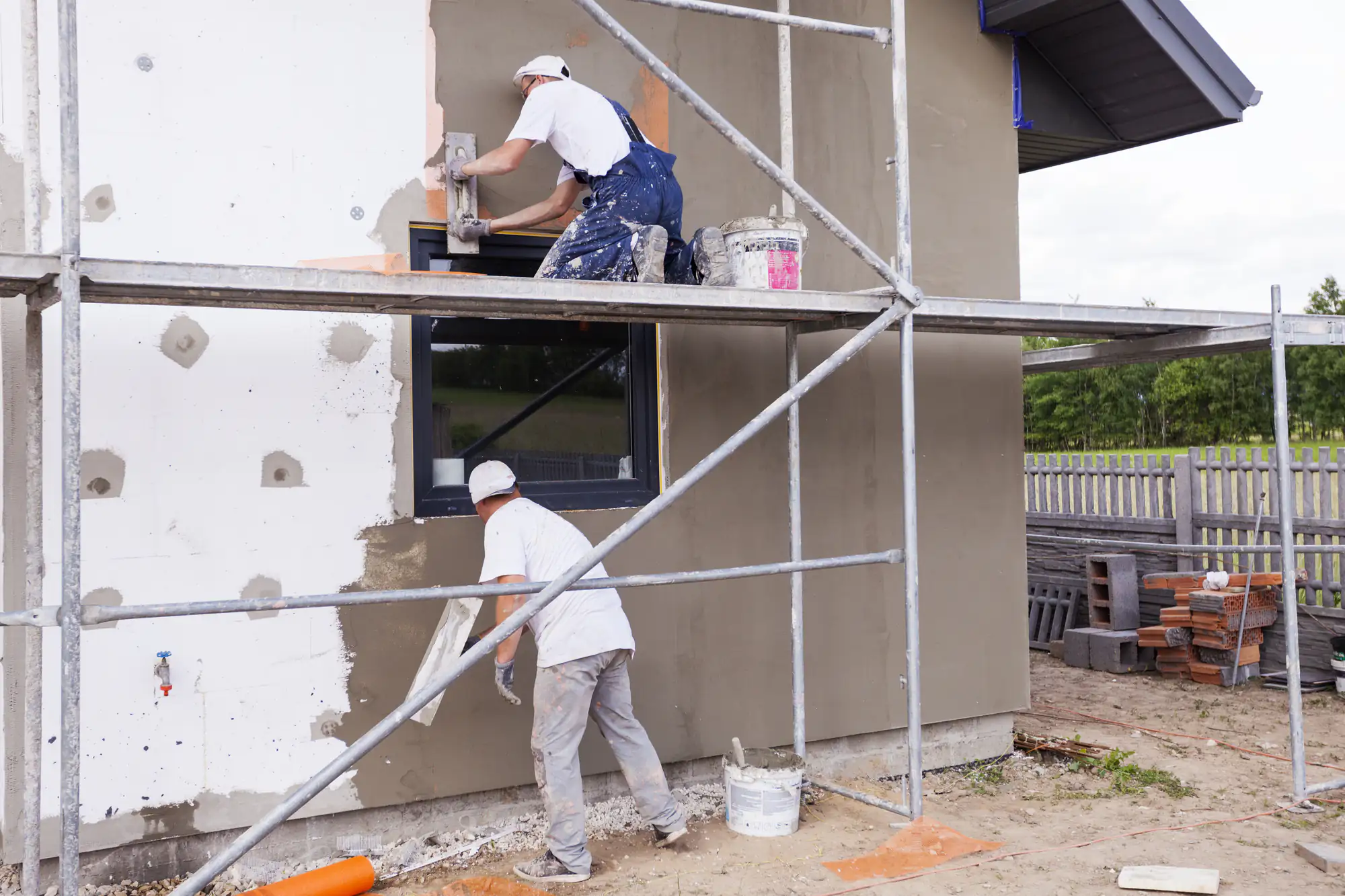
First, we assess your home’s current condition and explain what needs to happen before any stucco goes up. If there’s existing damage, water intrusion, or structural issues, you need to know that before we start. We give you a clear estimate with realistic timelines, not best-case scenarios that fall apart once work begins.
Preparation is where most stucco jobs succeed or fail. We make sure your substrate is solid, install proper moisture barriers, and set up flashing systems that actually direct water away from vulnerable areas. This isn’t the exciting part, but it’s the part that determines whether your stucco lasts 5 years or 30 years.
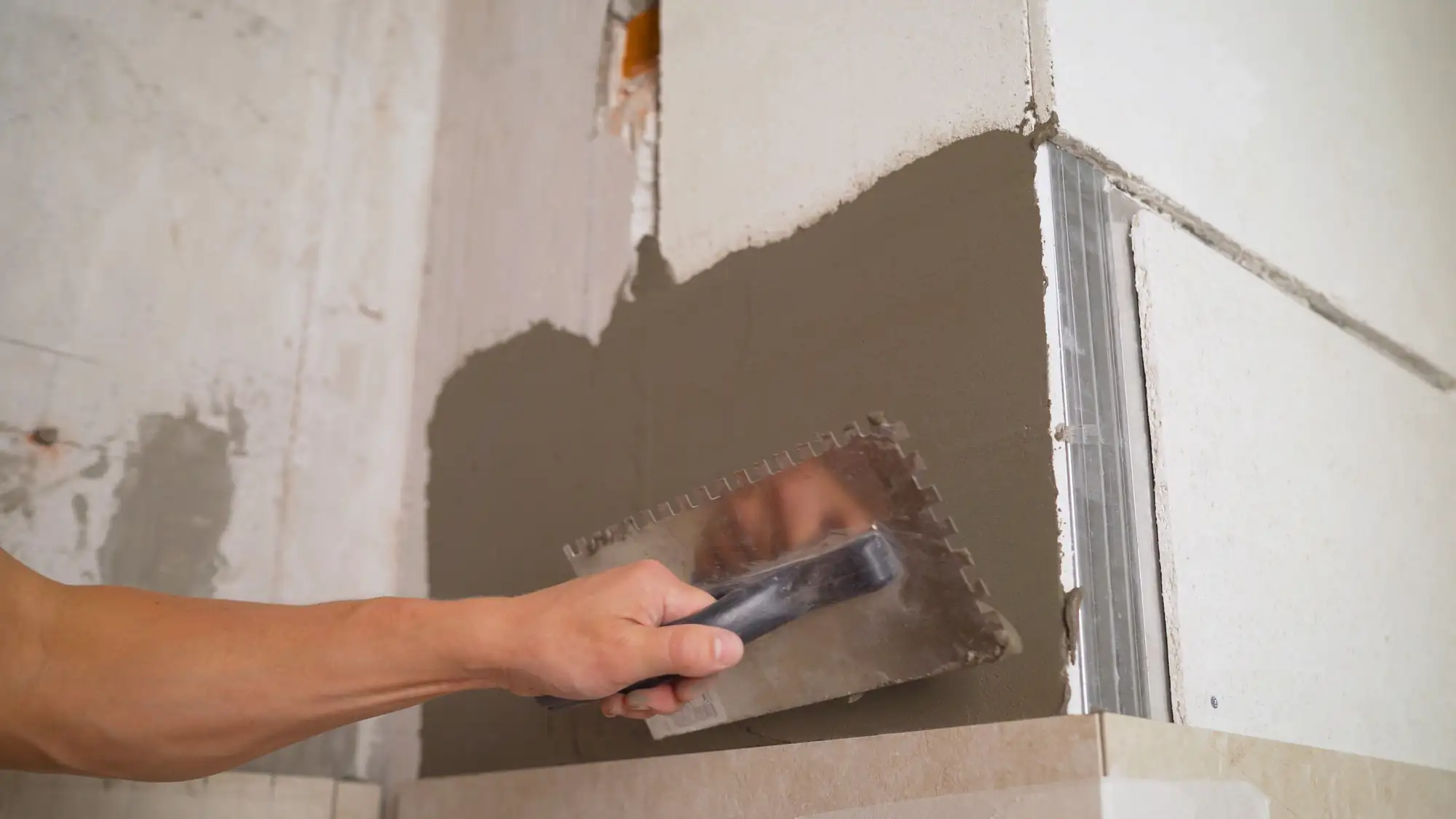
The application process involves multiple coats, each one serving a specific purpose. Base coat provides strength and creates the foundation. Finish coat gives you the look you want while sealing the system. Between each layer, proper curing time matters. Rushing this process creates weak points where moisture will eventually penetrate.
After installation, we walk you through what to watch for and how to maintain your stucco. You’ll know what normal settling looks like versus what indicates a problem. And if something does come up, you have a local stucco contractor who knows your specific installation and can address it quickly.
Ready to get started?
Stucco Finisher Options in Edgewater, FL
A complete stucco installation covers more than just putting material on your walls. You’re getting a weather barrier system designed for Central Florida’s specific conditions. That includes moisture barriers that handle humidity levels that stay above 70% for months at a time, flashing systems around every window and door opening, and proper ventilation that lets your walls breathe without letting water in.
In Edgewater, we’re working with homes that face salt air exposure and frequent afternoon thunderstorms. Your stucco system needs to shed water quickly and resist the kind of wind-driven rain that finds every weakness in an exterior. The finish options we use are tested for Florida’s UV exposure, which is significantly higher than what manufacturers consider “normal” conditions.
You’ll also get proper expansion joints placed where your home’s structure naturally moves. Florida homes shift with temperature changes and ground movement. Stucco that doesn’t account for this will crack. The joints we install let your home move without compromising the weather barrier.
Color matching matters if you’re doing repairs or additions. We have on-site systems that match your existing stucco exactly, so new work doesn’t stand out. And we handle the prep work that most stucco companies skip: protecting your landscaping, covering windows and doors properly, and cleaning up daily instead of leaving a mess until the job’s done.
How long does stucco installation take on a typical Edgewater home?
Most full-home stucco installations take 2-3 weeks from start to finish, but that timeline depends on your home’s size, the current condition of your exterior, and weather conditions during the job. Each coat of stucco needs proper curing time before the next layer goes on, and Florida’s humidity actually helps with this process.
If we’re working on a 2,000 square foot home with straightforward wall surfaces, expect about two weeks. Homes with complex architectural details, multiple stories, or extensive repair work needed underneath will take longer. We give you a realistic timeline upfront based on your specific situation.
Weather delays happen. If we get three days of heavy rain during your project, we’re not applying stucco in those conditions. Doing so would compromise the installation and cause problems down the road. We’d rather extend your timeline by a few days than rush work that needs to cure properly.
What's the difference between cheap stucco and quality installation?
The difference shows up in three areas: preparation work, material quality, and how the system handles moisture. Cheap stucco installations skip proper moisture barriers, use thinner base coats, and don’t install flashing correctly around openings. You’ll save money initially, but you’re looking at repairs within 5 years instead of 20-30 years.
Quality installation means your substrate gets properly prepared before any stucco is applied. We’re checking for rot, making sure sheathing is solid, and installing weather-resistant barriers that actually resist Florida’s humidity. The base coat goes on at proper thickness to provide structural strength, not just enough to make it look finished.
Material quality matters more in Florida than in dry climates. We use stucco systems rated for high-moisture environments and UV exposure that degrades cheaper products quickly. The finish coat needs flexibility to handle temperature changes without cracking, and it needs to shed water instead of absorbing it. Cheap stucco uses whatever’s on sale. Quality installation uses what actually works in Central Florida’s climate.
Will new stucco help with my cooling costs in Edgewater?
Yes, properly installed stucco improves your home’s insulation and reduces heat transfer through your exterior walls. Stucco adds an R-value of about 0.20 per inch, which doesn’t sound like much until you consider it’s covering your entire exterior and creating a continuous thermal barrier without the gaps that exist in other siding systems.
The bigger benefit comes from how stucco handles Florida’s heat. The thermal mass of stucco absorbs heat during the day and releases it slowly, which means your walls aren’t constantly transferring outdoor temperatures inside. This is especially noticeable on west-facing walls that get afternoon sun. Your AC isn’t fighting against exterior walls that are acting like heat radiators.
You’ll see the most improvement if you’re replacing old, damaged stucco or a different siding type that has gaps and air leaks. New stucco installation creates a sealed system that stops air infiltration, which is where most cooling loss happens. Combined with proper insulation inside your walls, you’re looking at noticeable reductions in your summer cooling bills.
How do I know if a stucco contractor is actually qualified?
Check three things: their license status with the state, how long they’ve been working specifically in Florida, and whether they can explain the moisture management system they’ll install. Any stucco contractor working in Florida should be licensed and insured. You can verify this through the Department of Business and Professional Regulation’s website.
Experience in Florida matters because stucco installation techniques that work in Arizona or California will fail here. Our humidity and rain patterns are completely different. A contractor who’s been working in Central Florida for years has seen what fails and what holds up. They should be able to tell you specific examples of how they handle moisture barriers, flashing details, and the challenges of working in high-humidity conditions.
Ask them to explain their moisture management approach. If they can’t clearly describe how water will be kept out of your wall system, or if they dismiss moisture concerns, that’s a red flag. Quality stucco contractors near you should be talking about weep screeds, proper flashing, drainage planes, and how they handle areas where water tends to collect. If the conversation is only about color and texture, they’re not thinking about what actually makes stucco last.
What maintenance does stucco need after installation?
Stucco is low-maintenance, but it’s not no-maintenance. You should inspect your exterior twice a year, looking for cracks, water stains, or areas where the finish is deteriorating. Catching small cracks early means a simple repair instead of water damage behind your walls.
Clean your stucco every 1-2 years with a pressure washer on low setting or a garden hose and soft brush. Edgewater’s humidity encourages mildew growth, especially on north-facing walls that don’t get direct sun. Regular cleaning prevents buildup that can deteriorate your finish coat over time. Avoid high-pressure washing that can damage the surface or force water into small cracks.
Check caulking around windows, doors, and any penetrations through your stucco annually. These are the spots where water finds its way in. Re-caulk when you see gaps or cracking. Also keep an eye on areas where different materials meet, like where stucco meets your roof line or foundation. These transition points need to stay sealed to prevent moisture intrusion.
Can you match existing stucco if I'm adding onto my home?
Yes, we have on-site color matching systems that can replicate your existing stucco’s color and texture. This is one of the services that separates professional stucco companies from general contractors who occasionally do stucco work. Matching isn’t just about getting close, it’s about making new work invisible next to existing surfaces.
Texture matching is actually harder than color matching. Your existing stucco has a specific finish pattern that was created with particular tools and techniques. We need to replicate both the application method and the texture depth to make new sections blend seamlessly. This requires experience with different finish techniques and knowing how to adjust application to match aged stucco.
Keep in mind that even perfectly matched new stucco will look slightly different initially because your existing stucco has weathered and aged. The color will blend better after a few months of UV exposure and weather. We can also do a light wash or treatment on new sections to help them blend faster if you need immediate color consistency.
Other Services we provide in Edgewater