Stucco Installation in Oak Ridge, FL
Your Home Deserves Protection That Actually Lasts
Hear from Our Customers
Professional Stucco Contractor Near Oak Ridge
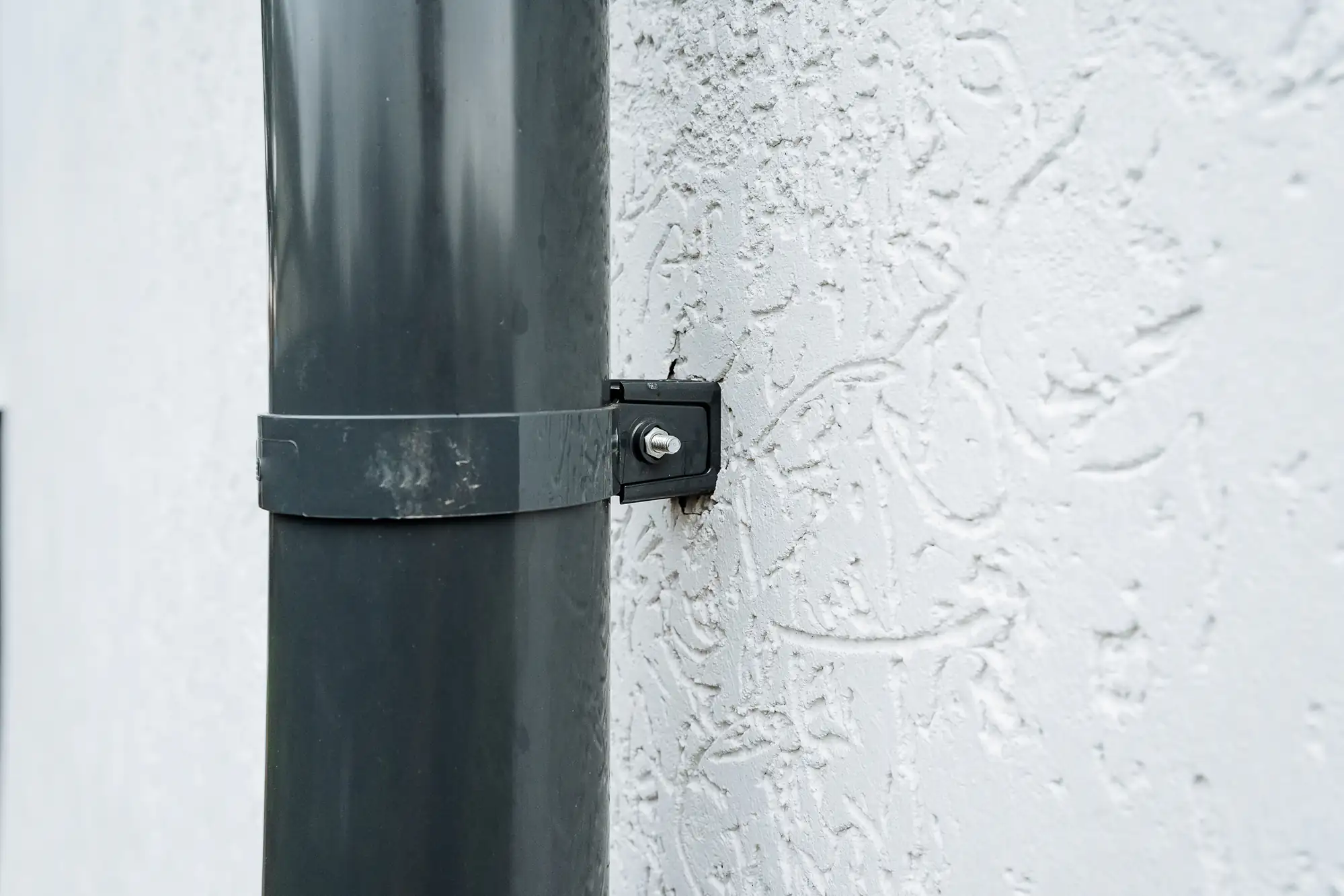
You’re looking at stucco because you want something that holds up. That’s the right call, but only if it’s installed correctly.
Central Florida throws everything at your exterior. The humidity sits at 74% year-round. Summer storms dump inches of rain in minutes. UV exposure is relentless. And when hurricane season hits, you need walls that can handle 130 mph winds without letting water through.
Proper stucco installation gives you that protection. A three-coat system with the right moisture barriers cuts your cooling costs by 15-25% because it actually insulates. That’s $480 to $720 back in your pocket every year. It resists fire, keeps pests out, and when it’s done right, it lasts 50+ years with minimal maintenance.
The problem is most stucco in Oak Ridge wasn’t done right. Homes built between 1980 and 2010 are showing major failures now because contractors skipped critical steps. Missing weep screeds, no moisture barriers, improper flashing around windows. By the time you see the cracks, water’s already rotting the frame behind it.
That’s what you’re trying to avoid. And that’s exactly what we prevent.
Oak Ridge Stucco Company You Can Trust
We’ve been doing stucco installation across Central Florida for over 20 years. Our owner spent most of his career with a leading national foundation repair company, working directly with engineers on structural solutions. That background matters because stucco isn’t just cosmetic—it’s part of your home’s structural envelope.
We serve Oak Ridge and the entire Orlando metro because we understand what fails here and why. We’ve seen the billion-dollar stucco problem up close. We’ve torn off failing systems and shown homeowners the damage underneath. And we’ve learned exactly what it takes to prevent that from happening in the first place.
You’ll find us straightforward about pricing, realistic about timelines, and obsessive about moisture management. Our crews keep job sites clean, communicate clearly, and don’t disappear mid-project. We maintain a 5.0 Google rating and 4.6 overall rating across 145 reviews because we show up and do what we say we will.
How Stucco Installation Works in Oak Ridge
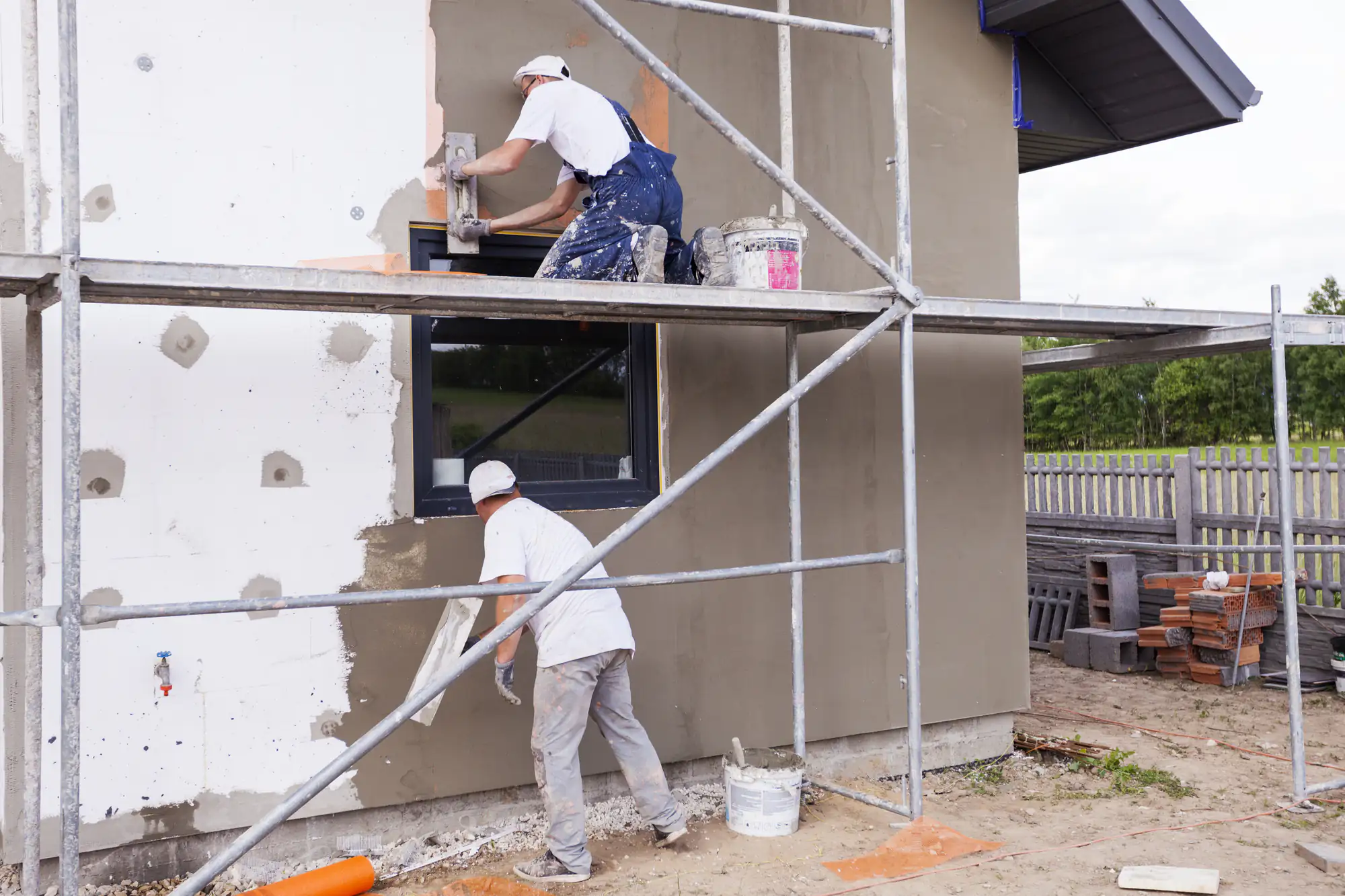
Proper stucco installation isn’t complicated, but it requires precision at every step. Here’s what actually happens when we do your project.
First, we inspect your exterior and substrate. We’re checking for moisture damage, structural issues, and whether your existing wall assembly can support stucco. If there are problems, you need to know before we start. We document everything and give you a clear estimate with no surprises.
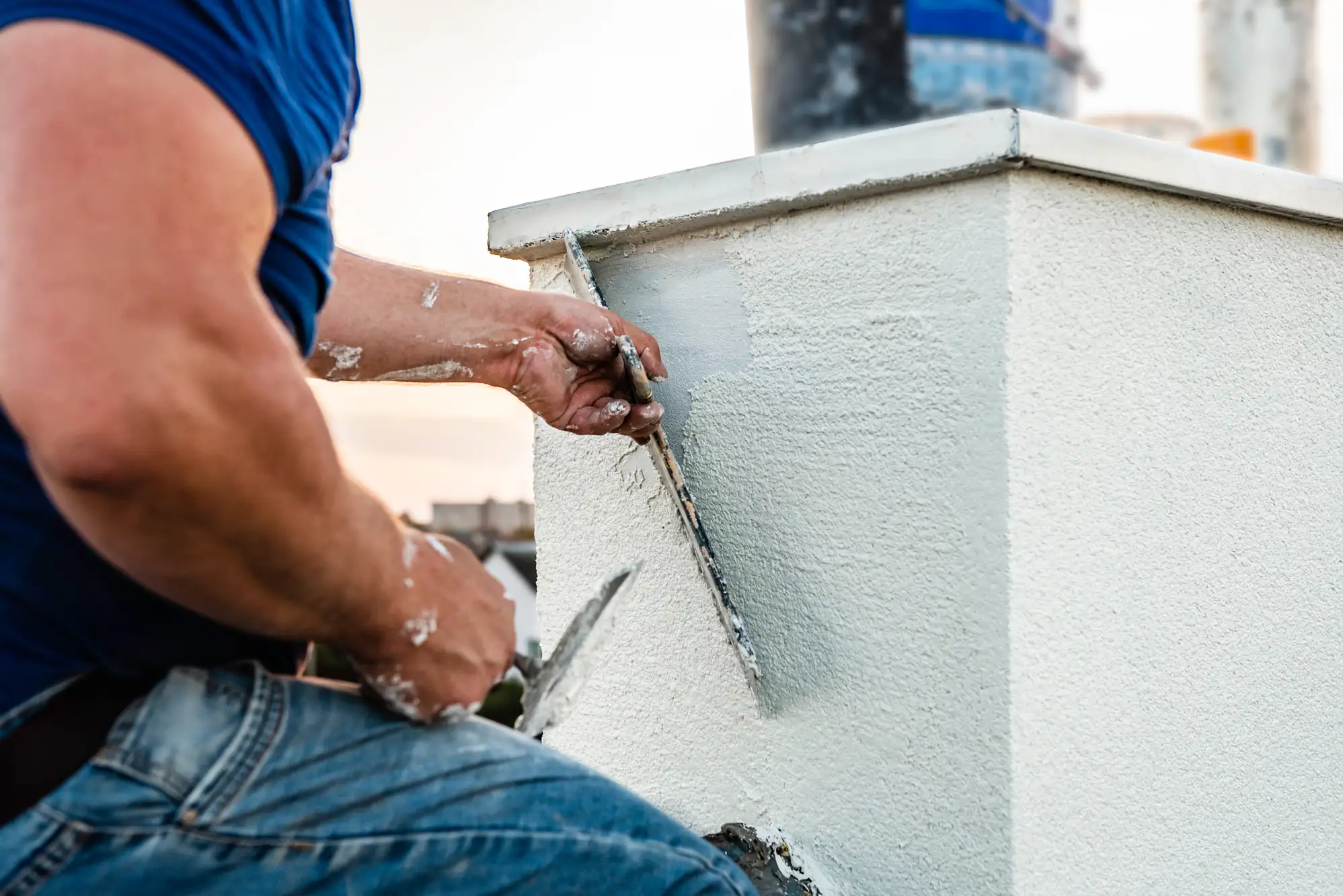
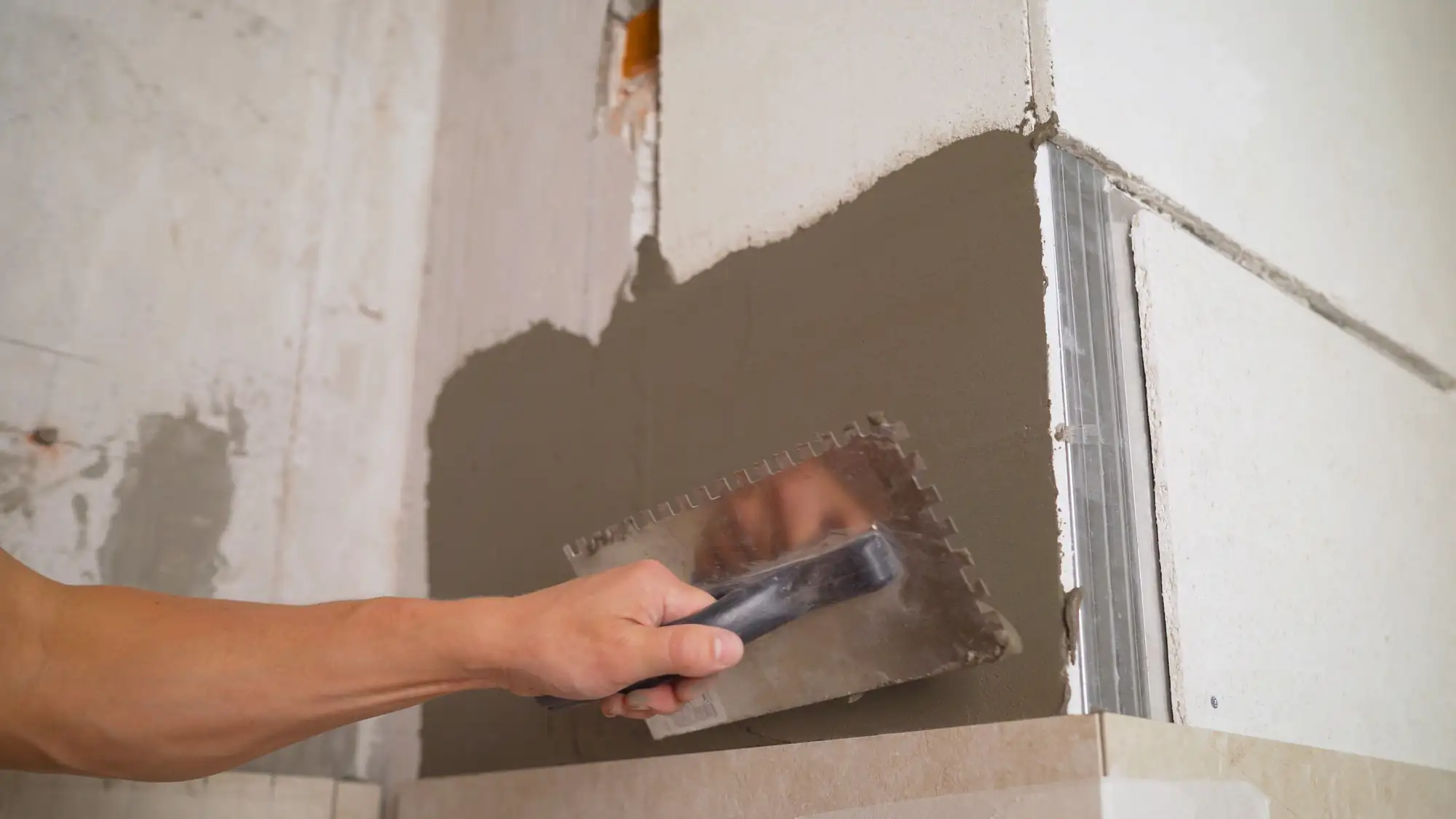
Once we start, we install a weather-resistant barrier and proper flashing around all penetrations—windows, doors, vents, everything. This is where most failures happen, so we take our time here. Then comes the metal lath, mechanically fastened to create a solid base for the stucco to grip.
The three-coat system goes on next: scratch coat, brown coat, finish coat. Each layer needs proper cure time. Rush this and you get shrinkage cracks. We don’t rush it. The scratch coat gets scored to create mechanical bond. The brown coat builds thickness and levels everything. The finish coat gives you the texture and color you want, plus UV and weather resistance.
We seal all transitions, install weep screeds at the bottom to let moisture escape, and make sure every detail is weathertight. Then we clean up completely and walk you through maintenance basics so your stucco lasts decades.
Ready to get started?
Stucco Services for Oak Ridge Homes
When you hire us for stucco installation in Oak Ridge, you’re getting a complete system designed for Central Florida’s climate. That means proper moisture management from day one, not shortcuts that fail in five years.
We use only high-grade materials rated for Florida’s UV exposure and humidity. The weather-resistant barriers we install meet or exceed Florida Building Code requirements. Our metal lath is galvanized and properly fastened. The stucco mix itself is formulated to handle thermal expansion in our heat without cracking.
You’ll get a detailed estimate that breaks down materials, labor, and timeline. We coordinate with any other trades if needed—painters, electricians, whoever. Our crews arrive when we say they will, work efficiently, and keep your property clean. We protect landscaping, driveways, and anything else that could get damaged.
Oak Ridge homes face specific challenges. The soil here shifts with seasonal rain patterns. Many properties have mature trees that create shade and hold moisture against walls. We account for all of that in how we detail your installation. Proper clearance from grade, extended drip edges, extra attention to north-facing walls that stay damp longer.
After installation, we provide care instructions and make ourselves available for any questions. Most stucco problems are preventable with basic maintenance. We’d rather spend five minutes explaining that than see you dealing with water damage years later.
How much does stucco installation cost for a typical Oak Ridge home?
For an average single-family home in Oak Ridge, you’re typically looking at $8 to $12 per square foot for a complete three-coat stucco system. That puts a 2,000 square foot exterior somewhere between $16,000 and $24,000, depending on the specifics of your project.
Several factors move you up or down in that range. Two-story homes cost more because of scaffolding requirements. Homes with complex architecture—lots of corners, windows, trim details—take more time and material. If we’re removing old siding first, that adds to the cost. And if we find moisture damage or structural issues during inspection, those need fixing before we can install stucco.
EIFS systems run slightly higher, usually $10 to $14 per square foot, but they offer better energy efficiency. Some homeowners in Oak Ridge see that pay for itself in lower AC bills within 7-10 years. The Energy Efficient Home Improvement Credit can also get you up to $1,200 back in tax credits if your system qualifies.
We give you an exact quote after inspecting your home. No ballpark numbers that change later. Just honest pricing based on what your project actually requires.
How long does stucco installation take from start to finish?
Most residential stucco installations in Oak Ridge take two to three weeks from start to finish. That includes prep work, all three coats with proper cure time between each, and final cleanup.
Weather affects the timeline more than anything else. Each coat needs to cure before the next one goes on, and Florida’s summer humidity actually helps with that. But if we get heavy rain during application, we have to wait. We don’t rush cure times because that’s how you get shrinkage cracks and adhesion problems.
The size and complexity of your home matter too. A simple one-story ranch might be done in 10-12 days. A two-story with lots of architectural detail could take four weeks. We give you a realistic timeline upfront and keep you updated if anything changes.
One thing we won’t do is overlap coats too quickly just to finish faster. Proper cure time is the difference between stucco that lasts 50 years and stucco that fails in 10. You’re making a long-term investment. We treat it that way.
Will stucco crack, and how do you prevent that?
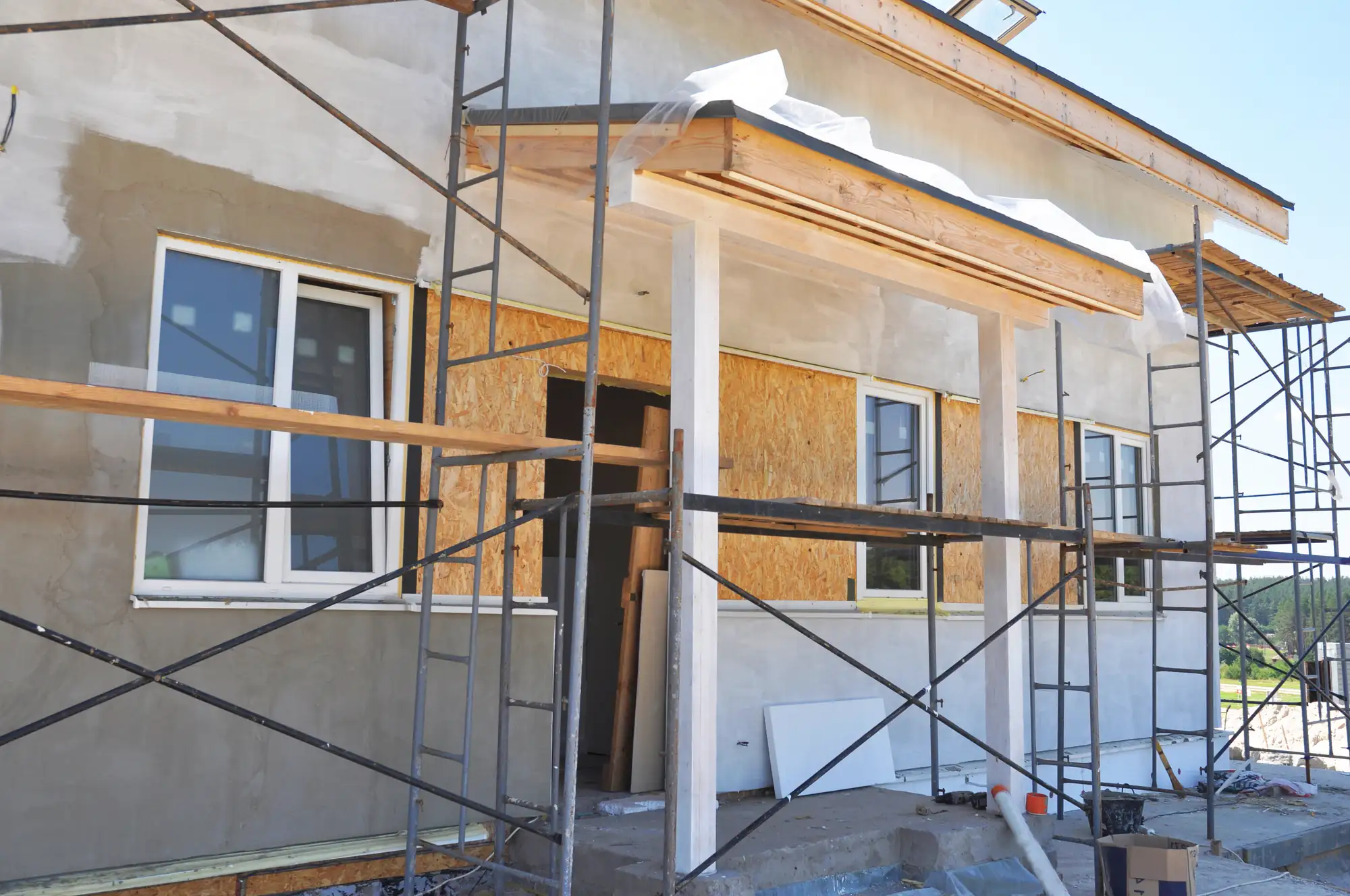
Stucco can crack, but it shouldn’t if it’s installed correctly. Most cracks in Oak Ridge homes come from three preventable causes: improper substrate prep, rushing cure times, or skipping expansion joints.
We prevent cracking by addressing all three. First, we make sure your wall substrate is solid and properly sheathed. If there’s movement in the underlying structure, stucco will crack no matter what. Second, we give each coat adequate cure time. The scratch coat needs 48 hours minimum. The brown coat needs at least five days. Rush those and the stucco shrinks unevenly as it dries, creating stress cracks.
Third, we install control joints and expansion joints where they’re needed. These are planned weak points that let the stucco move slightly with temperature changes without cracking. Around windows, at floor lines, anywhere two different materials meet—these are critical details that many contractors skip.
Florida’s climate is tough on stucco. UV exposure breaks down the binders over time. Thermal expansion from our heat cycles stresses the material. But a properly installed system handles all of that. We’ve seen our installations go 15-20 years without significant cracking because we don’t cut corners on the details that matter.
How does stucco hold up against Florida hurricanes and storms?
Properly installed stucco is one of the best exterior systems for hurricane protection. A three-coat stucco system over metal lath can withstand winds up to 130 mph when it’s installed to Florida Building Code standards. That’s stronger than most vinyl siding and comparable to fiber cement.
The key is proper attachment and moisture barriers. The metal lath has to be mechanically fastened to the substrate at the right spacing. The weather-resistant barrier behind it needs to be continuous and properly flashed. And all penetrations—windows, doors, vents—need to be sealed correctly so wind-driven rain can’t get behind the stucco.
Oak Ridge sits inland enough that you don’t get the worst storm surge, but you absolutely get the wind and rain. We’ve seen hurricanes peel off vinyl siding and tear up roof shingles while properly installed stucco barely shows damage. The mass and rigidity of a stucco system helps it resist impact from flying debris too.
After a storm, stucco is also easier to inspect for damage. You can see cracks or impact points immediately. Compare that to siding where water might be getting in behind without any visible sign. Some insurance companies in Florida actually offer lower premiums for homes with fire-resistant, impact-resistant exteriors like stucco.
What's the difference between traditional stucco and EIFS?
Traditional three-coat stucco uses cement, sand, and lime applied over metal lath. EIFS—Exterior Insulation and Finish System—uses foam insulation boards with a thin synthetic finish coat. Both work in Oak Ridge, but they’re different systems with different benefits.
Traditional stucco is heavier, more impact-resistant, and extremely durable. It’s the better choice if you want maximum hurricane protection and don’t mind the extra weight on your structure. It’s also more breathable, which matters in Florida’s humidity. Moisture that gets behind traditional stucco can escape more easily.
EIFS is lighter and offers better insulation. You’ll see energy savings of 18-28% instead of 15-25% with traditional stucco. That’s an extra $100-150 per year in lower AC costs for an average Oak Ridge home. EIFS also gives you more design flexibility with shapes and details. But it’s more vulnerable to impact damage, and if water gets behind it, the foam holds moisture against your wall sheathing.
We install both systems depending on what makes sense for your home. If you have an older home with settling issues or a wood frame that moves slightly, EIFS might not be the best choice. If energy efficiency is your top priority and your structure is solid, EIFS could save you money long-term. We’ll walk through the pros and cons based on your specific situation.
Do I need to do anything to maintain stucco after installation?
Stucco is low-maintenance, but it’s not no-maintenance. You need to do a few simple things to keep it protecting your home for decades.
First, inspect it twice a year. Walk around your house and look for cracks, especially around windows and doors. Check the bottom edge where the stucco meets your foundation. Look for any areas where the finish coat is bubbling or flaking. Catch small issues early and they’re easy fixes. Ignore them and water gets in.
Second, keep the bottom of your stucco clean and clear. Trim back any plants or mulch that’s touching the stucco. You want at least six inches of clearance so moisture doesn’t wick up into the material. Pressure wash the stucco every couple years to remove dirt, mildew, and organic growth. Use low pressure—2000 PSI max—and keep the nozzle at least 12 inches away.
Third, reseal caulk joints every 5-7 years. Florida’s UV exposure breaks down caulk faster than in northern climates. The joints around windows, doors, and trim are your first line of defense against water intrusion. When the caulk starts cracking or pulling away, it needs replacing.
That’s really it. No painting required for decades if you choose an integral color finish. No rot to worry about like wood siding. Just basic inspection and cleaning. We give you specific maintenance guidelines after installation so you know exactly what to watch for.
Other Services we provide in Oak Ridge