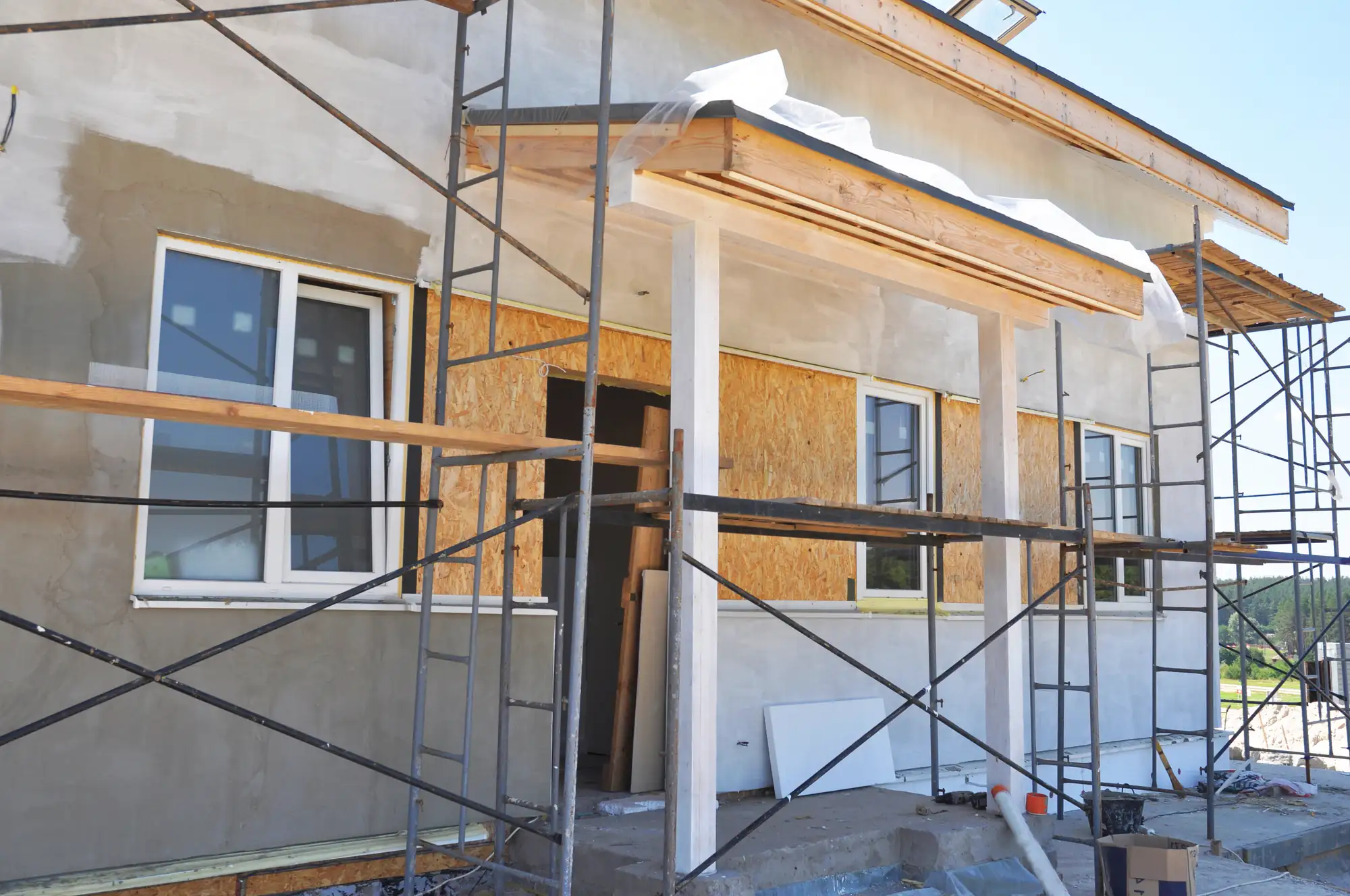
Stucco Installation in Winter Springs, FL
Stucco That Holds Up to Florida's Weather
Hear from Our Customers
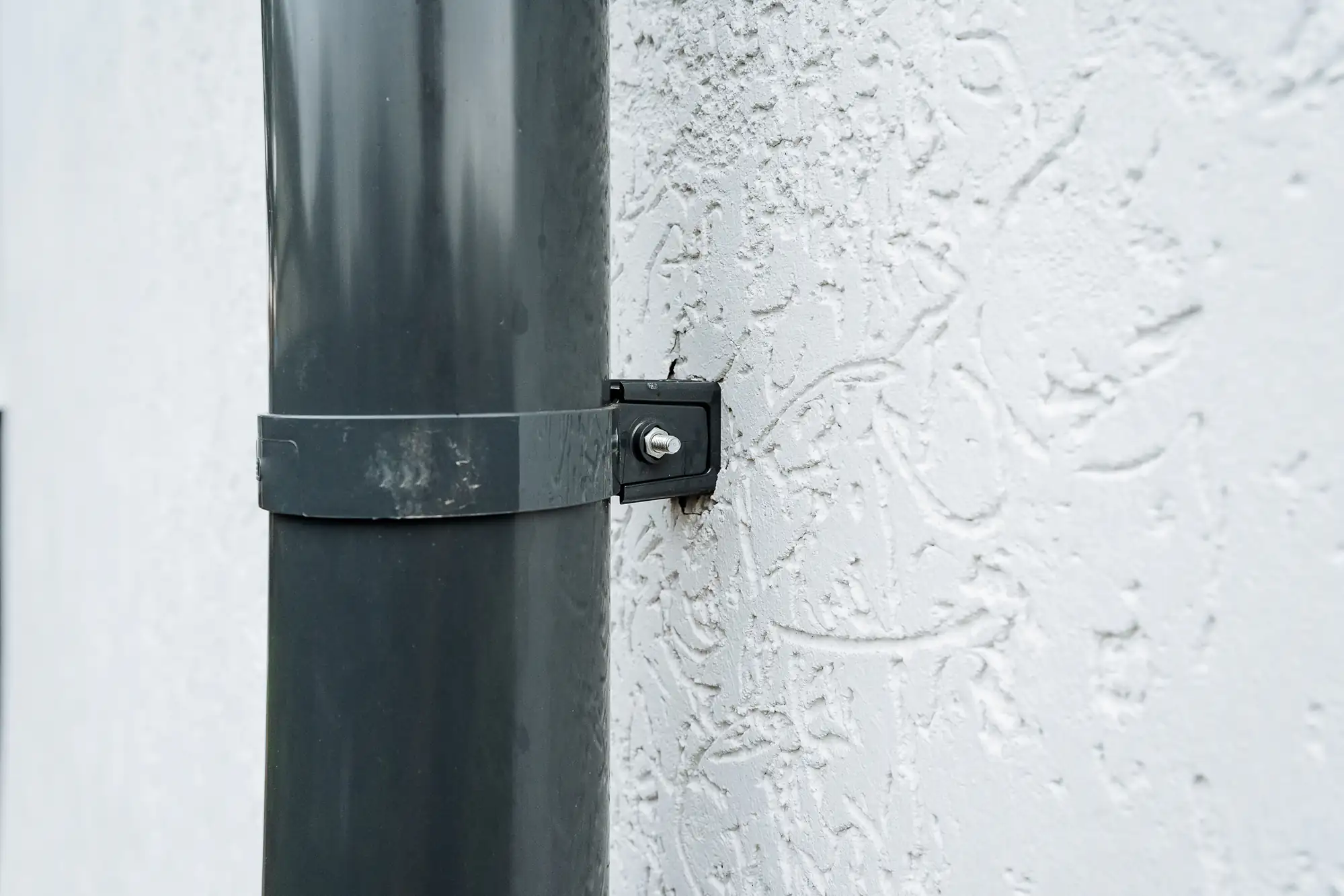
Stucco Contractor Near Winter Springs
The difference between stucco that lasts and stucco that fails comes down to how it’s installed. In Winter Springs, where humidity stays above 90% most of the year and rainfall exceeds 50 inches annually, moisture doesn’t just threaten your exterior—it finds every gap in the installation.
Proper stucco installation means your home gets a weather-resistant barrier that’s sealed correctly from day one. You’re not dealing with water stains on interior walls two years later. You’re not watching cracks spread across your facade after a single hurricane season. You’re not paying for repairs that should’ve been done right the first time.
When the work is done correctly, your exterior handles Florida’s weather without constant maintenance. The insulation works. The finish stays intact. And you’re not second-guessing whether the contractor knew what they were doing.
Winter Springs Stucco Companies
We’ve spent over 20 years installing and repairing stucco across Central Florida. We’ve worked with engineers on foundation-related projects, handled moisture issues in older Winter Springs homes, and seen what happens when stucco isn’t installed with Florida’s climate in mind.
Winter Springs sits in an area where homes built in the 1990s and 2000s are hitting the age where exterior work becomes necessary. We’ve worked in neighborhoods throughout the area—homes near the Tuskawilla preserve, properties along the SR-434 corridor, and residential streets where HOA standards matter. We know what local inspectors look for and what your home actually needs to handle the weather here.
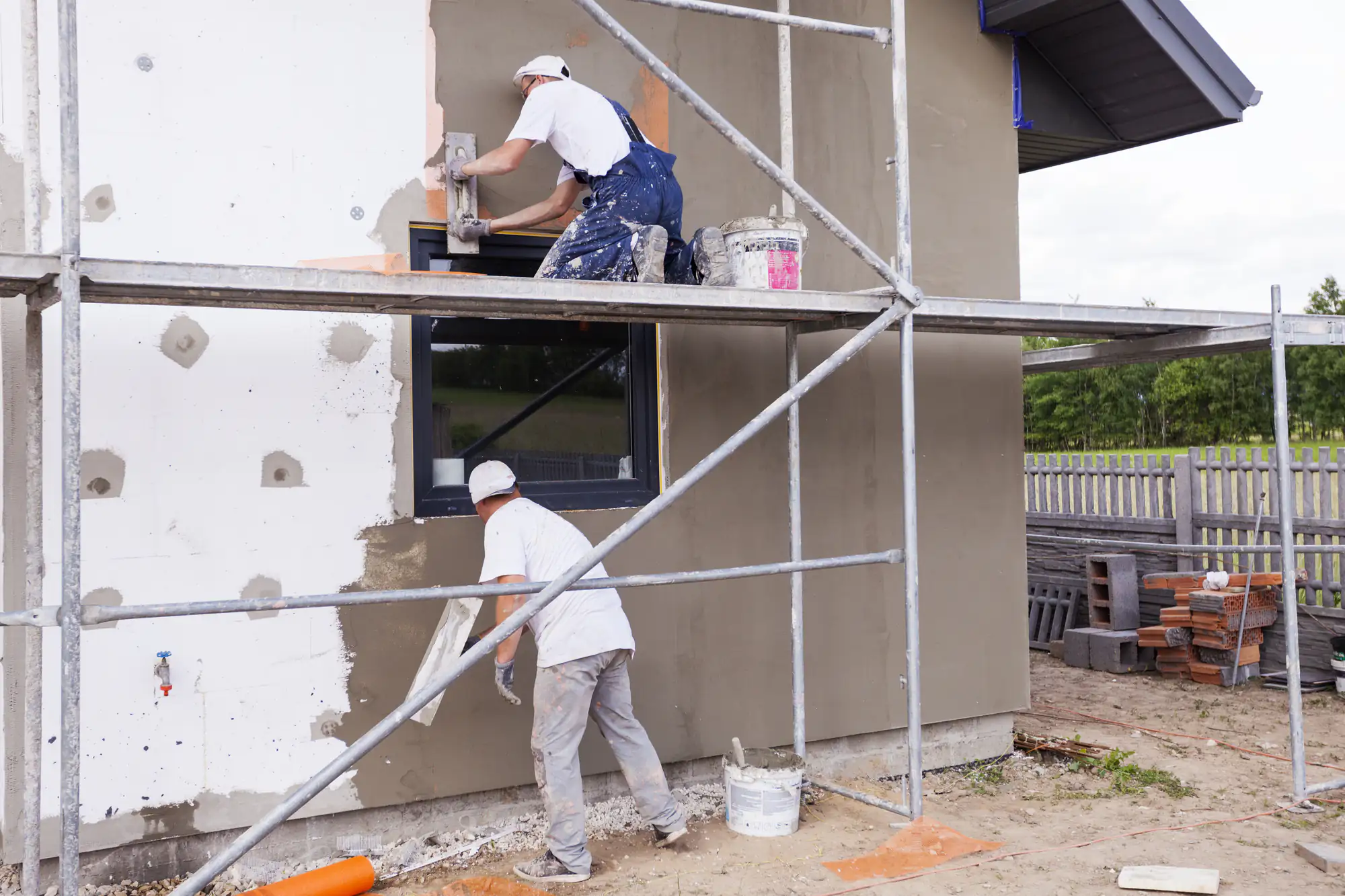
Stucco Installation Process Winter Springs
We start with an on-site assessment of your home’s current condition. That means checking for any existing moisture damage, looking at how your home’s structure will support the stucco system, and identifying potential problem areas before we start work. You get a clear estimate with realistic timelines—not best-case scenarios that fall apart once the job begins.
Preparation is where most stucco problems start, so we don’t rush it. We install proper weather-resistant barriers, ensure drainage is handled correctly, and set up the base coat with expansion joints where your home needs them. In Winter Springs’ climate, this step determines whether your stucco lasts five years or twenty-five.
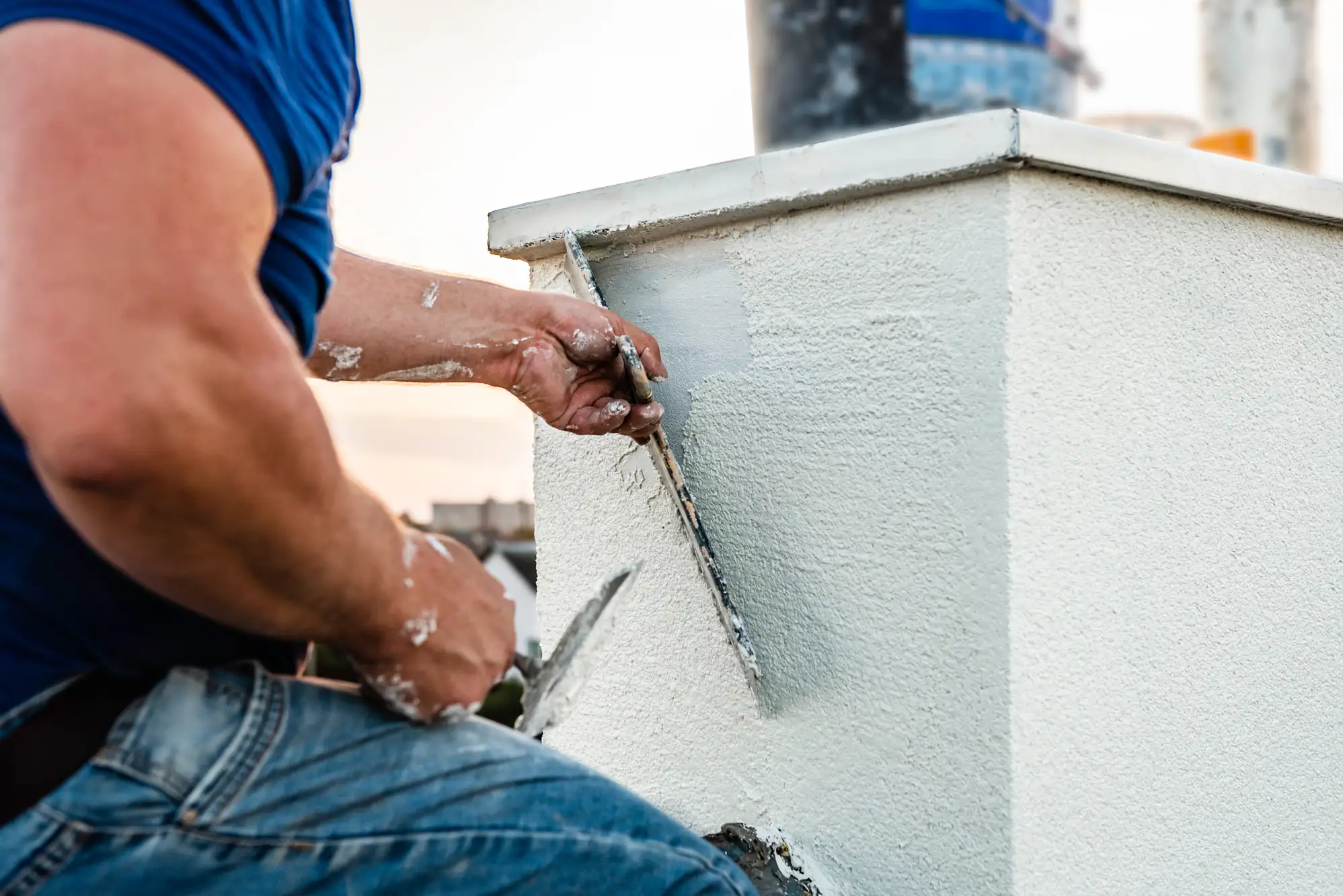
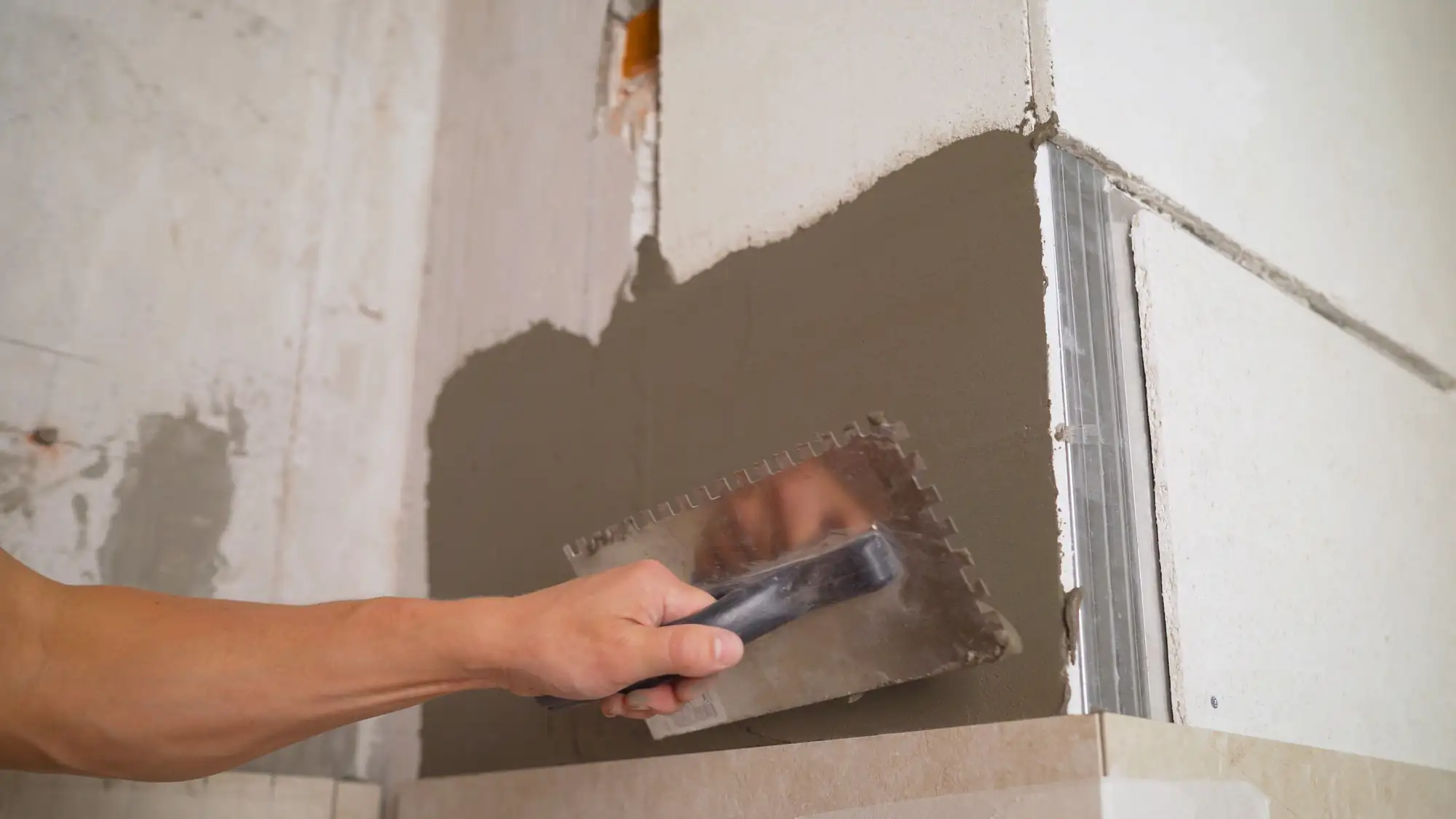
The application itself involves multiple coats, each with proper curing time between layers. We’re not trying to finish in half the time by cutting corners. Florida’s humidity actually works in our favor here—it allows for proper curing when the work is sequenced correctly. Once the finish coat is applied, we seal everything and walk you through maintenance basics that’ll keep your exterior in good shape.
Ready to get started?
Stucco Finisher Winter Springs FL
Your stucco installation covers the full system—not just the visible finish. That includes the weather-resistant barrier that keeps moisture out, the base coats that provide structure and flexibility, and the finish coat that gives your home its final appearance. We handle waterproofing and sealing as part of the standard process, not as add-ons you discover later.
In Winter Springs, where property values average around $342,400 and homeowners expect quality work, the details matter. We protect your landscaping during the job, keep the site clean throughout the project, and communicate clearly if we find issues that need addressing. You’re not getting surprise charges or vague explanations about why something costs more.
The materials we use are selected for Florida’s climate—products that resist mold growth, handle thermal expansion, and maintain their finish through years of UV exposure and rain. EIFS systems are available if you want enhanced insulation and energy efficiency, which makes sense given Florida’s cooling costs. Traditional three-coat stucco works well for homes where durability and breathability are priorities. We’ll explain the difference and let you decide what fits your home and budget.
How long does stucco installation take on a typical Winter Springs home?
Most residential stucco installations in Winter Springs take between one and three weeks, depending on your home’s size and the scope of prep work needed. A single-story home with minimal repairs runs closer to one week. Two-story homes or projects that involve removing old siding and addressing underlying moisture damage take longer.
Weather affects the timeline more than most homeowners expect. Each coat needs proper curing time, and Florida’s afternoon thunderstorms can delay progress. We don’t rush coats to meet arbitrary deadlines—that’s how you end up with adhesion problems and cracks within the first year.
If your project involves HOA approval or specific color matching for your neighborhood, factor in extra time upfront. We’ve worked with several Winter Springs HOAs and know which ones require detailed documentation before work begins.
What's the cost difference between standard stucco and EIFS in Winter Springs?
Standard three-coat stucco in the Winter Springs area typically runs between $9 and $14 per square foot installed. EIFS systems cost more—usually $12 to $22 per square foot—because of the additional insulation layers and specialized installation requirements.
The cost difference matters less than what you’re getting. EIFS provides better insulation, which translates to lower cooling costs in Florida’s climate. It’s also more flexible, so it handles settling and minor movement better than traditional stucco. But it requires more careful maintenance around the base where moisture can enter if seals fail.
For most Winter Springs homes, the decision comes down to priorities. If energy efficiency matters and you’re planning to stay in the home long-term, EIFS often makes sense. If you want maximum durability with less maintenance sensitivity, traditional stucco works well. We’ll walk through both options based on your specific home and what you’re trying to accomplish.
How does stucco hold up against Florida's humidity and hurricanes?
Properly installed stucco handles Florida’s humidity well—better than most siding options. The key is in the installation. Your home needs a proper weather-resistant barrier, correctly installed flashing around windows and doors, and adequate drainage at the base. When those elements are in place, stucco’s natural breathability actually helps manage moisture rather than trapping it.
Hurricane resistance depends on the stucco system and how it’s attached. Traditional three-coat stucco over metal lath, when properly fastened to your home’s structure, performs well in high winds. It’s a continuous surface without the seams and joints that create weak points in other siding types. EIFS is lighter but needs to be installed with hurricane-rated fastening systems in coastal areas.
Winter Springs sits far enough inland that you’re not dealing with the same wind loads as beachfront properties, but you still get the rain and storm surge effects from major hurricanes. The bigger risk here is water intrusion from wind-driven rain. That’s why we focus heavily on sealing and waterproofing—it’s not optional in Central Florida.
Can you match existing stucco if I'm only replacing one section?
Matching existing stucco texture and color is possible, but it’s rarely perfect. Stucco changes appearance over time—UV exposure fades the color, dirt and mildew create patina, and the original texture settles. We can get close by sampling your existing finish and replicating the application technique, but there will likely be some visible difference, especially in the first year.
The age of your existing stucco matters. If your home was done in the last five years, matching is easier. If it’s been fifteen or twenty years, the difference will be more noticeable regardless of how carefully we match it. Sometimes the better approach is to plan for repainting the entire exterior within a year or two, which gives everything a uniform appearance.
We’ll be honest about what’s realistic before you commit to a partial replacement. If matching is critical—say, for a small repair on a front-facing wall—we’ll tell you upfront whether we can achieve the result you’re expecting or if you should consider alternative approaches.
What maintenance does stucco need in Winter Springs' climate?
Stucco in Winter Springs needs annual inspections and cleaning, plus resealing every few years. You’re looking for cracks, checking that caulk around windows and doors is still intact, and making sure water is draining properly at the base. Catching small cracks early prevents them from becoming moisture entry points.
Cleaning involves a gentle wash to remove dirt, mildew, and organic growth. Florida’s humidity encourages mold and algae, especially on north-facing walls that don’t get direct sun. A soft brush and mild detergent work for most cleaning. Pressure washing is risky—too much pressure damages the finish and drives water into places it shouldn’t go.
Repainting typically happens every seven to ten years, depending on the quality of the original paint and how much direct sun exposure your home gets. Fading happens faster on south and west-facing walls. Resealing cracks and joints should happen every three to five years. It’s not complicated maintenance, but it’s not optional either if you want your stucco to last.
Do I need to remove old siding before installing stucco?
In most cases, yes. Stucco needs a solid, stable surface to adhere to, and installing it over old siding creates multiple problems. The old siding can trap moisture between layers, the fastening won’t be secure, and you’re adding significant weight to your home’s exterior without proper structural support.
There are rare situations where stucco can go over existing materials—specifically, if you have solid masonry or concrete block walls in good condition. But if your Winter Springs home has vinyl siding, wood siding, or deteriorating material, that needs to come off first. Removing old siding also gives us a chance to inspect your home’s sheathing and framing for any water damage or structural issues that need addressing.
The removal process adds cost and time to your project, but it’s not something you want to skip. We’ve seen too many stucco failures that trace back to poor substrate preparation. When we remove old siding, we’re also checking that your home is ready for stucco installation—that means confirming the sheathing is solid, the structure is sound, and there aren’t existing moisture problems that’ll undermine the new exterior.
Other Services we provide in Winter Springs