Stucco Repair in DeLand, FL
Stop Small Cracks Before They Become Expensive Problems
Hear from Our Customers
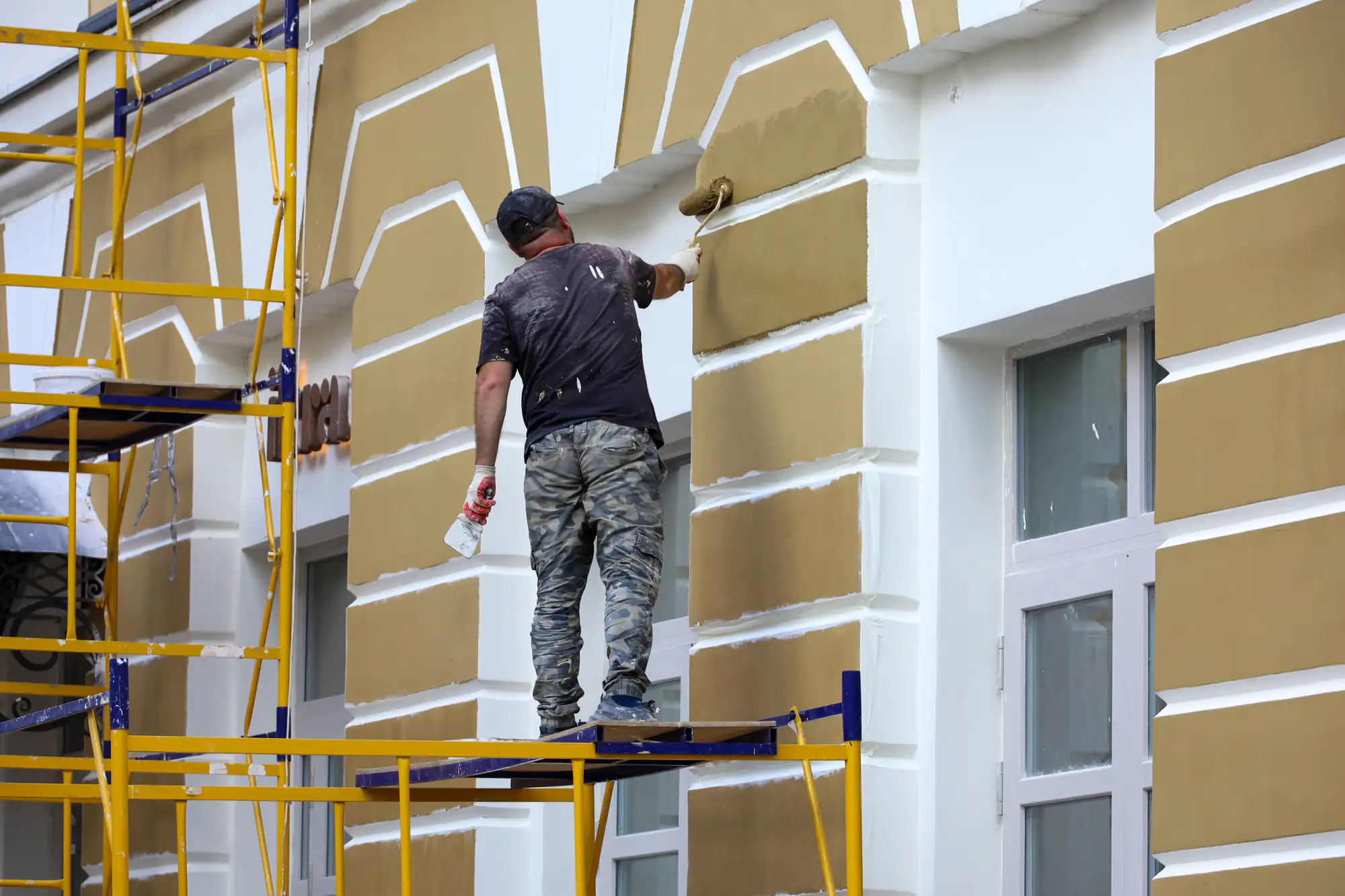
Professional Stucco Repair Contractors Near DeLand
That hairline crack you’ve been ignoring? It’s already letting moisture behind your walls. In DeLand’s climate, where humidity hovers near saturation most of the year and afternoon thunderstorms are routine, even small damage doesn’t stay small.
When you fix stucco cracks the right way, you’re not just covering a blemish. You’re stopping water intrusion that leads to mold, wood rot, and foundation issues that cost thousands to repair later. The right repair means proper prep, climate-appropriate materials, and techniques that account for Central Florida’s heat and moisture cycles.
Your home stops deteriorating. Your curb appeal comes back. And you’re not dealing with the same problem six months from now because someone just slapped patch compound over the symptom instead of addressing what caused it.
DeLand Stucco Repair Experts Since 2003
We’ve spent over 20 years repairing stucco damage across Central Florida, from DeLand to Orlando to Daytona Beach. We’ve seen what happens when repairs are done wrong, and we’ve fixed plenty of those too.
Most stucco problems in DeLand come from the same sources: improper original installation, Florida’s relentless UV exposure, and moisture that finds its way through cracks during our wet season. We know how stucco behaves in this climate because we’ve worked in it exclusively for two decades.
Our approach is straightforward. We communicate clearly about what needs fixing and why. We show up when we say we will. And we don’t leave until the job site is clean and the work meets the standard you’d expect after 20 years in business.
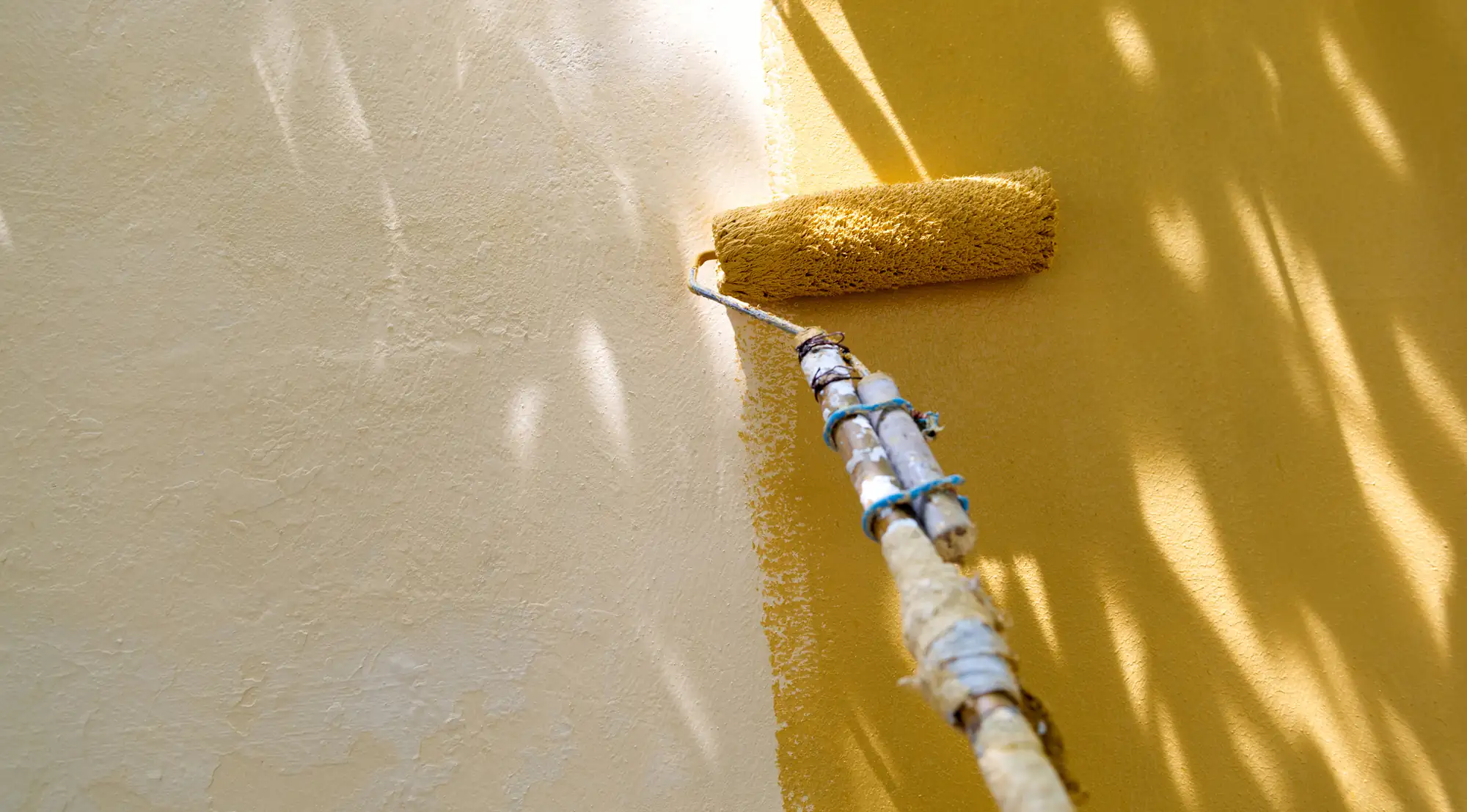
Our Stucco Crack Repair Process
First, we inspect the damage to understand what’s happening beneath the surface. Stucco cracks are symptoms, not causes. We’re looking for moisture intrusion, substrate issues, or movement that’s causing the failure.
Once we know what we’re dealing with, you get a clear estimate with realistic timelines. No surprises, no vague “we’ll see when we get in there” pricing. You know the cost and the scope before work starts.
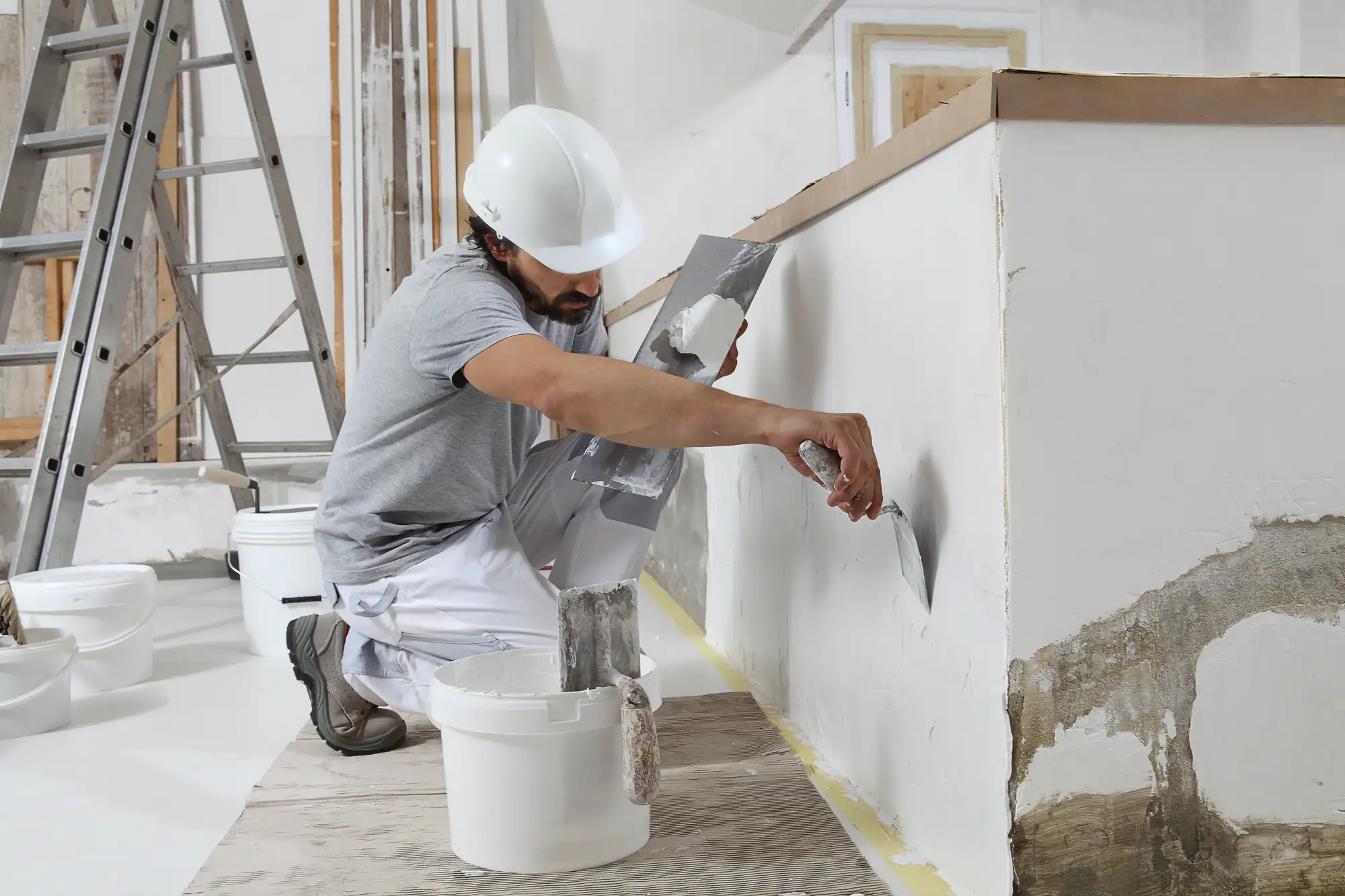
The actual repair starts with proper preparation, which most contractors skip. We remove damaged material back to sound stucco, address any underlying moisture issues, and ensure the substrate is solid. Then we apply new stucco in layers that match your existing texture and color, using materials formulated for Florida’s climate.
After the repair cures properly (not rushed because we have another job starting), we do a final inspection with you. The repair should be nearly invisible and, more importantly, should solve the problem that caused the damage in the first place.
Ready to get started?
Stucco Repair Cost and Coverage in DeLand
Stucco repair cost in DeLand typically ranges from $8 to $50 per square foot, depending on damage extent and what’s required to fix it properly. Small crack repairs cost less than extensive water damage remediation that involves substrate work.
Your repair includes damage assessment, proper surface preparation, moisture barrier restoration if needed, multi-layer stucco application with climate-appropriate materials, color and texture matching to your existing finish, and cleanup that leaves your property looking better than when we arrived.
DeLand homes built in the 1990s and early 2000s often have stucco that’s reaching the age where UV degradation and minor settling cause cracking. The good news is that catching these issues early keeps repair costs reasonable. Wait until water damage spreads behind the walls, and you’re looking at significantly higher costs for structural repairs.
We handle everything from simple patching stucco for small cosmetic cracks to complete section replacements for severe deterioration. Dryvit repair follows similar principles but requires specific materials and techniques for synthetic stucco systems.
How do I know if my stucco crack needs immediate repair or can wait?
Any crack wider than a credit card edge needs attention now, not later. Hairline cracks under 1/16 inch might seem harmless, but in DeLand’s humid climate, they’re already channeling moisture into your wall assembly during every afternoon thunderstorm.
Here’s the test: if you can see daylight through the crack, or if you can fit a business card into it, moisture is definitely getting behind your stucco. Once water gets in, it doesn’t just sit there. It migrates through your wall system, degrading insulation, rotting wood framing, and creating conditions for mold growth.
Cracks around windows, doors, or at wall-to-roof junctions are especially concerning because these are already vulnerable transition points. Diagonal cracks often indicate foundation movement or structural settling that needs evaluation beyond just patching the surface. The cost difference between fixing a crack now versus repairing extensive water damage later can be thousands of dollars.
What causes stucco to crack in Central Florida homes?
Florida’s climate creates a perfect storm for stucco stress. Intense UV exposure degrades the binders in stucco over time, making it brittle. Daily temperature swings cause expansion and contraction. High humidity followed by rapid drying creates internal stress. And our afternoon thunderstorms test every weak point in your exterior.
Most stucco cracking in DeLand comes from a few common sources. Poor original installation, where contractors didn’t use proper lath attachment or skipped control joints, is probably the biggest culprit. Foundation settling as Florida’s sandy soil shifts under your home creates stress cracks. And inadequate expansion joints mean the stucco has nowhere to move when it expands and contracts with temperature changes.
Window and door openings are stress concentration points. If the original installer didn’t reinforce these areas properly, you’ll see diagonal cracks radiating from the corners. Water intrusion from failed caulking or missing kick-out flashing accelerates deterioration once cracking starts. The damage compounds quickly in our climate.
How long does stucco repair take and will it match my existing finish?
Most stucco crack repairs take one to three days, depending on damage extent and drying time between coats. Small crack repairs might be completed in a day. Larger sections requiring substrate work need more time for proper curing between layers.
The timeline isn’t just about slapping material on your wall. Stucco needs time to cure properly, especially in Florida’s humidity. Rushing the process creates weak repairs that fail within months. Each coat needs adequate drying time before the next layer goes on, and the final coat needs to cure before painting if color matching requires it.
Matching your existing texture and color is part of the craft. We bring samples of your current stucco to match the aggregate, mix ratios, and finish technique. Texture matching requires the right tools and application method to replicate your wall’s existing pattern. Color matching sometimes means custom tinting the finish coat or applying paint after the repair cures. A quality repair should be nearly invisible once complete.
Should I repair stucco myself or hire professionals?
DIY stucco repair seems straightforward until you understand what’s actually required for a lasting fix. Patching small cosmetic cracks with pre-mixed compound might work temporarily, but it usually fails within a year because it doesn’t address underlying issues or use compatible materials.
We know how to diagnose what caused the damage, not just treat the symptom. We identify moisture intrusion sources, substrate problems, and structural movement that DIY repairs miss. We use proper base coats, reinforcing mesh, and finish materials that match your existing system’s composition and performance characteristics.
The bigger issue is that improper repairs often make problems worse. Sealing cracks without addressing moisture that’s already behind the stucco traps water in your wall assembly, accelerating rot and mold growth. Using incompatible patch materials creates a hard spot that cracks around the edges as your wall moves. And poor texture matching makes the repair obvious, hurting your home’s appearance and value. The cost of fixing a failed DIY repair plus the original damage usually exceeds what professional repair would have cost initially.
Can you repair stucco water damage or does it need replacement?
Water-damaged stucco can often be repaired if you catch it before the damage extends deep into the wall assembly. Surface delamination, soft spots, and staining are usually repairable. Once water damage reaches your wood framing or causes extensive substrate deterioration, you’re looking at more involved work.
The repair approach depends on damage extent. Minor water intrusion that caused surface staining and small soft spots gets cut out back to solid material, the area dries completely, and we rebuild those sections with proper moisture barriers. Moderate damage where water has compromised the scratch and brown coats but not the substrate requires removing damaged layers and reapplying the stucco system from the base up.
Severe water damage that’s rotted framing or destroyed sheathing needs structural repairs before stucco work begins. We remove damaged stucco, replace compromised framing and sheathing, install new weather-resistant barriers and lath, then apply a complete three-coat stucco system. This is more expensive than simple crack repair, which is why addressing small cracks before water intrusion becomes extensive saves you significant money.
What's the difference between repairing traditional stucco and Dryvit?
Traditional hard coat stucco and synthetic stucco systems like Dryvit require completely different repair approaches and materials. Hard coat stucco is a cement-based system applied in multiple coats over metal lath. Dryvit is an EIFS (Exterior Insulation and Finish System) that uses foam insulation boards with a thin synthetic finish.
Repairing traditional stucco means working with cement-based materials that need proper mixing, application in layers, and adequate cure time between coats. The repair integrates with the existing cement-based system. Dryvit repair uses synthetic materials, adhesives, and mesh that bond to foam substrate. Using traditional stucco repair methods on Dryvit fails immediately because the materials aren’t compatible.
EIFS systems are more vulnerable to water intrusion damage because once moisture gets behind the foam, it’s trapped against your sheathing. Dryvit repair often requires more extensive investigation to ensure water hasn’t caused hidden damage. The repair process involves cutting out damaged foam, addressing any moisture issues in the substrate, installing new foam sections, applying base coat with reinforcing mesh, and finishing with textured synthetic coating. You need contractors experienced with both systems to diagnose which you have and repair it correctly.
Other Services we provide in Deland