Stucco Repair in Port St. John, FL
Stop Water Damage Before It Costs You Thousands
Hear from Our Customers
Stucco Repair Contractors Port St. John
Here’s what happens when stucco fails in Central Florida. A few hairline cracks let moisture in. That moisture sits in your walls during our humid summers. Mold starts growing where you can’t see it. The wood frame behind the stucco begins rotting. Before long, sections of stucco start delaminating—literally falling off your house.
This isn’t a cosmetic issue. It’s structural. And in Florida’s climate, the timeline from “small crack” to “major repair” can be just a few months.
When you catch it early and fix stucco cracks the right way, you’re stopping that progression. You’re keeping water out. You’re protecting your home’s frame, your indoor air quality, and your property value. Most importantly, you’re avoiding the $10,000+ repair bills that come when people wait too long.
Port St. John Stucco Repair Experts
We’ve spent over two decades working on Central Florida homes. We’ve seen what happens when stucco is installed wrong, when it’s patched incorrectly, and when homeowners are told “it’s fine” by contractors who don’t understand moisture dynamics.
Our owner worked directly with engineers on foundation and exterior projects for years. That background matters when you’re diagnosing why water is getting into your walls. We don’t just patch visible cracks—we figure out where the water is coming from and stop it at the source.
Port St. John homes face the same challenges as the rest of Brevard County: high humidity, frequent storms, and that common two-story construction style where wood-framed second stories sit above masonry first floors. We’ve repaired hundreds of homes with this exact setup. We know where the vulnerable points are, and we know how to seal them properly for Florida’s climate.
How Stucco Crack Repair Works
First, we assess the damage. Not just what you can see on the surface, but what’s happening behind it. We’re checking for soft spots, moisture intrusion, and any signs that water has compromised the substrate or framing. This step determines whether you need a simple patch or something more extensive.
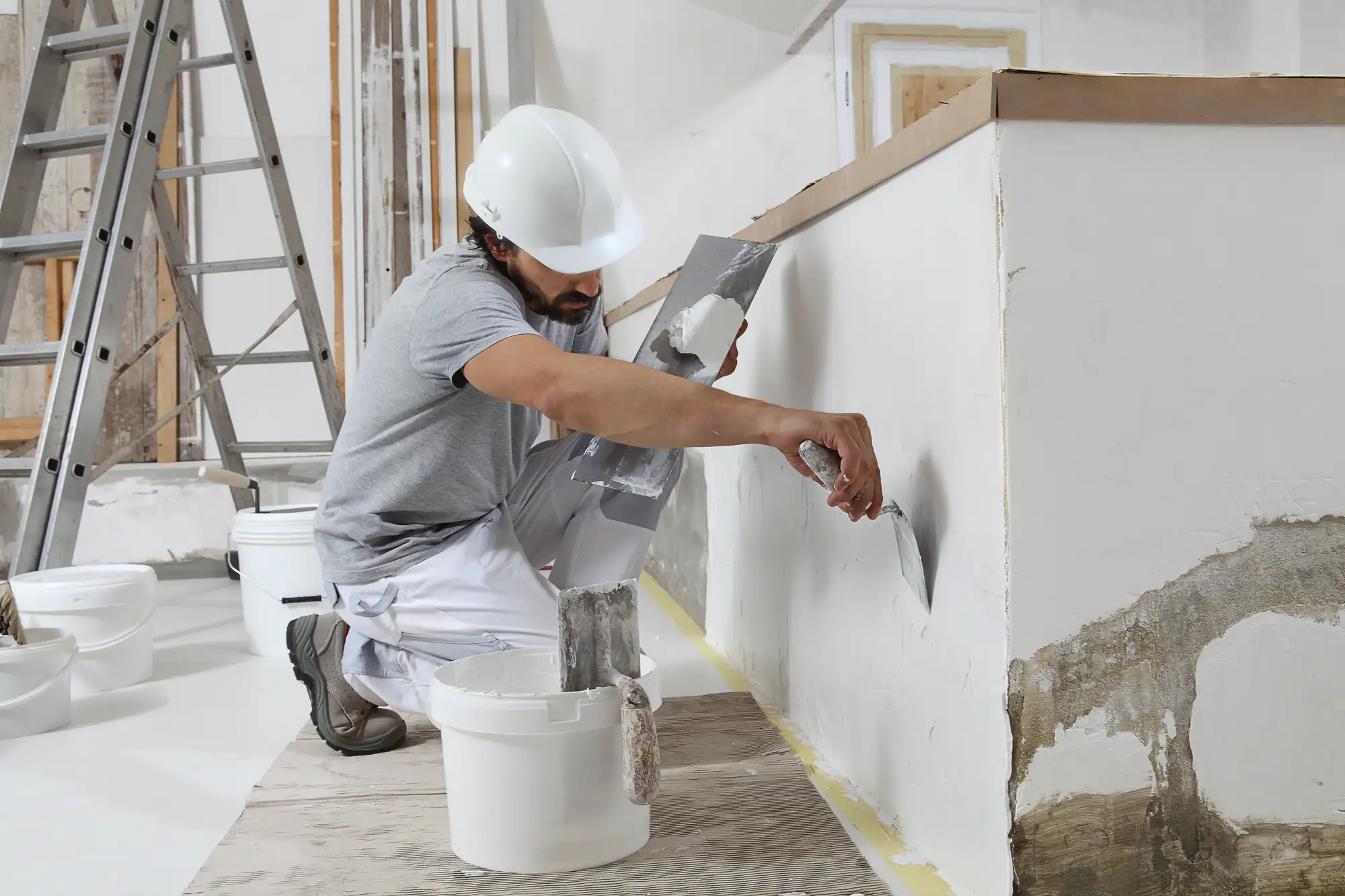
Next comes preparation. We remove any loose or damaged stucco, clean the area thoroughly, and make sure the underlying structure is sound and dry. If there’s rot or mold, we address that before any new stucco goes on. Skipping this step is how bad repairs happen.
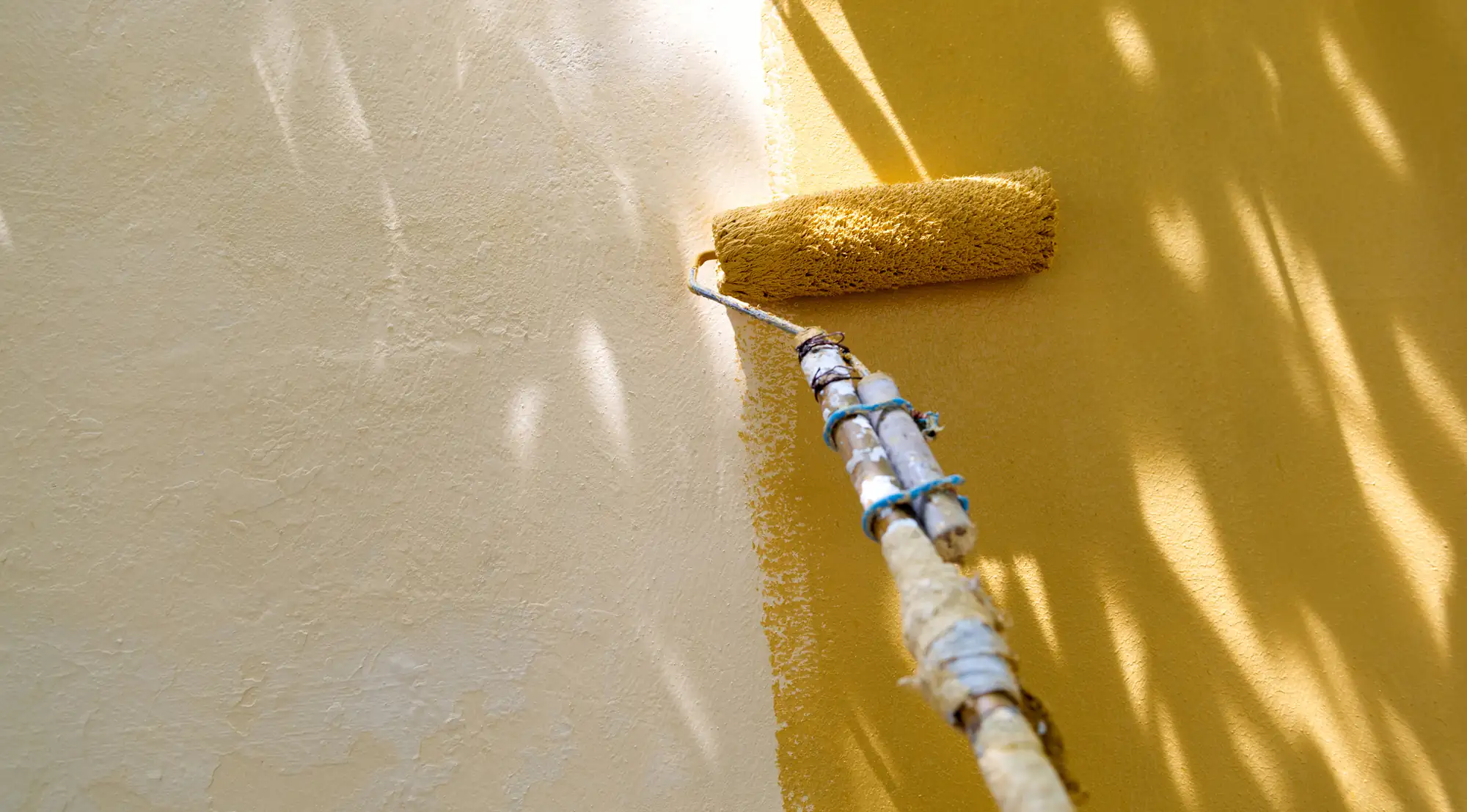
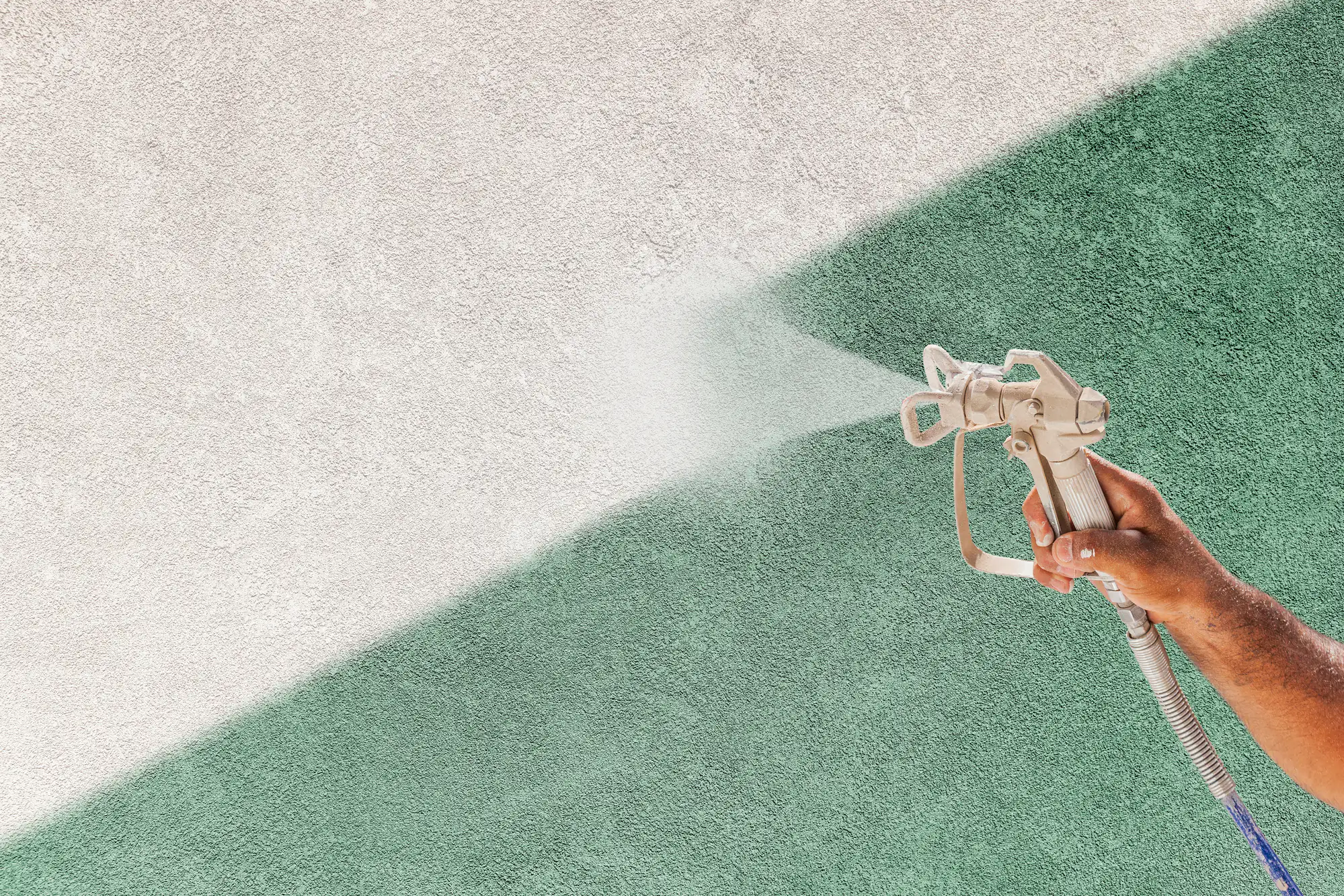
Then we apply the repair using materials specifically formulated for Florida’s humidity and weather patterns. This isn’t one-coat-and-done. Proper stucco repair involves multiple layers, each one serving a specific purpose: bonding, building, and finishing. We match your existing texture and color so the repair blends in.
Finally, we seal vulnerable areas—around windows, doors, and anywhere two different materials meet. These junctures are where most water intrusion starts. Getting the sealing right is what separates a repair that lasts from one that fails in a year.
Ready to get started?
Stucco Repair Cost Port St. John
Stucco repair in Central Florida typically runs $8 to $50 per square foot, depending on the extent of damage and what’s required to fix it properly. Most homeowners end up spending between $600 and $2,700 for a complete repair. That range exists because every situation is different.
A small crack repair with basic patching stucco work sits at the lower end. Extensive moisture damage that requires removing large sections, treating mold, replacing substrate, and reapplying multiple stucco layers costs more. But here’s the thing: paying for a proper repair now is a fraction of what you’ll spend if the problem spreads.
We’ve seen Port St. John homeowners face $15,000+ in repairs because they waited or hired someone who did surface-level work without addressing the moisture source. Florida’s billion-dollar stucco crisis didn’t happen because repairs are expensive—it happened because improper installation and cheap fixes let water destroy homes from the inside out.
When you work with us, you get a clear estimate upfront. No surprises. We explain exactly what needs to be done and why. You’ll know what you’re paying for before we start, and you’ll get work that’s built to handle Central Florida’s climate for years.
How do I know if my stucco damage is serious or just cosmetic?
Look for soft spots when you press on the stucco. If it feels spongy or you can push it in slightly, water has gotten behind it and compromised the substrate. That’s serious.
Horizontal cracks are another red flag. Vertical cracks can be normal settling, but horizontal cracks often indicate structural movement or water damage that’s causing the stucco to separate from the wall. In Florida’s climate, even small horizontal cracks can progress to full delamination in months.
Check around windows and doors. If you see cracks at these junctures, or if the caulking is cracked and missing, water is likely getting in. Run your hand along the stucco near these areas after a rainstorm. If it feels damp hours later, you have a moisture intrusion problem that needs immediate attention.
Can I just patch stucco cracks myself, or do I need a contractor?
You can patch small, surface-level cracks if you’re confident in your ability to match texture and seal properly. But most DIY stucco repairs fail because people don’t address what caused the crack in the first place.
If the crack is wider than a quarter-inch, if there are multiple cracks, or if you’re seeing any soft spots or staining, you need a professional assessment. The visible crack is often just a symptom of a bigger moisture or structural issue. Patching over it without fixing the underlying problem means you’ll be patching again in six months—or dealing with much worse damage.
Florida-specific stucco repair also requires materials and techniques designed for high humidity. Using the wrong product or application method can actually trap moisture inside your walls, making the problem worse. Stucco repair contractors who understand Central Florida’s climate know which materials work and how to apply them so they last.
How long does stucco repair take, and will it match my existing stucco?
Most stucco repairs take one to three days, depending on the size and complexity of the job. Small crack repairs can be done in a day. Larger areas that require removing damaged sections, treating substrate issues, and applying multiple stucco layers take longer because each layer needs proper curing time.
Matching your existing stucco texture and color is part of the process. We bring samples to match your current finish before we start the repair work. Stucco comes in different textures—smooth, sand, dash, lace—and getting the match right requires experience and the right tools.
Color matching is trickier because stucco fades over time in Florida’s sun. We mix pigments to match your current color, not the original color from when your house was built. In some cases, if the repair area is large or highly visible, we may recommend painting the entire wall section after repair to ensure a seamless appearance.
What causes stucco to fail so quickly in Florida compared to other places?
Florida’s combination of high humidity, frequent rain, and heat creates the perfect environment for stucco failure. When water gets behind stucco—through cracks, poor sealing, or improper installation—it doesn’t dry out like it would in drier climates. It sits there, trapped between the stucco and your home’s structure.
That constant moisture leads to mold growth and wood rot. The wood framing behind your stucco starts deteriorating. As it rots, it loses its ability to support the stucco, which causes more cracking and delamination. This cycle accelerates fast in our climate. A problem that might take years to develop in Arizona can happen in months here.
The two-story construction style common in Port St. John and throughout Central Florida makes this worse. When you have wood framing on the second story with stucco over it, any water intrusion goes straight into that wood. Without proper moisture barriers and sealing at every juncture, you’re basically guaranteed problems. That’s why choosing stucco repair contractors who understand Florida-specific building challenges matters so much.
Will my homeowners insurance cover stucco repair costs?
Probably not, and this catches a lot of Florida homeowners off guard. Most homeowners insurance policies don’t cover damage from slow leaks, gradual deterioration, or poor installation. They cover sudden, accidental damage—like a tree falling on your house—not moisture problems that develop over time.
If your stucco is letting water in and that water causes rot, mold, or structural damage, you’re likely paying for repairs out of pocket. Insurance companies consider this a maintenance issue, not a covered peril. Some policies explicitly exclude water damage that results from lack of maintenance or faulty construction.
This is why catching stucco problems early matters so much. A $1,500 repair now prevents a $20,000 insurance claim that won’t be covered later. We’ve worked with Port St. John homeowners who faced five-figure repair bills because they assumed insurance would handle it and didn’t address small cracks when they first appeared. Get the assessment. Get the repair done. Don’t wait for insurance to force your hand.
How can I tell if a stucco contractor actually knows what they're doing?
Ask them about moisture barriers and flashing. If they start talking about how they’ll seal junctures, install proper drainage planes, and ensure water can’t get trapped behind the stucco, they understand the real issue. If they just talk about patching cracks and matching texture, they’re treating symptoms.
Check their experience with Florida-specific stucco problems. Do they understand why two-story wood-frame construction is vulnerable? Can they explain the difference between EIFS (synthetic stucco like Dryvit) and traditional hard-coat stucco? Do they know which products are formulated for high-humidity climates? These aren’t trick questions—they’re basics that separate contractors who know stucco from those who just know how to spread cement.
Look at their track record. How long have they been working in Central Florida? What do their reviews say about communication, cleanup, and whether repairs actually lasted? We have a 5.0 Google rating and 4.6 overall rating across 145 reviews because we do the preparation work that matters, we communicate clearly about what needs to be done, and our repairs hold up in Florida’s climate. That’s the standard you should expect from any stucco repair contractor you’re considering.
Other Services we provide in Port St. John