Stucco Repair in University CDP, FL
Stop Water Damage Before It Costs You Thousands
Hear from Our Customers
Stucco Crack Repair That Lasts
You’ve probably noticed a crack or two. Maybe some discoloration around the windows. In University CDP, those aren’t just cosmetic issues—they’re entry points for Florida’s 50+ inches of annual rain and 90% humidity.
Water doesn’t wait. Once it gets behind your stucco, you’re looking at mold growth within 24 to 48 hours. The damage spreads fast in this climate. What starts as a $300 crack repair can become a $5,000+ remediation project if water reaches your framing or insulation.
Proper stucco repair stops that cycle. You get a sealed exterior that handles Central Florida’s weather without letting moisture compromise your walls. Your cooling bills stay manageable because the thermal barrier stays intact. And when you eventually sell, buyers see a well-maintained home instead of a project with hidden problems.
The repair work typically wraps up in two to five days for most residential jobs. Small crack repairs finish even faster—often within a day or two. You’re back to normal quickly, but the protection lasts for decades when the work is done right.
University CDP Stucco Repair Contractors
We’ve spent over 20 years repairing stucco throughout Central Florida. Our owner brings two decades of foundation repair expertise to every project, working directly with engineers when structural concerns come up.
University CDP sits in Orange County, where homes built in the 1990s and 2000s are hitting the age where stucco issues become common. We’ve seen the patterns—the typical failure points, the builder shortcuts that cause problems years later, the way Florida’s climate accelerates deterioration.
We’re not the cheapest option in the area. You’re paying for experience that prevents repeat repairs and catches problems other contractors miss. Our 4.6 rating across 145 reviews reflects that approach—homeowners who wanted the job done once, done correctly.
How Stucco Repair Works
We start with an inspection of your exterior. Not just the obvious damage you called about, but the areas around it where water might already be working its way in. You get a clear estimate with realistic timelines before any work begins.
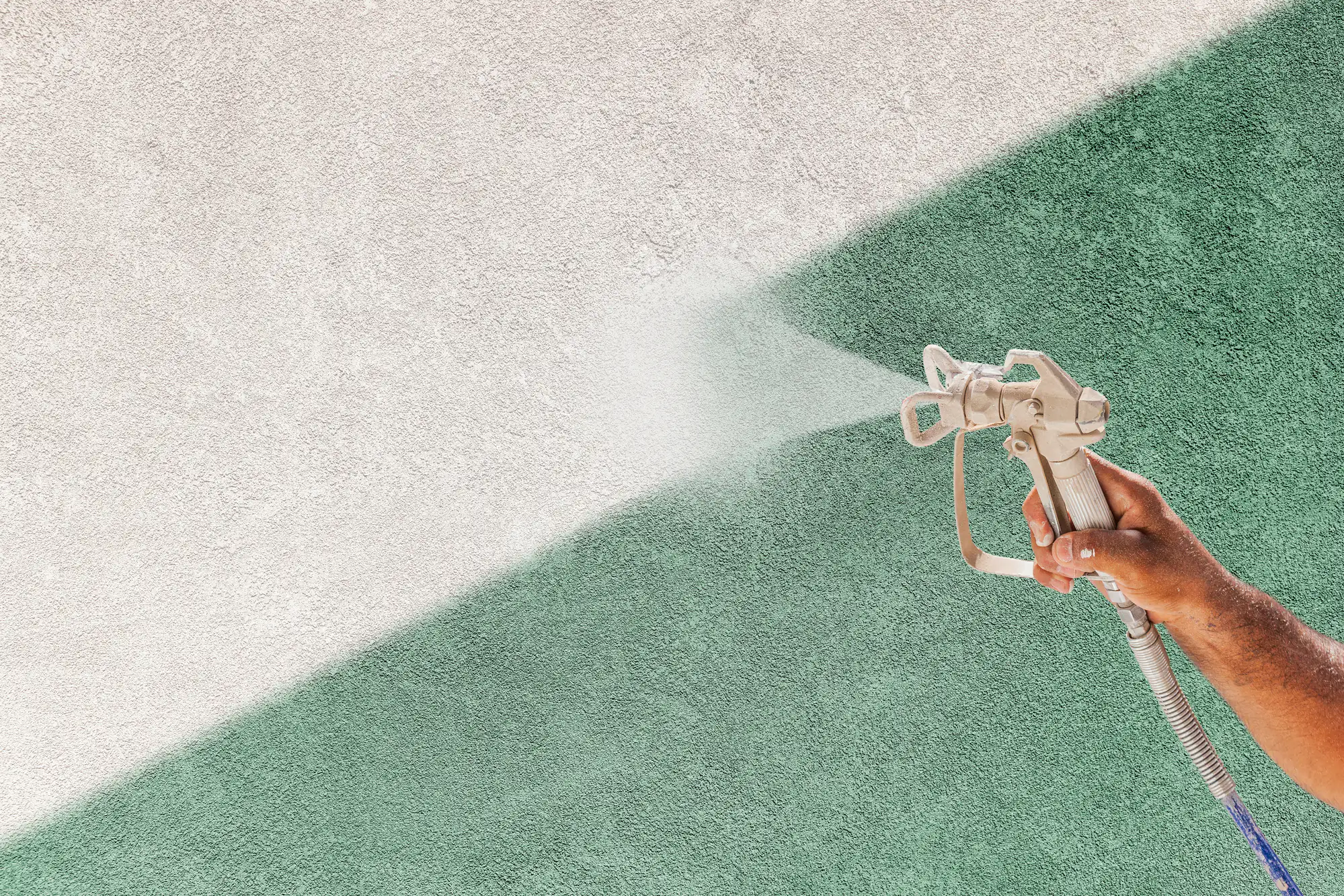
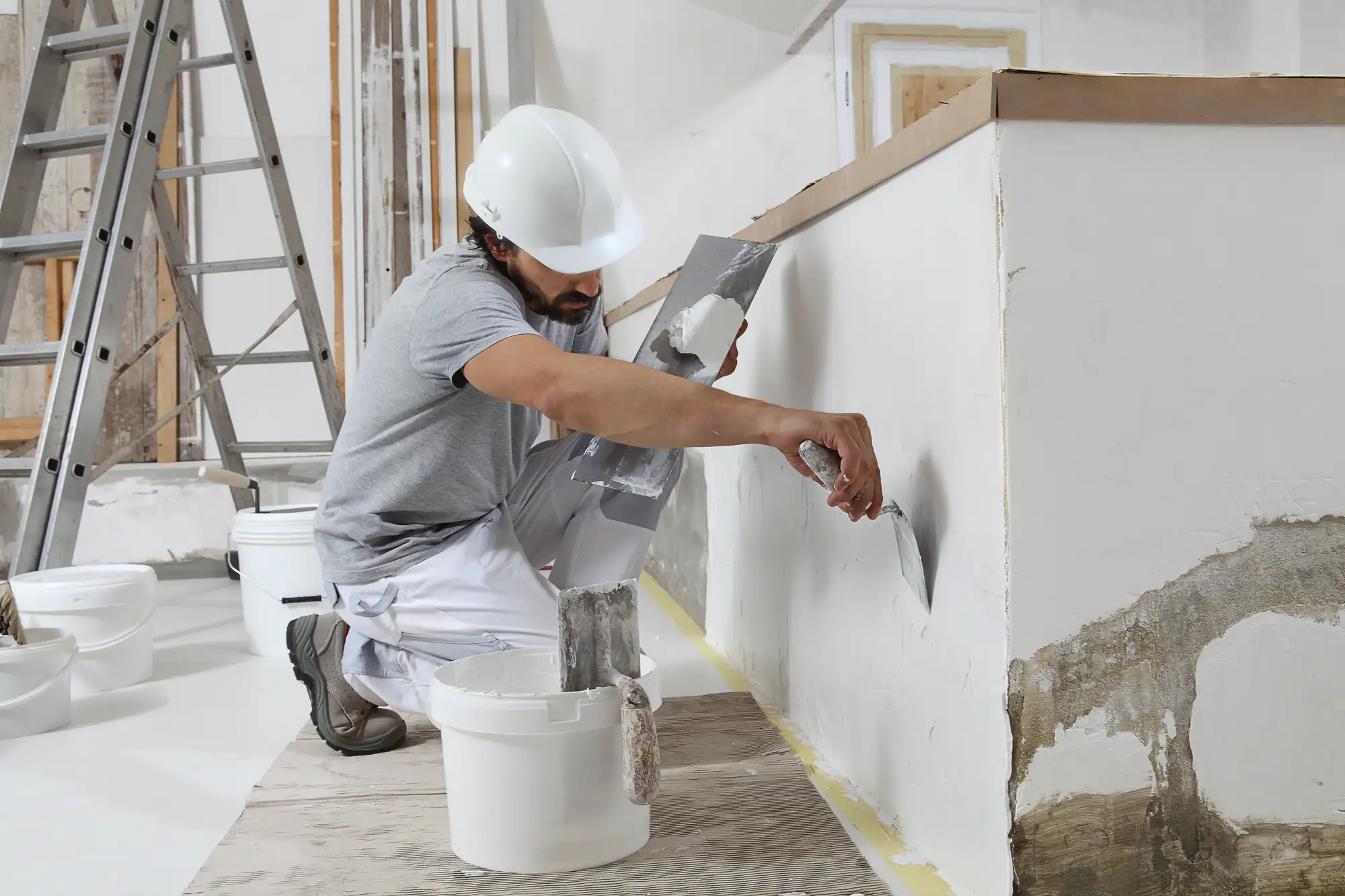
The repair process depends on what we find. Minor crack repair means cleaning out the damaged area, applying a bonding agent, and filling with fresh stucco that’s color-matched to your existing finish. Larger repairs might require removing sections down to the lath, checking for water damage in the substrate, and rebuilding the full three-coat system.
For water damage repairs, we trace the moisture back to its source. Sometimes that’s failed caulking around windows. Sometimes it’s a roof detail that’s been directing water into the wall for years. We fix the cause, not just the symptom, so you’re not calling us back in six months.
The final step is protection. In University CDP’s climate, that means proper sealing and often a fresh coat of quality paint with UV protection. Florida sun breaks down sealants in five to seven years, so addressing that during repairs saves you money long-term.
Ready to get started?
Stucco Repair Services Near Me
Our stucco repair work covers everything from patching small holes to addressing extensive water damage. You get crack repair, texture matching, color matching, and proper sealing as part of the standard service. If your home has EIFS (synthetic stucco or Dryvit), we handle those systems too—they require different techniques than traditional stucco.
University CDP homes often deal with specific challenges. The area’s development boom in the 1990s and early 2000s means many properties were built during a period when stucco installation standards weren’t as stringent. We regularly see issues with improper flashing, inadequate expansion joints, and water barriers that weren’t installed correctly from the start.
The repair cost depends on the scope. Small crack repairs start around $300. Patching stucco in a 10-by-10 section typically runs $800 to $1,500. Extensive water damage that requires removing and replacing large areas can reach several thousand dollars, but that’s still far less than the $100,000+ bills some homeowners face when hidden damage goes unaddressed for years.
We also handle the prep and cleanup that other contractors skip. Job sites stay organized. Your landscaping doesn’t get destroyed. And we’re clear about timelines—most residential stucco repairs in University CDP finish within a week, weather permitting.
How much does it cost to repair stucco cracks in University CDP?
Small crack repairs typically start around $300 for basic patching work. If you’ve got a few hairline cracks that haven’t allowed water intrusion yet, you’re looking at the lower end of that range.
Medium-sized repairs—think a section of damaged stucco about 10 by 10 feet—usually run between $800 and $1,500. That includes removing the damaged material, checking the substrate for moisture issues, applying new stucco in the proper layers, and matching your existing texture and color.
Extensive repairs get more expensive. If water has been getting behind your stucco for months or years, you might need $3,000 to $8,000 worth of work to address the damage to sheathing, insulation, or framing. Large-scale failures that affect multiple walls can reach $15,000 or more.
The key factor is catching problems early. University CDP’s climate accelerates damage once water gets in. A $300 repair this month can easily become a $5,000 project by next year if you wait.
How long does stucco repair take to complete?
Most residential stucco repairs in University CDP finish within two to five business days. Small crack repairs often wrap up in one to two days, especially if we’re just addressing surface damage without underlying moisture issues.
The timeline depends on the repair scope and Florida’s weather. Stucco needs proper curing time between coats, and high humidity actually helps with that process. But active rain delays work, so we build some flexibility into the schedule during summer months when afternoon storms are common.
Larger repairs that involve removing sections down to the lath and rebuilding the full three-coat system take longer. You’re looking at a week to ten days for extensive work, with most of that time dedicated to proper drying and curing between layers. Rushing this process leads to failures down the road.
If we discover water damage that extends beyond the stucco itself, that adds time. We won’t close up a wall when the framing is still wet or the insulation needs replacing. You’ll know upfront if we find issues that change the timeline.
What causes stucco to crack on University CDP homes?
Florida’s climate is the biggest factor. University CDP gets over 50 inches of rain annually, and humidity averages 74%. That constant moisture causes the wood framing in your walls to expand and contract, which puts stress on the stucco finish.
Many homes in the area were built during the 1990s and early 2000s when building codes weren’t as strict about moisture barriers and expansion joints. If your home doesn’t have proper control joints every 18 feet or so, the stucco has nowhere to move when the substrate shifts. Cracks form at stress points—usually around windows, doors, and corners.
UV exposure also breaks down the protective sealant on stucco. In Central Florida, that happens in five to seven years instead of the ten-plus years you’d see in northern climates. Once the sealant fails, water penetrates more easily, and freeze-thaw cycles (yes, even the occasional University CDP freeze) cause additional cracking.
Foundation settlement is another common cause. Orange County has areas with sandy soil that shifts over time. Even minor settling creates stress points in your stucco that show up as cracks years after construction.
Can I just paint over stucco cracks instead of repairing them?
Painting over cracks without proper repair is a temporary cosmetic fix that makes the underlying problem worse. Paint might hide the crack for a few months, but it doesn’t seal out water or address why the crack formed in the first place.
In University CDP’s humid climate, water will find those cracks. Once moisture gets behind your stucco, it’s trapped between the finish coat and your home’s sheathing. That’s where mold starts growing within 24 to 48 hours. The damage spreads to insulation, framing, and drywall—areas you can’t see until the problem is severe.
Proper crack repair means cleaning out the damaged area, applying a bonding agent, filling with fresh stucco, and then sealing and painting. The repair addresses the full depth of the crack and creates a waterproof barrier that lasts.
If you’re seeing multiple cracks or cracks that keep coming back after painting, that’s a sign of a bigger issue—possibly foundation movement, missing expansion joints, or water damage that’s already compromising the substrate. Those problems need professional assessment, not another coat of paint.
Do you repair EIFS or synthetic stucco systems?
Yes, we repair both traditional stucco and EIFS (Exterior Insulation and Finish System), which is often called synthetic stucco or Dryvit. The repair approach differs because EIFS is a multi-layer system that includes foam insulation board, base coat, mesh, and a finish coat.
EIFS was popular in Florida during the 1990s, and many University CDP homes have it. The system performs well when installed correctly, but it’s less forgiving than traditional stucco when water gets in. EIFS doesn’t breathe the same way, so moisture that penetrates the finish coat gets trapped against your sheathing.
Repairing EIFS requires cutting out the damaged section, inspecting the foam board and substrate for water damage, replacing any compromised materials, and then rebuilding the layers with proper sealing at all edges. We pay special attention to areas around windows and doors where most EIFS failures start.
If your home has EIFS and you’re seeing cracks, soft spots, or discoloration, get it checked soon. Water damage in EIFS systems progresses quickly in Central Florida’s climate, and early intervention prevents expensive structural repairs.
How do I know if my stucco damage is just cosmetic or structural?
Cosmetic damage stays on the surface—hairline cracks, small chips, or discoloration that hasn’t allowed water penetration. You can usually spot cosmetic issues because the stucco still sounds solid when you tap it, and there’s no soft or spongy feeling when you press on the area.
Structural damage involves water intrusion, deteriorating substrate, or cracks that go through the full depth of the stucco system. Warning signs include: hollow sounds when you tap the wall, soft spots that flex when you push on them, staining or discoloration that suggests moisture, cracks wider than a quarter-inch, or cracks that run horizontally along the wall.
In University CDP, the climate makes it hard to keep damage cosmetic for long. A surface crack that might stay stable in a drier climate becomes a water entry point here within months. Once water gets behind the stucco, you’re dealing with structural concerns—mold, rot, compromised insulation, and potentially damaged framing.
The best approach is professional inspection when you first notice damage. We use moisture meters to check for hidden water intrusion and can tell you whether you’re looking at a simple patch job or a more involved repair. Catching problems early—while they’re still cosmetic—saves you significant money and stress.
Local Resources
Other Services we provide in University Cdp (Orange County)