
Stucco Repair in Viera West, FL
Cracks Fixed Right Before Water Gets In
Hear from Our Customers
Stucco Crack Repair Viera West
You stop wondering if that crack is getting worse. You stop seeing water stains creep across your interior walls after every storm. The brown discoloration around your windows disappears because the source is sealed, not just covered.
Proper stucco repair means your exterior can handle what Central Florida throws at it—the humidity that never quits, the afternoon downpours that test every seal, the heat that expands and contracts your walls daily. When the work is done right, your home breathes without leaking.
You’re not calling someone back in six months. You’re not dealing with mold remediation companies because moisture found a way in. The repair holds because it was designed for this exact climate, not just patched over with whatever was cheapest.
Stucco Repair Contractors Viera West
We’ve been repairing stucco in Central Florida for over 20 years. That’s two decades of understanding how Viera West homes respond to moisture, how the climate here accelerates deterioration, and what actually lasts versus what fails in three years.
Your neighborhood sits in one of Florida’s faster-growing areas, which means a lot of homes built in the boom years—and a lot of stucco that wasn’t installed with Florida’s weather in mind. We’ve seen the patterns. The failures around improperly flashed windows. The cracks that start small near the foundation and spread. The water intrusion that shows up as interior damage long before you notice the exterior problem.
We’re not the cheapest option, and that’s intentional. You’re paying for repairs that account for moisture barriers, proper drainage, and climate-appropriate materials—not just surface fixes that look good until the next rainy season.
Patching Stucco Viera West FL
First, we inspect the damage—not just what you can see, but what’s happening behind it. Hairline cracks on the surface usually mean water’s already been getting in. We check for soft spots, moisture damage, and whether the underlying structure is compromised.
Then we remove the damaged material. If the wire lath underneath is corroded or the moisture barrier is missing, we’re replacing those too. Patching over a bad foundation just delays the inevitable.
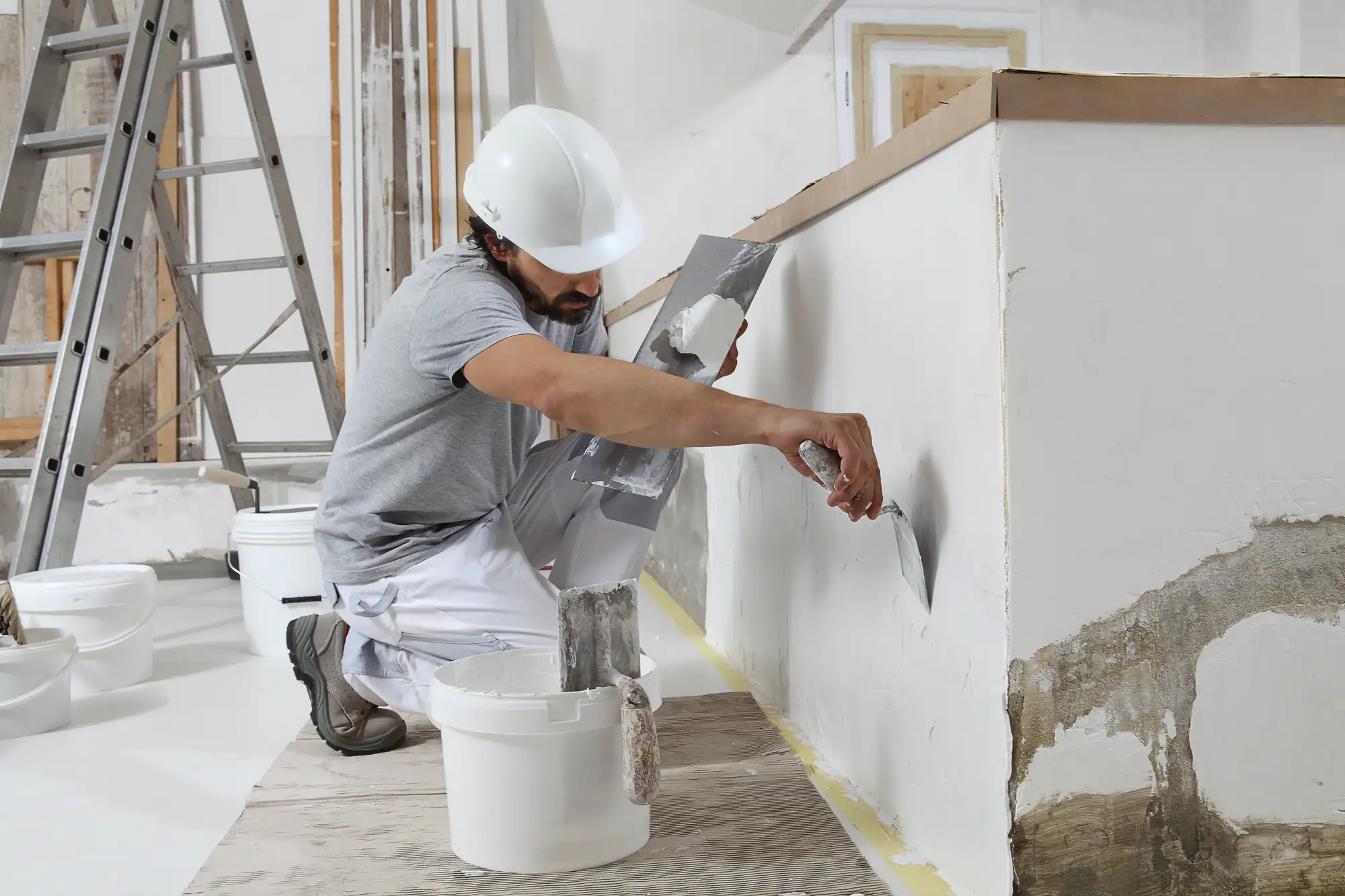
We apply new stucco in layers, letting each one cure properly. Florida’s humidity means rushing this step causes failures. The final coat is matched to your existing texture and color, but more importantly, it’s sealed correctly so water can’t penetrate.
After everything cures, we inspect the repair under different conditions. We’re looking at how it handles moisture, how the seal performs, whether the texture blends. You get a repair that works, not just one that looks passable from the curb.
Ready to get started?
Fix Stucco Cracks Viera West
You get a full assessment of the damage, including what’s behind the visible cracks. We’re checking for water intrusion, mold growth, structural issues with the lath or framing, and whether your flashing is doing its job. Most stucco problems in Viera West trace back to installation shortcuts or missing moisture barriers.
The repair includes removing all compromised material, replacing or repairing the underlying structure, installing proper moisture barriers where they’re missing, and applying new stucco that’s formulated for Florida’s climate. We’re not using the same mix you’d use in Arizona. The humidity here demands different materials.
You also get realistic timelines. Stucco needs time to cure between coats, especially in Florida’s moisture-heavy air. Rushing it causes cracks and adhesion failures. We’ll tell you upfront how long the job takes and why each step matters.
The work comes with clear communication throughout. You’ll know what we found, what needs fixing, and what it costs before we start. No surprises when the bill comes.
How much does stucco repair cost in Viera West?
Most stucco repairs in Central Florida run between $600 and $2,700, with an average around $1,600. Small crack repairs might cost $250. Extensive damage that requires removing large sections and addressing underlying moisture problems can reach $6,900 or more.
The range exists because every job is different. A hairline crack on a single wall is straightforward. Water damage that’s compromised your moisture barrier, corroded your wire lath, and created mold behind the stucco—that’s a bigger job. You’re not just patching the surface. You’re rebuilding the system that keeps water out.
In Viera West specifically, we see higher costs when homes were built during the construction boom without adequate moisture protection. Fixing those issues properly means addressing the root cause, not just the visible damage. That costs more upfront but saves you from doing the job twice.
What causes stucco cracks in Florida homes?
Florida’s climate causes most stucco damage. The constant humidity, dramatic temperature swings, and heavy rain create conditions that make stucco expand, contract, and absorb moisture. Add in installation defects like missing moisture barriers or insufficient wire lath, and cracks are inevitable.
Water intrusion is the biggest culprit. When stucco doesn’t have proper drainage at the foundation or correct flashing around windows, water gets behind the material. It sits there, trapped by the stucco itself, and causes the substrate to deteriorate. You see this as cracks on the outside, but the real damage is happening where you can’t see it.
Settlement and structural movement also cause cracks, especially in newer homes. As the foundation settles, the stucco—which is rigid—cracks along stress points. In Viera West, where development has been rapid, we see this frequently in homes less than 15 years old. The cracks start small but widen as the movement continues and water finds its way in.
How do I know if my stucco damage is serious?
Water stains on your interior walls are the clearest sign. If you’re seeing brown, yellow, or dark discoloration—especially after rain—water is getting through your stucco and sitting in your walls. That’s serious. It means your moisture barrier is failing or was never installed correctly.
Soft spots when you press on the stucco indicate the material behind it is compromised. The stucco itself might look intact, but if the substrate is rotted or the wire lath is corroded, the whole section needs replacement. Ignoring soft spots leads to larger failures and potential mold growth.
Cracks wider than a quarter-inch or cracks that are growing need immediate attention. Hairline cracks can often be sealed if caught early, but once they widen, water is already penetrating. In Florida’s climate, small problems accelerate fast. What looks minor in January can be a major issue by summer after months of afternoon storms and humidity.
Can I patch stucco myself or should I hire professionals?
Small cosmetic cracks—the hairline surface ones with no water damage—you can patch yourself with the right materials. You’ll need stucco patch compound, proper tools, and patience to match the texture. But if there’s any sign of water intrusion, soft spots, or cracks that keep coming back, you need professionals.
The risk with DIY stucco repair is missing what’s happening behind the wall. You might patch a crack and think you’re done, but if the moisture barrier is compromised or the wire lath is failing, that patch won’t hold. You’ve spent time and money on a fix that fails in months, and now the underlying damage is worse.
In Viera West’s climate, moisture issues escalate quickly. A crack you patch in spring can turn into a mold problem by fall if water was already getting in. Professional stucco repair contractors know what to look for, how to test for hidden damage, and which repairs will actually last in Florida’s humidity. The cost difference between a failed DIY job and professional work that holds is significant when you factor in doing it twice.
How long does stucco repair take to complete?
Small repairs—patching a few cracks on one wall—usually take one to two days, including cure time between coats. Larger jobs that involve removing sections, replacing moisture barriers, and repairing underlying structure can take a week or more. The timeline depends on the extent of damage and how many layers need replacement.
Florida’s humidity affects cure times. Stucco needs to dry properly between coats or you’ll get adhesion problems and future cracks. We can’t rush this step just to finish faster. Each layer needs time to set in the moisture-heavy air, which often means longer timelines than you’d see in drier climates.
Weather also plays a role. We can’t apply stucco in active rain or when heavy storms are forecast within the cure window. In Central Florida, that means scheduling around afternoon thunderstorms and being flexible when weather doesn’t cooperate. A job quoted at three days might stretch to five if we get unexpected rain. We’d rather take extra time than deliver work that fails because we rushed it.
Will repaired stucco match my existing exterior?
Matching texture and color is part of the job, but perfect matches are tough with aged stucco. Your existing stucco has years of weathering, UV exposure, and dirt accumulation. New stucco looks new. We get as close as possible by matching the mix, using the same application technique, and color-matching the finish coat.
Texture matching requires skill. Different application methods create different finishes—smooth, sand, Spanish lace, cat face. We replicate your existing texture by hand, which means the person doing the work needs experience. Poor texture matching is obvious from ten feet away. Good matching blends so well you forget where the repair was.
Color will be close but might not be exact initially. New stucco often looks slightly different until it weathers. In Florida’s sun and rain, that weathering happens relatively fast—usually within a few months. If exact color match is critical, we can discuss painting the entire wall or section to ensure uniformity. That adds cost but guarantees consistency.
Other Services we provide in Viera West