Waterproofing in Bartow, FL
Bartow Homes Take a Beating — Your Walls Shouldn't
Hear from Our Customers
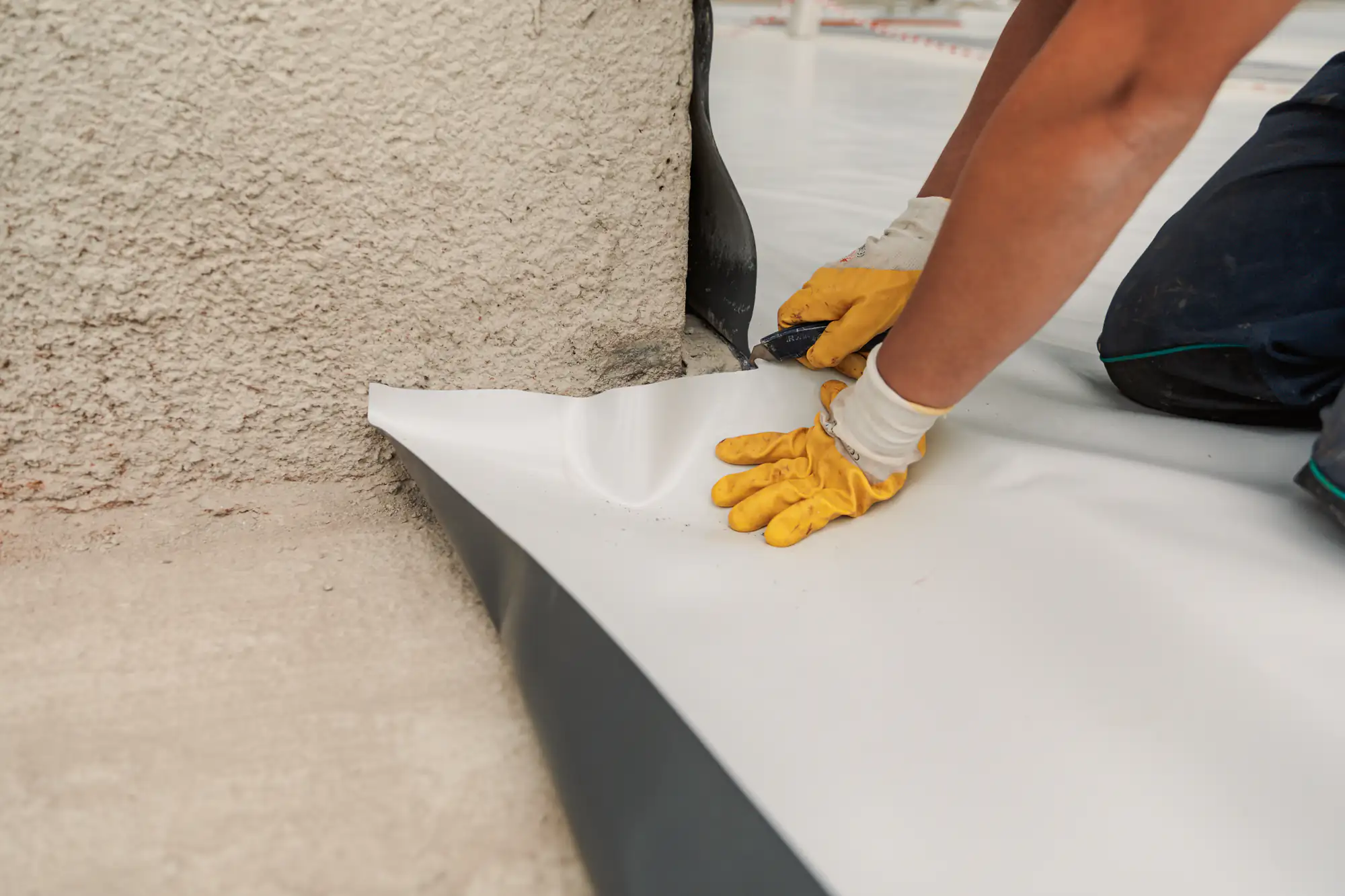
Exterior Waterproofing Bartow FL
The damage water does to a stucco home is mostly invisible at first. It gets in through a hairline crack, sits behind the wall, and by the time you see a stain or smell something musty, it’s already been there a while. Waterproofing stops that process before it starts — and in Bartow, where the rainy season runs nearly half the year and storm systems roll through with serious intensity, that matters more than most people realize.
Homes in Bartow’s established neighborhoods — many built in the 1970s and ’80s — have original stucco systems that were never designed to last indefinitely without maintenance. Add the soil conditions tied to Polk County’s phosphate history, which can cause subtle ground movement over time, and you’ve got a recipe for cracks that keep opening no matter how many times you patch the surface. A proper waterproofing job seals the exterior at every vulnerability point, not just the obvious ones.
The result is a home that holds up through hurricane season, doesn’t develop mold behind the walls, and doesn’t lose value when a buyer’s inspector shows up. That’s significant in a market where Bartow’s property values are climbing alongside the city’s growth.
Stucco Waterproofing Contractor Bartow
We’re a Central Florida stucco and waterproofing contractor — not a franchise, not a referral network, not a crew that shows up from three counties away without knowing anything about your area. We work specifically in this region and understand what the local environment actually does to stucco exteriors year after year.
That means we know Bartow. We know the Peace River sits nearby and what that means for ground-level moisture. We know the difference between a crack caused by normal aging and one caused by soil movement in areas built near reclaimed phosphate land. And we know that homes in the South Bartow and Northeast Bartow historic districts need a different approach than a new build going up along SR 60.
Every project starts with a real on-site inspection — not a phone quote, not a ballpark number, but an honest look at what’s actually happening with your specific home. From there, the scope is clear, the pricing is itemized, and the work is done by the same team from start to finish.
Waterproofing Process Bartow Florida
It starts with the inspection. Before anything is recommended or quoted, someone from our team walks your property and looks at the actual condition of your exterior — cracks, failing caulk lines, areas where water is visibly tracking, transition points around windows and doors, and anything at the foundation level that’s letting moisture in. In Bartow, that inspection often turns up things homeowners didn’t know to look for, especially on older homes where the original stucco has been painted over multiple times without any underlying sealing work.
Once the inspection is done, you get a written proposal with a clear breakdown of what needs to happen and why. If stucco repair is needed before waterproofing can be applied — which is common on homes that have developed cracks from age or ground movement — that gets scoped and priced separately so you understand exactly what you’re approving. No vague estimates, no surprises when the invoice arrives.
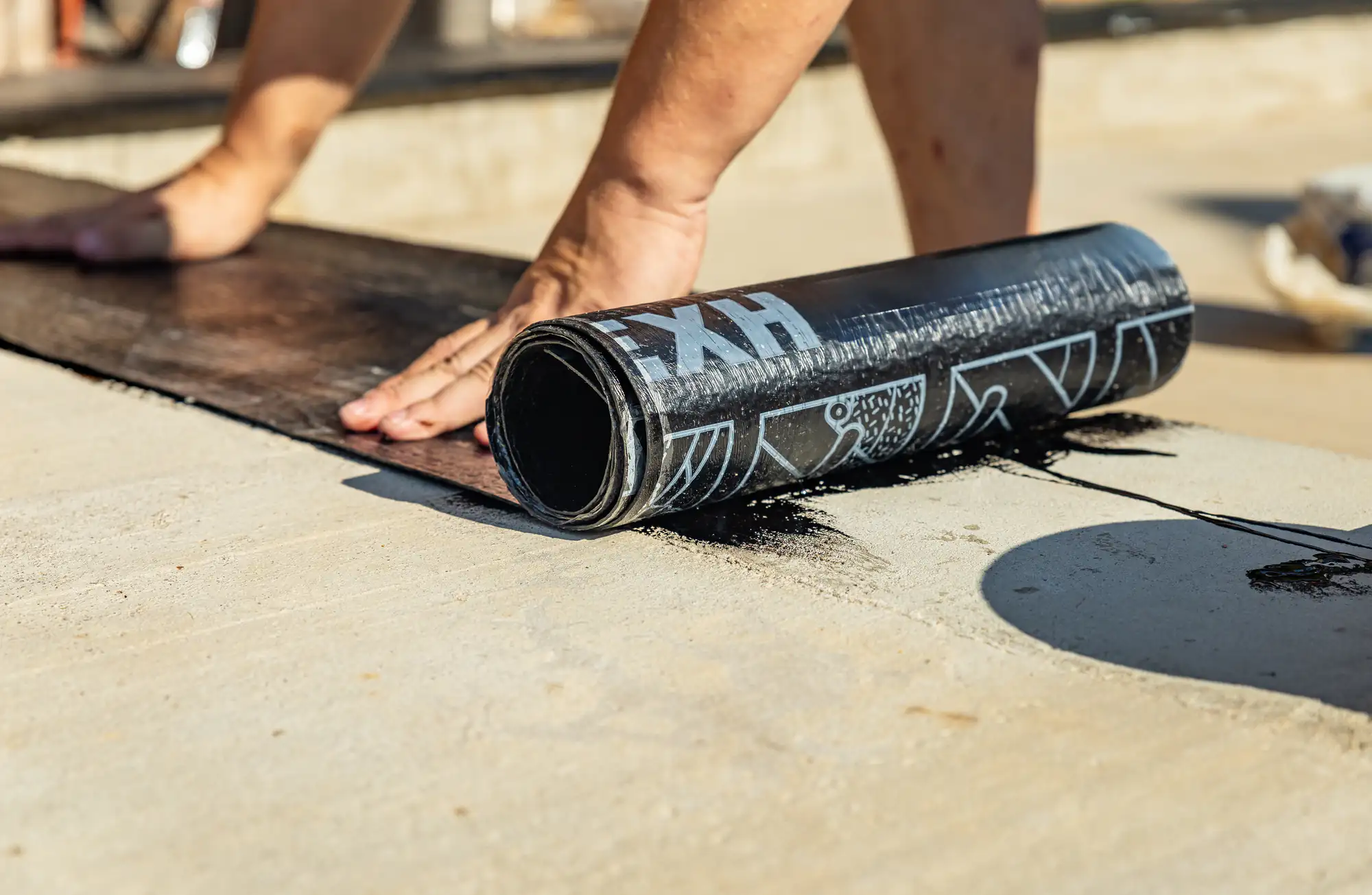
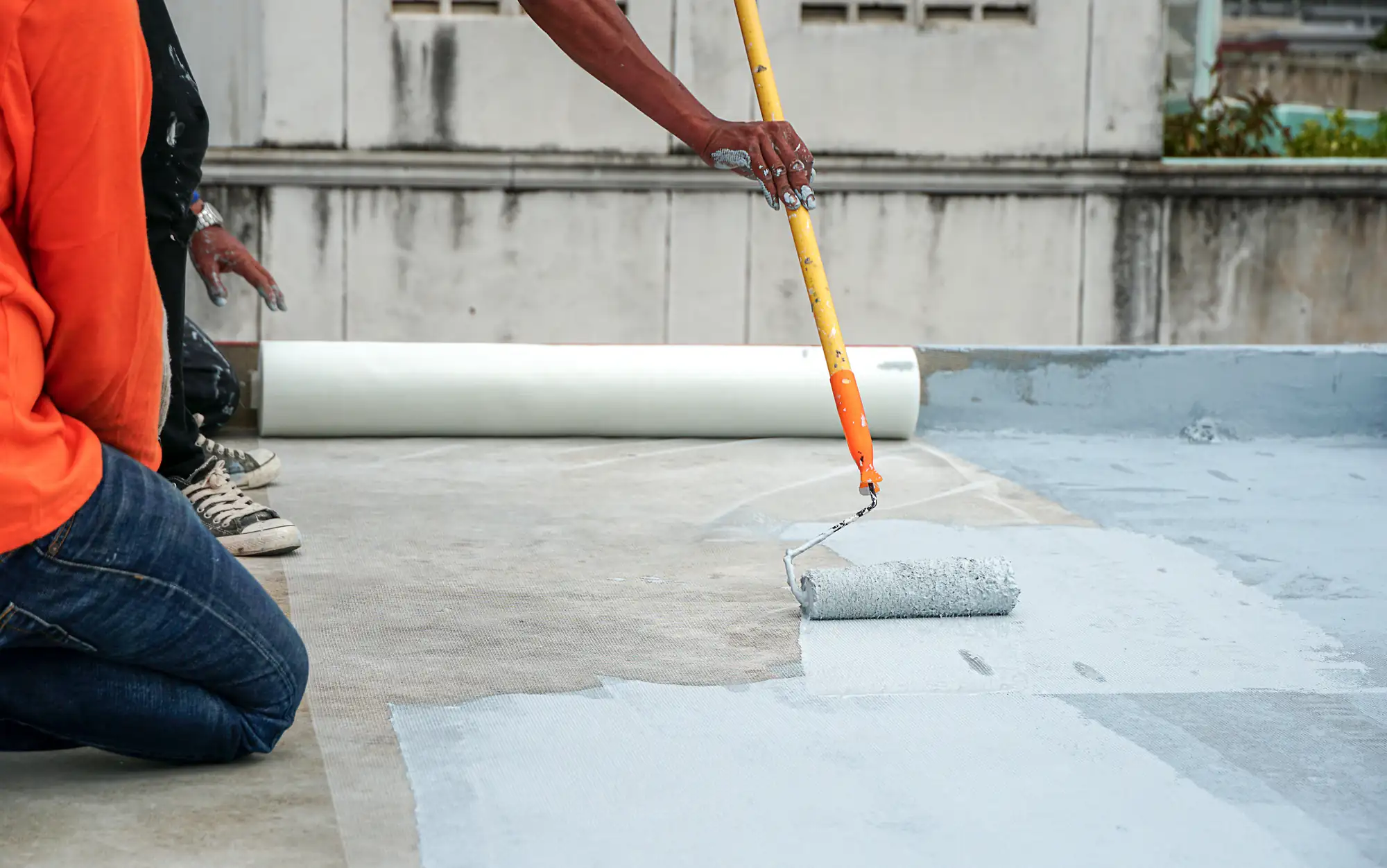
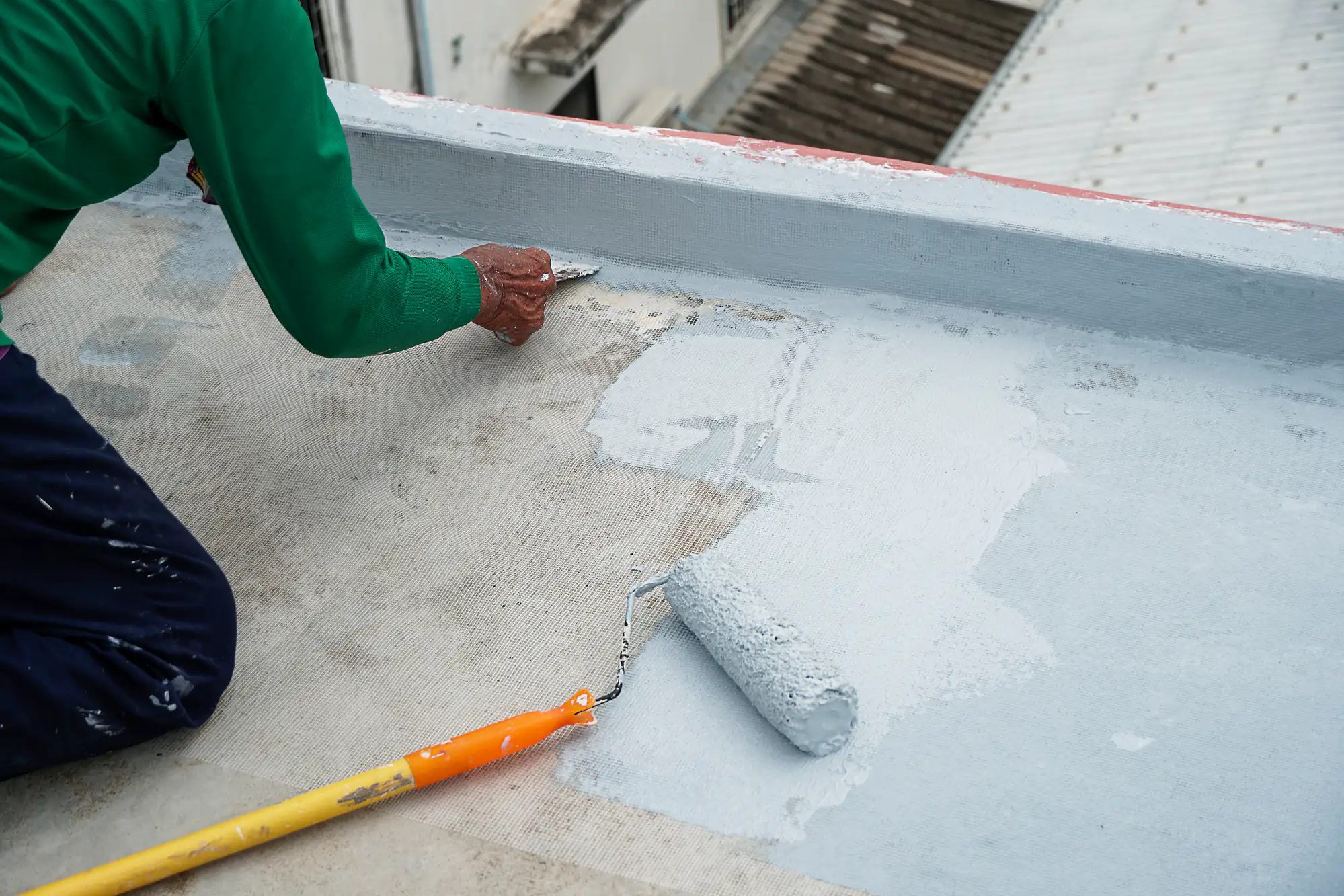
The waterproofing application itself involves surface preparation, crack repair, and the application of a penetrating sealer or elastomeric coating depending on what your exterior requires. Timing matters in Bartow — the best window is typically March through May, before the rainy season begins. If you’re working with the City of Bartow’s building department on a project that involves structural repairs, we can walk you through what requires a permit and what doesn’t, so nothing gets missed.
Ready to get started?
Leak Prevention and Moisture Barrier Bartow
Waterproofing isn’t one thing — it’s a system. For most Bartow homes, that system includes exterior stucco sealing, crack repair and filling, caulking around windows and door frames, moisture barrier assessment behind the stucco layer, and foundation-level sealing where ground moisture is a factor. For properties near the Peace River drainage corridor or in low-lying areas that have seen flooding during storms like Hurricane Milton or Hurricane Debby, foundation sealing isn’t a nice-to-have — it’s the most important part of the job.
Deck coating is also part of what we handle. Covered lanais, screened enclosures, and pool deck surfaces take constant sun and rain exposure without the protection of a roof, and when the coating breaks down, water works its way into the substrate below. Catching that early is significantly cheaper than rebuilding a deck that’s been compromised from underneath.
For homeowners in Bartow’s historic districts, our approach is deliberate. The goal is to waterproof without altering the character of the exterior — which means product selection matters and surface prep is done carefully. Whether your home is a 1920s bungalow near downtown or a newer build in the Clear Springs corridor along SR 60, the scope is built around what that specific property actually needs.
How do I know if my Bartow home actually needs waterproofing right now?
The most common signs are water stains on interior walls near windows, a musty smell after heavy rain, visible cracks in the stucco exterior, or paint that’s bubbling or peeling on the outside. Any one of those is worth getting looked at. The tricky part is that in Bartow’s climate, moisture intrusion can be happening behind the wall for months before it shows up visibly inside — by which point you’re already dealing with potential mold or substrate damage rather than a simple sealing job.
If your home was built in the 1970s, ’80s, or ’90s and has never had a professional waterproofing application, that alone is a reason to schedule an inspection. Most original stucco systems from that era weren’t designed to last indefinitely without recoating, and the combination of Bartow’s annual rainy season and the soil movement common in areas near former phosphate operations means those systems have been under real stress. An inspection costs nothing and gives you a clear picture of where things stand.
What's the difference between waterproofing and just painting the exterior of my home?
Paint covers the surface. Waterproofing seals it at a deeper level and protects the material underneath. A standard exterior paint job can make your home look better, but it doesn’t stop water from working its way in through cracks, gaps around window frames, or areas where the stucco has separated from the substrate. In Florida’s climate — and especially in Bartow, where summer storms can drop several inches of rain in a single afternoon — that distinction matters a lot.
A proper waterproofing application involves surface preparation, crack repair, and the application of a penetrating sealer or elastomeric coating that flexes with the stucco rather than cracking when the material expands and contracts with temperature changes. Some waterproofing products are paintable, meaning you can get both the protective seal and the finished look in the same project. But skipping the waterproofing step and going straight to paint is a short-term fix that tends to need repeating every couple of years, especially on older Bartow homes where the underlying stucco has already taken years of weather exposure.
Does waterproofing help with the flooding risk near the Peace River in Bartow?
It helps, but it’s important to be honest about what waterproofing can and can’t do. Exterior stucco waterproofing and foundation sealing create a barrier that resists ground-level moisture intrusion — the kind that happens when saturated soil pushes water against your foundation walls during and after a heavy rain event. For homes in Bartow’s lower-lying neighborhoods near the Peace River drainage corridor, that foundation-level sealing is genuinely valuable and can prevent moisture from wicking into below-grade spaces and crawl areas.
What waterproofing won’t do is stop active flooding if water overtops a barrier and enters through doors or openings. That’s a different problem requiring different solutions. But for the kind of slow, persistent moisture intrusion that happens when the ground is saturated for days after a major storm — which Bartow has experienced during events like Hurricane Debby and Hurricane Milton — a properly sealed foundation and exterior significantly reduce the risk of water finding its way inside through the stucco and foundation. NOAA maintains an active flood gauge on the Peace River at SR 60, and Bartow residents in flood-adjacent areas should treat exterior sealing as part of their broader storm-readiness plan.
Do I need a permit for waterproofing work in Bartow, FL?
For most standard waterproofing and stucco sealing work — applying a coating, sealing cracks, caulking around windows and doors — a permit is generally not required in Bartow. The work is considered maintenance rather than structural alteration. However, if the project involves replacing sections of the stucco substrate, repairing structural elements behind the stucco, or any work that changes the structural makeup of the wall system, a permit may be required through the City of Bartow Building Department.
Bartow operates its own municipal building department, separate from the Polk County Building Division located at 330 W. Church Street. If you’re unsure whether your project crosses into permit territory, the fastest way to find out is to call the city building department directly before work begins. We’re familiar with Bartow’s permitting requirements and can help you understand what applies to your specific scope. All work is performed by a Florida DBPR-licensed contractor, which you can verify independently at MyFloridaLicense.com before signing anything.
How long does waterproofing last on a stucco home in Bartow's climate?
In Central Florida’s climate, a quality waterproofing application on stucco typically lasts five to seven years before recoating is recommended — though that range can shift depending on the product used, the condition of the stucco at the time of application, and how much direct weather exposure your home gets. South-facing and west-facing walls in Bartow take the most UV and afternoon storm exposure, so they tend to show wear faster than shaded or north-facing surfaces.
Homes in Bartow that are near tree canopy — which is common in the historic districts and older neighborhoods where the city’s oak trees have had decades to grow — may actually see slightly longer coating life on shaded walls, but they also deal with more organic debris accumulation that can trap moisture against the surface. A good rule of thumb is to have your exterior inspected every five years regardless of visible condition. Catching a coating that’s starting to fail before water has actually penetrated saves significantly more money than waiting until there’s a visible problem inside.
Why does my stucco keep cracking even after I've had it repaired before?
Recurring cracks are one of the most common frustrations homeowners bring up, and in Bartow specifically, there’s often a reason beyond just the age of the stucco. Polk County sits in the heart of Bone Valley — the region that produced the largest phosphate deposits in the United States. Decades of mining, excavation, and land reclamation have shaped soil conditions throughout the area, and in neighborhoods built on or near reclaimed land, subtle ground settlement can continue putting stress on foundations and exterior wall systems long after a home is built. When the ground moves — even slightly — stucco cracks. Patching the crack without addressing what’s causing it means the crack comes back.
The other common culprit is thermal cycling. Stucco expands and contracts with temperature changes, and in Florida’s climate, those swings happen daily. If the original stucco mix or the repair material used previously wasn’t flexible enough to handle that movement, it will crack again. A proper repair uses materials matched to the existing stucco system, followed by a waterproofing coating that has enough elasticity to move with the wall rather than against it. That combination — the right repair material plus the right topcoat — is what makes the difference between a fix that lasts and one that fails by the next rainy season.
Other Services we provide in Bartow