Waterproofing in Eustis, FL
Stop Water Before It Costs You Thousands
Hear from Our Customers
Waterproofing Services in Eustis
You’re not paying for a coating. You’re paying to avoid the $5,000+ repair bill that comes when water finds its way into your foundation or walls.
Waterproofing done right means your basement stays dry during storm season. Your foundation doesn’t develop cracks from constant moisture exposure. Mold doesn’t grow behind your walls where you can’t see it until it’s a health problem.
In Eustis, where humidity sits heavy year-round and afternoon storms are a given, moisture doesn’t just damage your home—it accelerates the damage. Every wet-dry cycle weakens concrete. Every bout of standing water invites structural problems.
The outcome you’re after isn’t just “no leaks.” It’s peace of mind knowing your biggest investment is protected from Florida’s toughest opponent: water.
Waterproofing Contractors Near Me
CF Stucco and Painting has spent over 20 years working on homes across Central Florida, including right here in Eustis. We’ve seen what Florida weather does to exterior surfaces, foundations, and stucco when waterproofing isn’t done correctly.
Our owner came up through foundation repair with a national company, working directly with engineers on projects that had to meet strict standards. That background means we approach every waterproofing job with the same level of precision—not as a quick fix, but as a long-term solution.
Eustis homeowners deal with specific challenges: older homes built before modern moisture barriers were standard, soil that shifts with seasonal rain, and proximity to lakes that keeps humidity high. We factor all of that in when we assess your property and recommend a waterproofing approach that actually works for your situation.
How Waterproofing Companies Work
First, we come out to look at your property. Not a sales pitch—an actual assessment. We check where water is getting in, what’s causing it, and what needs to happen to stop it. You get a clear estimate with real numbers and a timeline that makes sense.
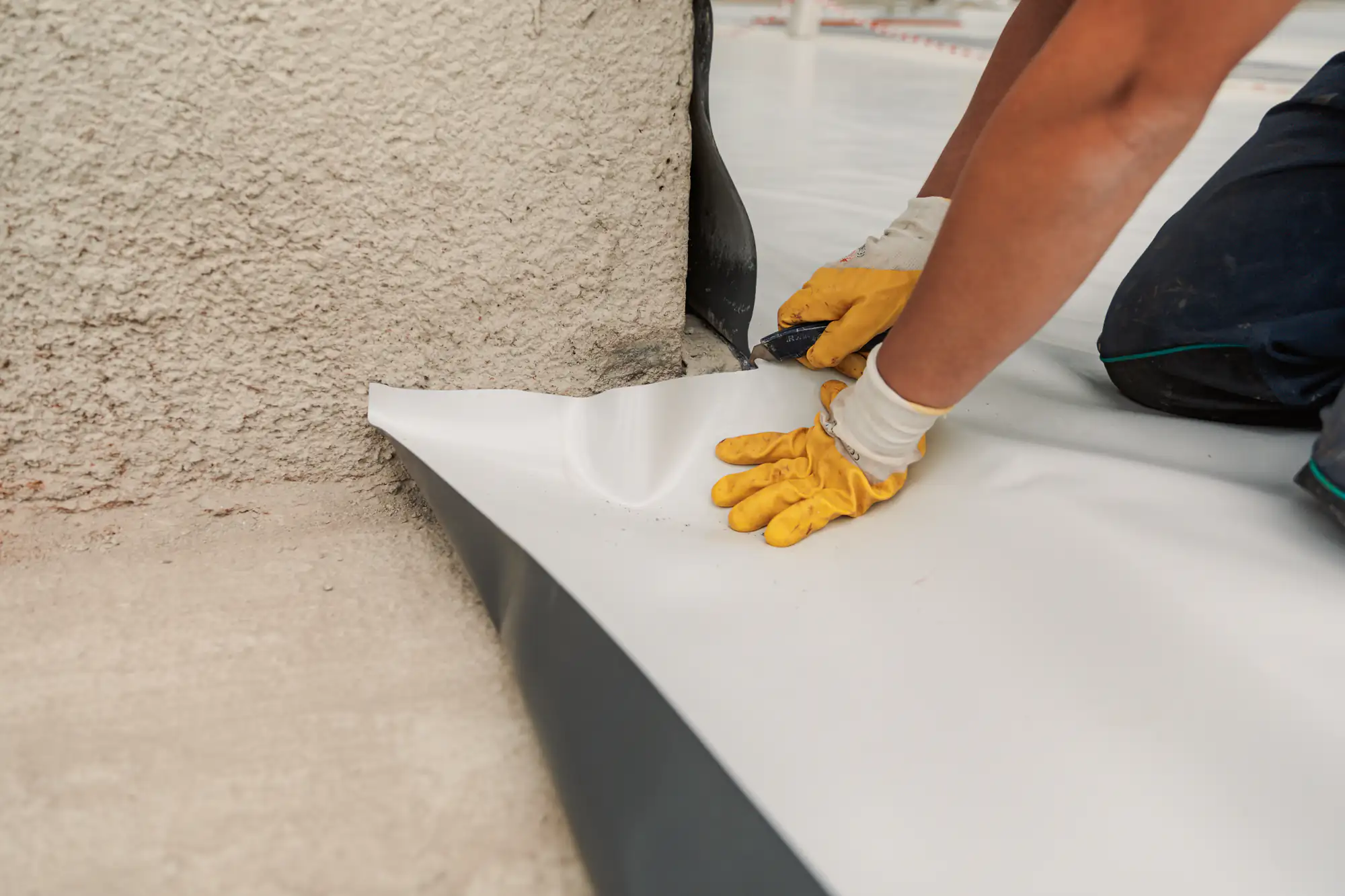
Once you’re ready to move forward, we prep the area. That means cleaning surfaces, repairing any damage that would compromise the waterproofing, and making sure the materials we’re about to apply will actually bond and perform. Preparation is half the job, and it’s where a lot of waterproofing companies cut corners.
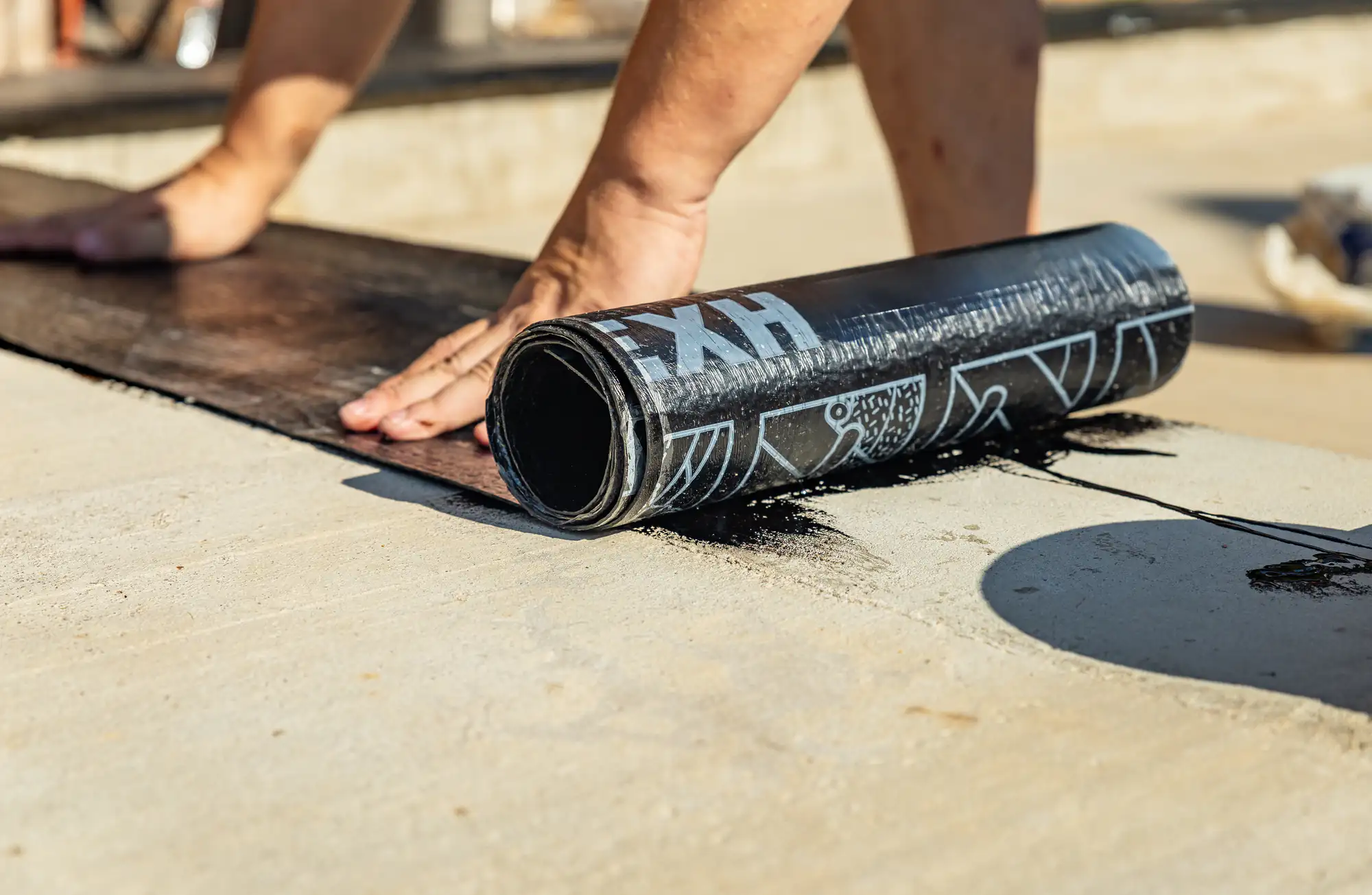
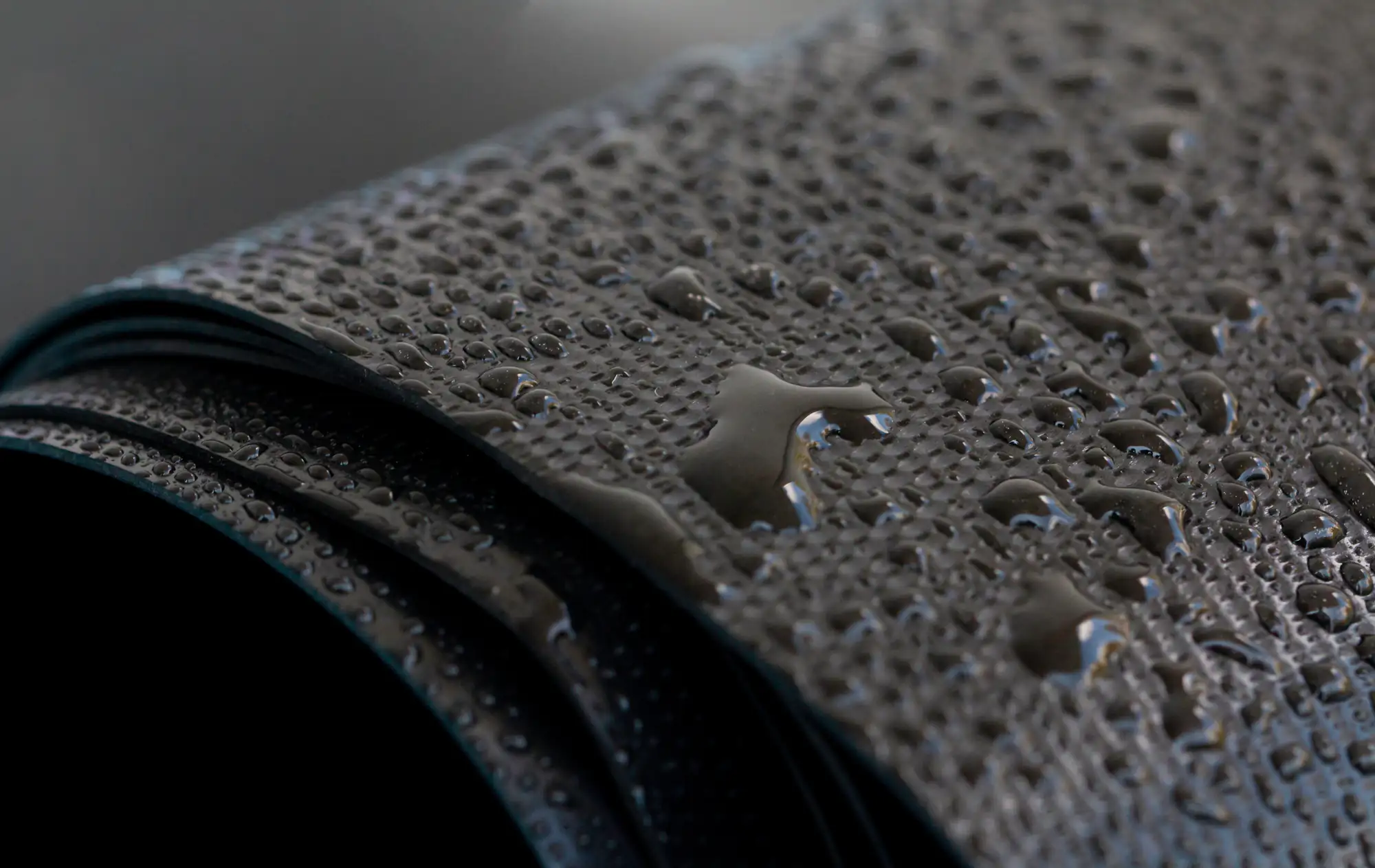
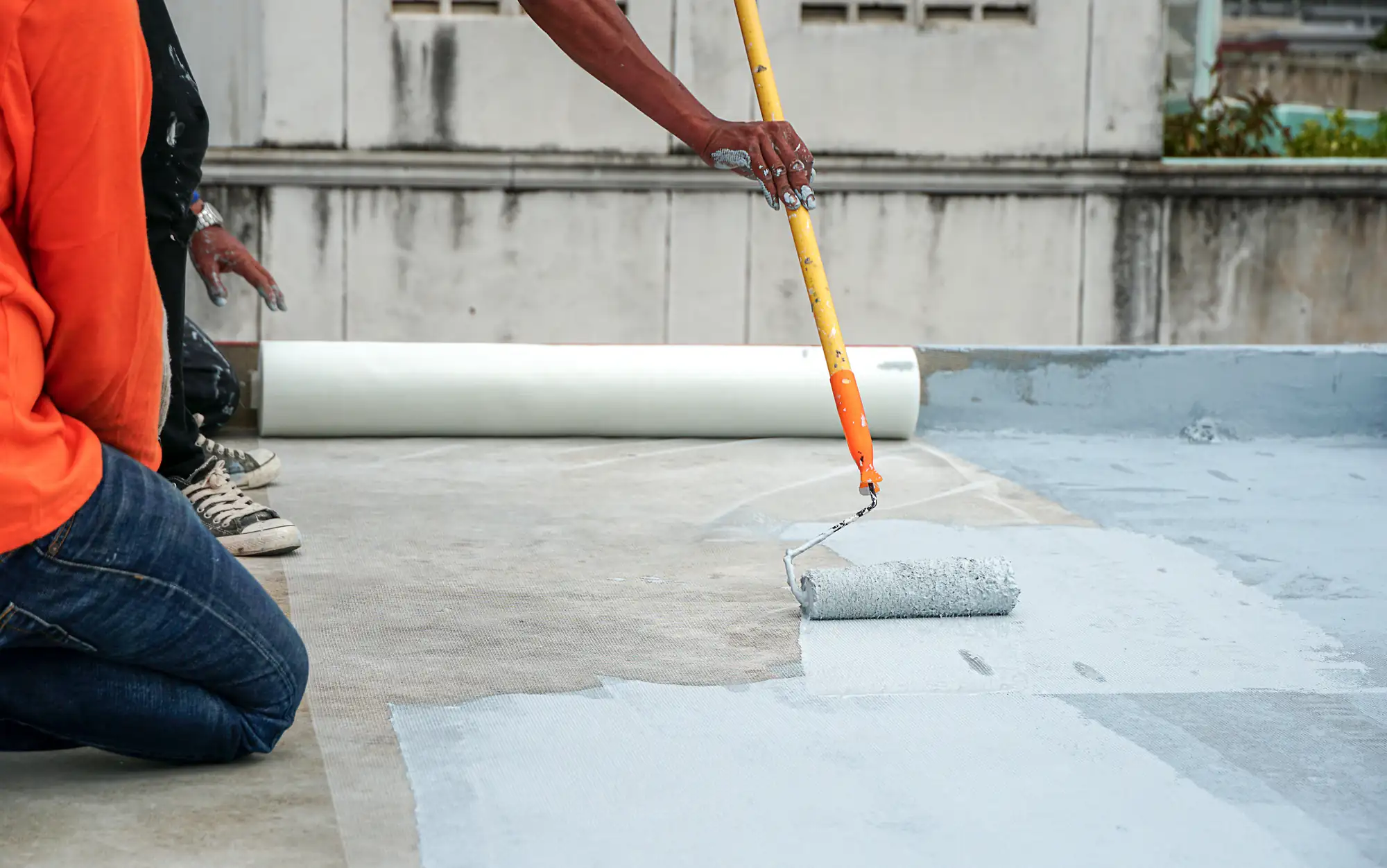
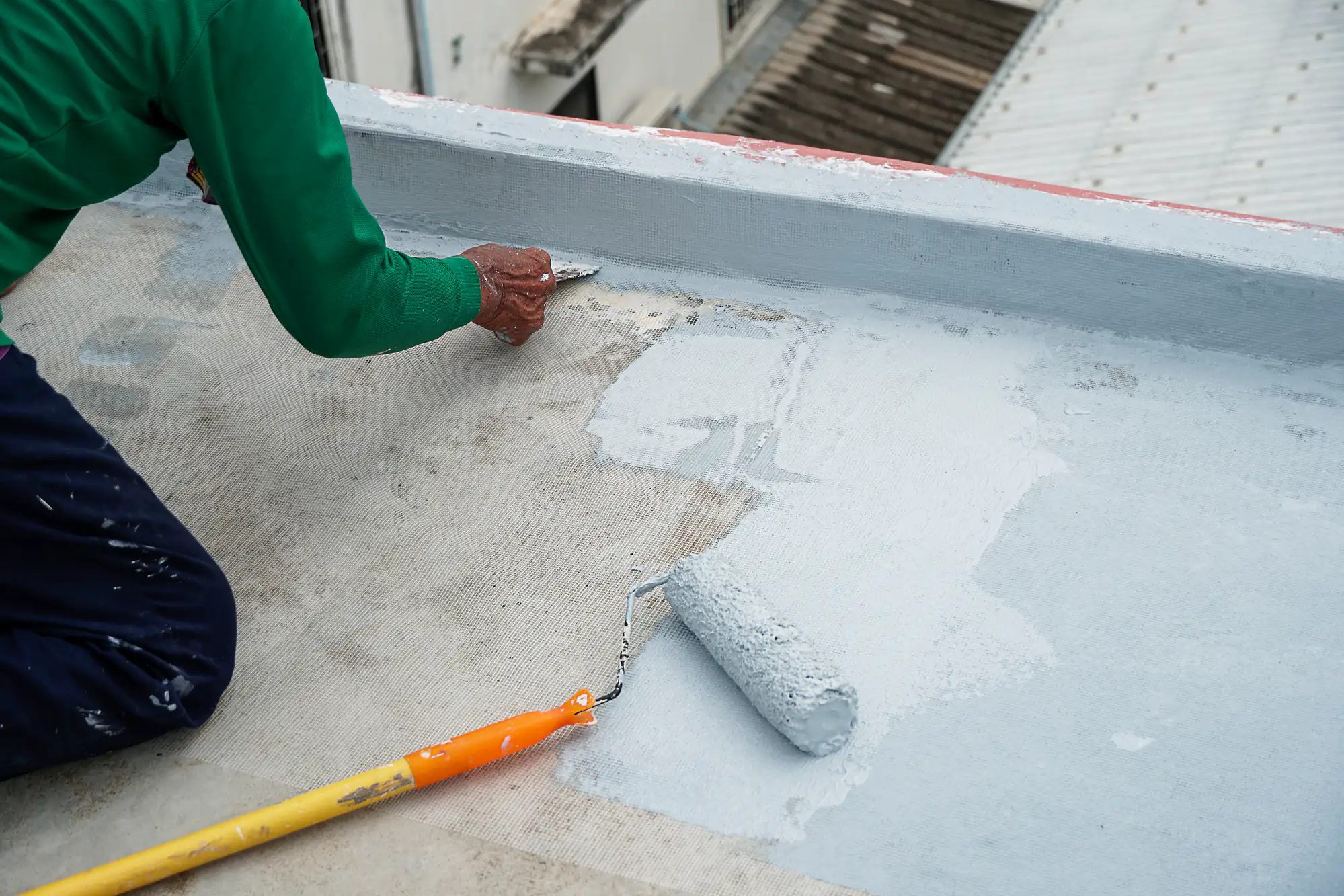
Then we apply the waterproofing system—whether that’s a membrane, sealant, or coating depends on what your home needs. We use materials rated for Florida’s climate, not generic products that fail in humidity. The application process follows manufacturer specs and building codes, because shortcuts here mean callbacks later.
After the work is done, we walk you through what we did and what to expect going forward. You’re not guessing whether it worked. You’ll know.
Ready to get started?
Basement Sealing Cost in Eustis
Waterproofing services in Eustis typically run between $2,000 and $10,000 depending on the size of the area, the severity of existing damage, and the type of system your home needs. Most homeowners land around $4,000 to $6,000 for comprehensive basement sealing or foundation waterproofing.
That cost includes more than just materials. You’re paying for proper surface prep, which ensures the waterproofing actually sticks and performs. You’re paying for products designed to handle Florida building codes and humidity levels that would break down cheaper alternatives. And you’re paying for a crew that knows the difference between slapping on a sealant and installing a system that lasts.
In Eustis specifically, homes near the lakes or built on certain soil types may need additional drainage solutions or exterior waterproofing to address groundwater pressure. That affects cost, but it also affects whether the waterproofing works long-term.
The real question isn’t what waterproofing costs. It’s what it costs not to do it. Foundation repairs start at $5,000 and climb fast. Mold remediation averages $2,000 to $6,000. Structural damage from prolonged water exposure can run into the tens of thousands. Waterproofing is the cheaper option—by a lot.
How much does it cost to waterproof a basement in Florida?
Basement waterproofing cost in Florida typically ranges from $2,000 to $10,000, with most homeowners spending between $4,000 and $6,000. The final price depends on the square footage you’re protecting, the condition of your foundation, and whether you need interior sealing, exterior waterproofing, or both.
Smaller jobs—like sealing basement walls in a 500-square-foot space with no existing damage—can come in on the lower end. Larger homes or properties with active leaks, cracks, or drainage issues will cost more because they require more prep work and materials.
Florida-specific factors also affect cost. Homes in high-water-table areas or near lakes may need exterior drainage systems or sump pumps to manage groundwater pressure. Older homes built before modern moisture barriers became standard often need more extensive work to bring them up to current protection levels. And because Florida building codes require waterproofing systems to withstand hurricane-level rain and humidity, the materials used here are more robust—and more expensive—than what you’d use in drier climates.
The investment makes sense when you compare it to repair costs. Water damage restoration averages $1,300 to $6,000 per incident. Foundation repairs start at $5,000 and can exceed $15,000 for major structural issues. Waterproofing is the preventive measure that keeps those bigger bills from ever showing up.
What type of waterproofing is best for Florida homes?
Florida homes need waterproofing systems designed for high humidity, heavy rainfall, and fluctuating water tables—not just surface-level sealants that work in drier climates. The best approach usually combines exterior and interior protection, depending on your home’s age, foundation type, and exposure to moisture.
Exterior waterproofing is the most effective long-term solution. It involves excavating around the foundation, applying a waterproof membrane or coating to the exterior walls, and installing drainage systems to redirect water away from the structure. This method stops water before it ever reaches your foundation, which is ideal for Florida’s intense storm season and high groundwater levels.
Interior waterproofing is often used in combination with exterior work or as a standalone solution when excavation isn’t feasible. This includes sealing basement walls with waterproof coatings, installing vapor barriers, and adding interior drainage systems or sump pumps to manage any water that does penetrate. It’s a solid option for older homes where exterior access is limited.
The materials matter as much as the method. Florida building codes require waterproofing systems that can handle extreme weather, so you need products rated for high moisture and UV exposure. Cheap sealants break down fast here. Membrane systems, elastomeric coatings, and cementitious waterproofing compounds designed for tropical climates hold up better and last longer.
Every home is different. The best waterproofing approach depends on your specific foundation type, soil conditions, and where water is getting in. A proper assessment tells you what you actually need—not what’s easiest to sell.
How do I know if my home needs waterproofing?
You need waterproofing if you’re seeing water where it shouldn’t be, smelling mold, or noticing cracks in your foundation. But you don’t always have to wait for obvious signs—Florida homes benefit from proactive waterproofing even before problems start.
Visible water is the clearest indicator. Puddles in your basement after rain, damp spots on walls, or water stains on floors and ceilings mean moisture is getting through your foundation or exterior surfaces. Even small amounts of water signal a bigger problem developing, because water always finds more ways in once it’s breached your home’s envelope.
Mold and musty odors are red flags. If your basement or crawl space smells damp, or you’re seeing mold growth on walls and baseboards, you have a moisture problem. Mold doesn’t grow without water, and it spreads fast in Florida’s humidity. By the time you smell it, it’s already established.
Cracks in your foundation, even hairline ones, let water in. As water seeps through, it expands and contracts with temperature changes, widening those cracks over time. What starts as a minor issue becomes a structural problem if left untreated.
Other signs include peeling paint on exterior walls, efflorescence (white chalky residue on concrete), and increased humidity levels inside your home. If your dehumidifier runs constantly or your HVAC struggles to keep up, moisture is getting in somewhere.
In Eustis, homes built before the 1990s often lack modern waterproofing standards. If your home is older and you’ve never had waterproofing done, it’s worth getting an assessment even if you don’t see active leaks. Prevention costs less than repair.
Does homeowners insurance cover waterproofing or water damage?
Homeowners insurance typically does not cover waterproofing or water damage caused by lack of maintenance, groundwater seepage, or flooding. Most policies only cover sudden, accidental water damage—like a burst pipe—not gradual moisture intrusion or damage that results from poor waterproofing.
If water seeps into your basement because your foundation wasn’t properly sealed, that’s considered a maintenance issue, and insurance won’t pay for the damage or the waterproofing needed to fix it. Same goes for cracks in your foundation that let water in over time, or mold growth that develops because of ongoing moisture problems. Insurance companies expect homeowners to maintain their properties and prevent these issues.
Flood damage is also excluded from standard homeowners policies. If your home floods due to heavy rain, storm surge, or rising water tables—common risks in Florida—you need separate flood insurance through the National Flood Insurance Program (NFIP) or a private insurer. Even then, flood insurance covers damage from external flooding, not water that enters through foundation cracks or poor waterproofing.
There are exceptions. If a covered event causes water damage—like a tree falling on your roof during a storm and letting rain in—insurance may cover the damage and repairs. But it won’t cover the cost of waterproofing your foundation or basement as a preventive measure.
The takeaway: don’t count on insurance to cover waterproofing or the damage that happens when you skip it. Waterproofing is an out-of-pocket investment, but it’s one that protects you from much larger out-of-pocket expenses down the road. Spending $4,000 to $6,000 now beats spending $10,000+ on repairs that insurance won’t touch.
How long does waterproofing last on a Florida home?
Quality waterproofing lasts 10 to 15 years in Florida if it’s installed correctly and maintained. Some systems, especially exterior membrane waterproofing, can last 20+ years depending on the materials used and how much exposure your home gets to water and sun.
The lifespan depends heavily on the type of waterproofing and the quality of installation. Exterior waterproofing systems—like rubberized membranes or polymer-modified coatings—tend to last longer because they stop water before it reaches your foundation. Interior sealants and coatings have shorter lifespans, especially in high-moisture environments, because they’re constantly battling water pressure from the outside.
Florida’s climate is tough on waterproofing. High humidity, intense UV exposure, heavy rain, and temperature swings all break down materials faster than they would in milder climates. Cheap sealants or products not rated for tropical conditions can fail in just a few years. That’s why using materials specifically designed for Florida building codes and weather patterns matters.
Maintenance extends the life of your waterproofing. Keeping gutters clean, ensuring downspouts direct water away from your foundation, and addressing cracks or damage as soon as they appear all help your waterproofing system perform longer. Ignoring small issues lets water find new ways in, which accelerates wear on the entire system.
You’ll know it’s time to reapply or upgrade your waterproofing if you start seeing moisture again, notice cracks in sealed areas, or smell mold. Regular inspections—every few years—help catch problems before they turn into expensive repairs. Waterproofing isn’t a one-and-done job, but when it’s done right, it buys you a decade or more of protection.
Can I waterproof my basement myself or should I hire professionals?
You can handle small, surface-level waterproofing tasks yourself—like applying sealant to minor cracks or painting on a waterproof coating in a dry basement. But if you’re dealing with active leaks, foundation issues, or need a system that actually protects your home long-term, hire professionals. The cost of doing it wrong far exceeds the cost of doing it right the first time.
DIY waterproofing products sold at home improvement stores work for minor moisture control, not serious water intrusion. They’re designed for basements that are mostly dry and just need an extra layer of protection. If you’re seeing water after heavy rain, dealing with cracks wider than hairline, or noticing mold growth, those products won’t solve the problem—they’ll just delay it.
We bring expertise that DIY can’t match. We know how to assess where water is coming from, what’s causing it, and what type of system will actually stop it. We understand soil grading, drainage, hydrostatic pressure, and how Florida building codes apply to your specific situation. That knowledge is the difference between a fix that lasts and one that fails in the next storm.
The installation process also requires specialized tools and materials. Exterior waterproofing involves excavation, proper surface prep, and applying membranes or coatings that bond correctly to foundation walls. Interior systems may require installing drainage channels, sump pumps, or vapor barriers—all of which need to be done to code. Mistakes in any of these steps mean the system won’t work, and you’ll pay twice: once for the DIY attempt, and again for the professional fix.
If you’re trying to save money, DIY waterproofing is a gamble. Waterproofing done wrong leads to water damage, mold, and foundation repairs that cost exponentially more than hiring a contractor upfront. If your home and your family’s health are worth protecting, bring in someone who knows what they’re doing.
Other Services we provide in Eustis