Waterproofing in Maitland, FL
Stop Water Before It Stops You
Hear from Our Customers
Waterproofing Services in Maitland
You stop worrying every time the forecast shows rain. No more wondering if that crack in the foundation is getting worse or if mold is growing behind your walls.
Waterproofing services done right mean your basement stays dry during hurricane season. Your foundation doesn’t shift or settle from moisture intrusion. The air inside your home doesn’t smell musty or feel heavy.
Central Florida gets 50+ inches of rain annually. Maitland’s clay-heavy soil holds water against your foundation longer than you’d think. Without proper waterproofing, that moisture finds every weak point in your home’s envelope.
The result? Structural damage that costs thousands to repair. Mold that affects your family’s health. Energy bills that climb because your HVAC is fighting humidity it shouldn’t have to handle.
Professional waterproofing contractors create a barrier that works with Florida building codes and Central Florida’s specific challenges. You get a dry basement, a stable foundation, and one less thing stealing your peace of mind.
Maitland Waterproofing Contractors
We’ve spent over two decades fixing what Florida weather does to homes. We started in stucco because that’s where water damage shows up first in Central Florida construction.
Maitland homeowners deal with specific problems. The soil here doesn’t drain like it does in other parts of Orlando. Homes built in the 90s and early 2000s often used waterproofing methods that weren’t designed for climate change and increased rainfall intensity.
We work with engineers on foundation issues. We’ve seen what happens when waterproofing companies cut corners or use basement sealing methods that don’t account for Florida’s water table. Our 4.6 rating across 145 reviews comes from fixing those problems correctly the first time.
How Waterproofing Works in Maitland
We start with an inspection that identifies where water is getting in and why. Most waterproofing basement walls issues in Maitland come from hydrostatic pressure, poor grading, or failed exterior membranes.
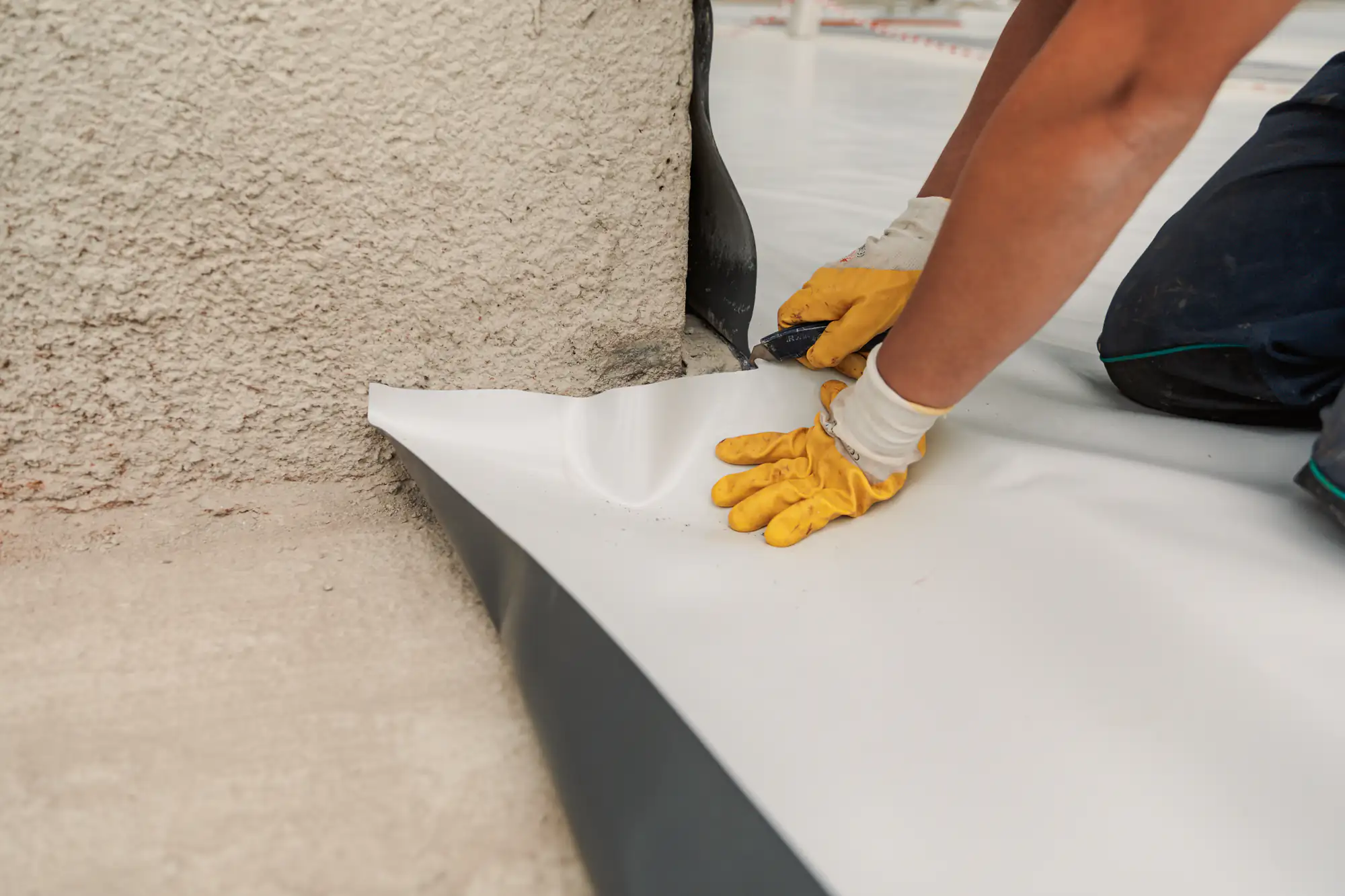
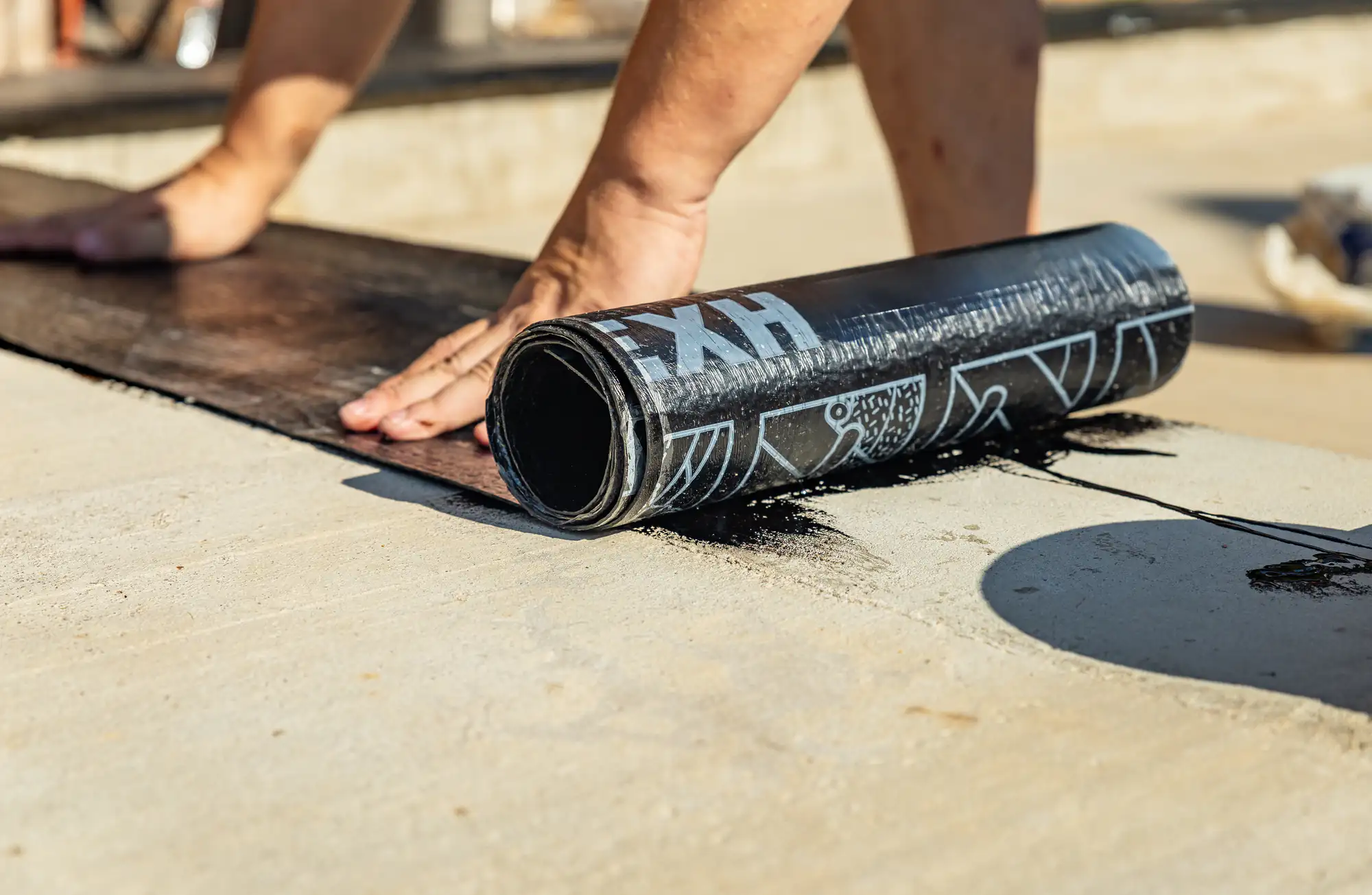
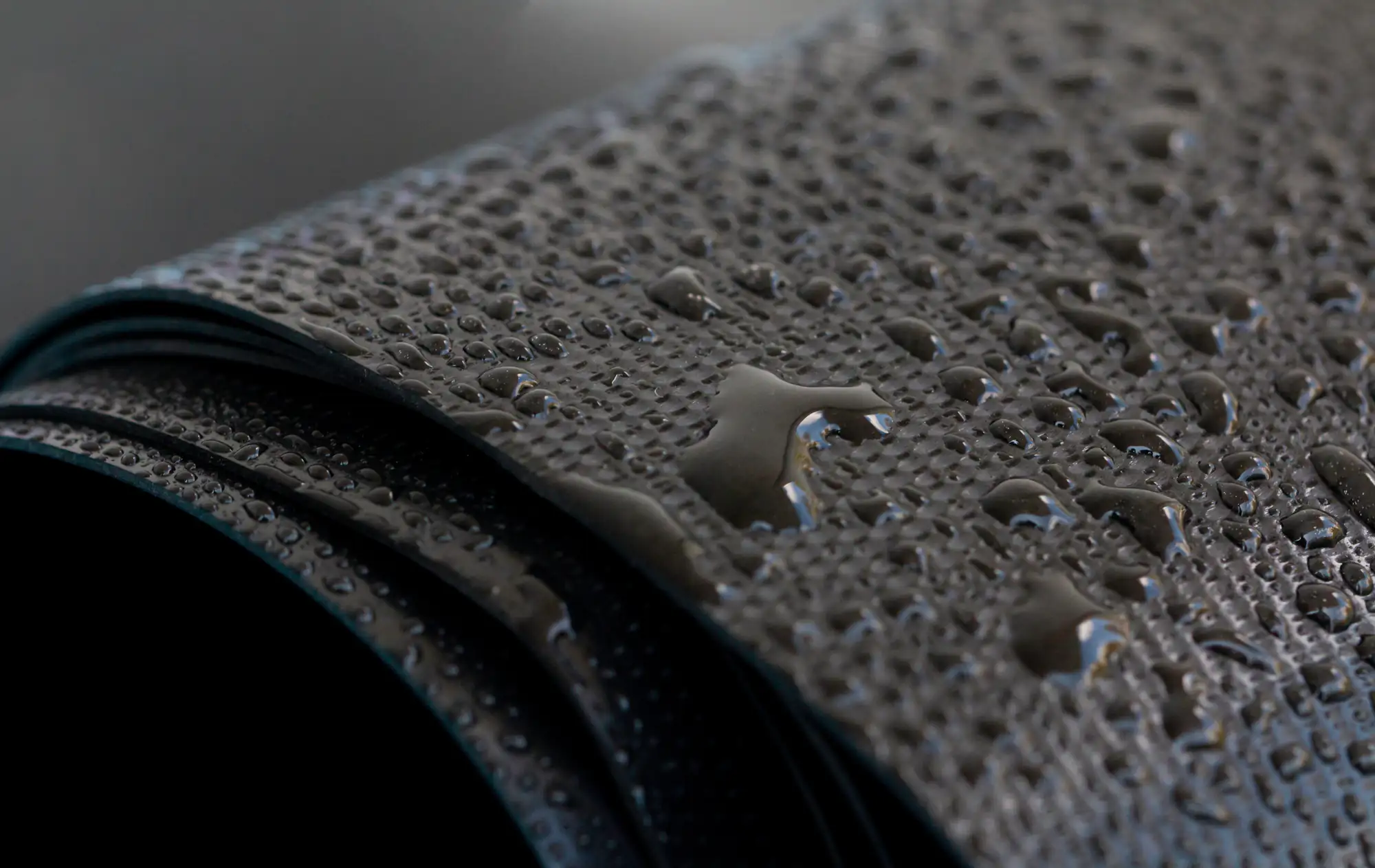
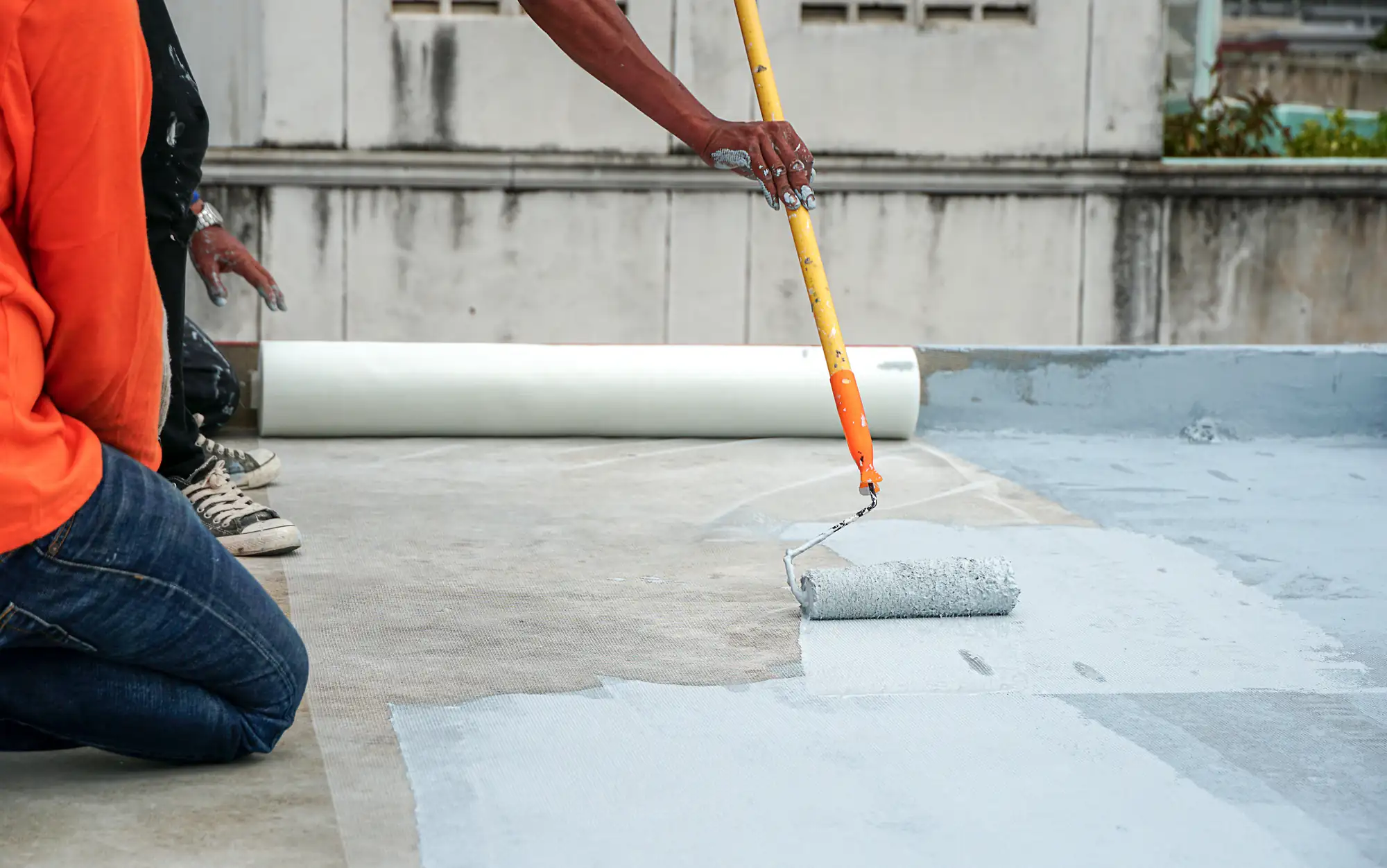
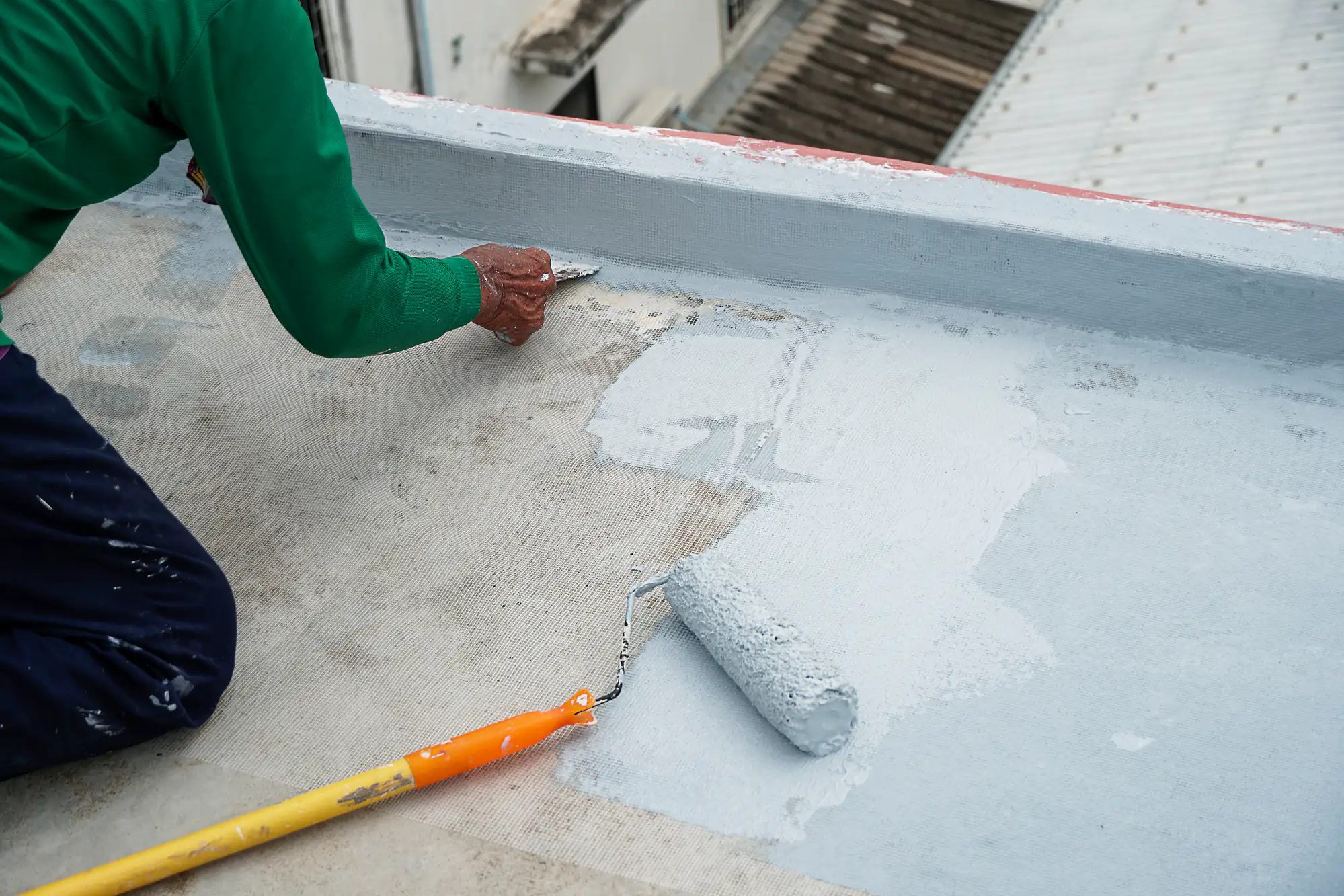
You’ll get a clear assessment of what needs to happen. If it’s exterior waterproofing, we excavate around the foundation, apply a membrane system that meets Florida building codes, and install proper drainage. Interior work involves sealing basement walls, installing vapor barriers, and sometimes adding sump pump systems.
The timeline depends on your home’s specific situation. Exterior waterproofing typically takes 3-5 days for an average foundation. Interior basement sealing runs 1-2 days. We give you realistic schedules upfront, not optimistic guesses.
During the work, we protect your landscaping and keep the job site cleaner than most waterproofing contractors bother with. After completion, we test the system and walk you through maintenance that keeps it working long-term.
The basement sealing cost varies based on your home’s size and the severity of moisture intrusion. Most Maitland homeowners invest between $4,000 and $6,000 for comprehensive waterproofing that actually solves the problem instead of masking it.
Ready to get started?
Waterproofing Solutions for Central Florida
Waterproofing basement cost includes more than just materials and labor. You’re getting a system designed for Central Florida’s unique challenges—high water tables, sandy and clay soil composition, and humidity levels that stay above 70% most of the year.
The work includes foundation inspection and assessment, exterior or interior membrane application, drainage system installation or repair, and grading corrections that direct water away from your home. We use materials rated for Florida’s climate, not generic products that fail in high-moisture environments.
Maitland sits in an area where soil conditions change block by block. Some neighborhoods have excellent drainage. Others hold water like a sponge. We adjust our approach based on what your property actually needs, not what a national chain’s manual says to do.
You also get follow-up after installation. We check back to make sure the system is performing during Florida’s rainy season. If adjustments are needed, we handle them. That’s different from waterproofing companies that disappear after cashing your check.
The investment protects your home’s value and your family’s health. Mold remediation alone costs $2,000-$6,000 if moisture problems go unchecked. Foundation repairs run $10,000+. Waterproofing services now prevent those expenses later.
How much does waterproofing a basement cost in Maitland?
Most homeowners in Maitland invest $4,000 to $6,000 for professional basement waterproofing that addresses both symptoms and root causes. That range covers interior sealing, exterior membrane work, and drainage improvements.
Basement sealing cost depends on your home’s size, the severity of water intrusion, and whether you need interior or exterior solutions. A small interior job with vapor barriers and sealant might run $2,000-$3,000. Full exterior excavation and membrane installation on a larger foundation can reach $8,000-$10,000.
The price also factors in Maitland-specific challenges. If your soil has poor drainage or your lot slopes toward the house, you’ll need grading work and possibly a more robust drainage system. Homes built in the 90s often need more extensive repairs because original waterproofing methods weren’t designed for today’s rainfall patterns.
Get a detailed estimate that breaks down what you’re paying for. Companies that give you one vague number are either hiding something or don’t know what they’re doing yet.
What's the difference between interior and exterior waterproofing?
Exterior waterproofing stops water before it reaches your foundation walls. Interior waterproofing manages water that’s already made it through. Both have their place depending on your situation.
Exterior work involves excavating around your foundation, applying a waterproof membrane to the walls, and installing drainage systems like French drains. It’s more invasive and costs more upfront, but it addresses the problem at the source. This approach works best for homes with significant hydrostatic pressure or foundation cracks that let water through.
Interior waterproofing includes sealing basement walls from the inside, installing vapor barriers, and adding sump pumps or interior drainage channels. It’s less expensive and less disruptive, but it’s managing water intrusion rather than preventing it completely. This makes sense for minor moisture issues or when exterior access is limited.
In Central Florida, many homes need a combination approach. Maitland’s clay soil and high water table mean exterior drainage is critical, but interior vapor barriers help manage humidity that comes through concrete naturally. We assess your specific situation instead of pushing one method for every home.
How do I know if my home needs waterproofing?
Visible water is the obvious sign, but most waterproofing problems start subtly. You might notice a musty smell in your basement or lower level, even without standing water. That’s moisture in the air from water vapor passing through your foundation walls.
Check for efflorescence—white, chalky deposits on concrete or brick. That’s salt left behind when water evaporates after seeping through masonry. Peeling paint or bubbling on basement walls signals moisture trapped behind the surface. Cracks in your foundation, especially horizontal ones or those wider than a quarter-inch, let water in during heavy rain.
Mold growth, particularly in corners or along the floor-wall joint, means you have consistent moisture intrusion. If your basement feels humid even when you run a dehumidifier constantly, water is getting in faster than you can remove it mechanically.
Outside your home, look for poor grading that slopes toward your foundation, clogged or damaged gutters, and standing water near your foundation after rain. These conditions create hydrostatic pressure that forces water through any weakness in your waterproofing system.
Florida building codes require certain waterproofing standards, but many older Maitland homes were built before current requirements. If your home was built before 2000, there’s a good chance your waterproofing isn’t adequate for today’s rainfall intensity.
Will waterproofing stop mold growth in my basement?
Waterproofing eliminates the moisture that mold needs to grow, but it won’t remove mold that’s already there. You need to address both issues separately for a complete solution.
Mold thrives in environments above 60% relative humidity. Central Florida basements without proper waterproofing regularly hit 80-90% humidity. Even if you don’t see standing water, that moisture level supports mold growth on organic materials like drywall, wood framing, and stored belongings.
Professional waterproofing services reduce humidity by stopping water intrusion and controlling vapor transmission through foundation walls. Once moisture levels drop below 60%, mold can’t establish new colonies. But existing mold needs remediation—removal and treatment of affected materials.
The sequence matters. If you remediate mold without fixing the waterproofing problem, it comes back within months. If you waterproof without removing existing mold, you’ve solved future growth but left current contamination in place.
We can coordinate with mold remediation specialists or handle both services. In Maitland’s humid climate, this combined approach is common. The investment protects your family’s respiratory health and prevents the structural damage that long-term mold growth causes.
How long does waterproofing last in Florida's climate?
Quality waterproofing installed correctly lasts 10-15 years in Central Florida before needing significant maintenance. Some systems go longer depending on materials and conditions.
Exterior membrane waterproofing using modern polymer-modified materials holds up well in Florida’s heat and moisture. These systems typically last 15-20 years. Older tar-based products break down faster—often showing failure in 7-10 years.
Interior waterproofing components have different lifespans. Sealants and coatings need reapplication every 5-10 years. Sump pumps last 7-10 years with regular maintenance. Drainage systems can last decades if installed properly and kept clear of debris.
Florida’s climate accelerates wear on waterproofing systems compared to northern states. UV exposure, temperature swings, and constant moisture challenge materials year-round. Maitland’s soil conditions add stress through hydrostatic pressure during rainy season.
Regular inspection extends system life. Check your waterproofing annually before hurricane season. Clear drainage systems, inspect visible membranes for damage, and test sump pumps if you have them. Small repairs caught early prevent system failure that requires complete replacement.
Companies offer warranties ranging from 10 years to lifetime, but read the terms carefully. Many warranties cover materials but not labor, or they require specific maintenance schedules to remain valid.
Can I waterproof my basement myself or should I hire professionals?
You can handle minor interior sealing projects yourself. Anything involving exterior excavation, drainage systems, or structural repairs needs professional waterproofing contractors.
DIY interior waterproofing makes sense for small moisture issues. Applying hydraulic cement to minor cracks, painting on waterproof sealants, and installing a dehumidifier can manage light condensation or seepage. These solutions cost $200-$500 in materials and might solve your problem if it’s truly minor.
But most waterproofing basement walls issues in Maitland require more than surface treatments. If you have active water intrusion, foundation cracks, or mold growth, DIY approaches usually waste money on temporary fixes. You’ll end up hiring professionals anyway after your first attempt fails.
We bring equipment you don’t own—excavators, concrete saws, commercial-grade pumps—and expertise in diagnosing root causes. We know Florida building codes and what actually works in Central Florida soil conditions. We also carry insurance for the inevitable complications that come with foundation work.
The basement sealing cost for professional work might seem high compared to DIY, but failed DIY attempts often make the eventual professional repair more expensive. You’ve already spent money on materials that didn’t work, and sometimes DIY methods create new problems that complicate the real solution.
If you’re unsure whether your situation is DIY-appropriate, get a professional assessment first. We offer free inspections. You’ll know exactly what you’re dealing with before deciding whether to tackle it yourself.
Other Services we provide in Maitland