Waterproofing in Meadow Woods, FL
Stop Water Before It Costs You Thousands
Hear from Our Customers
Waterproofing Services in Meadow Woods
One inch of water causes $25,000 in damage. That’s not a scare tactic—that’s what happens when Florida’s groundwater finds its way through microscopic cracks in your foundation.
Central Florida’s sandy soil stays saturated. That creates hydrostatic pressure pushing against your basement walls and floors constantly. The water doesn’t need a big opening. It finds weak mortar joints, hairline cracks, and any vulnerable spot in your concrete.
Once moisture gets in, you’re dealing with more than puddles. Mold grows fast in humid conditions. Wood beams rot. Concrete weakens over time. Your home’s structure starts breaking down, and your insurance probably won’t cover it—most policies exclude damage from groundwater seepage and drainage issues.
Waterproofing stops that cycle before it starts. You get a dry basement, cleaner air, and a foundation that isn’t slowly deteriorating. Your home value stays protected, and you’re not facing emergency repairs during the next heavy rain.
Waterproofing Contractors Near Me in Meadow Woods
We’ve spent over two decades working with Florida’s specific moisture challenges. That means we know what works in Meadow Woods and what doesn’t.
We handle waterproofing the same way we approach stucco work—with proper prep, clear communication, and attention to the details that matter. We’re not the cheapest option, and that’s intentional. You’re paying for work that meets the 2023 Florida Building Code requirements and actually protects your investment.
Homeowners in Meadow Woods and across Central Florida choose us because we show up when we say we will, explain what needs to happen, and leave job sites clean. Our 4.6 rating across 145 reviews reflects that consistency.
How Waterproofing Works in Meadow Woods
We start with an inspection of your foundation, drainage, and any existing water damage. You need to know where moisture is getting in and why it’s happening before any work begins.
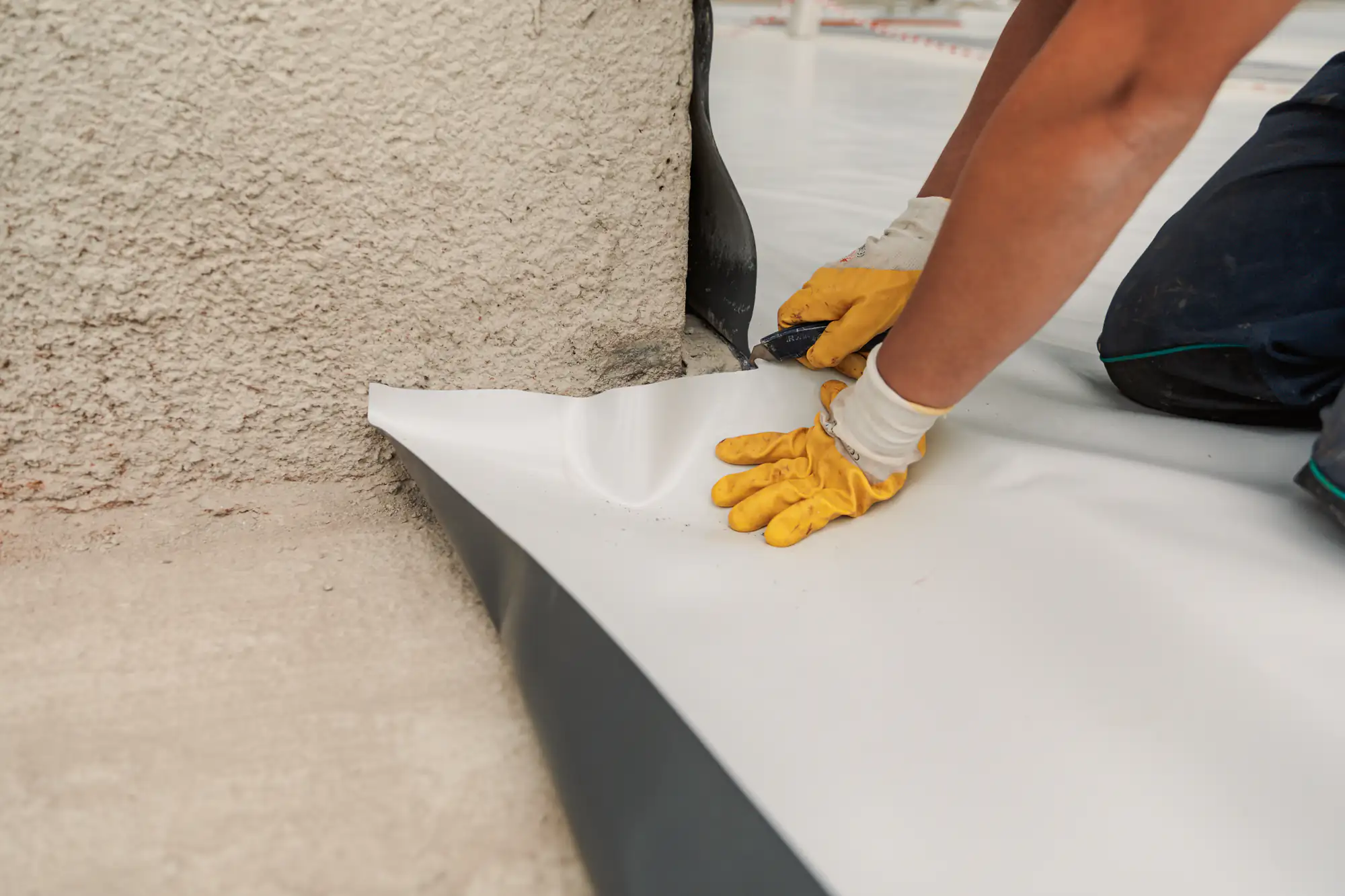
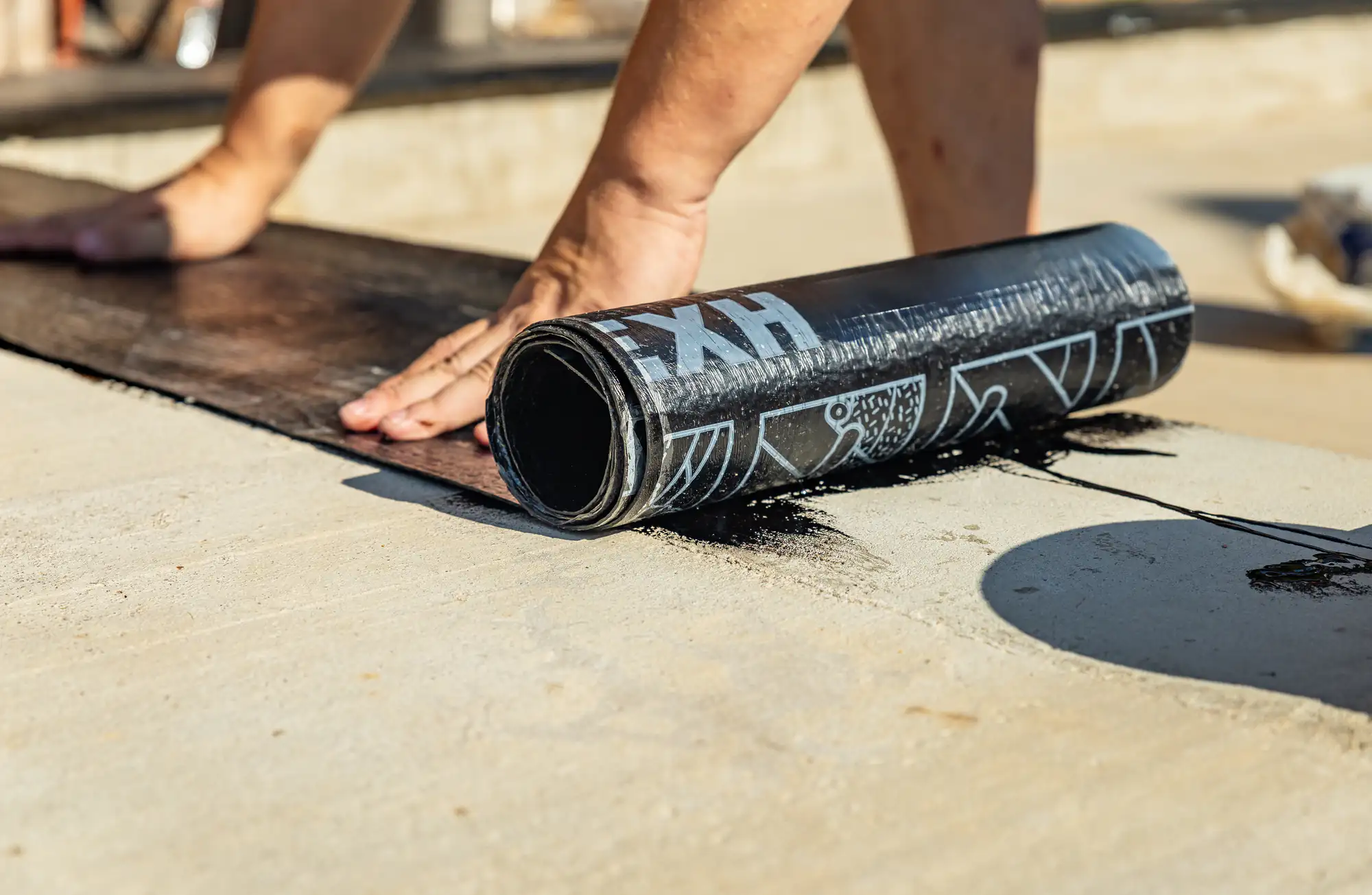
Next, we walk you through what needs to happen. That includes exterior drainage solutions if needed, sealing foundation cracks, applying waterproof barriers to basement walls, and addressing any grading issues pushing water toward your home. You get a clear estimate and a realistic timeline—no surprises halfway through.
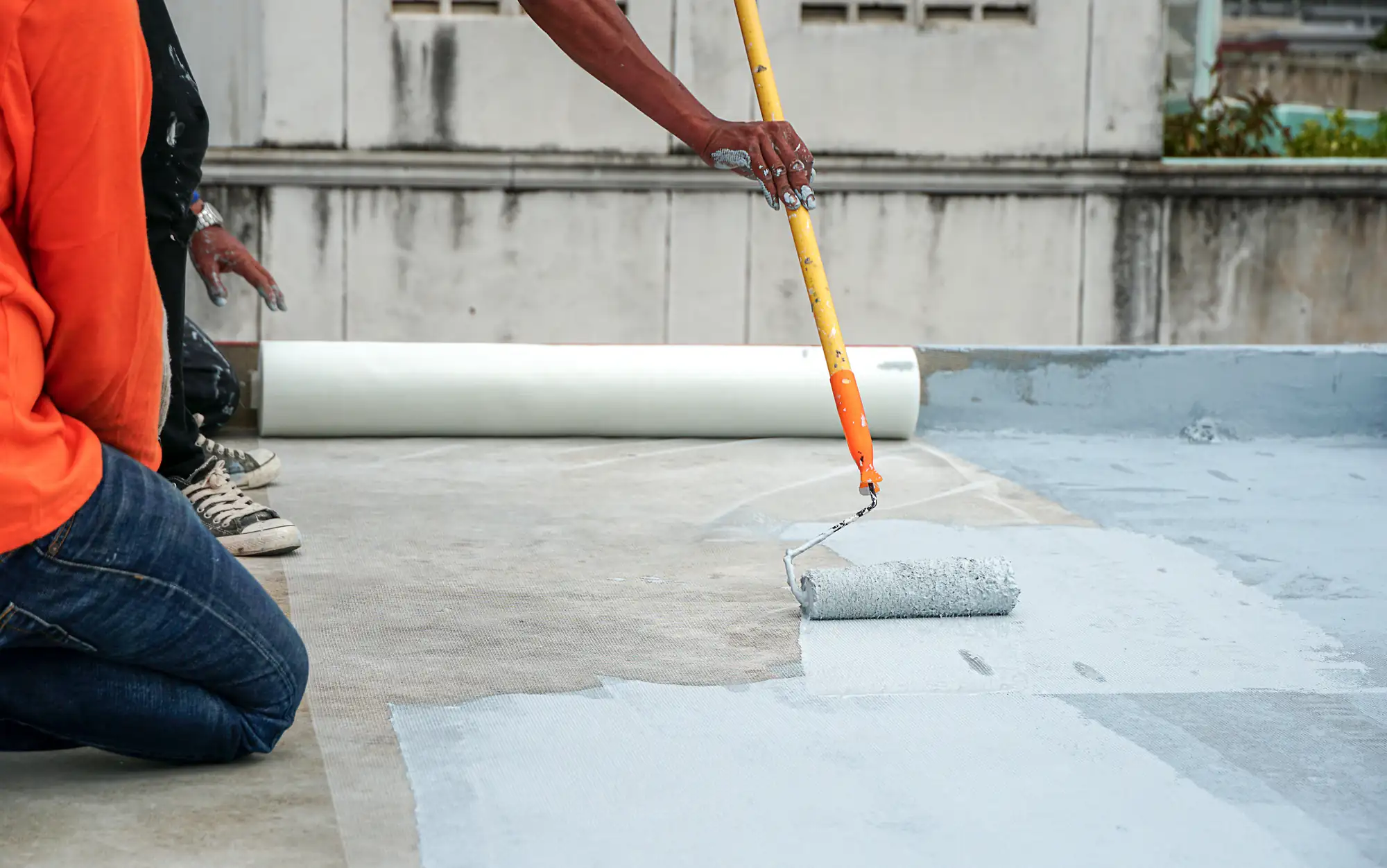
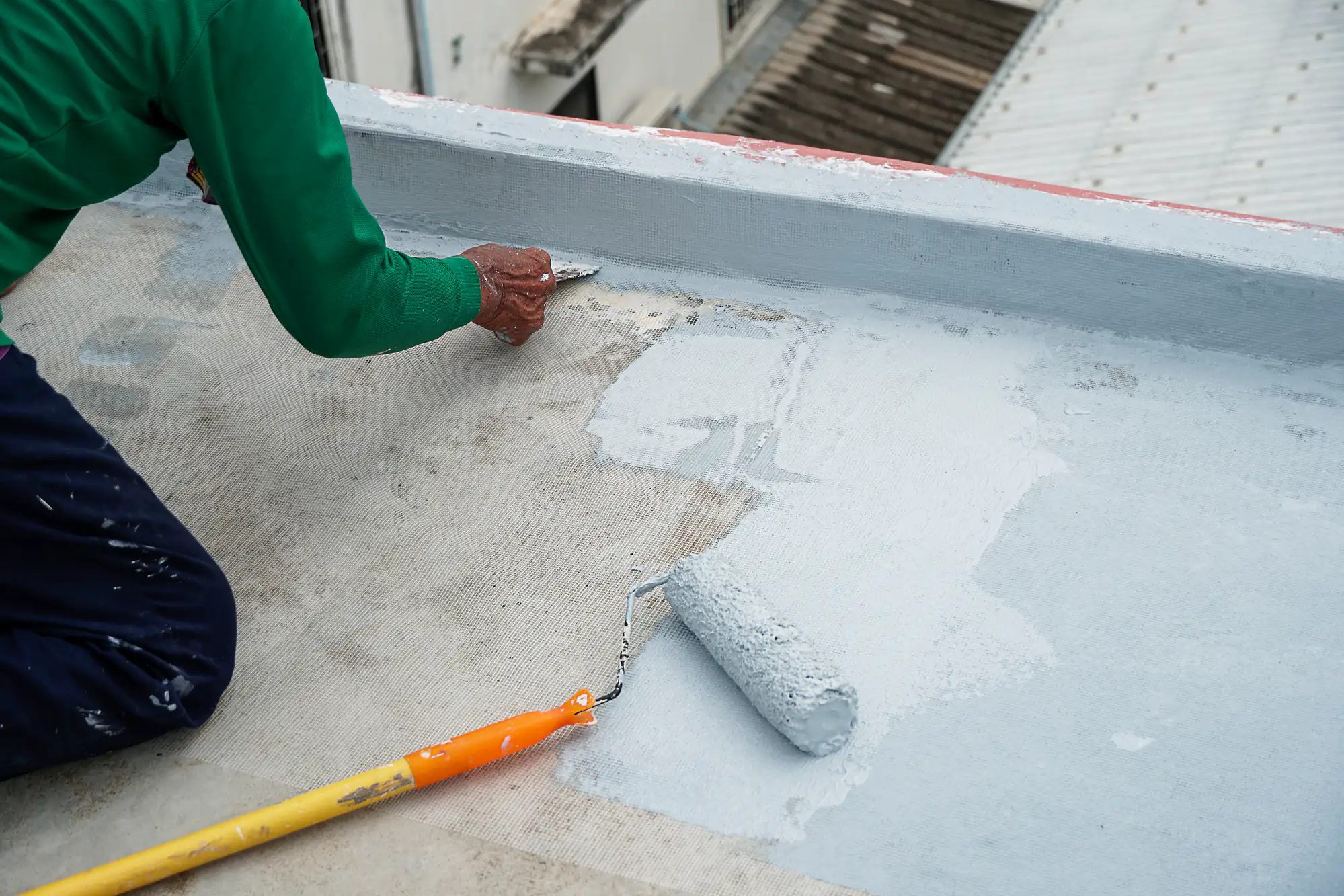
During the work, we prep surfaces properly. Waterproofing products only work when they’re applied to the right thickness on clean, prepared concrete. Shortcuts here mean failure later, so we don’t take them.
After completion, we test the system and clean up the site. You should see the difference immediately—no standing water, no musty smell, no moisture creeping through your walls. We follow up to make sure everything is holding up the way it should.
Ready to get started?
Basement Waterproofing Cost in Meadow Woods
Waterproofing basement walls and floors in Florida isn’t a one-size-fits-all job. Costs typically range from $2,000 to $10,000 depending on your home’s size, the severity of water intrusion, and what solutions your foundation needs.
Exterior drainage is usually the most effective approach. That means managing how water moves around your property before it ever reaches your foundation. In Meadow Woods, where the water table sits high and soil stays saturated, proper grading and drainage systems make the biggest difference.
Interior solutions include sealing basement walls, waterproof coatings applied to the correct thickness, and addressing cracks before they expand. Some homes need both exterior and interior work, especially if you’re dealing with ongoing moisture problems or previous water damage.
Florida Building Code requires exterior wall systems designed to prevent water accumulation. That’s not optional—it’s the standard your home needs to meet. We make sure your waterproofing complies while actually solving the problem you’re facing.
Most homeowners in Central Florida spend between $4,000 and $6,000 for comprehensive basement sealing and waterproofing services. That’s significantly less than repairing structural damage, remediating mold, or replacing rotted framing down the road.
How long does basement waterproofing last in Florida's climate?
Properly installed waterproofing systems last 10 to 15 years in Central Florida, sometimes longer with regular maintenance. The lifespan depends on the quality of materials, correct application, and how well your drainage system manages water around your foundation.
Florida’s humidity and frequent rain put more stress on waterproofing than drier climates. That’s why using products designed for high-moisture environments matters. Cheap sealants break down faster under constant exposure to groundwater and heat.
You’ll extend the life of your waterproofing by keeping gutters clear, maintaining proper grading around your home, and addressing any new cracks quickly. Small maintenance prevents big problems. We recommend annual inspections to catch issues before they turn into water intrusion.
Do waterproofing companies near me need to follow specific Florida codes?
Yes. The 2023 Florida Building Code, 8th Edition, requires exterior walls designed to prevent water from accumulating inside wall assemblies. That means proper water-resistant barriers and drainage systems aren’t optional—they’re code.
Any waterproofing contractor working on your Meadow Woods home should know these requirements and build to them. Non-compliant work can fail inspections, cause insurance issues, and leave you vulnerable to water damage that could have been prevented.
We stay current on Florida Building Code updates because it’s part of doing the job right. Your waterproofing should meet legal standards and actually protect your home. Those two things go together when you’re working with contractors who know what they’re doing.
What causes water to keep coming through my basement walls?
Hydrostatic pressure is usually the culprit. Florida’s high water table and saturated sandy soil create constant pressure against your foundation. Water is always looking for a way in, and it finds weak spots—cracks in concrete, deteriorating mortar joints, or porous areas in your foundation walls.
Poor drainage makes it worse. If water pools near your foundation or your gutters dump rain right next to your house, you’re adding to the pressure. The soil stays soaked, and that moisture has nowhere to go except through your basement walls.
Once water finds a path, it keeps using it. The crack or weak spot gets bigger over time as moisture freezes and thaws (yes, even in Florida during cold snaps) or as minerals in the water break down your concrete. Sealing the entry point and fixing drainage issues stops the cycle.
Will homeowner's insurance cover my basement waterproofing or water damage?
Probably not. Most homeowner policies in Florida exclude coverage for waterproofing, groundwater seepage, drainage problems, and damage from preventable maintenance issues. Insurance typically covers sudden, accidental water damage—like a burst pipe—not ongoing moisture intrusion from your foundation.
That’s why waterproofing is an investment you make to avoid much bigger expenses later. If your basement floods from groundwater and causes $25,000 in damage, you’re likely paying that out of pocket. The insurance company will point to the exclusions in your policy.
Some policies offer separate flood insurance, but that usually covers surface water from storms, not groundwater coming through your foundation. Read your policy carefully and ask your agent specific questions about what’s covered. Then decide if waterproofing now makes more financial sense than risking major repairs later.
How do I know if I need exterior or interior waterproofing?
Exterior waterproofing handles water before it reaches your foundation. Interior waterproofing manages moisture that’s already getting through. Most homes in Meadow Woods benefit from exterior solutions because stopping water at the source is more effective than dealing with it after it’s inside.
If you’re seeing water stains on basement walls, musty odors, or actual puddles after rain, you’ve got active water intrusion. An inspection shows us where it’s coming from. Sometimes it’s a grading issue—your yard slopes toward the house instead of away. Sometimes it’s failed drainage systems or cracks in your foundation walls.
Interior waterproofing makes sense when exterior work isn’t feasible or when you need an added layer of protection. Sealing basement walls from the inside, applying waterproof coatings, and installing drainage systems can all help. But if water is constantly pushing against your foundation from outside, interior solutions alone might not be enough. We’ll tell you what your specific situation requires.
What's the difference between waterproofing and damp-proofing?
Damp-proofing resists moisture. Waterproofing stops water. They’re not the same thing, and the difference matters in Florida’s climate.
Damp-proofing uses coatings that slow down moisture vapor but won’t hold up against actual water pressure. It’s fine for managing humidity in crawl spaces or preventing minor condensation. But when you’re dealing with hydrostatic pressure from saturated soil pushing water against your foundation, damp-proofing fails.
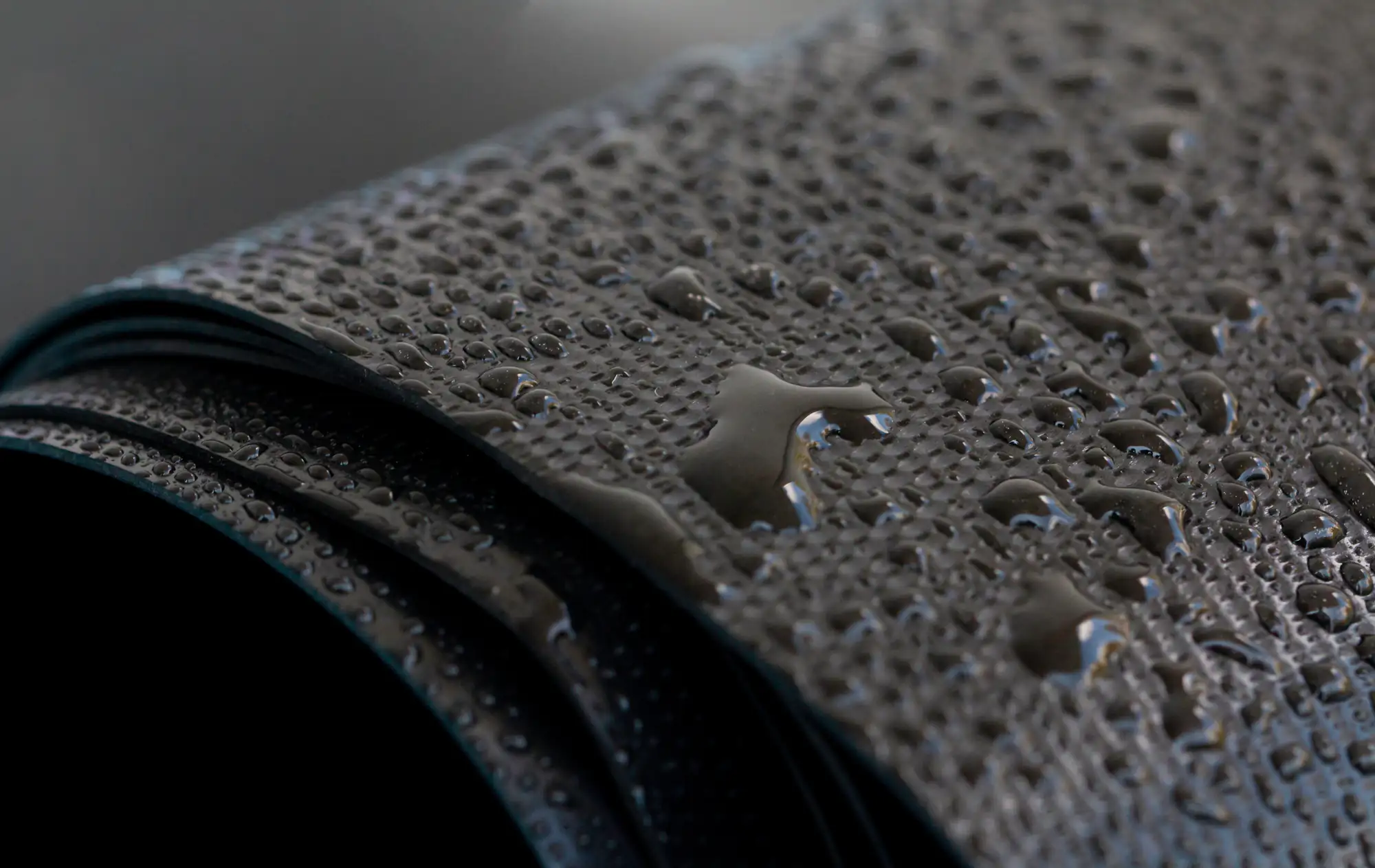
Waterproofing creates a true barrier. It’s designed to handle water under pressure—the kind of conditions you face in Meadow Woods with high water tables and heavy rain. The materials are thicker, more durable, and applied differently. Waterproofing costs more upfront, but it’s what actually protects your basement from flooding and structural damage. Damp-proofing is cheaper and doesn’t solve the problem.
Other Services we provide in Meadow Woods