Waterproofing in Melbourne, FL
Stop Water Before It Stops You
Hear from Our Customers
Waterproofing Services in Melbourne
You stop worrying every time the forecast shows rain. Your foundation stays solid, your walls stay dry, and mold never gets the chance to take hold.
That’s what proper waterproofing does. It creates a barrier between Florida’s relentless moisture and everything you’ve invested in your home. No more checking the ceiling after a storm. No more musty smells creeping through the house.
When waterproofing is done right, you’re not just avoiding problems. You’re protecting your property value, your family’s health, and your peace of mind during hurricane season. The difference shows up in what doesn’t happen—no water stains, no structural damage, no emergency calls to restoration companies.
Melbourne Waterproofing Contractors
We’ve spent over 20 years figuring out how to keep water out of homes across Central Florida. We’ve worked through countless hurricanes, tropical storms, and the kind of sideways rain that finds every weak point in a building.
Melbourne sits right in the path of weather that tests waterproofing systems constantly. High humidity, storm surge risk, and aging homes built before current Florida building codes mean you need someone who understands what actually works here. We serve homeowners from Orlando to Daytona Beach, including Palm Bay, Titusville, and everywhere in between.
Our 4.6 rating across 145 reviews reflects what happens when we show up on time, communicate clearly, and finish the job right. No surprises on price, no shortcuts on prep work.
How Waterproofing Works in Florida
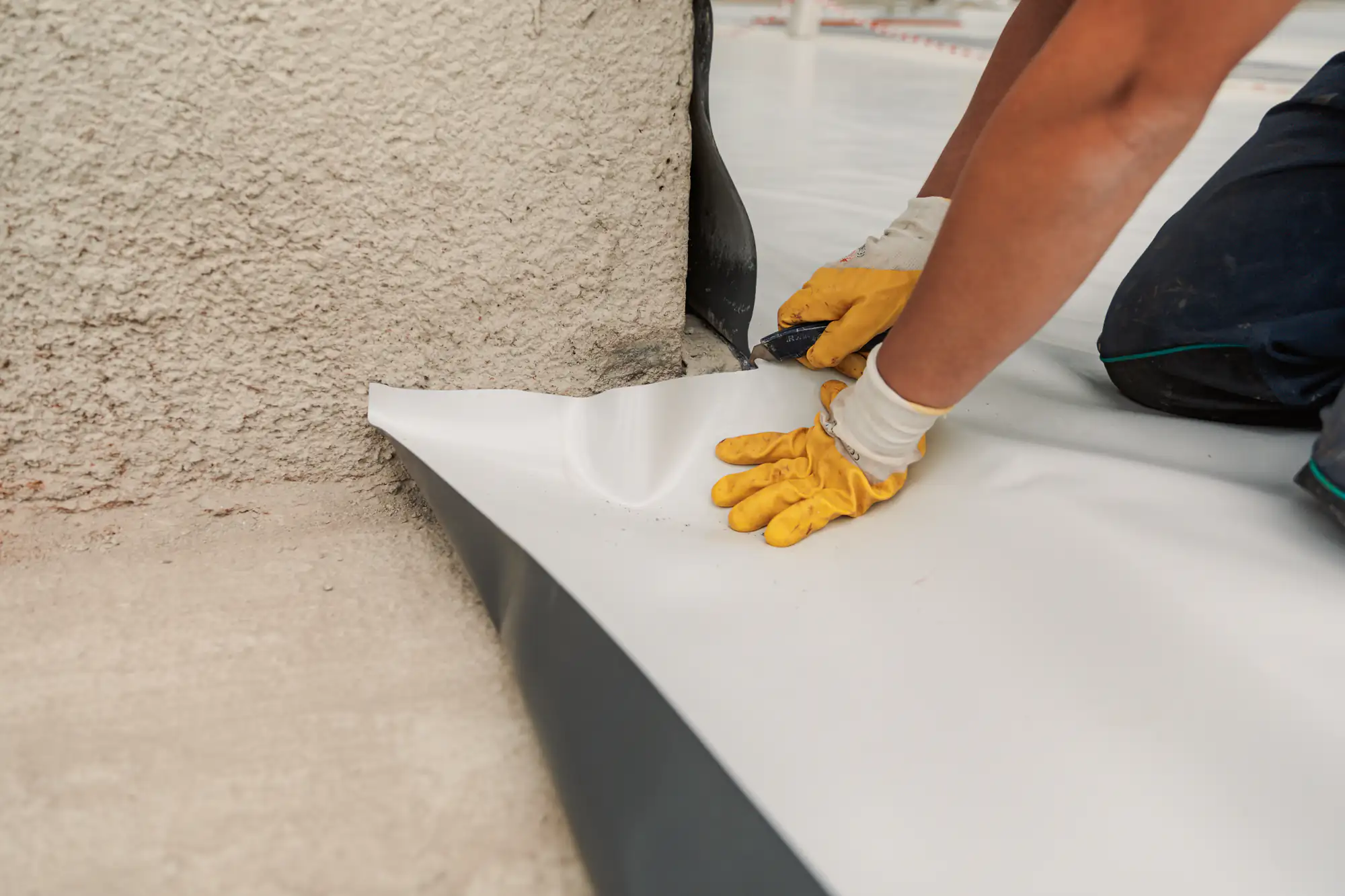
First, we inspect your property to find where water is getting in or could get in. That means checking your foundation, exterior walls, stucco surfaces, and any areas where materials meet. Florida homes have specific vulnerabilities—high water tables, porous concrete block, and exterior finishes that break down under UV and moisture.
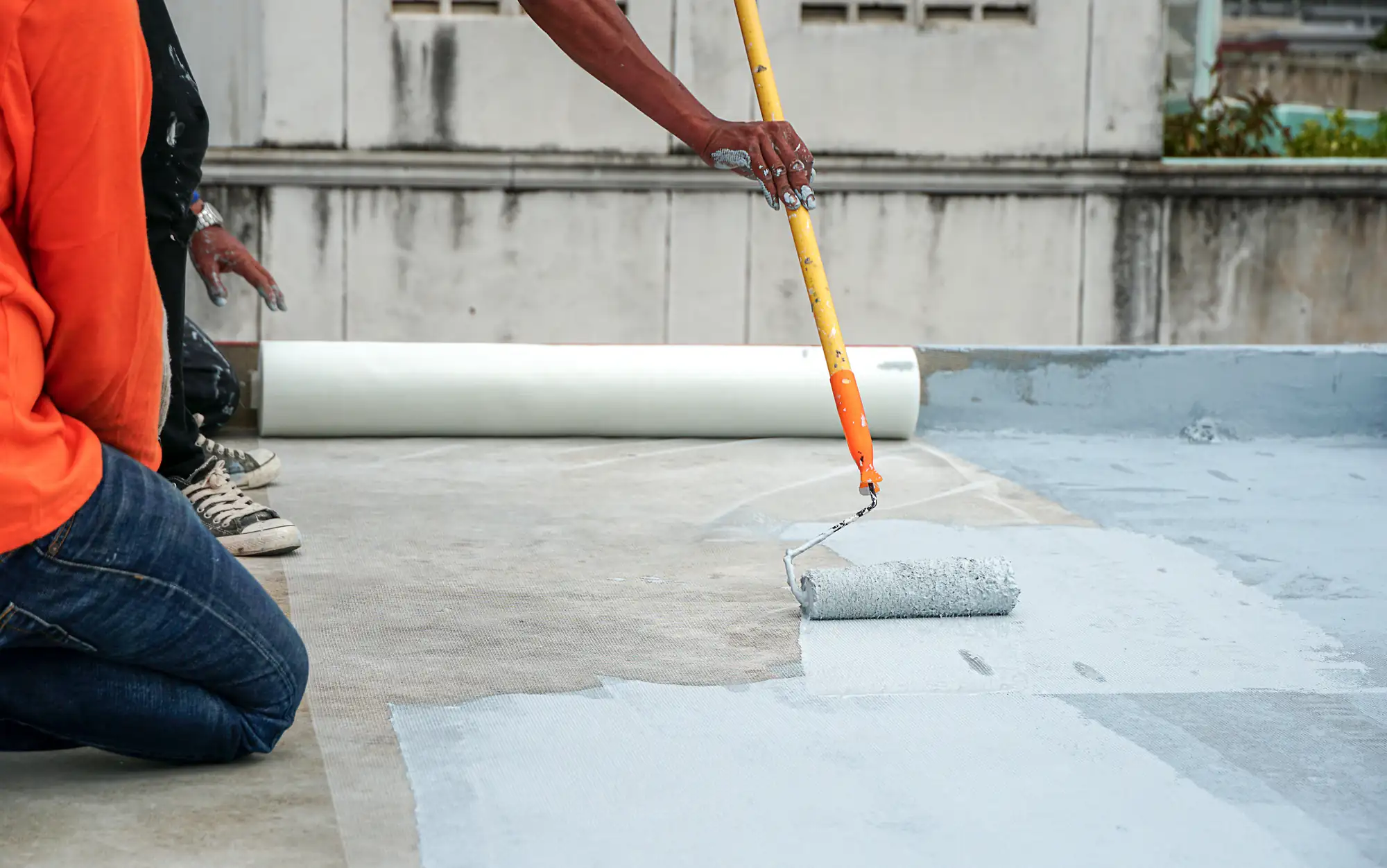
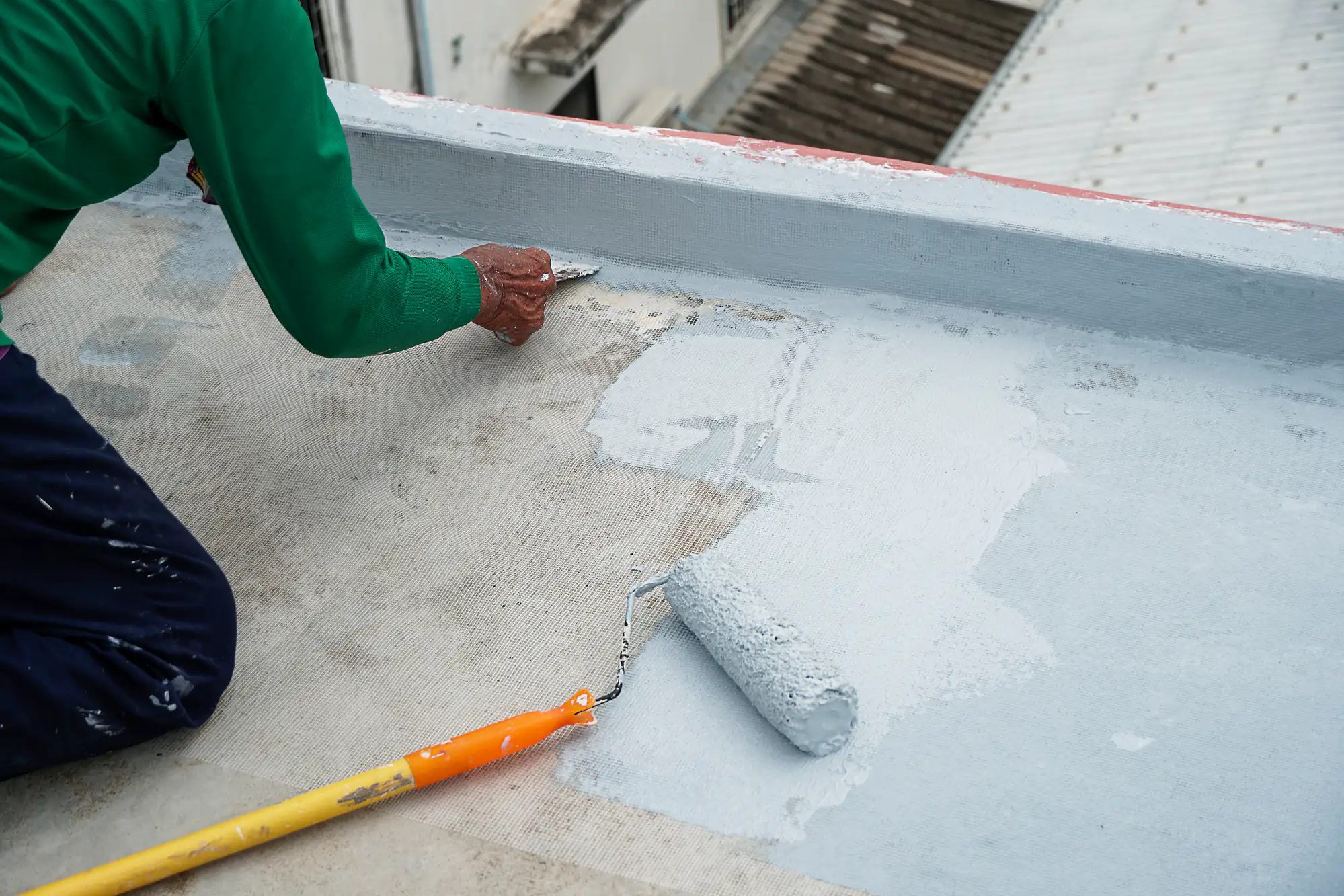
Next comes surface preparation. We clean, repair cracks, and make sure every inch of the surface is ready to bond with waterproofing materials. Skipping this step is why most waterproofing fails within a few years.
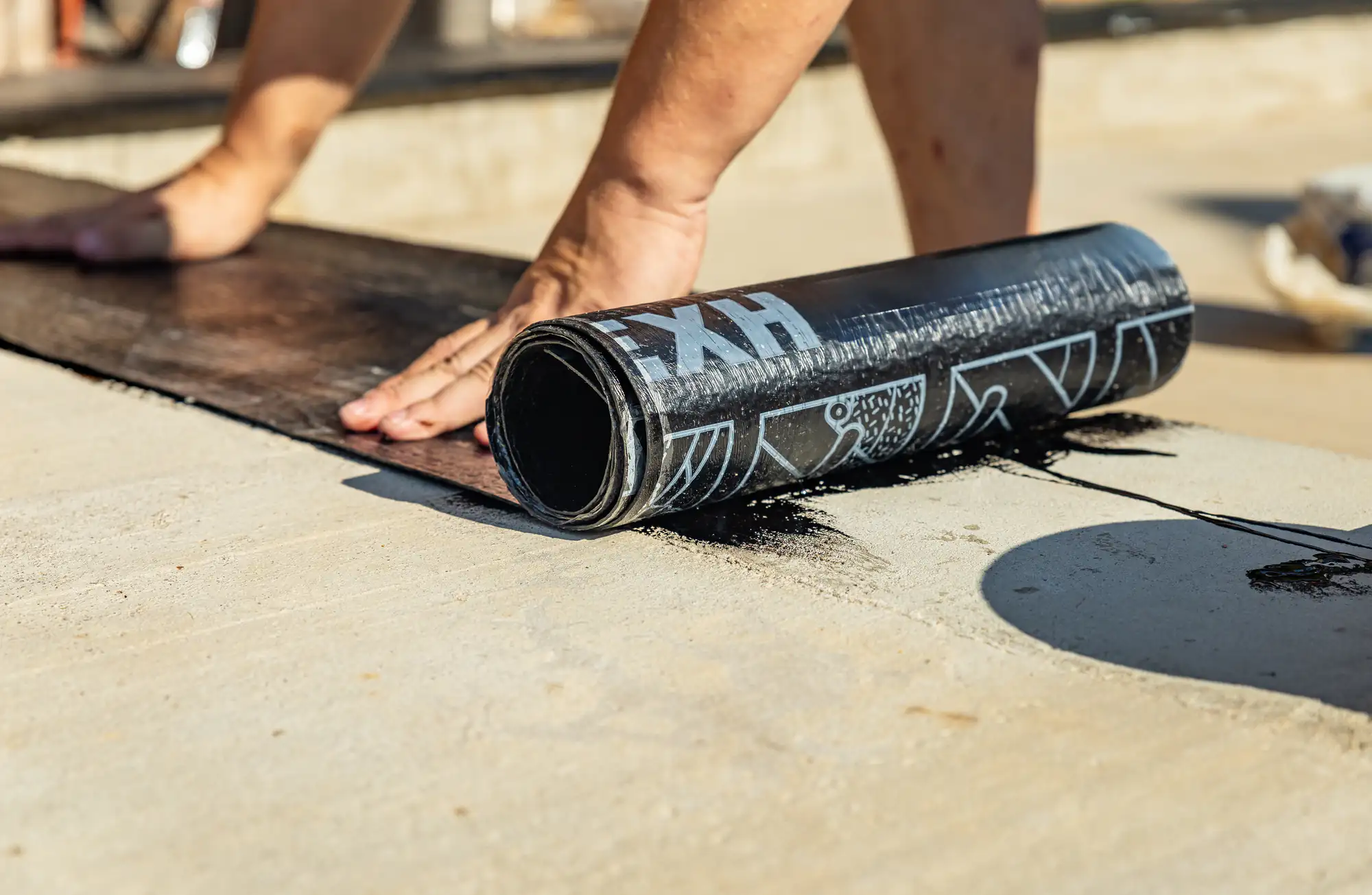
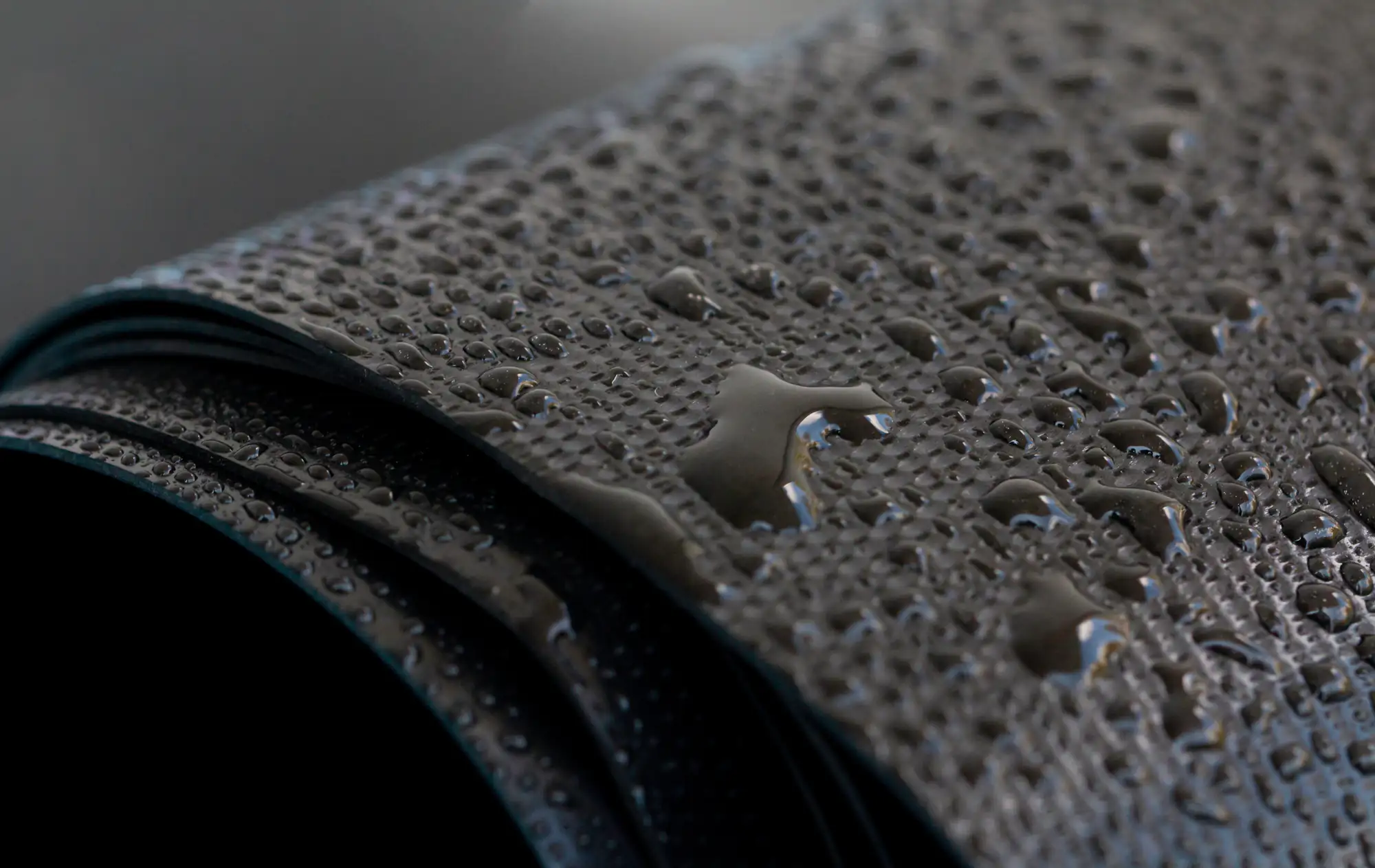
Then we apply commercial-grade waterproofing systems designed for Florida’s climate. These aren’t the products you find at a hardware store. We’re talking about elastomeric coatings, moisture barriers, and sealants that can handle hydrostatic pressure from wind-driven rain moving at 100+ mph during a hurricane.
Finally, we inspect the completed work and walk you through what we did. You’ll know exactly what’s protected and how to maintain it. Most systems we install last 10-15 years when properly maintained.
Ready to get started?
Waterproofing Companies Near Me
You get a moisture barrier that meets Florida building codes and actually holds up to the climate. That includes foundation waterproofing, exterior wall sealing, and stucco waterproofing—all designed to work together as a complete system.
In Melbourne and the surrounding Brevard County area, homes face unique challenges. You’re close enough to the coast for salt air corrosion, but inland enough to deal with afternoon thunderstorms that dump inches of rain in minutes. The water table sits high, and many homes were built in the 90s and early 2000s before waterproofing standards got stricter.
We address all of it. Foundation work that prevents moisture from wicking up through concrete. Exterior coatings that shed water instead of absorbing it. Proper flashing and sealing around windows, doors, and roof lines where most leaks start.
The cost for basement waterproofing typically runs $2,000 to $10,000 in Florida, with most homeowners spending around $4,000 to $6,000 for a 500-square-foot space. Exterior waterproofing costs less per square foot but covers more area. Either way, you’re looking at an investment that prevents tens of thousands in water damage, mold remediation, and foundation repair down the road.
How much does waterproofing basement walls cost in Melbourne, FL?
Basement waterproofing in Florida typically costs between $3 and $10 per square foot, depending on the method and materials used. For a standard 500-square-foot basement, you’re looking at $4,000 to $6,000 on average.
That price includes surface preparation, crack repair, application of waterproofing membrane or coating, and cleanup. If your foundation has significant damage or requires drainage system installation, costs go up. Most Melbourne homes don’t have basements because of the high water table, but for those that do, waterproofing isn’t optional—it’s essential.
The investment pays for itself by preventing water damage that can easily cost $15,000 to $30,000 to repair. Insurance companies know this, which is why some offer discounts for homes with professional waterproofing systems in place.
What's the difference between waterproofing and water-resistant coatings?
Waterproofing creates a complete barrier that stops water penetration under pressure. Water-resistant coatings slow water down but eventually let moisture through, especially under the kind of pressure Florida storms create.
Think of it this way: water-resistant is what you get with exterior paint. It helps, but it’s not designed to handle standing water or wind-driven rain. Waterproofing uses elastomeric membranes, sealants, and barrier systems that remain flexible, seal cracks, and hold up against hydrostatic pressure.
In Central Florida, you need actual waterproofing on foundations, below-grade walls, and any surface that faces direct weather exposure. Water-resistant products work fine for secondary protection, but they won’t keep your home dry during a tropical storm. The Florida building codes recognize this difference and require true waterproofing in areas with severe soil-water conditions or high water tables.
When is the best time to waterproof my home in Melbourne?
February and March are ideal for waterproofing in Central Florida. The weather is dry, temperatures are moderate, and you’re getting ahead of hurricane season, which officially starts June 1st.
Waterproofing materials need time to cure properly, and that happens best in low-humidity conditions. Spring gives you that window before summer storms roll in. You also avoid the seasonal rush that happens in late spring when everyone suddenly remembers they need hurricane prep done.
That said, waterproofing can be done year-round if conditions are right. We just need a few consecutive dry days for proper application and curing. The worst time is waiting until you already have a leak. By then, you’re dealing with damage control and emergency pricing instead of planned prevention.
Does waterproofing help with mold prevention in Florida homes?
Yes, and it’s one of the most important reasons to waterproof in Florida’s climate. Mold needs moisture to grow, and waterproofing cuts off the source.
Florida’s humidity already puts homes at risk, but when you add water intrusion through foundations, walls, or around windows, you create the perfect environment for mold. Once it starts, mold spreads through drywall, insulation, and wood framing. You’re looking at health issues, musty odors, and remediation costs that often exceed the cost of waterproofing in the first place.
Professional waterproofing stops moisture before it enters your home’s envelope. That means your indoor humidity stays manageable, your HVAC system doesn’t have to work as hard, and mold never gets the conditions it needs. For homes in Melbourne, Palm Bay, and the rest of Brevard County where humidity runs high year-round, this protection is critical.
Will waterproofing help my home meet Florida building codes?
If done correctly, yes. The Florida Building Code requires waterproofing in specific situations—particularly where high water tables exist, where severe soil-water conditions are present, or where the structure is below grade.
Many older homes in Melbourne and Central Florida were built before these requirements were as strict as they are now. That doesn’t mean you’re grandfathered in if you’re doing renovations or additions. Updated code compliance often becomes necessary during remodeling, and waterproofing is one of the first things inspectors look for.
Even if you’re not required to upgrade, meeting current waterproofing standards protects your investment and can affect your home’s resale value. Buyers are getting smarter about Florida’s climate risks, and a home with professional waterproofing documented and up to code sells faster and for more money than one without it.
How long does professional waterproofing last in Central Florida?
Quality waterproofing systems typically last 10 to 15 years in Florida’s climate when properly maintained. Some premium systems can go longer, especially if they’re inspected and resealed as needed.
The lifespan depends on the materials used, the quality of installation, and how much weather exposure the surface gets. Foundation waterproofing tends to last longer because it’s protected from UV damage. Exterior wall waterproofing faces more stress from sun, wind, and rain, so it may need touch-ups sooner.
Regular inspections help catch small issues before they become big problems. We recommend checking your waterproofing after major storms and every few years otherwise. Small cracks or areas where the seal has degraded can be repaired for a fraction of what full replacement costs. The key is not waiting until you see water damage inside your home.
Other Services we provide in Melbourne