That crack running down your stucco wall probably wasn’t there last month. Now you’re wondering if it’s a quick fix or the start of something expensive. Here’s the reality: stucco repair costs in Orange County, FL range anywhere from $250 for a simple patch to over $10,000 if moisture has been working behind your walls for months. The difference comes down to what’s actually broken, how long it’s been ignored, and whether Florida’s humidity has already done damage you can’t see yet. This guide gives you the numbers contractors are quoting in 2026, shows you how to read the cracks on your walls, and explains what you’re actually paying for when the estimate arrives.
Stucco Repair Cost Guide: Complete Pricing Breakdown
Most homeowners in Central Florida pay between $1,000 and $2,500 for standard stucco repairs. That’s the middle ground where you’re fixing a few cracks, patching some damaged sections, and making sure water can’t sneak in behind the finish coat.
Small repairs run cheaper. Hairline cracks and minor surface damage typically cost $250 to $800. These are the jobs where we can patch, blend, and finish in a day or two without tearing into your wall structure.
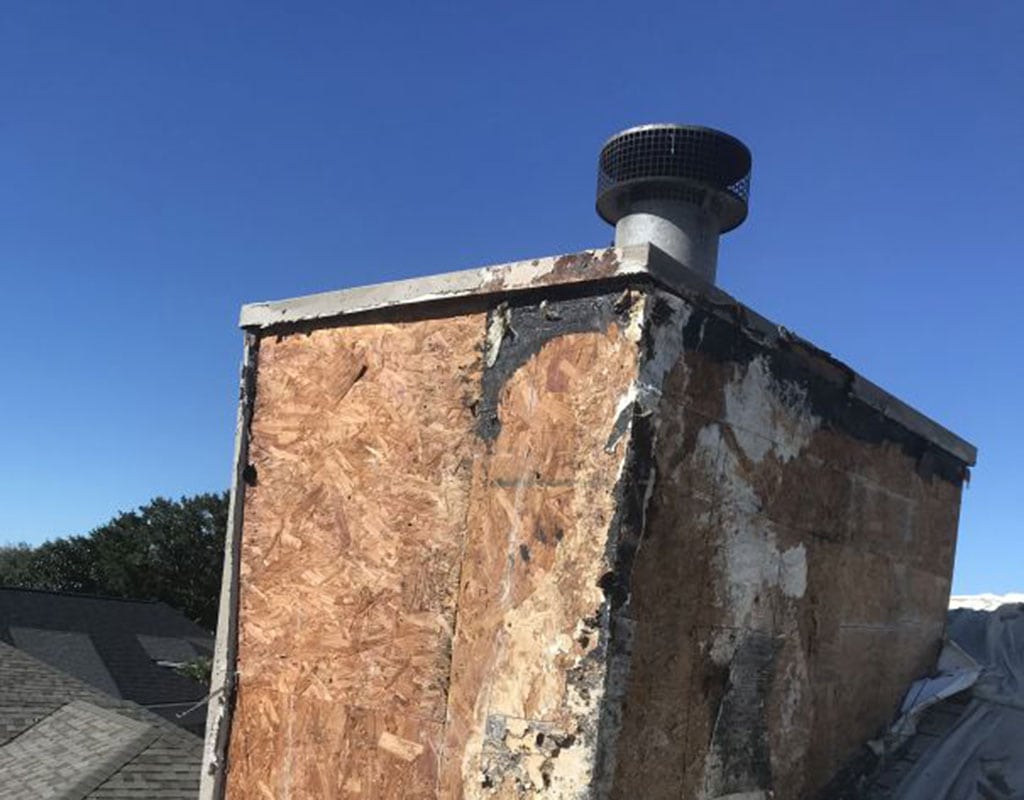
The price jumps when moisture is involved. If water has been getting behind your stucco, you’re looking at $4,000 to $10,000 or more. At that point, we aren’t just fixing stucco—we’re replacing rotted wood, treating mold, and rebuilding the moisture barrier that should have kept water out in the first place.
What Actually Goes Into Stucco Repair Costs
Labor makes up the biggest chunk of your bill. Contractors in Florida charge $40 to $60 per hour, though most price by the square foot instead. That comes out to $8 to $50 per square foot depending on how complicated the repair gets.
Materials add another layer. You’re paying for the stucco mix itself, which needs to match your existing texture and color. That’s not as simple as grabbing a bag off the shelf. The mix has to cure at the right rate, use the correct sand grain size, and blend with stucco that’s been fading under Florida sun for years.
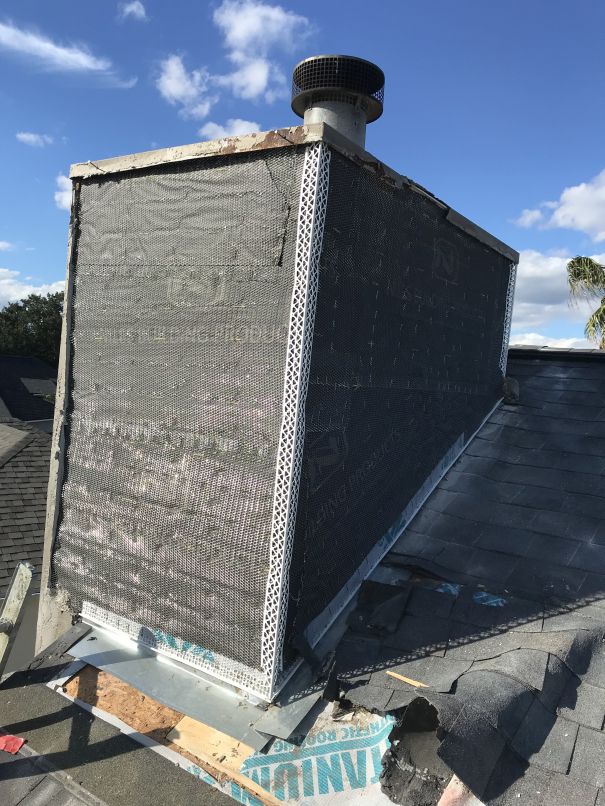
Then there’s the prep work most people don’t think about. Before any new stucco goes on, the damaged section has to come off. We check what’s underneath—the metal lath, the moisture barrier, the sheathing. If any of that is compromised, it gets replaced. That’s where costs can multiply fast, especially if the original installation cut corners.
Permits and inspections add to the total in some cases. Not every repair needs a permit, but larger projects or structural work might. We know what’s required in Orange County and factor that into the estimate.
The timeline matters too. Stucco isn’t paint. Each coat needs time to cure before the next one goes on. Rush the process and you’ll see cracks again within months. A proper repair takes days, not hours, and that curing time is built into the labor cost.
How Florida’s Climate Affects Your Repair Bill
Florida makes everything harder for stucco. The humidity, the rain, the heat—all of it accelerates wear and complicates repairs.
Moisture is the main culprit. Central Florida gets over 50 inches of rain a year, and humidity averages above 74%. When water finds a way into your stucco through a crack, it doesn’t just sit there. It spreads. It soaks into the wood framing behind your walls. It creates conditions for mold. Over time, it rots the structure your stucco is attached to.
That’s why a crack that might be cosmetic in Arizona becomes a serious problem here. Water intrusion is almost guaranteed if the crack isn’t sealed, and once water gets in, the repair scope expands. You’re no longer patching stucco. You’re replacing framing, treating mold, and waterproofing the entire section.
UV exposure breaks down stucco over time. The intense Florida sun degrades the binders that hold the material together. That makes older stucco more brittle and more likely to crack. It also makes color matching harder—your existing stucco has been fading for years, so matching it requires custom tinting and test patches.
Temperature swings cause expansion and contraction. Even in Florida, the difference between a hot afternoon and a cool night creates stress in your stucco. Over months and years, that stress shows up as cracks. Proper repairs account for this by using materials and techniques designed for Florida’s climate, which costs more than generic solutions but lasts longer.
Hurricane season adds another variable. High winds can drive rain into cracks that would normally stay dry. They can also cause impact damage from debris. After a major storm, repair costs spike because demand goes up and contractors get backlogged. Getting ahead of small cracks before storm season can save you from emergency pricing later.
Understanding Cracks in Stucco Walls: Types and Causes
Not all cracks mean the same thing. Some are surface-level annoyances. Others signal foundation problems that will get worse until you address the root cause.
Hairline cracks are thin—usually less than 1/16 of an inch wide. They’re common in new homes as the framing settles and the stucco cures. Most of the time, these are cosmetic. They can be sealed with caulk or patched with a thin coat of matching stucco. The real question is whether they’re growing.
Spider cracks look like a web spreading across your wall. These usually mean the base coat didn’t cure properly. Maybe it dried too fast in the heat, or the mix had too much water, or it was applied when temperatures were wrong. Spider cracks are frustrating because they’re often an installation issue, but they’re not typically structural. They do need repair, though, because they let moisture in.
Stair Step Cracks in Stucco: When to Worry
Stair step cracks follow the mortar joints in a zig-zag pattern, usually on block or brick walls under the stucco. These are a red flag. They almost always point to foundation movement.
When part of your foundation settles more than another part, it creates stress. That stress releases along the weakest points—the mortar joints. The result is a crack that looks like stairs climbing your wall.
Foundation settlement happens for a few reasons in Florida. The soil shifts as it gets saturated with rain and then dries out. Poor drainage around your home can wash away supporting soil. Sometimes the foundation was never properly supported to begin with.
Stair step cracks wider than 1/4 inch need professional attention fast. Even smaller ones should be evaluated. The crack itself is just the symptom. The real problem is underground, and ignoring it means the cracking will continue and spread.
If you see stair step cracks, look for other signs of foundation issues. Doors that stick, windows that won’t close, gaps between walls and ceilings—these all point to the same problem. At that point, you need a foundation specialist before you need a stucco contractor. Patching the crack without fixing the foundation is like putting a band-aid on a broken bone.
The repair cost for foundation-related cracks is higher because you’re solving two problems. First, the foundation has to be stabilized—usually with piers or underpinning. Then the stucco can be properly repaired. Total cost can easily exceed $10,000 depending on how much foundation work is needed.
Cracks in New Stucco: Normal or Problem?
Seeing cracks in stucco that was just installed is alarming, but it’s not always a disaster. New stucco goes through a curing process that can take weeks. During that time, some hairline cracking is normal.
The stucco mix shrinks slightly as it cures. That shrinkage creates stress, and that stress has to go somewhere. In a properly done job, it releases as tiny micro-cracks that are barely visible. The finish coat covers most of them.
Problems show up when the cracks are too wide, too deep, or forming patterns. If you’re seeing cracks wider than 1/8 inch within the first few weeks, something went wrong. Common causes include incorrect mix ratios—too much cement and not enough sand cause excessive shrinkage. Rushing the job is another issue. Each coat needs time to cure before the next one goes on. Skip that and the coats act as one thick layer, creating more stress and deeper cracks.
Weather during installation matters. Applying stucco in extreme heat makes it dry too fast. The surface cures before the interior, and that uneven curing causes cracking. Cold weather is just as bad—stucco won’t cure properly below certain temperatures.
If your new stucco is cracking, document it and contact the contractor immediately. Most reputable contractors warranty their work and will come back to assess and repair. The key is catching it early. Cracks that start small can grow, especially once Florida’s rain starts working into them.
For homeowners getting new stucco, ask your contractor about their curing process. We should be misting the walls to keep the stucco hydrated as it cures. We should be checking weather forecasts and avoiding application during temperature extremes. And we should be using the right mix for Florida’s climate—not just whatever’s cheapest.
How to Match Stucco: Texture and Color Challenges
Matching existing stucco is harder than it looks. You’re not just picking a color from a chart. You’re trying to replicate a material that’s been weathering for years, using a mix that will look completely different wet versus dry.
Color matching starts with a sample. We take a small piece of your existing stucco—usually from a less visible area up high where the sun hasn’t faded it as much. That sample goes to a supplier who creates a custom color match. Even then, it’s not perfect. Your existing stucco has been fading under UV light. The new patch will be brighter until it weathers.
Texture is the other half of the equation. Stucco texture comes from the size of the sand aggregate and the tool used to apply it. A coarse sand creates a rough finish. Fine sand gives you a smoother look. We have to analyze your existing texture and replicate it using the same techniques.
Why Stucco Patches Sometimes Stand Out
Even a perfectly done repair can look slightly different from the surrounding wall. That’s because stucco changes as it ages.
The alkalinity of fresh stucco is higher than old stucco. That affects color. As the new patch cures and weathers, the alkalinity drops and the color shifts. It can take months for a new patch to fully blend with the surrounding area.
Light reflection plays a role too. If the texture isn’t matched exactly, light hits the patch differently than it hits the rest of the wall. That creates a visual difference even if the color is perfect.
Application technique matters. Your walls were originally textured in one continuous pass from corner to corner. A patch is a small area that has to be blended into existing texture. That blending takes skill. We have to feather the edges, match the pattern, and use the same trowel pressure and motion as the original installer.
Some textures are easier to match than others. A simple sand finish is relatively forgiving. Complex hand-troweled patterns are much harder. If your stucco has a unique texture, matching it might require bringing in a specialist who can replicate that specific technique.
For the best results, we often suggest repainting or recoating the entire wall section after repairs. That gives you uniform color and hides any slight texture differences. It adds to the cost, but it’s the only way to guarantee an invisible repair on older stucco.
Making the Right Call on Stucco Repairs in Orange County, FL
Stucco repair costs vary because the damage varies. A hairline crack sealed early costs a few hundred dollars. That same crack ignored for a year can turn into thousands once water damage spreads behind your walls.
The key is knowing what you’re looking at. Cosmetic cracks can wait if your budget is tight. Foundation cracks can’t. Moisture damage gets exponentially worse the longer it sits. When you spot a problem, get it evaluated by someone who understands Florida’s climate and knows how to spot hidden damage.
We’ve been handling these exact issues across Orange County, FL for over 20 years. If you’re seeing cracks and want to know what they mean before they get worse, that’s the conversation worth having.