Your foundation sits underground, constantly surrounded by soil that holds moisture. When it rains in Central Florida—and it rains a lot—that water has nowhere to go but against your foundation walls. The pressure builds. The water seeps. The damage starts.
Most homeowners don’t think about their foundation until water shows up where it shouldn’t. By then, you’re looking at mold, cracks, or worse. Exterior foundation waterproofing changes that equation entirely by addressing the problem before water ever touches your walls.
Here’s what makes this approach different, and why it matters for homes in Orange County, FL.
How Exterior Foundation Waterproofing Actually Works
Exterior foundation waterproofing creates a barrier between your foundation and the wet soil surrounding it. Instead of managing water after it penetrates your walls, this method blocks it from ever making contact.
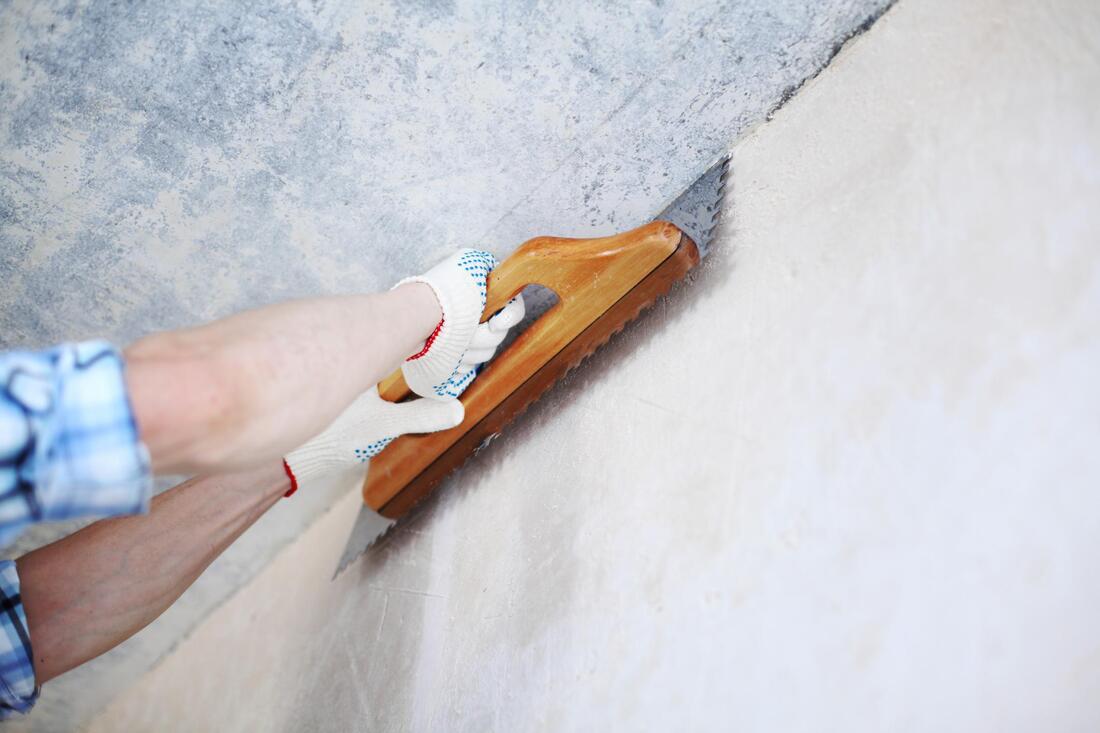
The process involves excavating soil around your foundation to expose the exterior walls. Once exposed, we apply specialized waterproofing membranes or coatings directly to the concrete surface. These materials form an impermeable shield that water can’t penetrate.
A drainage system installed at the base of your foundation collects any water that reaches the barrier and redirects it away from your home. This combination of membrane protection and proper drainage tackles both the water itself and the hydrostatic pressure that builds up in saturated soil.
Exterior Waterproofing Materials Built for Florida
Florida’s climate demands more than basic waterproofing. You need materials engineered to handle relentless humidity, intense rainfall, and heat that never lets up.
Waterproofing membranes come in two primary forms: sheet membranes and liquid-applied coatings. Sheet membranes, made from rubberized asphalt or modified bitumen, get applied in overlapping layers to create seamless protection. They’re thick, durable, and can block up to 99% of water when installed correctly.
Liquid-applied membranes offer flexibility for complex foundation shapes and hard-to-reach areas. These coatings cure into a rubber-like barrier that moves with your foundation as soil shifts. That flexibility matters in Orange County, FL, where sandy soil and water table fluctuations cause constant ground movement.
Both options work, but the choice depends on your foundation’s condition, soil type, and specific water intrusion patterns. Professional-grade materials differ significantly from DIY products. They’re formulated to withstand Florida’s UV exposure, resist mold growth, and maintain integrity through years of tropical storms and temperature swings.
The installation process matters just as much as the materials. Proper surface preparation, correct application thickness, and attention to seams and transitions determine whether waterproofing foundation walls last five years or fifty. Corners, cold joints, and areas around utility penetrations require extra care. These spots are where water finds its way in when installation shortcuts happen.
Drainage boards often get installed over the waterproofing membrane. These dimpled sheets create an air gap between your foundation and backfilled soil, allowing water to flow downward to your drainage system instead of pooling against the barrier. This layered approach handles both liquid water and the vapor pressure that comes with Florida’s humidity.
What the Installation Process Looks Like
Exterior foundation waterproofing isn’t a weekend project. It requires excavation equipment, specialized materials, and knowledge of how water moves through Florida’s unique soil conditions.
The work starts with digging a trench around your foundation, typically 2-3 feet wide and extending down to the footing. This exposes the full height of your foundation walls that sit below grade. Any existing landscaping in the work area gets temporarily displaced. Something to plan for if you have established plants or hardscaping near your home.
Once exposed, foundation walls get thoroughly cleaned. Power washing removes dirt, old coatings, and debris that would prevent proper adhesion. Cracks and damaged areas get repaired before any waterproofing goes on. You can’t seal over problems and expect them to disappear.
The waterproofing membrane application comes next. For sheet membranes, each section overlaps the previous one to create continuous coverage without gaps. Liquid coatings get rolled or sprayed on at specific thickness levels. Too thin and they won’t protect adequately. Too thick and you’re wasting material without added benefit.
Drainage installation happens simultaneously. Perforated pipes wrapped in filter fabric get positioned at the base of your foundation, surrounded by gravel that allows water to flow freely. These pipes route water away from your home to a safe discharge point. Either to daylight if your property slopes appropriately, or to a sump pump system if needed.
Backfilling requires care. Soil gets replaced in layers and compacted properly to avoid settling that could damage your waterproofing or create new drainage problems. The final grade should slope away from your foundation, directing surface water away before it ever reaches the soil around your walls.
The entire process typically takes several days to a week, depending on your home’s size and any complications discovered during excavation. Weather plays a role too. Heavy rain can halt work until conditions improve.
Exterior Basement Waterproofing vs Interior Methods
The fundamental difference comes down to timing. Exterior waterproofing prevents water from reaching your foundation. Interior waterproofing manages water that’s already penetrated your walls.
Both approaches can keep your basement dry, but they accomplish it differently. Interior systems use drainage channels and sump pumps to collect water that seeps through foundation walls and redirect it before it floods your floor. Exterior systems stop that seepage from happening in the first place.
This distinction matters more than you might think. Water that penetrates your foundation walls, even if it gets managed by interior drainage, still exposes your concrete to moisture. Over time, that moisture causes deterioration you can’t see. Weakened concrete. Corroded rebar. Compromised structural integrity.
Why Exterior Solutions Offer Superior Long-Term Protection
Exterior foundation waterproofing addresses the root cause of water problems rather than treating symptoms. By creating a barrier on the outside of your foundation, water never contacts your walls. No contact means no penetration, no moisture absorption, and no ongoing deterioration of your foundation materials.
This preventative approach protects your foundation’s structural integrity in ways interior methods can’t match. Concrete is porous. It absorbs water like a sponge. Even if interior drainage keeps your basement floor dry, moisture still moves through your foundation walls. That moisture brings dissolved minerals that crystallize inside the concrete, causing expansion and cracking.
In Central Florida, you don’t get freeze-thaw cycles, but you do get constant wet-dry cycles that create similar stress. Orlando’s average annual rainfall exceeds 50 inches. That’s a lot of water constantly pushing against foundations throughout Orange County, FL.
Exterior waterproofing also handles hydrostatic pressure more effectively. When soil around your foundation becomes saturated, water exerts pressure against your walls. This pressure forces water through any available opening—cracks, joints, porous concrete. Interior systems can’t reduce this pressure. They only manage water after it’s already been forced through. Exterior systems eliminate the pressure problem by preventing soil saturation against your walls.
The longevity difference is significant. Properly installed exterior waterproofing can last 50+ years with minimal maintenance. Interior systems require ongoing attention. Sump pumps need replacement. Drainage channels can clog. And you’re still dealing with moisture constantly trying to enter your home.
Property value considerations matter too. When you sell your home, buyers and inspectors recognize exterior waterproofing as a superior solution. It demonstrates thorough home maintenance and provides reassurance that foundation protection was done right. Interior systems, while functional, often raise questions about whether water problems were truly solved or just managed.
When Interior Waterproofing Makes More Sense
Exterior waterproofing isn’t always the practical choice, despite its advantages. Several situations make interior methods more appropriate.
If your home has finished landscaping, hardscaping, or structures close to your foundation, excavation costs and disruption can be prohibitive. Removing and replacing driveways, patios, decks, or mature landscaping adds significantly to project expense. Interior waterproofing avoids this disruption entirely.
Homes with limited access around the foundation face similar constraints. Properties built close to lot lines or neighboring structures may not have the physical space needed for excavation equipment. Interior solutions work from inside your basement, requiring no exterior access.
Finished basements present another consideration. While interior waterproofing does require some demolition along the perimeter to install drainage systems, it’s often less disruptive than exterior excavation. Especially if your landscaping and exterior areas are already established.
Cost differences factor into the decision too. Interior waterproofing typically costs less upfront because it requires less labor and no excavation. For homeowners facing budget constraints or minor water issues, interior solutions can provide adequate protection at a lower initial investment.
The key is understanding that interior waterproofing is reactive. It manages water that’s already entered your foundation. Exterior waterproofing is proactive. It prevents water from entering at all. Both can keep your basement dry, but only exterior methods protect your foundation’s structural integrity long-term.
In Florida’s wet climate, where foundations face constant moisture pressure, the superior protection of exterior waterproofing often justifies the higher initial cost. You’re investing in prevention rather than ongoing management. That matters when you’re dealing with a home in an area that sees tropical storms, summer downpours, and year-round humidity.
Protecting Your Foundation From Florida’s Climate
Water damage to your foundation doesn’t announce itself with sirens. It starts quietly. A small crack. A damp spot. A musty smell. By the time you notice obvious problems, moisture has been working against your home’s structure for months or years.
Exterior foundation waterproofing gives you the most effective defense against Orange County, FL’s relentless rainfall and humidity. It stops water at the source, protects your foundation’s structural integrity, and provides decades of reliable protection. The upfront investment prevents the kind of catastrophic damage that costs exponentially more to repair.
If you’re dealing with water intrusion, foundation cracks, or persistent moisture issues, we bring over 20 years of expertise in Florida climate-specific exterior solutions. With a 4.6 overall rating across 145 reviews and a perfect 5.0 Google rating, we understand how Central Florida’s unique conditions affect your foundation and can design waterproofing systems that actually work for the long term.