Waterproofing Services Central Florida

Stop Water Damage Before It Starts
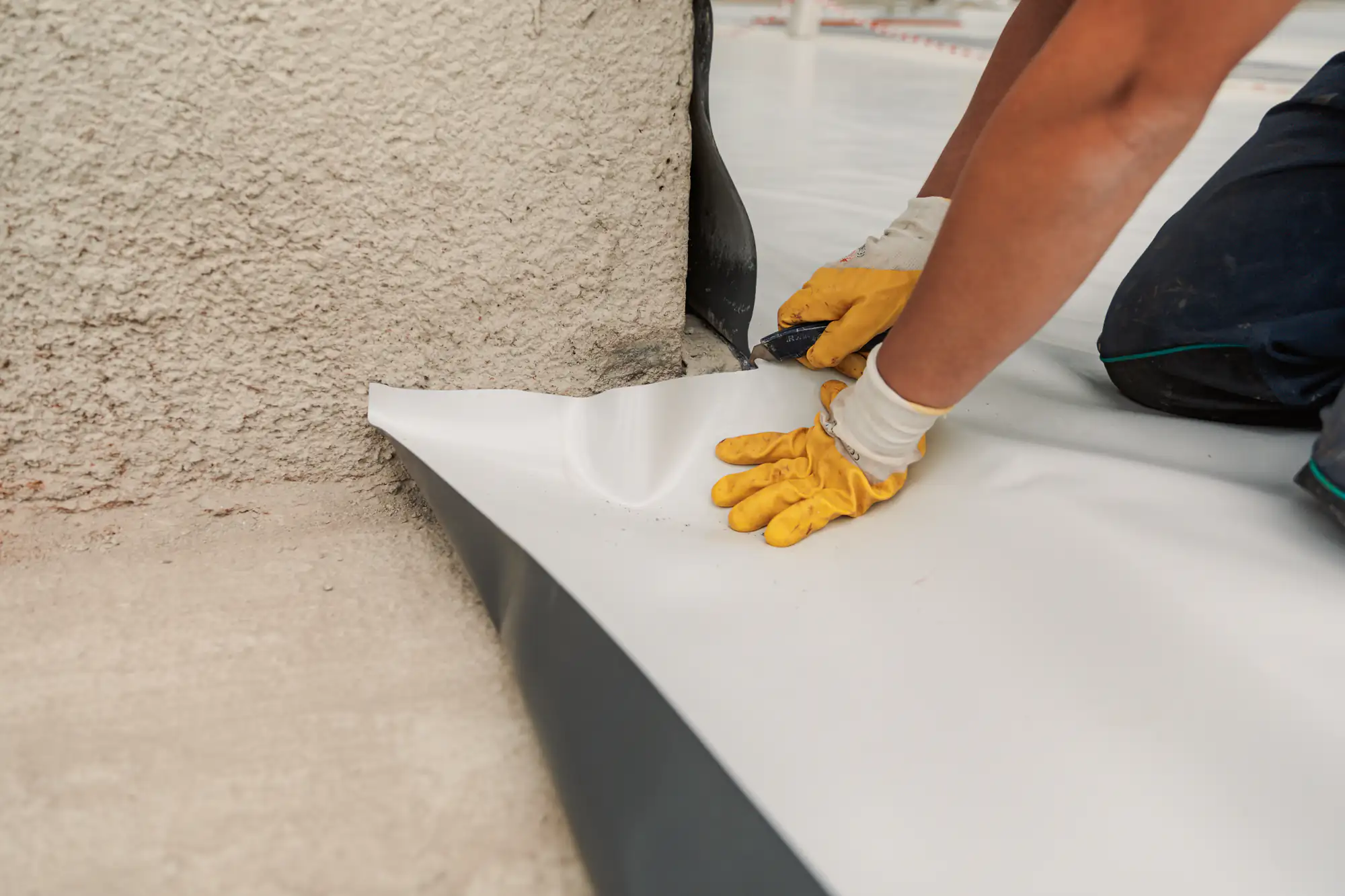
Your stucco walls weren’t built to handle 50+ inches of rain and 90% humidity without protection. Professional waterproofing keeps moisture out, prevents mold growth, and protects your home’s structure from Florida’s relentless weather.

Florida Climate Specialists

We understand Central Florida's unique weather challenges and know exactly how to protect stucco from humidity, heavy rain, and hurricane conditions.

Code-Compliant Work

Every waterproofing project meets Florida Building Code requirements for moisture barriers, drainage systems, and proper sealing to ensure lasting protection.

Professional-Grade Materials

We use weather-resistant barriers and breathable sealants specifically designed to withstand Florida's extreme heat, storms, and year-round moisture.

Comprehensive Protection

Our approach addresses both prevention and drainage, stopping water at the surface while managing any moisture that does penetrate your walls.
Waterproofing Contractors Central Florida

What Waterproofing Actually Does for Your Home

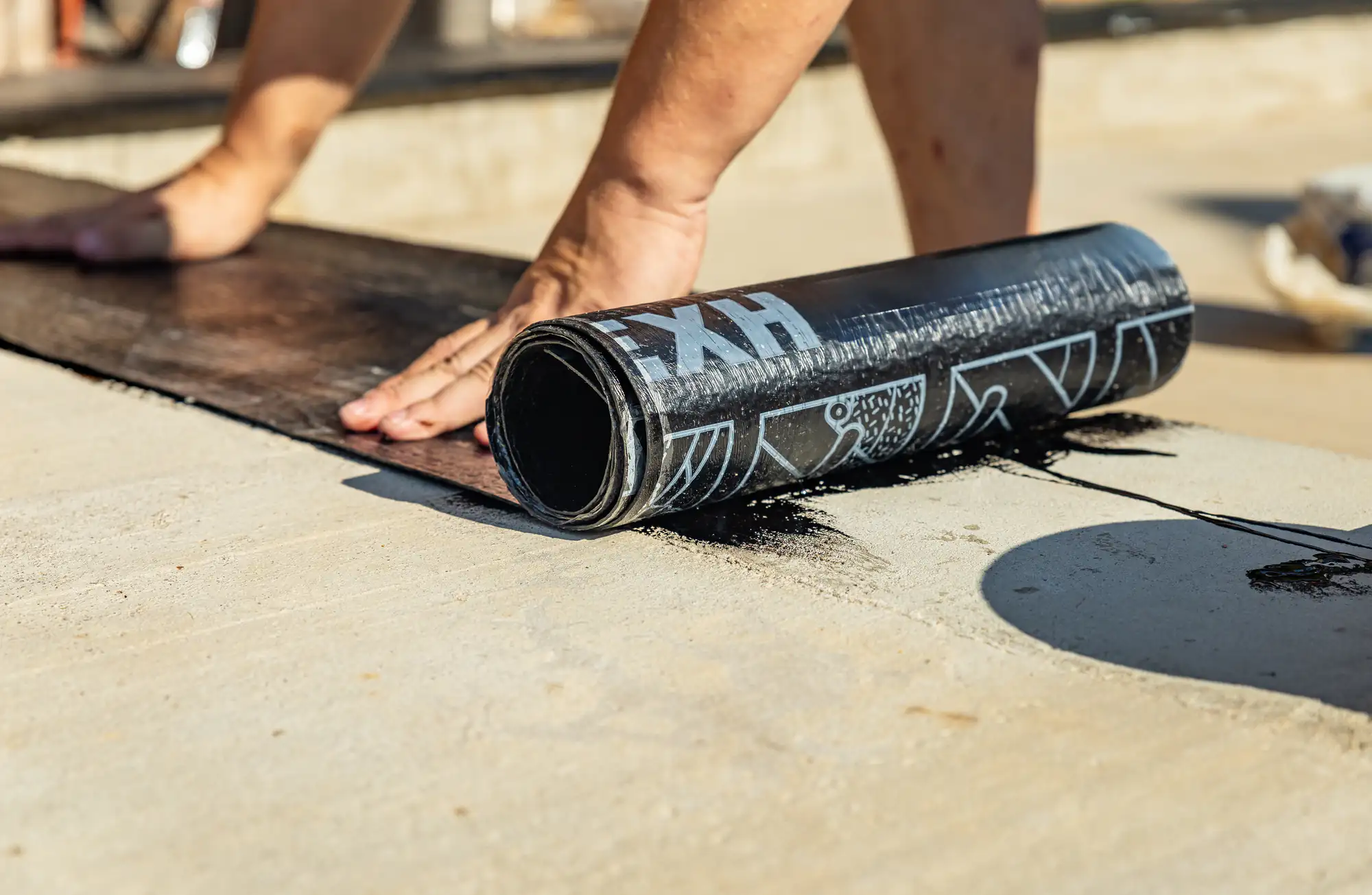
Waterproofing creates a protective barrier between your home and the constant moisture Florida throws at it. It’s not just about keeping rain out during storms. It’s about managing the daily humidity that seeps into porous stucco, preventing the slow accumulation of moisture that leads to mold, wood rot, and structural damage you won’t see until it’s expensive to fix. In Central Florida—spanning Orange County, FL, Osceola County, FL, Seminole County, FL, Volusia County, FL, Brevard County, FL, and Lake County, FL—afternoon thunderstorms are routine and humidity rarely drops below 70%. Here, waterproofing isn’t optional. Stucco is naturally porous. Without proper sealing and drainage, water finds its way behind your walls, creating the perfect environment for problems that compromise your home’s integrity and your family’s health.

Professional Waterproofing Services Orlando

What You Get With Professional Waterproofing

The right waterproofing system does more than block water—it protects your investment, maintains your property value, and gives you one less thing to worry about during hurricane season.

You'll stop seeing water stains and damp spots on your interior walls after every heavy rain.

Your home's structure stays protected from wood rot and foundation damage caused by trapped moisture.

You won't deal with mold growth that creates health risks and costs thousands to remediate.

Your stucco lasts 10-15 years longer when properly sealed against Florida's humidity and rainfall.

You avoid the 10-25% drop in property value that comes with documented moisture problems.

You'll have peace of mind knowing your home can handle whatever Florida weather brings next.

Ready to get started?

Share project details

Call us or get a free online quote to help us identify your project needs.

We'll follow up

If you requested an online quote, you can expect a callback within 24-48 hours of your request.

The floor is yours

Connect with an expert and share all project specifics.

Plan your project

Like what you hear? We'll provide next steps and expert guidance.
Stucco Waterproofing Orange County FL

Why Florida Stucco Needs Waterproofing
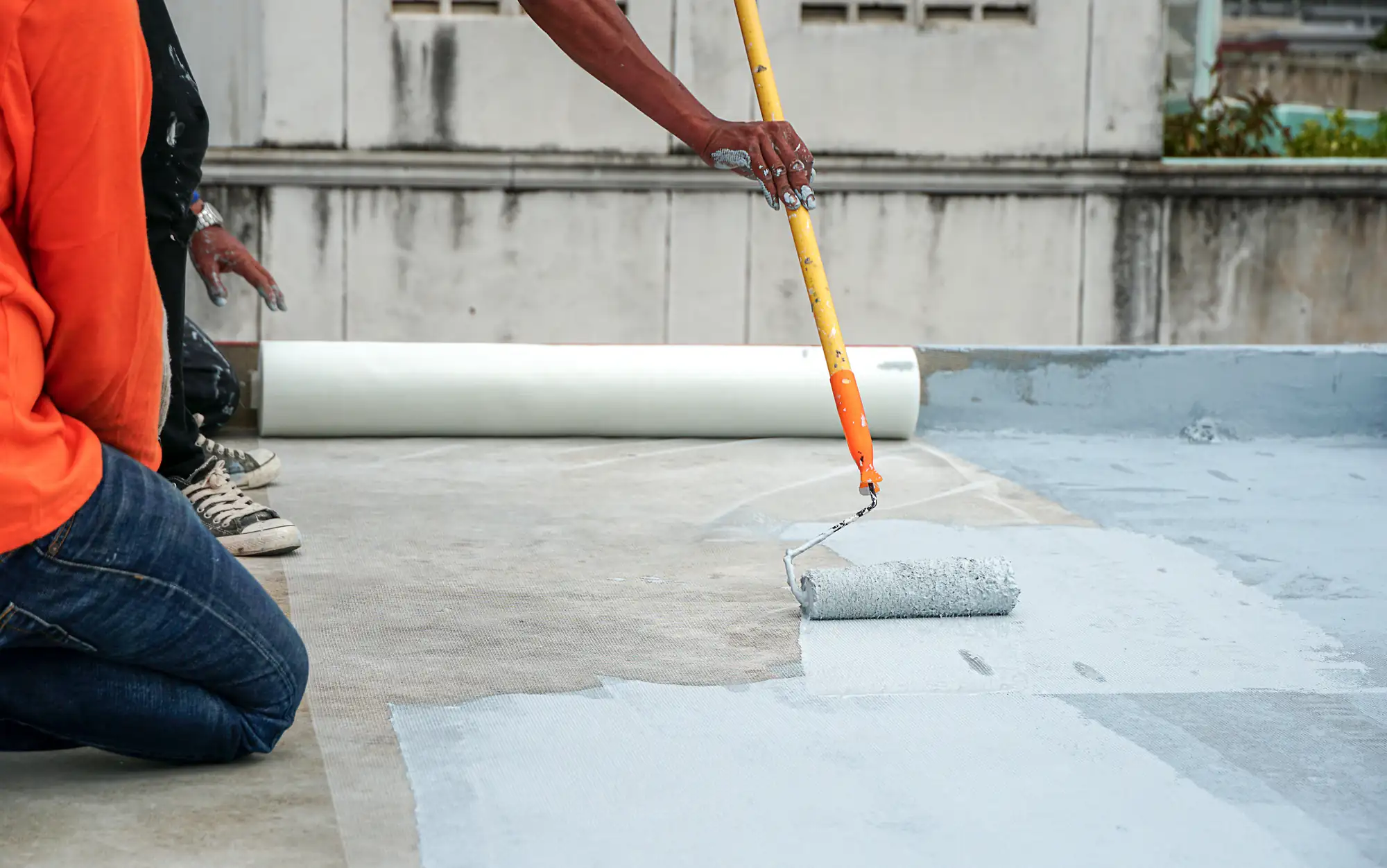
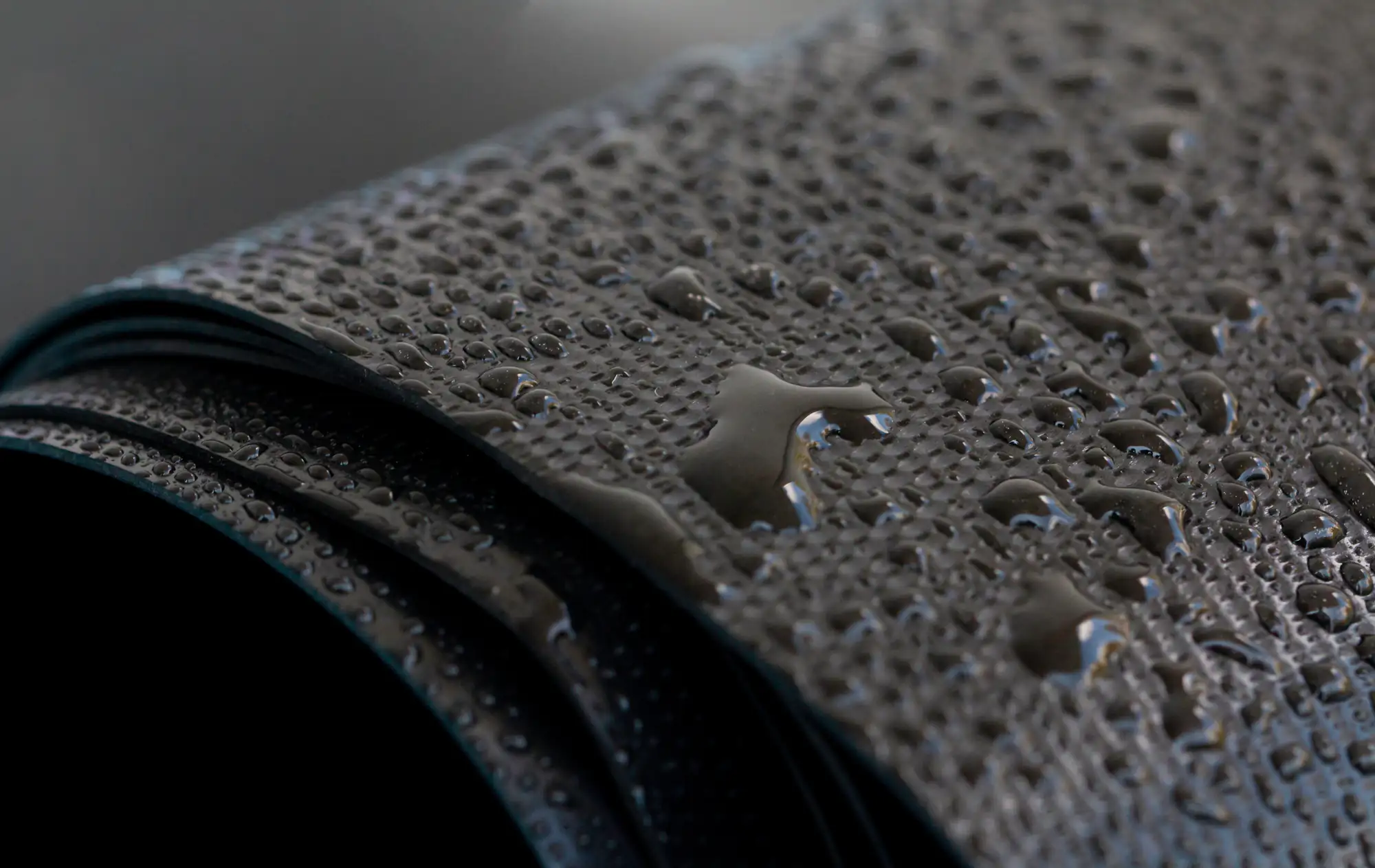
Stucco isn’t waterproof. That surprises most homeowners, but it’s true. The cement-based material is porous, which means water can penetrate the surface and get trapped behind your walls. In drier climates, that moisture might evaporate before causing problems. In Central Florida, where we average over 50 inches of rain annually and humidity stays above 90% most of the year, that trapped moisture doesn’t go anywhere. What happens next is predictable. The constant dampness creates ideal conditions for mold and mildew. If that moisture reaches the wooden structure behind your stucco, you’re looking at rot. Small cracks that seem harmless act like sponges, pulling water into your walls with every storm. Over time, what started as a hairline fracture becomes a pathway for serious water intrusion. Florida Building Code requires proper moisture barriers and waterproofing in areas with high water tables or severe moisture conditions—which describes most of Central Florida. The code exists because builders and engineers know what happens when water management fails. We’ve seen homes where ignoring waterproofing led to foundation repairs costing $15,000 or more. The waterproofing that would have prevented it costs a fraction of that.

Waterproofing Companies Seminole County FL

What's Included in Professional Waterproofing

Real waterproofing is more than slapping sealant on your walls. It’s a system that works together to keep water out while allowing any trapped moisture to escape. That’s critical in Florida, where breathability prevents moisture from getting stuck behind your stucco. We start with a thorough inspection to identify existing damage—cracks, soft spots, areas where water has already penetrated. Those get repaired first because sealing over damage just hides the problem temporarily. Then we apply professional-grade weather-resistant barriers designed for Florida’s climate. These aren’t the same products used in Arizona or Colorado. Florida’s combination of heat, humidity, and hurricane-force winds requires materials that can flex, breathe, and hold up under extreme conditions. The waterproofing system includes proper drainage. We make sure water that does get behind your stucco has a way out through weep screeds at the base of walls. We seal vulnerable areas around windows, doors, and joints where water typically finds its way in. And we use sealants that maintain flexibility as your home expands and contracts with temperature changes—something that happens daily in Central Florida’s heat.
Waterproofing FAQs

Common questions about our Waterproofing services

Most residential waterproofing projects in Central Florida range from $2,000 to $10,000, with the average homeowner spending between $4,000 and $6,000. The cost depends on your home’s size, the extent of existing damage, and the waterproofing methods needed. Smaller jobs like sealing and spot repairs cost less, while comprehensive systems with drainage and extensive prep work cost more. That might seem like a significant investment until you compare it to the alternative. Foundation repairs from water damage typically run $5,000 to $25,000. Mold remediation costs thousands. And homes with documented moisture problems can lose 10-25% of their value when it comes time to sell. Waterproofing isn’t an expense—it’s protection against much bigger problems.
In Central Florida’s climate, waterproofing typically needs refreshing every 5 to 10 years. The exact timeline depends on several factors including the quality of materials used, how much direct weather exposure your walls get, and how well the system was installed initially. Homes that face afternoon storms regularly or have areas with poor drainage may need attention sooner. The good news is that maintenance waterproofing costs significantly less than the initial application because you’re refreshing protection rather than starting from scratch. Regular inspections help catch small issues before they become big ones. If you notice cracks, water stains, or any signs of moisture penetration, don’t wait for the 5-year mark. Addressing problems early prevents them from spreading.
The most obvious sign is water stains or discoloration on your interior walls, especially after heavy rain. If you see dark streaks, yellow or brown spots, or damp areas that appear near windows or at the base of walls, water is getting through your stucco. Visible cracks in your exterior stucco are another clear indicator—even small hairline cracks let water in. Musty odors inside your home suggest hidden moisture and possible mold growth. If you see white powdery deposits on your stucco (called efflorescence), that’s salt left behind as water evaporates, which means moisture is moving through your walls. Bulging or soft spots in your stucco indicate trapped water behind the surface. Any of these signs mean you should get an inspection soon. The longer water intrusion continues, the more damage it causes to your home’s structure.
Yes, when done correctly with the right materials. Florida’s climate is exactly why proper waterproofing matters so much. The key is using systems designed specifically for high-humidity, high-rainfall environments. Standard waterproofing that works in dry climates fails here because it doesn’t account for Florida’s year-round moisture and extreme weather. Professional waterproofing for Florida homes uses breathable barriers that block liquid water while allowing water vapor to escape. This prevents moisture from getting trapped behind your stucco, which is critical in our humid climate. The materials need to withstand intense UV exposure, thermal expansion from heat, and the force of wind-driven rain during storms. We use weather-resistant barriers and sealants rated for Florida conditions, and we ensure proper drainage so any water that does penetrate has a way out. The system works because it’s designed for exactly what Central Florida throws at it.
Florida Building Code requires dampproofing on foundation walls that retain earth and enclose interior spaces below grade. Waterproofing specifically is required in areas where high water tables or severe soil-water conditions exist—which applies to much of Central Florida. The code also mandates weather-resistant barriers behind exterior cladding and proper flashing around openings to prevent water entry. These requirements exist because Florida’s climate makes moisture management critical to structural integrity. Even if your specific situation doesn’t technically require waterproofing under code, it’s still necessary for protecting your home. Building codes set minimum standards for safety, not optimal protection. In Central Florida’s wet climate, proper waterproofing is essential regardless of whether code mandates it. Most insurance policies don’t cover damage from slow leaks or poor installation, so protecting your home proactively makes financial sense.
Answer

Inspection and Assessment

We examine your stucco for cracks, moisture damage, and vulnerable areas, identifying exactly where water is getting in or could potentially penetrate.

Repair and Preparation

We fix existing damage, clean surfaces thoroughly, and prep your walls so waterproofing materials bond correctly and provide maximum protection.

Application and Sealing

We apply weather-resistant barriers and professional-grade sealants, ensuring complete coverage and proper drainage to keep your home protected year-round.

Cities we provide Waterproofing In

Scroll to Top