Professional Stucco Sealing Central Florida

Stop Moisture Before It Costs You Thousands
Your stucco looks fine today. But Florida’s rain, humidity, and UV exposure are breaking down its protection right now—and by the time you see the damage, it’s already expensive.
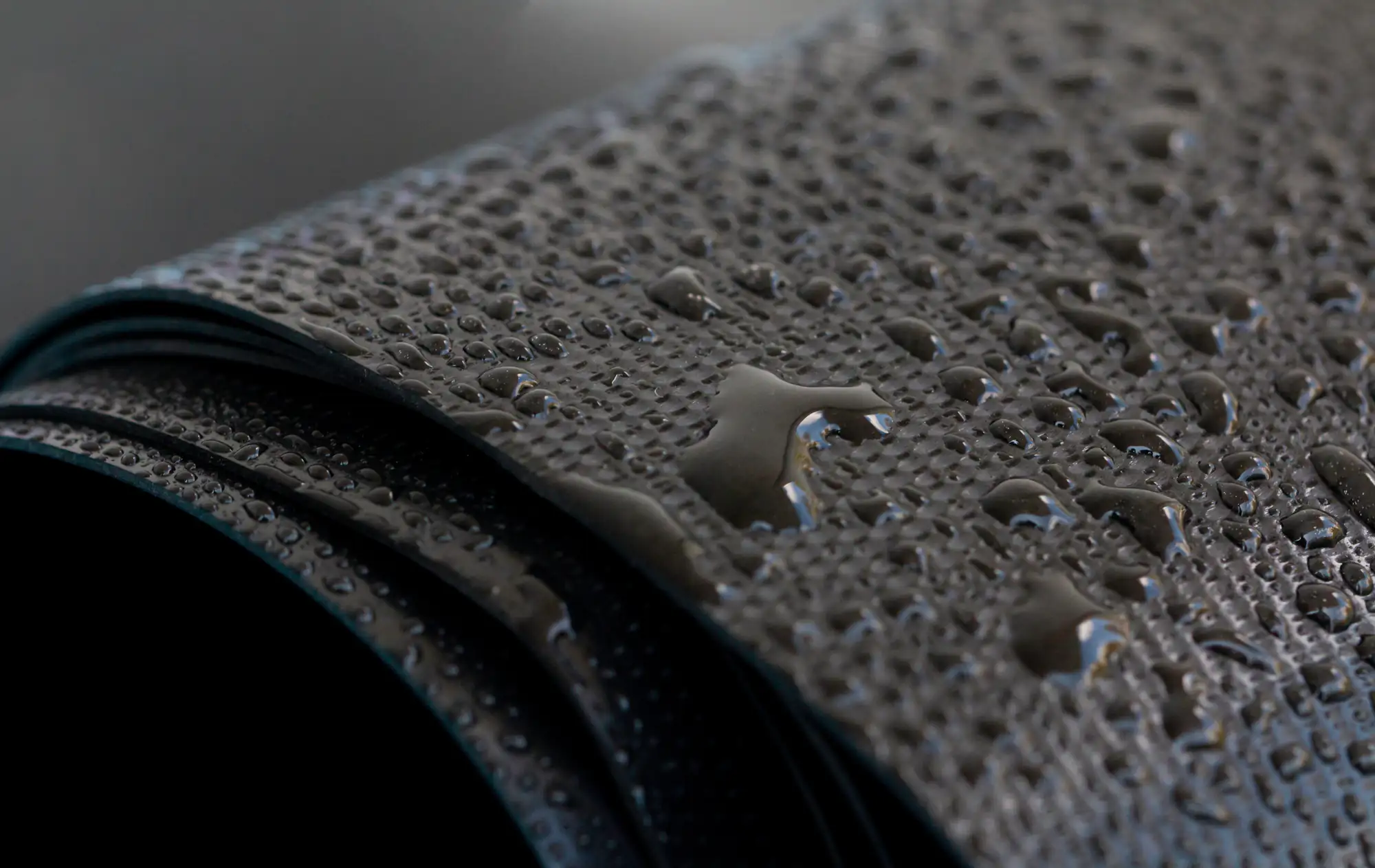
A close-up of a black, textured, flexible material rolled up, with water droplets on its surface, highlighting its water-resistant properties—ideal for Stucco Services Central Florida.

Local Climate Expertise

We understand Central Florida's unique challenges—from hurricane-force rain to relentless UV exposure—and use sealers proven to handle them.

Breathable Sealing Solutions

Our penetrating sealers block water while letting trapped moisture escape, preventing the mold and rot that non-breathable products cause.

Specialized Stucco Focus

We're not general contractors dabbling in stucco. This is what we do, and our expertise shows in every sealed surface.

Transparent Honest Pricing

You'll get a clear estimate with no hidden fees. We price fairly because we want you back in five years, not avoiding our calls.
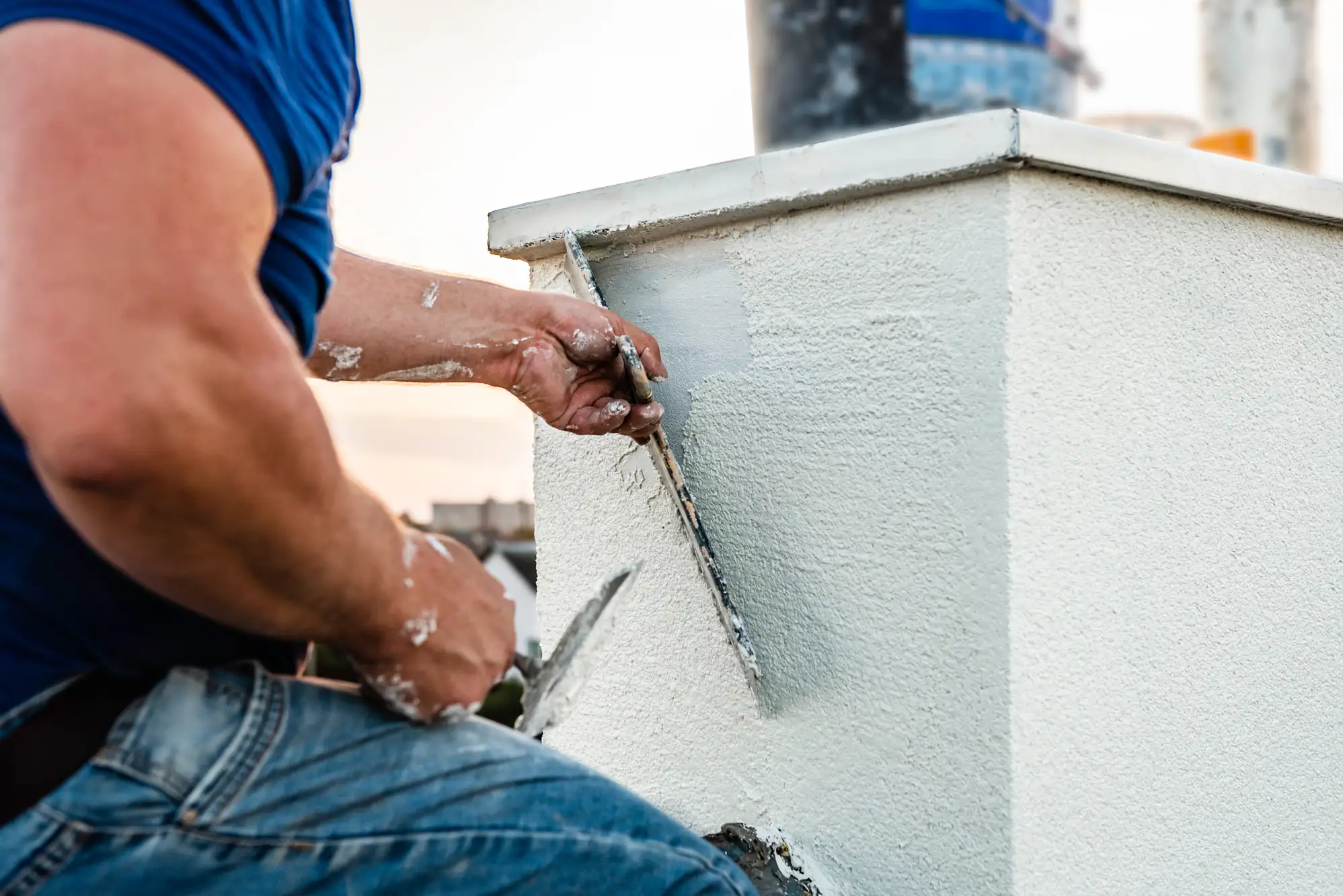
A person wearing a blue shirt and jeans uses a trowel to apply plaster or stucco to the exterior wall of a building, with paint splatters on their arms, showcasing quality Stucco Services Central Florida offers.

Stucco Waterproofing and Sealing Services

Protection That Actually Lasts in Florida's Climate

Stucco sealing isn’t about slapping on a coat of anything and calling it done. In Central Florida, where we get 50+ inches of rain annually and humidity that never quits, your stucco needs a penetrating sealer that works with the material, not against it. We use professional-grade clear sealers that sink into the surface, creating an invisible barrier against wind-driven rain, UV damage, and moisture intrusion. The difference between what we apply and what most homeowners find at the hardware store is the difference between five years of protection and five months. Your stucco is porous. That’s not a flaw—it’s how the material breathes. But without the right sealer, those pores let Florida’s weather destroy everything behind your walls. We seal the surface while preserving breathability, which is critical when you’re dealing with this climate.

Benefits of Professional Stucco Sealing

What Proper Sealing Actually Does for Your Home

You’re not just protecting stucco. You’re preventing the kind of damage that shows up three years later as mold behind your walls and five-figure repair bills.

Water stops penetrating through hairline cracks before they turn into structural problems that require tearing off sections of your exterior.

Your stucco sheds rain like it's supposed to, even during those afternoon thunderstorms that dump three inches in an hour across Orlando and Kissimmee.

UV damage slows way down, extending the life of your stucco by years and keeping it from breaking down into that chalky, faded mess you see on neglected homes.

Mold and mildew lose their favorite breeding ground because moisture can't accumulate in the walls where you can't see it growing.

Your energy bills drop because sealed stucco maintains its insulating properties instead of letting conditioned air escape through every crack and gap.

You avoid the nightmare scenario of discovering rotted wood, rusted lath, or structural damage when a simple inspection turns into a five-figure repair estimate.

Ready to get started?

A bold white number 1 is centered inside a solid black circle on a light gray background, representing top-rated Stucco Services Central Florida.

Share project details

Call us or get a free online quote to help us identify your project needs.

A bold white number 2 centered inside a solid black circle on a light gray background, representing Stucco Services Central Florida with a modern and professional touch.

We'll follow up

If you requested an online quote, you can expect a callback within 24-48 hours of your request.

A bold, white number 3 is centered inside a solid black circle on a plain white background, representing top-tier Stucco Services Central Florida.

The floor is yours

Connect with an expert and share all project specifics.

A bold white number 4 centered inside a solid black circle on a light gray background, representing Stucco Services Central Florida.

Plan your project

Like what you hear? We'll provide next steps and expert guidance.
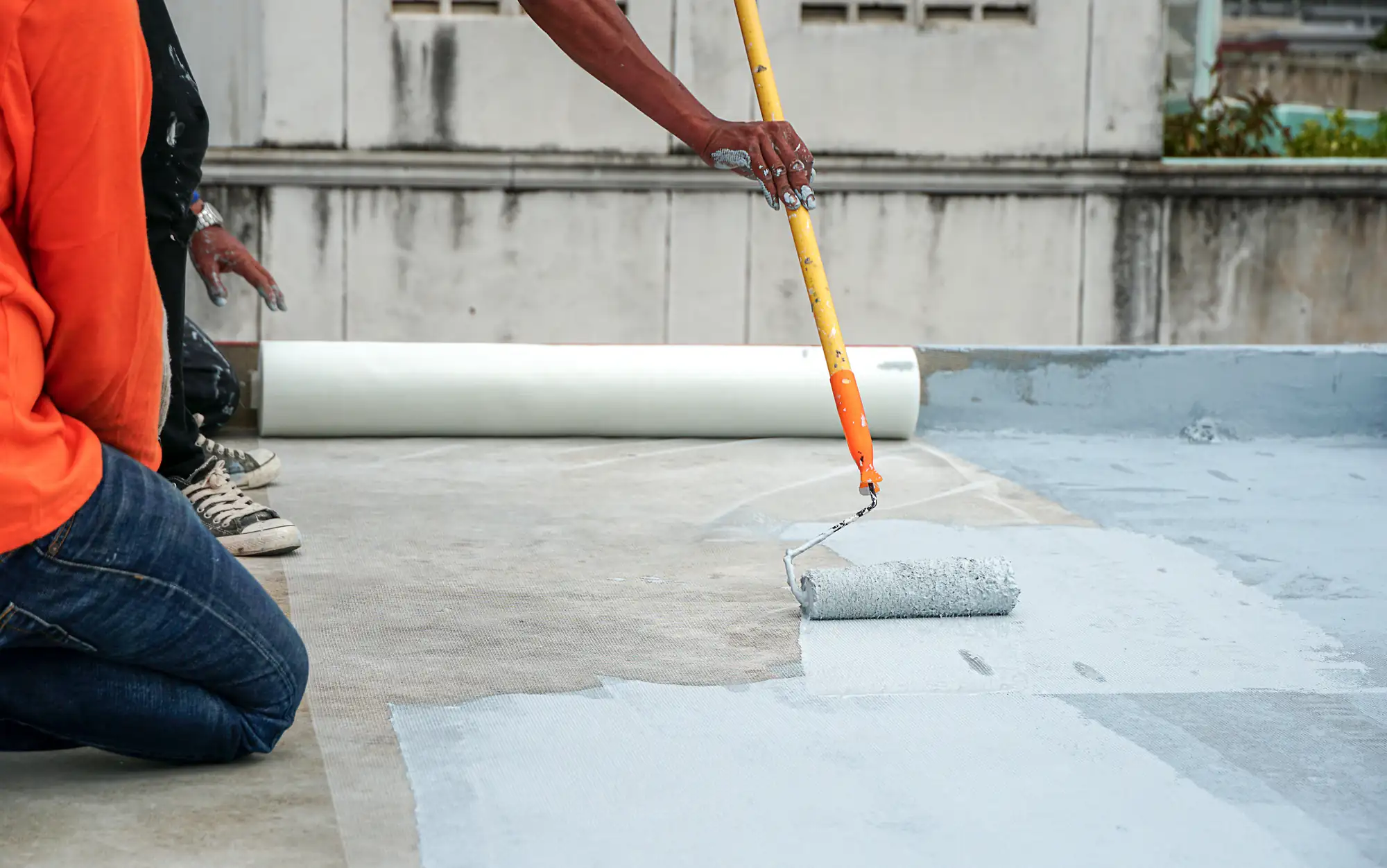
Two people apply a waterproofing membrane to a flat concrete surface using a long-handled paint roller. One person kneels while the other works, showcasing techniques often seen in Stucco Services Central Florida. A white roll sits in the background.

Clear Penetrating Sealer Application

Why Penetrating Sealers Beat Surface Coatings Every Time
Here’s what most people don’t understand about sealing stucco in Florida: if you trap moisture inside the walls, you’ve just created a worse problem than you started with. Surface coatings and the wrong types of paint create a barrier that stops water from getting in, sure. But they also stop moisture from getting out. In a climate where humidity hits 90% and your walls are constantly dealing with temperature swings, that trapped moisture turns into mold, deterioration, and damage you won’t see until it’s extensive. Penetrating sealers work differently. They sink into the stucco and bond at a molecular level, creating a hydrophobic barrier that repels liquid water while still allowing water vapor to escape. That’s the difference between protection and problems. We use silane-siloxane based sealers that have been tested against 98 mph wind-driven rain. That’s not marketing language—that’s the actual weather your house faces during hurricane season. The sealer either handles it or it doesn’t, and the cheap stuff doesn’t.
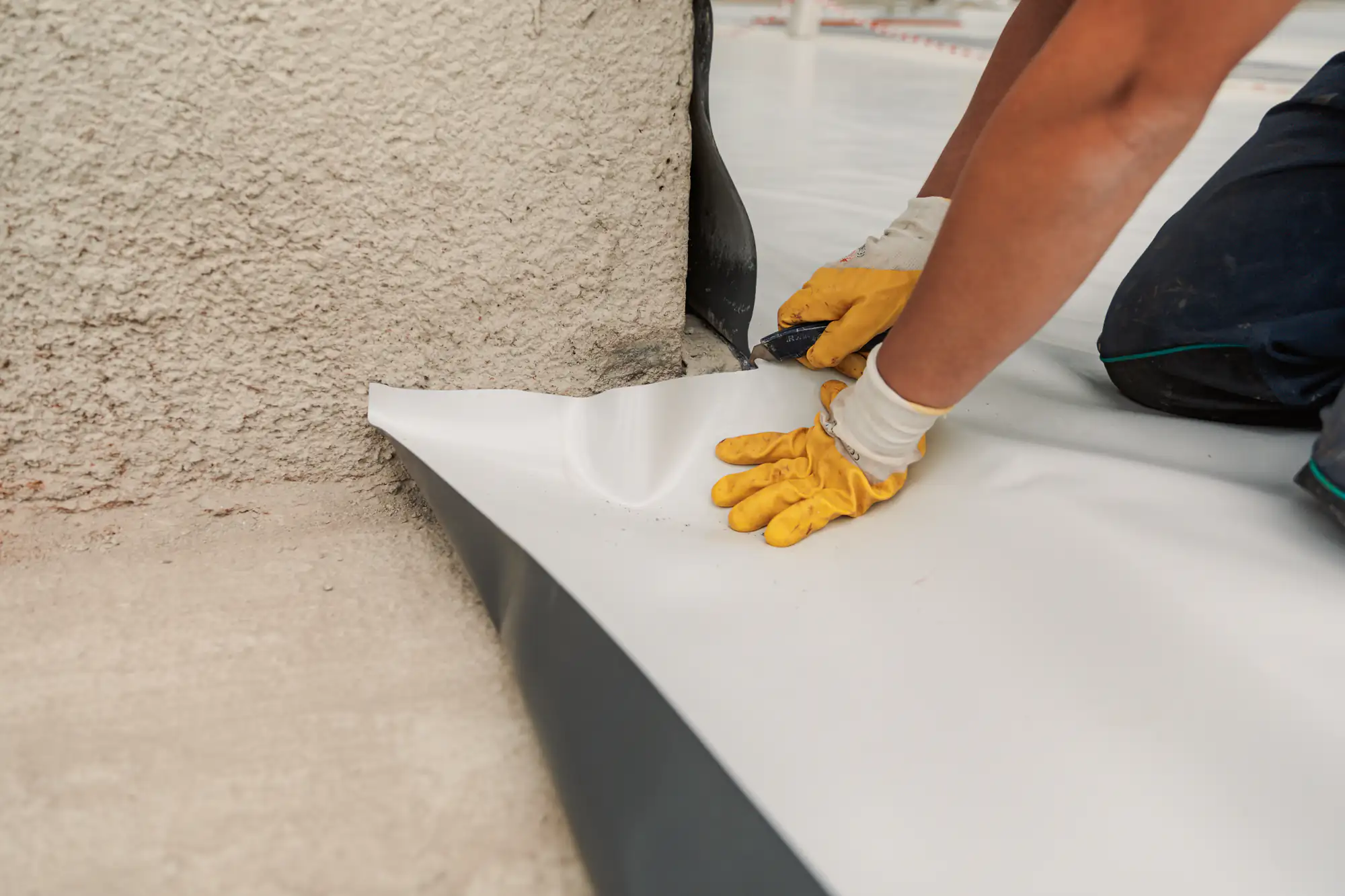
A person wearing yellow gloves installs a white waterproofing membrane along the base of a textured wall, pressing it firmly into the corner—a detail often seen in professional Stucco Services Central Florida.

Stucco Maintenance and Weatherproofing

What's Included When We Seal Your Stucco

We don’t just show up and spray sealer on your walls. That’s how you end up with failed applications and callbacks. First, we inspect the entire surface for cracks, damage, and areas where moisture has already penetrated. If there are problems, we address them before sealing because trapping existing damage under a sealer just hides it temporarily. Next, we clean the surface properly. Dirt, mildew, efflorescence—all of it has to come off or the sealer won’t bond correctly. We’re not pressure washing at 3000 PSI and blowing apart your stucco. We’re cleaning it the right way for the material. Then we apply the penetrating sealer in the coverage rate that actually works. Not the “stretch it to save money” rate, but the manufacturer-specified rate that provides the protection you’re paying for. We make sure vulnerable areas around windows, doors, and roof lines get extra attention because that’s where water intrusion starts. The sealer dries clear and invisible. Your stucco looks exactly the same, just protected. No sheen, no color change, no texture difference. Just five to seven years of defense against everything Central Florida throws at it.
Stucco Sealing FAQs

Common questions about our Stucco Sealing services

Every five to seven years, depending on sun exposure and weather conditions. Florida’s UV radiation breaks down sealers faster than northern climates—what lasts ten years up north lasts five to seven here. If your home faces south or west and gets hammered by afternoon sun, you’re looking at the shorter end of that range. If you can’t remember when your stucco was last sealed, or if you’re seeing water stains, efflorescence, or cracks, it’s overdue. The good news is that resealing every five to seven years costs a fraction of what you’ll spend on repairs if you let it go. We’re talking hundreds of dollars for prevention versus thousands for fixing moisture damage, mold remediation, or structural repairs.
Penetrating sealers sink into the stucco and create a molecular bond that repels water while letting vapor escape. Elastomeric paint sits on the surface and creates a flexible waterproof membrane. Both can work, but they solve different problems. If your stucco is unpainted and in good condition, a clear penetrating sealer preserves the natural look while providing breathable protection. If you’re dealing with hairline cracks and want to refresh the color, elastomeric paint offers flexibility and coverage. The critical thing is breathability. In Florida’s humid climate, you need moisture vapor to escape from your walls. Non-breathable coatings trap humidity inside, leading to mold and deterioration behind the stucco. We’ll recommend what actually makes sense for your specific situation, not just what’s easier to sell.
You can buy sealer and apply it yourself, but there’s a difference between applying sealer and applying it correctly. The product matters—construction-grade silane-siloxane sealers perform differently than consumer products. Coverage rate matters—too thin and you don’t get protection, too thick wastes money. Surface prep matters—sealer won’t bond to dirty or damaged stucco. And knowing where to focus attention matters because water intrusion doesn’t happen evenly across your entire house. If you’re comfortable with the prep work, have the right equipment, and use quality products at the correct coverage rate, DIY can work for smaller homes. But most homeowners in Orange County, Osceola County, and across Central Florida hire professionals because the cost of doing it wrong—failed sealer, continued moisture damage, having to redo it in a year—exceeds the cost of hiring someone who does this regularly.
Sealing fills and protects existing hairline cracks and prevents them from expanding due to water intrusion, but it won’t stop new cracks from forming due to settlement or structural movement. Stucco cracks for several reasons in Florida—house settlement on sandy soil, temperature fluctuations causing expansion and contraction, and structural shifts. A good penetrating sealer fills hairline cracks and prevents water from getting in and making them worse. But if your foundation is settling or you have structural issues, sealing won’t fix that. What sealing does is protect the cracks you have from becoming bigger problems. Water gets into cracks, freezes and thaws during our rare cold snaps, expands and contracts with temperature changes, and turns a hairline crack into a serious issue. Sealing stops that progression. If you have cracks wider than an eighth of an inch, they should be properly repaired with elastomeric caulk before sealing.
Look for water stains, discoloration, efflorescence (white powdery deposits), soft or hollow-sounding areas when you tap the wall, cracks around windows and doors, and musty odors inside your home near exterior walls. The tricky part is that stucco can hide damage for years. By the time you see staining on the outside, there’s often significant damage behind the surface. Inside your home, watch for peeling paint on interior walls near exterior walls, water stains, mold growth, or increased pest activity. If you suspect moisture damage, get a professional inspection before sealing. Trapping existing moisture and damage under a new sealer just hides the problem temporarily. We’ll use moisture meters and visual inspection to check for issues, and if we find damage, we’ll tell you what needs to be addressed before we seal anything. This is especially important in Central Florida where our high humidity and frequent rain make moisture intrusion more likely than in drier climates.
Florida’s weather will break down the surface, water will penetrate through cracks and pores, and you’ll eventually face expensive repairs or replacement. Unsealed stucco in Central Florida deteriorates faster than in drier climates. UV exposure breaks down the surface, making it more porous. Rain and humidity drive moisture into the walls. Cracks expand as water gets in and the material shifts. Mold and mildew grow in the trapped moisture. The underlying structure—wood framing, metal lath, insulation—starts to rot or corrode. By the time the damage is visible from the outside, you’re often looking at structural repairs, not just surface fixes. The cost difference is dramatic. Sealing your stucco every five to seven years might run you a few hundred to a couple thousand dollars depending on your home’s size. Replacing damaged stucco, repairing rotted framing, and remediating mold can easily hit five figures. It’s not a question of whether to seal—it’s a question of when.
A bold white number 1 is centered inside a solid black circle on a light gray background, representing top-rated Stucco Services Central Florida.

Inspection and Assessment

We examine your stucco for cracks, moisture damage, and problem areas, then give you an honest assessment of what needs attention.

A bold white number 2 centered inside a solid black circle on a light gray background, representing Stucco Services Central Florida with a modern and professional touch.

Surface Preparation and Repair

Proper cleaning and crack repair come first. We prep the surface so the sealer bonds correctly and lasts the full five to seven years.

A bold, white number 3 is centered inside a solid black circle on a plain white background, representing top-tier Stucco Services Central Florida.

Professional Sealer Application

We apply construction-grade penetrating sealer at the right coverage rate, focusing on vulnerable areas where water intrusion typically starts.

Scroll to Top