Stucco Repair in Daytona Beach, FL
Your Exterior Stops Leaking. Your Home Stops Deteriorating.
Hear from Our Customers
Stucco Repair Contractors Daytona Beach Trusts
You stop wondering if water’s getting behind your walls. The cracks don’t come back after the next storm. Your exterior looks clean again, and you’re not dealing with the same problem six months from now.
That’s what happens when stucco repair is done right the first time. We’re not patching over the surface and calling it fixed. We’re identifying why it failed, addressing the moisture issue, and rebuilding it so it holds.
Most stucco problems in Daytona Beach start small—a hairline crack near a window, a soft spot you notice when you’re pressure washing, discoloration that wasn’t there last year. But Florida’s humidity doesn’t wait. Water finds its way in, sits behind the stucco, and starts breaking down your sheathing and framing. By the time you see bulging or staining, the damage is already expensive.
We’ve been doing this for over 20 years across Central Florida. We know how water moves through stucco in this climate, and we know what it takes to stop it for good.
Daytona Beach Stucco Repair Experts
CF Stucco and Painting has spent two decades working on homes throughout Daytona Beach, Ormond Beach, Port Orange, and the rest of Central Florida. We’ve seen what happens when stucco repairs are done cheap, done fast, or done by someone who doesn’t understand how this climate affects exterior systems.
We’re not the cheapest option—and that’s actually a good thing for you. You’re paying for proper prep work, the right materials for Florida’s weather, and a crew that shows up when they say they will. Our job sites stay clean. Our timelines are realistic. Our estimates don’t change halfway through the project.
Daytona Beach homes deal with salt air, tropical storms, and year-round humidity. Your stucco takes a beating. We’ve built our process around those conditions, so the repair work we do here isn’t the same approach we’d use somewhere else. It’s specific to what your home is up against.
How We Fix Stucco Cracks and Damage
You reach out, and we schedule a time to come look at your property. We’re checking for visible damage, but we’re also looking for signs of hidden moisture—soft spots, discoloration, areas where the stucco sounds hollow when tapped. If there’s water intrusion, we need to know how far it’s spread before we start any repair.
Once we understand what’s going on, we give you a clear estimate. No surprises, no upselling. If it’s a simple crack repair, we’ll tell you. If there’s underlying water damage that needs more attention, we’ll walk you through what that looks like and why it matters.
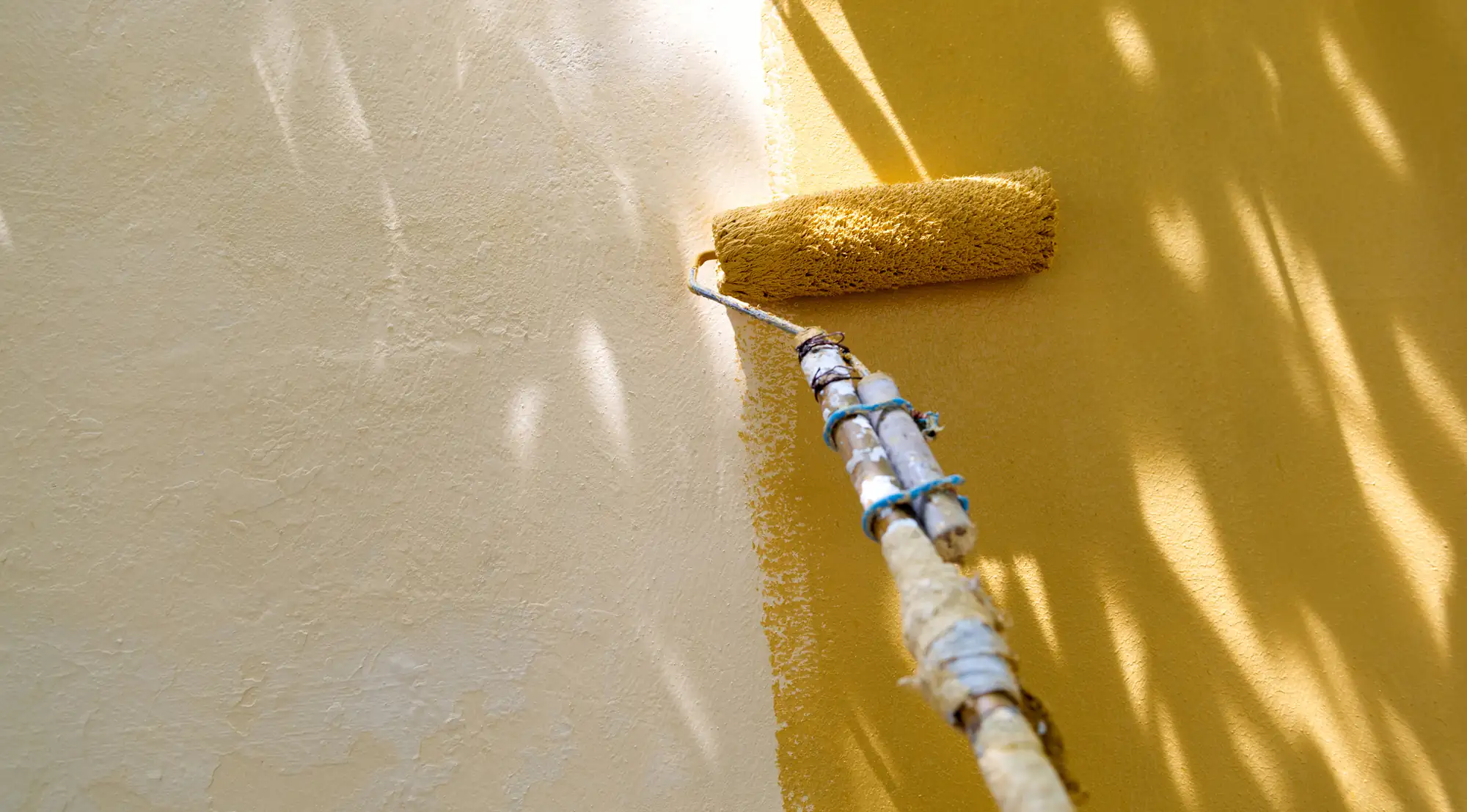
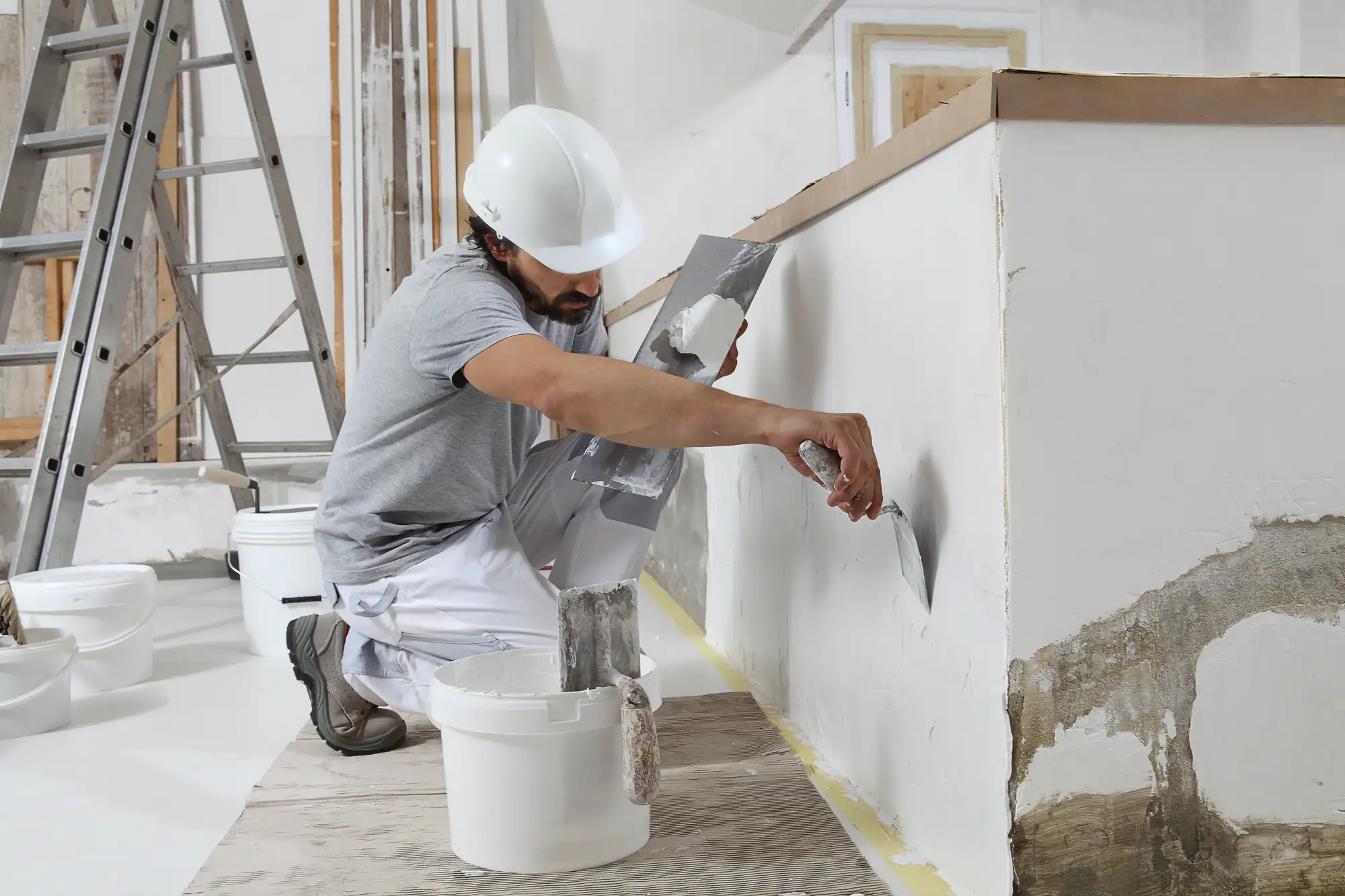
The actual repair starts with removing any damaged or compromised stucco. We don’t patch over failing material. If the substrate is wet or rotted, we address that first. Then we rebuild the stucco system in layers—base coat, reinforcement, finish coat—using materials designed to handle Florida’s humidity and temperature swings.
We clean up completely when we’re done. You’re not left with a mess in your yard or debris sitting around for days. And if something doesn’t look right to you after we’ve finished, we come back. Our work doesn’t end when we pack up the truck.
Ready to get started?
Stucco Repair Services in Daytona Beach
We handle everything from small stucco crack repair to full-section restoration. That includes patching stucco around windows and doors, fixing damage from storm impact, repairing areas where water has caused the stucco to separate or bulge, and addressing dryvit repair for synthetic stucco systems that have failed.
Daytona Beach sits right on the coast, which means your home’s exterior is constantly exposed to salt air and moisture. Stucco that might last 30 years inland can start showing problems in 15 here. We see a lot of homes built in the ’90s and early 2000s that are hitting that point where small maintenance issues are turning into bigger concerns.
The most common problems we’re called out for? Cracks around windows and door frames, water stains near the roofline, and soft or hollow-sounding sections on north-facing walls where moisture doesn’t dry out as quickly. These aren’t cosmetic issues. They’re entry points for water, and in Florida, water damage moves fast.
Our stucco repair cost in Daytona Beach typically runs between $8 and $50 per square foot depending on the extent of damage and what’s required to fix it properly. Minor crack repairs might come in around $600. Larger restoration projects where we’re dealing with moisture damage and substrate issues can reach several thousand. We’ll give you an honest assessment up front so you know what you’re looking at.
How much does stucco repair cost in Daytona Beach, FL?
Most stucco repairs in Daytona Beach fall between $600 and $2,700, but the range depends entirely on what’s actually wrong. A few isolated cracks might cost $250 to $600 if there’s no underlying damage. Extensive repairs involving water intrusion, substrate replacement, and large sections of stucco can run $4,000 to $7,000 or more.
The price per square foot typically ranges from $8 to $50. Simple patching stucco on the lower end, full restoration with moisture remediation on the higher end. If you’re just fixing surface cracks, you’re looking at less. If we’re tearing out rotted sheathing and rebuilding the wall system, it’s more involved.
We don’t give ballpark estimates over the phone because stucco problems are rarely what they look like from the curb. We need to see it, touch it, and check for hidden moisture before we can tell you what it’ll actually take to fix it right.
What causes stucco cracks in Florida homes?
Florida’s climate is brutal on stucco. You’ve got expansion and contraction from temperature swings, constant humidity, heavy seasonal rains, and occasional hurricane-force winds. All of that puts stress on your exterior.
Most cracks start at weak points—around windows, doors, and anywhere two different materials meet. The stucco expands and contracts at a different rate than the window frame, and over time, that movement creates separation. Add water to the equation, and those small cracks widen. Once moisture gets behind the stucco, it doesn’t dry out easily in Florida’s humid climate, so the damage accelerates.
Settling and foundation movement also cause cracks, especially in homes built on sandy soil near the coast. Daytona Beach has plenty of that. If your foundation shifts even slightly, it can create stress fractures in the stucco above. The key is catching these early, before water turns a cosmetic crack into a structural problem.
How do I know if my stucco has water damage?
Water damage behind stucco doesn’t always announce itself. By the time you see obvious staining or bulging, it’s been happening for a while. But there are earlier signs if you know what to look for.
Check for soft spots. Press gently on your stucco in areas that stay shaded or don’t get much sun—north-facing walls, under eaves, around AC units. If it feels spongy or gives under pressure, there’s likely moisture trapped behind it. Also look for discoloration, especially dark streaks or greenish stains. That’s mold or mildew, and it means water is present.
Cracks that seem to be growing, stucco that sounds hollow when you tap it, or areas where the finish coat is flaking off are all red flags. In Daytona Beach, we also see a lot of damage around windows and doors where the flashing wasn’t installed correctly or has deteriorated. If you’ve got any of these signs, it’s worth having someone take a closer look before the problem spreads.
Can I just patch stucco cracks myself?
You can patch surface cracks yourself if they’re truly superficial and there’s no moisture issue. Small hairline cracks that haven’t widened and aren’t near windows or rooflines can sometimes be filled with a quality stucco patch compound. But here’s the problem—most cracks aren’t just cosmetic.
If there’s any water getting behind that crack, patching over it just hides the issue temporarily. The moisture keeps working behind the surface, the crack reopens, and now you’ve also got trapped water causing more damage. Florida’s humidity makes this worse because water doesn’t evaporate quickly once it’s behind your stucco.
The bigger issue is knowing whether the crack is a symptom of something else—foundation movement, missing flashing, failed waterproofing. If you patch a crack that’s being caused by an underlying structural issue, you’re going to be patching it again in six months. We’ve redone a lot of DIY repairs where the homeowner spent money and time on a fix that didn’t address the real problem.
How long does stucco repair take?
Simple crack repairs can be done in a day, sometimes less if we’re just addressing a few isolated spots. You’re looking at a few hours for us to prep, apply the repair, and clean up.
Larger projects take longer because stucco needs time to cure between coats. If we’re doing a full section replacement or dealing with water damage, we might need two to four days depending on the size of the area. That includes removing damaged material, letting any wet substrate dry out if necessary, applying the base coat, adding reinforcement mesh, and then finishing with the texture coat that matches your existing stucco.
Weather affects the timeline too. We can’t apply stucco in the rain, and we need reasonable temperatures for proper curing. In Daytona Beach, summer afternoon storms sometimes mean we’re working in the morning and wrapping up before the weather rolls in. We’ll give you a realistic timeline up front and keep you updated if anything changes.
Do you repair dryvit and synthetic stucco systems?
Yes. Dryvit and other EIFS (Exterior Insulation and Finish Systems) require a different repair approach than traditional hard coat stucco, but we handle both. Synthetic stucco is more flexible, which can be good for preventing cracks, but it’s also more vulnerable to water intrusion if it’s not detailed correctly.
The most common dryvit repair issues we see in Daytona Beach involve failed sealant joints, damaged areas around windows and doors, and sections where the finish coat has been punctured or torn. Because EIFS relies on a continuous moisture barrier, even small penetrations can let water into the foam insulation layer, and once it’s in there, it doesn’t dry out.
We start by identifying where water is getting in, then remove and replace the damaged sections. That includes cutting out wet insulation, making sure the substrate is dry and sound, and rebuilding the system with proper flashing and sealant details. The repair has to be done right or you’ll have the same problem again next year.
Other Services we provide in Daytona Beach