Stucco Repair in Orlando, FL
Stop Small Cracks Before They Become Big Problems
Hear from Our Customers
Orlando Stucco Repair Contractors
You’re not just patching stucco for looks. You’re stopping water before it gets behind your walls. In Central Florida, that crack you’ve been ignoring isn’t staying small—our humidity finds it, our afternoon storms feed it, and eventually you’re looking at mold, rot, or worse.
When stucco repair is done right, you get a watertight seal that holds up against our climate. Your exterior stops deteriorating. Your energy bills don’t spike from air leaks. And if you ever sell, buyers don’t walk away after the inspection.
The difference isn’t the patch itself. It’s whether the contractor knows how to prep the surface, match your texture, and use materials that can handle Florida weather. Most can’t. We’ve been doing this for over 20 years in Orlando, so we can.
Stucco Repair Near Me Orlando
CF Stucco and Painting has spent two decades working on homes across Orange, Seminole, Osceola, and Volusia counties. We’ve seen what happens to stucco in Poinciana’s humidity, how it cracks in Winter Garden’s clay soil, and why so many 1990s homes in Kissimmee are dealing with moisture issues right now.
We’re not the cheapest option—and that’s actually a good thing for you. You’re hiring people who show up on time, communicate clearly, and don’t leave your yard looking like a disaster. We give you a realistic timeline before we start, and we don’t disappear halfway through the job.
Our work is backed by a 4.6 rating across 145 reviews, with a perfect 5.0 on Google. That doesn’t happen by accident.
How to Fix Stucco Cracks
First, we inspect the damage to see if it’s just surface-level or if there’s something going on behind the stucco. A lot of contractors skip this. We don’t, because patching over a moisture problem just hides it for six months until it comes back worse.
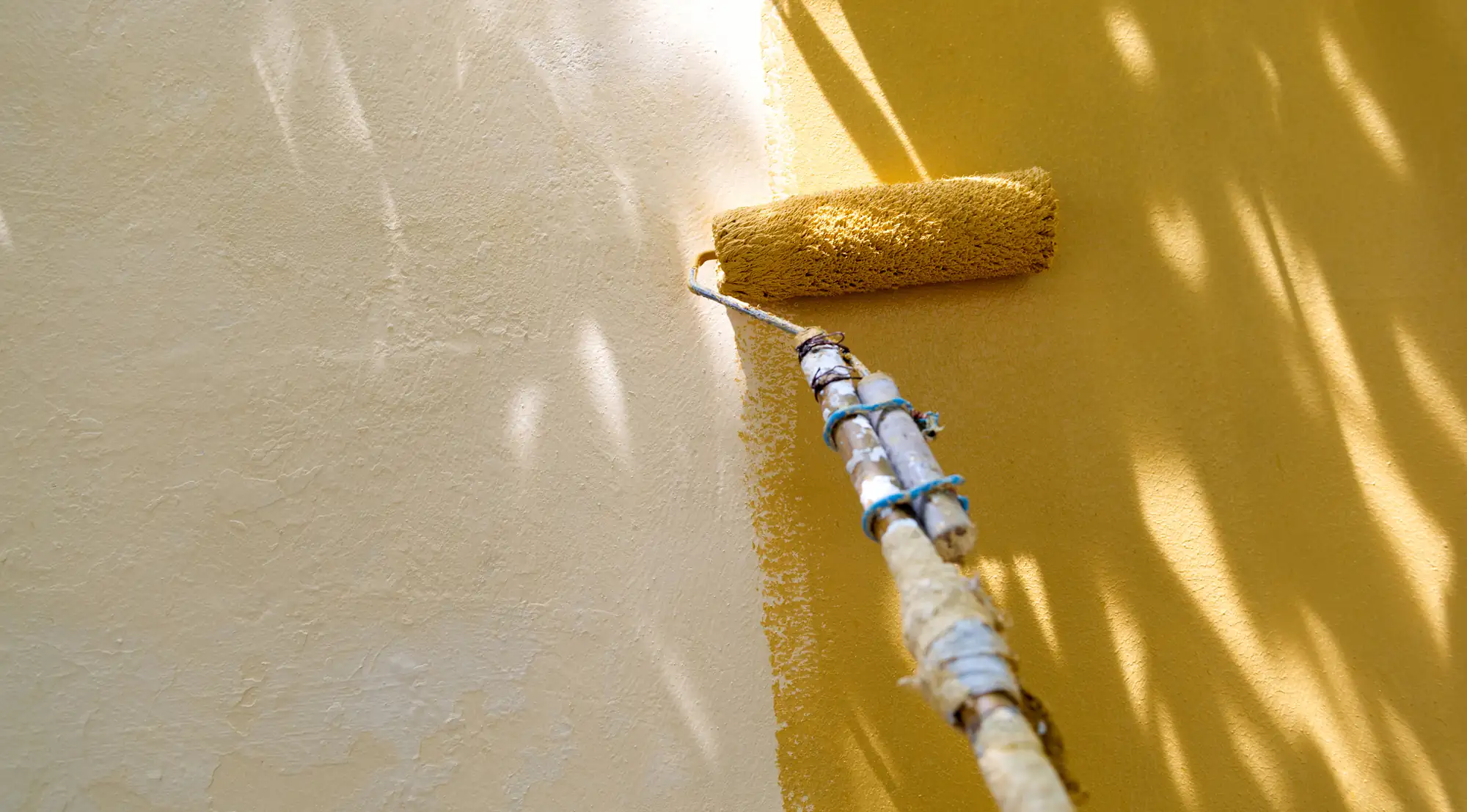
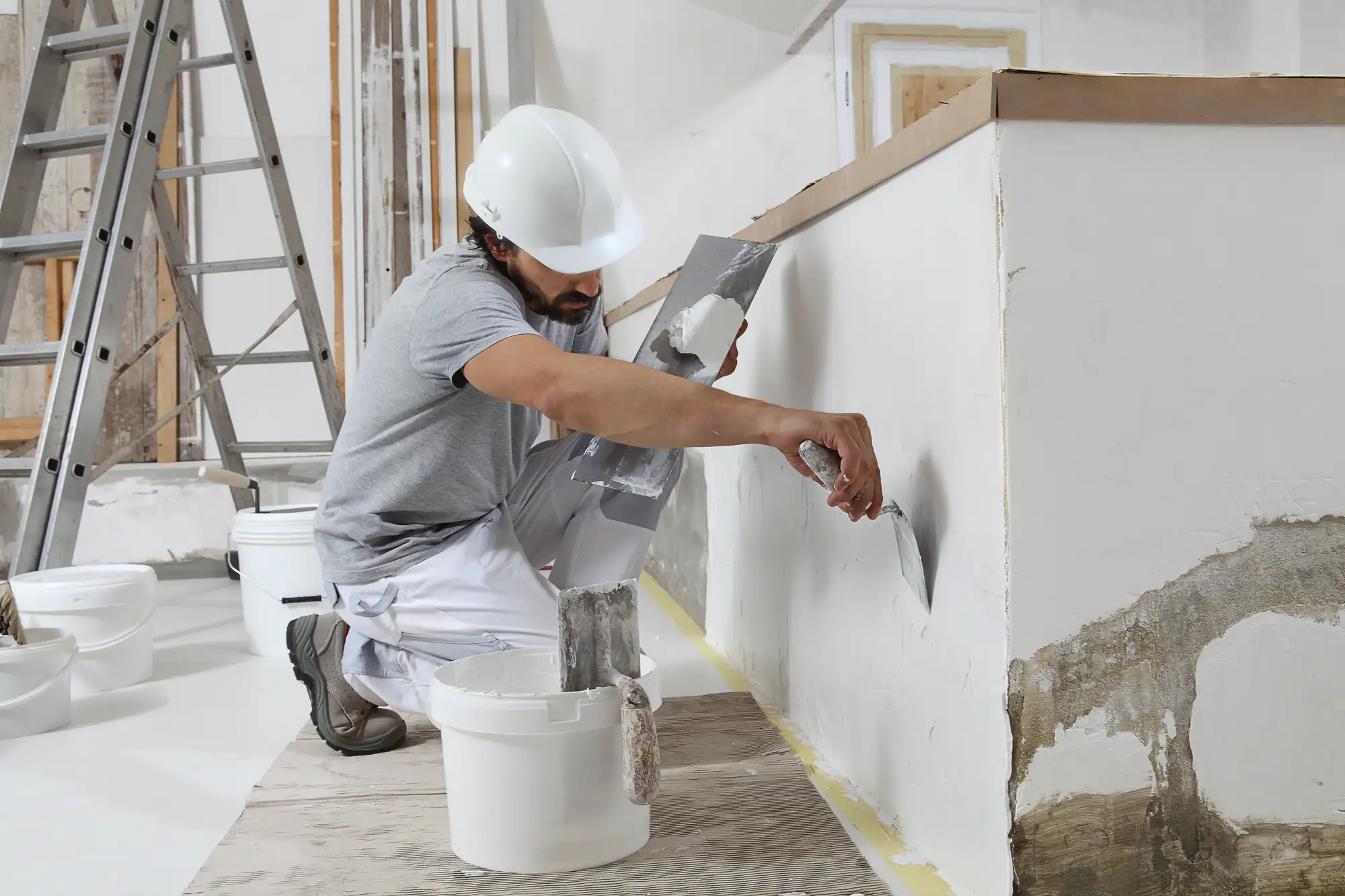
Once we know what we’re dealing with, we remove any loose or damaged material and clean the area down to solid stucco. If there’s water damage to the underlayment or sheathing, we address that before moving forward. Then we apply new stucco in layers, matching your existing texture and color so the repair blends in.
The final step is sealing and waterproofing. This is where most DIY jobs and cheap contractors fail—they skip the prep or use the wrong products for Florida’s climate. We don’t. You get a repair that lasts, not one that cracks again next summer.
If you need it done fast, we can usually get to you next day. If it’s a bigger job, we’ll walk you through timing up front so you know what to expect.
Ready to get started?
Stucco Repair Cost Orlando
Stucco repair cost in Orlando typically runs between $8 and $50 per square foot, depending on the extent of the damage. Small crack repairs might cost you $300 to $500. Larger jobs involving water damage, re-texturing, or structural work can run $1,500 or more. We’ll give you a clear estimate before we start so there’s no confusion.
What drives the price isn’t just labor—it’s whether the job is done right. Cheap repairs use basic patching compound that shrinks and cracks within a year. We use climate-appropriate materials that expand and contract with Florida’s temperature swings. That costs more up front, but it saves you from paying twice.
You’re also paying for proper surface prep, which takes time. And for someone who knows the difference between a hairline crack and a sign of foundation movement. Most homeowners can’t tell. We can. And that changes the whole approach.
We also handle dryvit repair for synthetic stucco systems, which are common in Orlando-area homes built in the 1990s. Those systems are notorious for trapping moisture if they weren’t installed correctly. Fixing them requires a different process than traditional stucco, and not every contractor knows how to do it.
How do I know if my stucco crack is serious or just cosmetic?
Hairline cracks under 1/8 inch are usually cosmetic, caused by normal settling or temperature changes. They’re not an emergency, but they should still be sealed to prevent water from getting in.
Wider cracks—especially ones that run diagonally, stair-step along mortar lines, or appear near windows and doors—can indicate foundation movement, water damage, or structural issues. If you can fit a credit card into the crack, it’s worth having someone look at it.
In Florida, even small cracks turn into bigger problems because our humidity accelerates deterioration. Water gets in, sits behind the stucco, and creates the perfect environment for mold and rot. So while the crack itself might seem minor, the damage it causes over time isn’t. If you’re not sure, get it inspected. We’ll do that for free.
What causes stucco to crack in Central Florida homes?
The biggest culprit is moisture. Florida’s humidity, combined with afternoon thunderstorms and poor drainage, puts constant pressure on stucco. When water gets trapped behind it, the material expands and contracts, which leads to cracking and delamination.
Foundation settling is another common cause, especially in areas with clay soil like parts of Orange and Seminole counties. As the ground shifts, it pulls on the stucco, creating stress cracks. You’ll usually see these near corners, windows, or where the wall meets the foundation.
Improper installation is also a factor. A lot of homes built in the 1990s and early 2000s were done quickly, and contractors cut corners on moisture barriers or didn’t apply stucco in the right conditions. Those homes are the ones dealing with the most problems now. If your stucco wasn’t sealed correctly or the underlayment wasn’t installed right, cracks are inevitable.
Can I just patch stucco cracks myself or do I need a contractor?
You can patch small hairline cracks yourself if you’re comfortable with basic home repairs and you use the right materials. The key is surface prep—if you don’t clean out loose debris and prime the area, your patch won’t bond and it’ll crack again in a few months.
For anything larger than a quarter-inch, or if the crack keeps coming back, you need a professional. DIY repairs don’t address what’s causing the crack, so you end up patching the same spot over and over. We can tell you if it’s a drainage issue, a foundation problem, or failed waterproofing.
In Florida, the bigger risk is missing hidden water damage. If moisture has been getting behind your stucco, you might have mold or rotted sheathing that you can’t see from the outside. Patching over that doesn’t fix it—it just hides it until the problem gets worse. If you’re not sure what you’re dealing with, it’s worth the cost of an inspection to avoid a much bigger repair bill later.
How long does a professional stucco repair last in Florida's climate?
A properly done stucco repair should last 10 to 15 years or more, even with Florida’s humidity and weather. The lifespan depends on the quality of materials, how well the surface was prepped, and whether the underlying cause of the damage was addressed.
If the repair was just a cosmetic patch without fixing drainage or sealing issues, you’ll see problems again within a year or two. That’s why cheap repairs end up costing more—you’re paying for the same work multiple times.
The materials matter too. Standard patching compounds shrink and crack in Florida’s heat. Climate-specific stucco mixtures are designed to handle expansion and contraction, which makes them far more durable. Waterproofing and proper sealing are just as important. Without that, moisture will get back in and you’re right back where you started.
How much does it cost to repair stucco on a typical Orlando home?
For minor crack repairs on a typical single-family home, expect to pay between $300 and $800. That covers small patches, surface prep, color matching, and sealing. If you’re dealing with multiple cracks or larger damaged areas, costs can range from $1,500 to $3,000 depending on square footage.
Major repairs involving water damage, sheathing replacement, or full wall sections can run $5,000 or more. The price jumps when you’re not just fixing stucco but also addressing rot, mold remediation, or structural issues underneath.
We charge by the square foot, typically $8 to $15 for minor work and $40 to $50 for extensive repairs. We’ll give you a written estimate that breaks down materials, labor, and what’s included. Every job is different, and we take the time to assess it correctly before quoting you.
What's the difference between fixing regular stucco and dryvit or synthetic stucco?
Traditional stucco is a cement-based material applied in layers over wire lath. It’s durable, breathable, and handles Florida weather well when installed correctly. Repairs involve chipping out damaged areas, applying new stucco, and blending the texture.
Dryvit and other synthetic stucco systems use foam insulation boards covered with a thin acrylic finish. They were popular in the 1990s but have a reputation for trapping moisture if not installed with proper drainage and sealing. Repairing synthetic stucco requires different materials and techniques—you can’t just use regular stucco mix.
The key difference is how each system handles water. Traditional stucco is more forgiving because it’s porous and allows some moisture to escape. Synthetic systems rely entirely on perfect sealing and drainage, so any failure in the barrier leads to serious water damage behind the walls. If you have a synthetic stucco home in Orlando and you’re seeing cracks or soft spots, get it inspected sooner rather than later. The damage spreads fast once water gets in.
Other Services we provide in Orlando