
Stucco Repair in St. Cloud, FL
Stop Small Cracks Before They Become Expensive Problems
Hear from Our Customers
Professional Stucco Repair Contractors St. Cloud
A hairline crack in your stucco isn’t just cosmetic. In St. Cloud’s humid climate, that crack is an open door for moisture to work its way behind your exterior, into your sheathing, and eventually into your home’s structure.
The difference between a $300 patch job and a $15,000 remediation project often comes down to timing. When you catch stucco damage early and fix it correctly, you’re not just repairing the surface. You’re preventing mold growth, protecting your insulation, and keeping water out of places it has no business being.
Most stucco problems in Central Florida start small. A crack near a window. A soft spot after a heavy rain. Discoloration that looks like dirt but won’t wash off. These are signs that water is already doing damage you can’t see yet. The longer you wait, the more expensive the fix becomes.
Trusted Stucco Repair Near Me St. Cloud
We’ve been repairing stucco across Central Florida for over 20 years. Our owner spent most of his career with a leading national foundation repair company, working directly with engineers on structural projects. That background means we don’t just patch cracks—we understand what’s happening behind your walls.
St. Cloud homes face specific challenges. The combination of afternoon thunderstorms, year-round humidity, and homes built during the 1990s and 2000s construction boom creates a perfect environment for stucco problems. We’ve seen what happens when repairs are done wrong, and we’ve spent two decades learning how to do them right.
Our team covers the entire Central Florida region, from Orlando to Daytona Beach. We’re one of the few stucco contractors with both the service area and the expertise to handle everything from small crack repairs to full exterior remediation.
Our Stucco Crack Repair Process
First, we inspect the damaged area to figure out what’s actually wrong. Not just the crack you can see, but what caused it. Is it settling? Water damage? Poor installation from years ago? The cause determines the fix.
Once we know what we’re dealing with, we give you a clear estimate. No surprises, no upselling. Just the work that needs to happen and what it costs. If you’re dealing with a simple surface crack, we’ll tell you. If there’s water damage behind the stucco that needs addressing first, we’ll tell you that too.
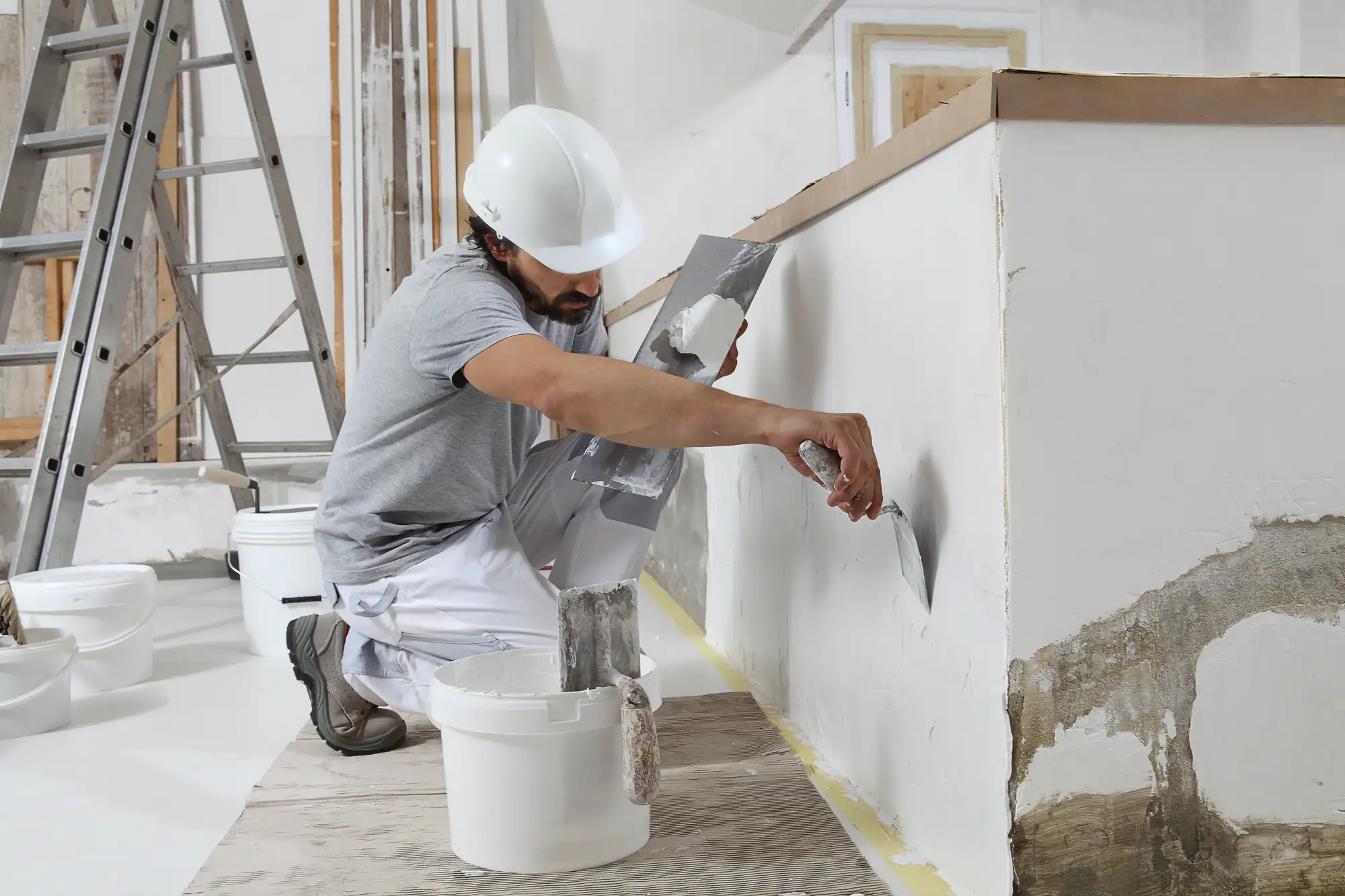
The repair itself depends on the damage. Small cracks get cleaned, filled, and sealed with materials designed for Florida’s climate. Larger repairs might mean removing damaged stucco, addressing any moisture issues or sheathing damage, then installing new stucco that matches your existing exterior. We don’t leave until the repair is solid and the finish matches.
After the work is done, we walk you through what we did and what to watch for going forward. Most stucco repairs, when done correctly, last for years without issues.
Ready to get started?
Stucco Services for St. Cloud Homes
Stucco repair in St. Cloud isn’t one-size-fits-all. Homes built in the late 90s and early 2000s often have different stucco systems than newer construction. Some use traditional three-coat stucco, others use EIFS (Exterior Insulation and Finish System, sometimes called Dryvit). The repair approach changes based on what’s on your house.
For traditional stucco, we handle everything from patching small cracks to replacing entire sections damaged by water intrusion. If moisture has compromised the layers beneath, we address that first. There’s no point in covering up a problem that will just come back in six months.
EIFS and synthetic stucco systems require different techniques. These systems are more vulnerable to water damage if not properly sealed, which is common in Central Florida’s climate. We repair damaged sections, reseal seams and penetrations, and make sure water can’t get behind the foam insulation layer.
The cost of stucco repair in Florida typically runs between $8 and $15 per square foot for standard repairs. Smaller jobs like fixing hairline cracks might cost $4 to $6 per square foot. Extensive water damage repairs can run higher, especially if sheathing replacement is involved. We give you the real numbers upfront, so there’s no confusion about what you’re paying for.
How do I know if my stucco damage is serious or just cosmetic?
The easiest test is the tap test. Gently tap around the damaged area with your knuckles. Solid stucco sounds firm and consistent. If you hear a hollow sound or the area feels soft or spongy, there’s likely moisture damage or separation behind the surface.
Look for other warning signs too. Staining that won’t wash off usually means water is coming through from behind. Bulging or bowing sections indicate the stucco has separated from the wall. Cracks wider than a quarter-inch or cracks that run in a stair-step pattern along mortar joints often point to structural movement or settling.
In St. Cloud’s climate, even small cracks can become serious fast. Our humid conditions mean moisture doesn’t just sit on the surface—it works its way into every opening it can find. What looks like a minor cosmetic issue in January can turn into a major water intrusion problem by August. If you’re not sure, it’s worth having someone look at it. A quick inspection now can save you thousands later.
What causes stucco to crack in the first place?
Most stucco cracks in Central Florida come from three main causes: settling, moisture, and poor installation. Settling happens naturally as your home ages. The ground shifts slightly, the foundation moves a fraction of an inch, and that movement transfers to your exterior walls. This is especially common in homes built on Florida’s sandy soil.
Moisture causes problems when water gets trapped behind the stucco. This can happen from roof leaks, poorly sealed windows, or missing weep screeds at the bottom of walls. Once water is behind the stucco, it can’t dry out properly in our humid climate. The constant wet-dry cycle causes the stucco to separate from the wall and crack.
Poor installation is harder to spot but incredibly common in homes built during Florida’s construction booms. Stucco applied too quickly, improper mixing ratios, missing expansion joints, or inadequate curing time all lead to premature cracking. These installation issues might not show up for 5-10 years, which is why many St. Cloud homeowners are just now seeing problems in homes built in the 2000s.
How much does it typically cost to fix stucco cracks?
For basic crack repair—hairline cracks with no underlying damage—expect to pay around $4 to $6 per square foot. A typical small repair covering 10-20 square feet might run $80 to $120. These repairs involve cleaning the crack, filling it with appropriate materials, and blending the finish to match your existing stucco.
Standard stucco repairs that involve removing damaged sections and reapplying new stucco typically cost $8 to $15 per square foot in the St. Cloud area. A moderate repair covering 50 square feet would run roughly $400 to $750. This includes proper surface prep, base coat application, and finish coat that matches your home’s texture.
Extensive repairs involving water damage, sheathing replacement, or large sections of stucco removal can run $10 to $65 per square foot depending on the scope. If water has damaged the wood sheathing or framing behind your stucco, those structural repairs need to happen before any stucco work begins. A major repair project might cost $2,000 to $5,000 or more. The wide range comes down to how much damage exists behind what you can see. This is why early detection matters—a $200 crack repair today can prevent a $4,000 water damage repair next year.
Can I just patch stucco cracks myself or do I need a professional?
You can patch small, surface-level cracks yourself if you’re comfortable with the work and the crack is clearly just cosmetic. Hardware stores sell stucco patch compounds that work fine for tiny hairline cracks with no underlying issues. The challenge is matching the texture and color of your existing stucco, which is harder than it looks.
The bigger question is whether you should. If there’s any chance the crack indicates a larger problem—moisture intrusion, settling, or hidden damage—a DIY patch just covers up the issue temporarily. In Florida’s climate, moisture problems don’t fix themselves. They get worse. A patch that doesn’t address the root cause will fail within months, and you’ll have wasted time and money.
We know what to look for beyond the visible crack. We check for moisture damage, test for soft spots, look at the overall condition of your stucco system, and identify whether the crack is a symptom of something bigger. For anything more than a truly minor surface crack, professional repair is the smarter move. The cost difference between a proper repair and a failed DIY attempt that leads to bigger damage is significant.
How long does stucco repair take from start to finish?
Simple crack repairs can often be completed in a single day. We show up, prep the area, make the repair, and clean up. The patched area needs time to cure properly—usually 24 to 48 hours—before it’s fully hardened, but the actual work is quick.
Moderate repairs involving larger sections of damaged stucco typically take 2-3 days. The first day involves removing damaged material and prepping the surface. The second day is applying base coats. The third day is finish work and blending. Stucco needs proper curing time between coats, so rushing the process leads to poor results.
Extensive repairs that involve water damage remediation or structural work take longer. If we need to replace sheathing, address moisture issues, or repair large sections of your exterior, the project might take a week or more. The timeline depends on the scope of damage and weather conditions. Heavy rain can delay exterior work, and stucco needs dry conditions to cure properly. We’ll give you a realistic timeline upfront based on what your specific repair requires.
Will the repaired stucco match the rest of my house?
Matching existing stucco is part skill and part art. We take samples of your current stucco to match the texture, and we blend custom color mixes to match your existing finish as closely as possible. The goal is making the repair invisible, or at least as close to invisible as we can get.
Perfect matches are easier on newer homes where the stucco hasn’t weathered much yet. Older homes with 15-20 years of sun exposure, rain, and dirt accumulation are harder to match exactly. The repaired section will be clean and new, while the surrounding stucco has aged. In these cases, we get as close as possible, and over time, weathering helps blend the repair further.
Texture matching is usually more noticeable than color. Stucco comes in dozens of textures—smooth, sand finish, cat face, Spanish lace, and many others. We replicate your texture using the same techniques and tools that created the original finish. On larger repairs, we sometimes blend the edges by feathering the texture into the existing stucco, which helps hide the transition line. The result should be a repair that doesn’t draw attention unless you’re specifically looking for it.
Other Services we provide in St. Cloud