Waterproofing in Orlando, FL
Stop Water Damage Before It Starts
Hear from Our Customers
Waterproofing Services in Orlando
You’re not just sealing walls. You’re preventing mold from taking hold within 24 hours of moisture exposure. You’re stopping structural damage that compounds fast—what starts as minor moisture behind a wall becomes deterioration, health risks, and repairs that cost three times what prevention would have.
Florida’s 70-90% humidity levels create constant pressure on your home. Without proper waterproofing, you’re dealing with musty odors, air quality issues, and the kind of damage that tanks property value when it’s time to sell.
The right waterproofing system lasts 10-20+ years in our climate. That’s a decade or more without worrying whether the next afternoon thunderstorm is going to create problems you can’t see until they’re expensive.
Waterproofing Contractors Near Me Orlando
We’ve been protecting homes across Orlando, Kissimmee, Daytona Beach, and Central Florida since before most waterproofing companies understood what Florida’s climate actually demands. We’ve seen what fails here. We know what lasts.
Our 4.6 rating across 145 reviews comes from homeowners who needed straight answers, realistic timelines, and work that holds up when humidity hits 90% and storms roll through daily. We’re not the cheapest option in Orlando—and that’s actually good news for you. You’re getting materials rated for Florida building codes, installation that prevents callbacks, and communication that keeps you informed instead of guessing.
We serve everywhere from Apopka to Melbourne, Sanford to Titusville. If you’re in Central Florida, we understand your home’s specific challenges.
How Waterproofing Works in Orlando
First, we assess where water is getting in or where it’s likely to. That means looking at your foundation, exterior walls, basement areas, and any spots where Florida’s driving rain and ground saturation create vulnerability. We’re checking for existing damage and identifying what needs protection before the next storm season.
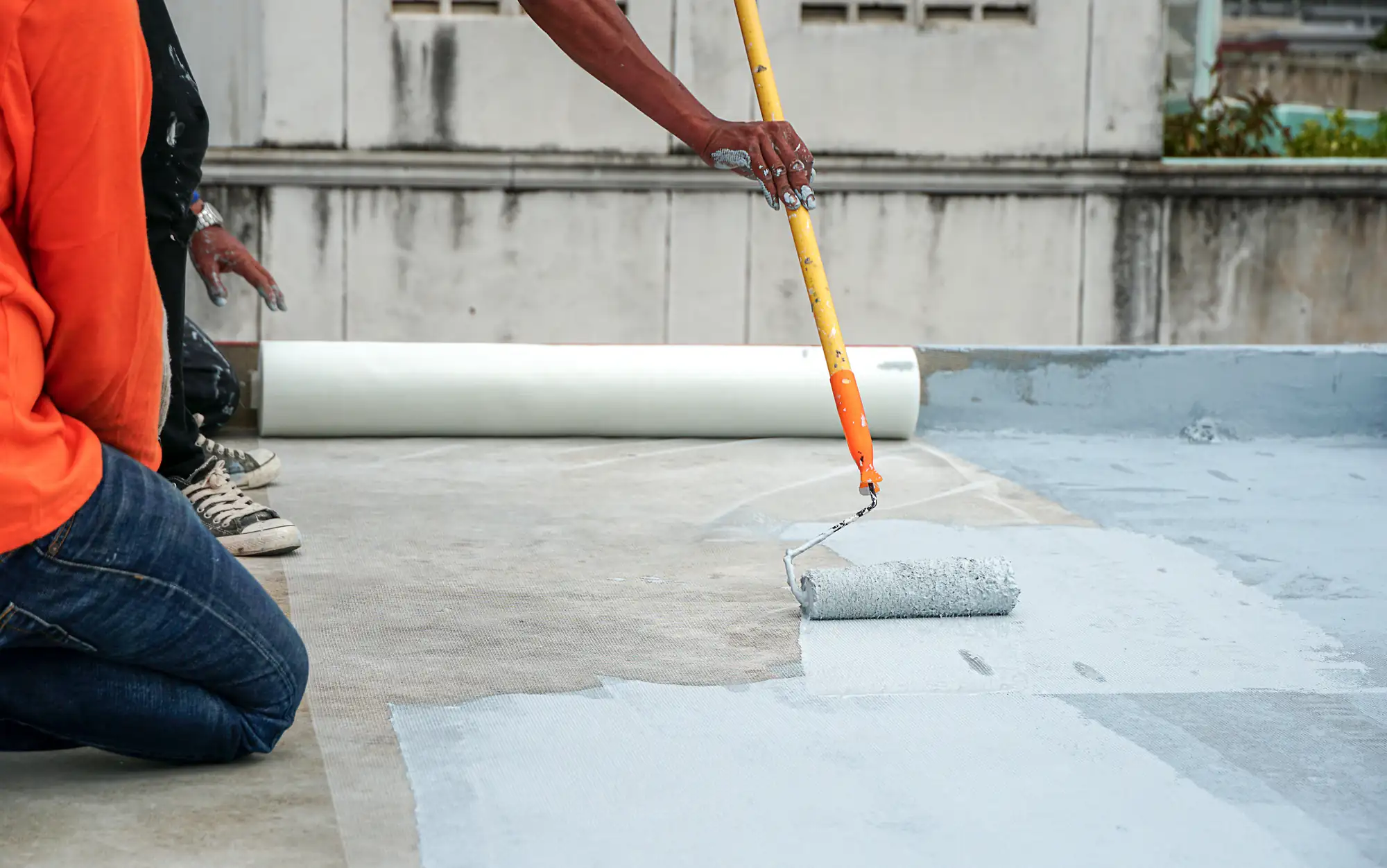
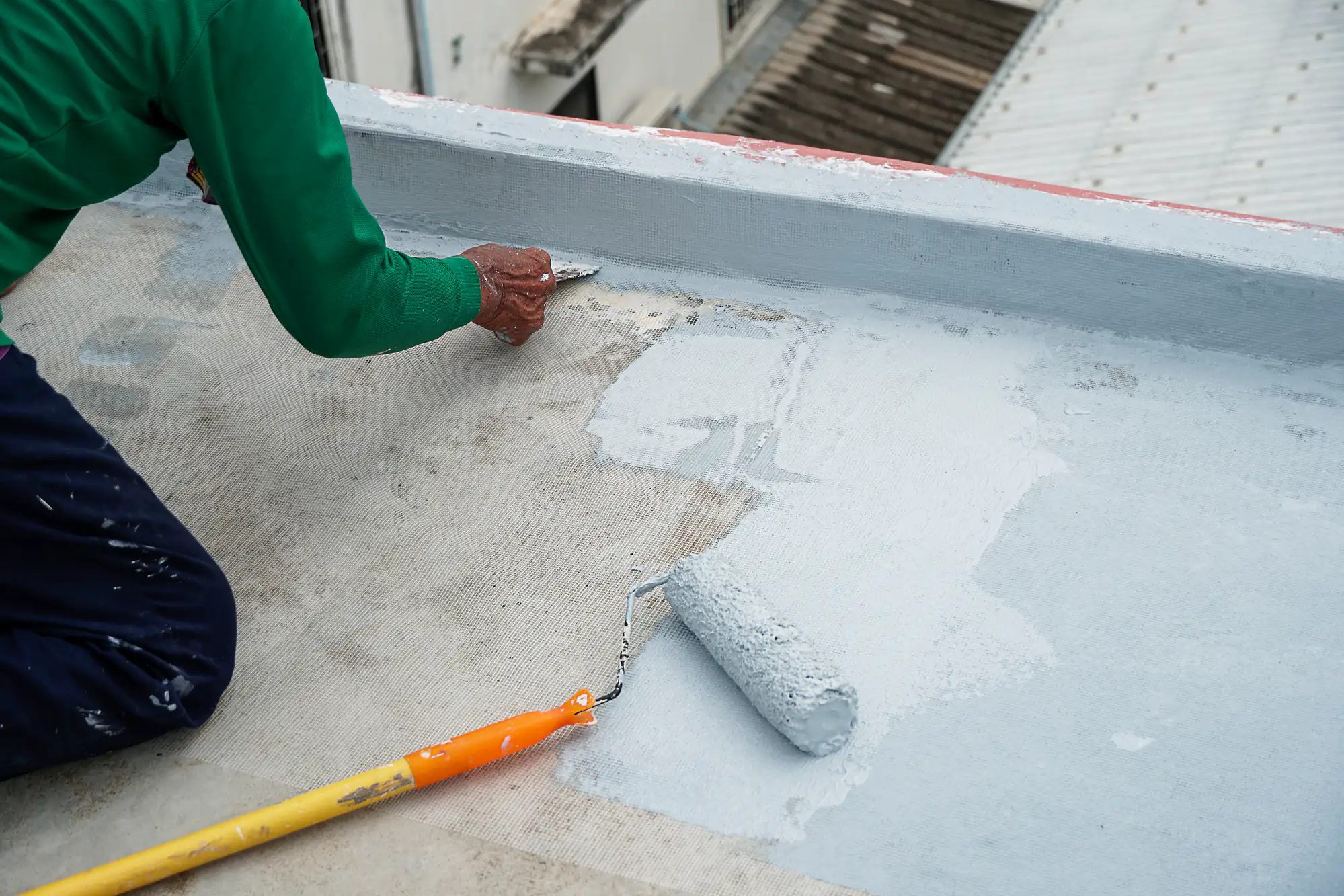
Next comes surface prep. This isn’t optional—waterproofing only works when it bonds properly. We clean, repair cracks, and make sure every surface is ready for the membrane or coating system that fits your home’s construction and your budget.
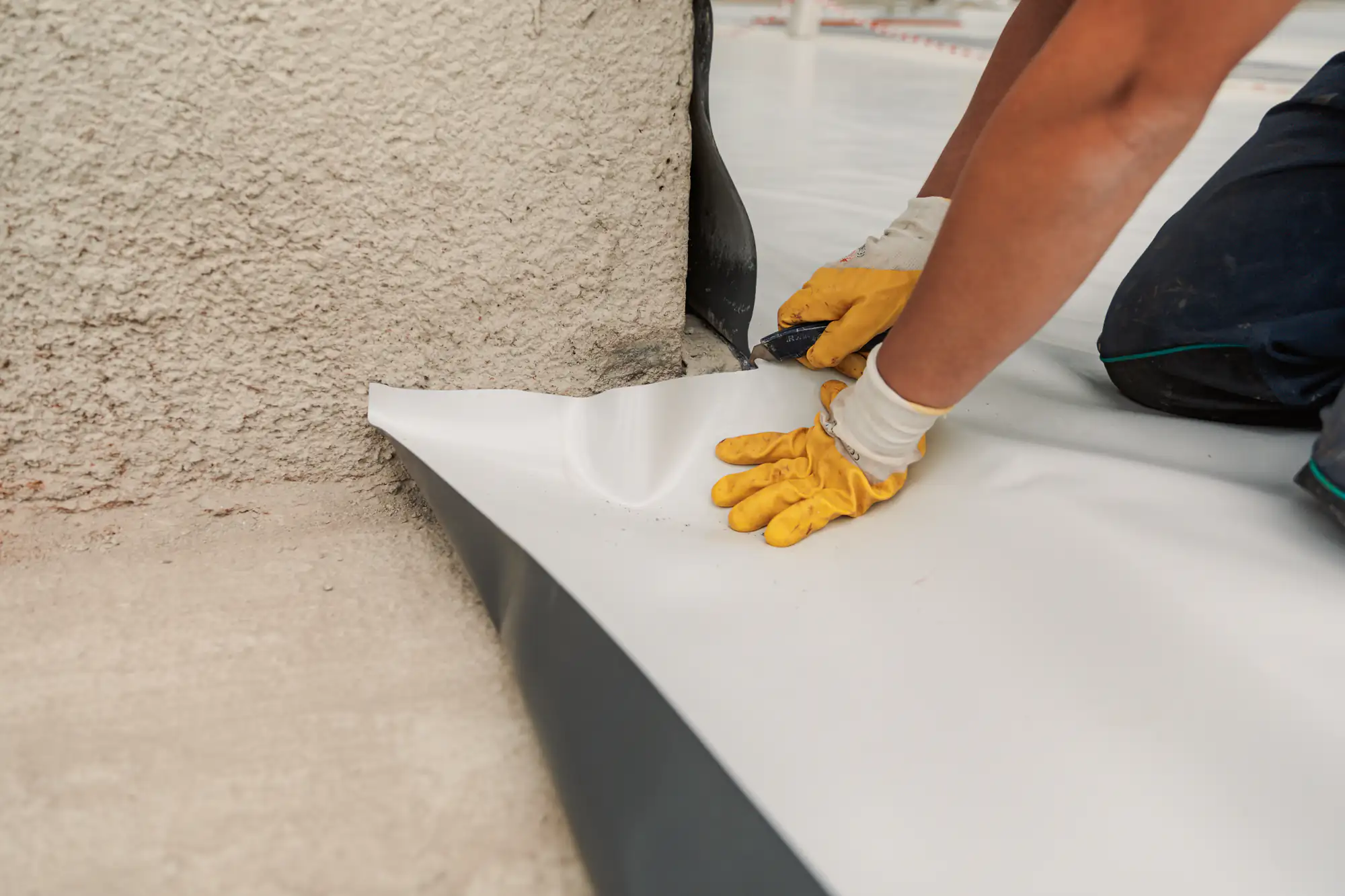
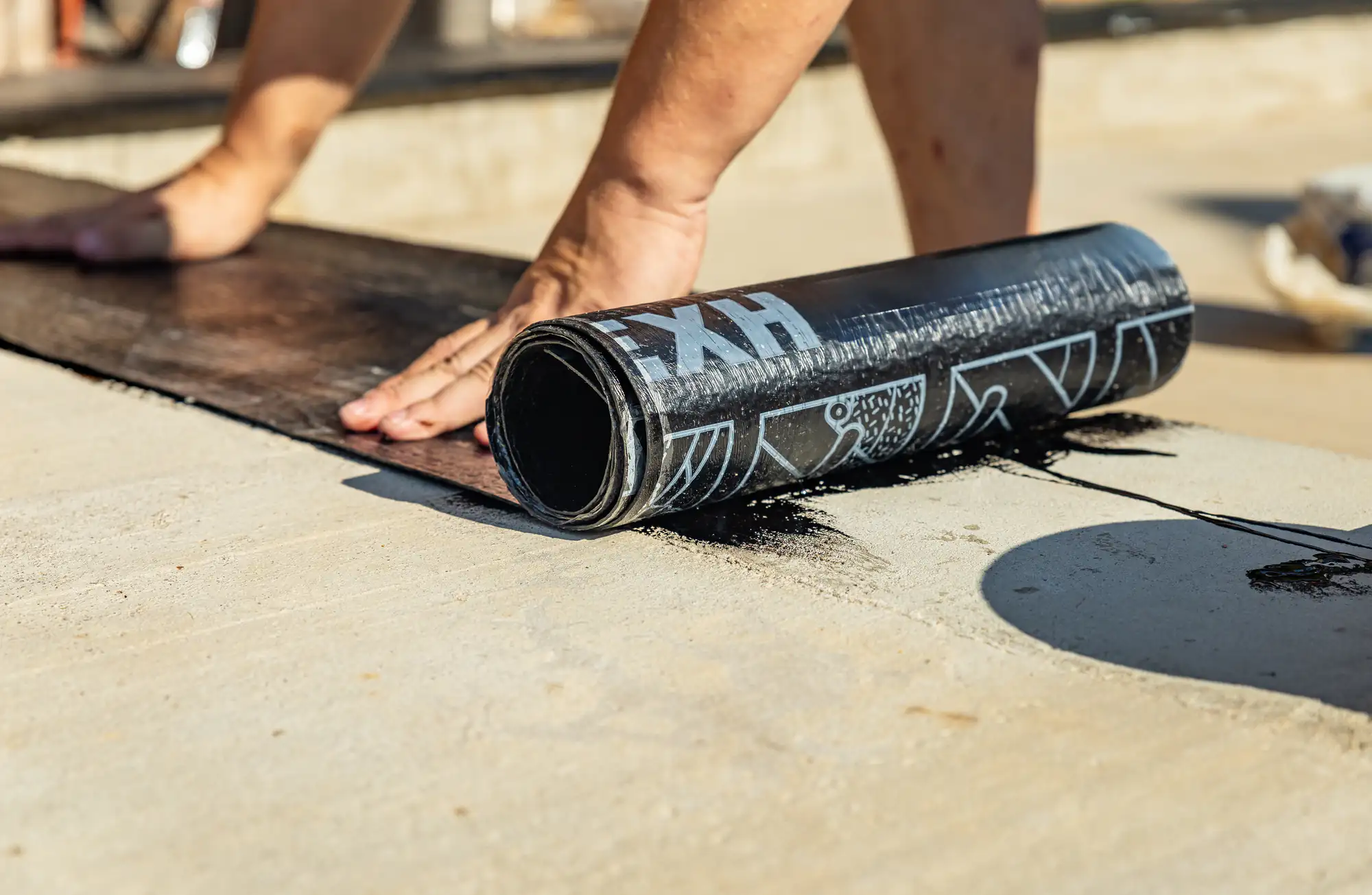
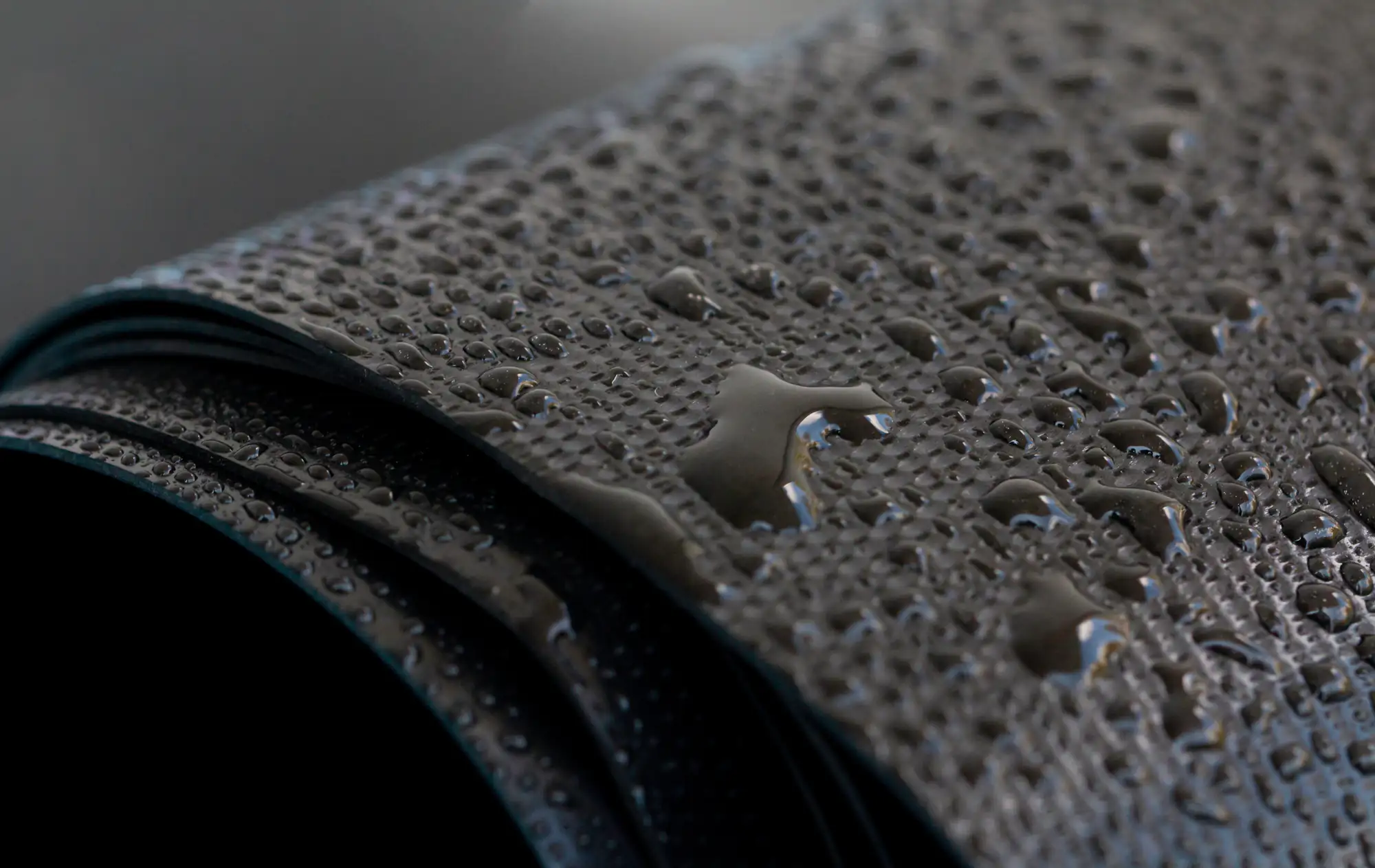
Then we apply the waterproofing system. Depending on your situation, that might be below-grade membranes that last 20+ years, exterior coatings designed for UV exposure, or vapor barriers that meet Florida’s 0.05 perm rating requirements. We’re following building codes because they exist for a reason in a climate this harsh.
Finally, we test and inspect. You get a walkthrough of what we did, why it matters, and what to expect going forward. No surprises, no jargon—just clear information about how your home is now protected.
Ready to get started?
Basement Sealing Cost Orlando
Most Orlando homeowners spend between $4,000 and $6,000 on waterproofing. That range covers foundation work, exterior waterproofing, and basement sealing for typical single-family homes built in the 1990s-2010s. Your actual cost depends on square footage, how much prep work is needed, and which waterproofing system makes sense for your home’s construction.
Here’s what matters more than the upfront number: waterproofing prevents damage that costs exponentially more to fix. Water intrusion leads to mold remediation (often $2,000-$10,000), structural repairs, and insurance claims that may not even get paid. In 2023, Florida ranked in the top 5 states for mold-related claims, and many were disputed or underpaid.
You’re also getting energy efficiency improvements. Proper waterproofing combined with stucco’s thermal mass can reduce cooling costs by 15-25%—that’s $40-$80 monthly during our six-month cooling season. Over a 15-year waterproofing lifespan, that’s real money back in your pocket.
Florida building codes require vapor barriers with specific perm ratings for moisture resistance. We meet those standards because cutting corners in this climate doesn’t just risk callbacks—it risks your home’s structural integrity and your family’s health.
How long does waterproofing last in Florida's humid climate?
Quality waterproofing systems last 10-20+ years in Central Florida, but that range depends entirely on what type of system you’re using and where it’s applied. Below-grade membranes—the ones protecting your foundation from ground moisture—typically last longer because they’re not exposed to UV rays and temperature swings.
Exterior coatings that face direct sun, rain, and humidity will be on the shorter end of that range, usually 10-15 years before they need reapplication. That’s not a failure—it’s just how materials perform when they’re constantly exposed to Florida’s elements.
The key is proper installation. A waterproofing system that isn’t bonded correctly or doesn’t meet Florida’s building code requirements for vapor barriers won’t last half as long, no matter what the product specs say. When we install waterproofing, we’re accounting for the 70-90% humidity levels, the 50+ inches of annual rainfall, and the afternoon storms that test every seal and seam.
What are the signs I need waterproofing before visible damage occurs?
Musty odors are your first warning. If you’re smelling that damp, earthy scent in your basement, crawl space, or even inside walls, moisture is already present. Mold can begin growing within 24-48 hours of water exposure, and once it starts, it spreads through drywall, carpeting, and wood fast.
You might also notice humidity levels that won’t drop even when your AC is running. If your indoor humidity stays above 60% consistently, that’s creating conditions where mold thrives and waterproofing is failing or never existed properly in the first place.
Look for efflorescence—that white, chalky residue on concrete or brick. It means water is moving through your foundation or walls, carrying minerals to the surface. Peeling paint, warping baseboards, or floors that feel slightly soft in spots are all signs that water is getting where it shouldn’t. By the time you see standing water or obvious leaks, you’re past the prevention stage and into damage control. That’s when costs triple.
Do I really need waterproofing if I don't have a basement?
Yes, because waterproofing isn’t just about basements—it’s about protecting any part of your home where moisture can penetrate and cause damage. Most Orlando homes don’t have traditional basements, but you still have foundations, exterior walls, and areas where Florida’s ground saturation and driving rain create problems.
Your foundation is constantly exposed to moisture from below. Central Florida’s high water table and frequent heavy rains mean ground moisture is pushing against your foundation year-round. Without proper waterproofing, that moisture wicks up into your walls, creates humidity issues inside your home, and leads to the same mold and structural problems basement waterproofing prevents.
Exterior walls need protection too, especially if you have stucco. While stucco itself is durable, water can get behind it through cracks or improper installation. Once moisture is trapped between your stucco and your home’s structure, you’re looking at rot, mold, and damage that’s expensive to access and repair. Waterproofing these vulnerable areas before problems start is what keeps your home healthy in a climate this humid.
Will waterproofing help with my mold problem?
Waterproofing prevents the conditions that allow mold to grow, but if you already have mold, you need remediation first. Mold needs moisture to survive—keep humidity below 60% and eliminate water intrusion, and mold can’t establish itself. That’s where waterproofing comes in.
Florida’s warm temperatures and high humidity create perfect conditions for mold growth, especially in poorly ventilated or damp spaces. If your home has existing mold because of water intrusion or humidity issues, sealing the source of moisture is critical. But you can’t just waterproof over active mold and call it fixed—the mold needs to be properly removed first, then waterproofing prevents it from coming back.
Here’s what happens if you skip this step: mold continues spreading behind your new waterproofing, affecting air quality and structural materials you can’t see. When we waterproof a home with previous moisture issues, we’re looking for signs of mold, recommending remediation when needed, and then creating a barrier that keeps your home dry going forward. It’s a sequence, not a single fix.
How does waterproofing affect my home's resale value?
Waterproofing protects your resale value by preventing the kind of damage that kills deals and tanks offers. Water damage, visible mold, musty odors, or any sign of moisture problems will either scare buyers away completely or give them leverage to negotiate your price down significantly.
Home inspections in Florida specifically look for water intrusion and mold. If an inspector finds evidence of moisture damage or inadequate waterproofing, buyers will either walk or demand repairs and price reductions that cost you more than waterproofing would have. Worse, if you’re selling during Florida’s rainy season, any active leaks or humidity issues become immediately obvious.
On the flip side, being able to show that your home has professional waterproofing that meets Florida building codes is a selling point. Buyers in Central Florida know what humidity and storms do to homes—they’re looking for properties that won’t become money pits. Documentation of quality waterproofing, especially if it’s recent and comes with warranty information, gives buyers confidence. That confidence translates to better offers and faster closes.
What's the difference between waterproofing companies near me in Orlando?
The difference comes down to whether a company understands building science or just treats symptoms. A lot of waterproofing contractors will patch visible problems without addressing why water is getting in. That approach might stop one leak, but it doesn’t prevent the next one—and many Orlando facility managers and homeowners end up spending three times their original budget because they hired someone who didn’t solve the root cause.
Look for companies that talk about Florida building codes, vapor barrier perm ratings, and climate-specific installation methods. If a waterproofing company near you can’t explain how they’re accounting for Central Florida’s humidity levels and ground saturation, they’re probably not doing it right.
Experience in this specific climate matters too. Waterproofing systems that work in drier states fail here because they’re not designed for constant moisture exposure. We’ve been operating in Orlando, Kissimmee, and Central Florida for years and have seen what lasts and what fails. We know which materials hold up to UV exposure, which membranes handle ground moisture best, and how to prep surfaces so waterproofing actually bonds. That’s the difference between a fix that lasts 10-20 years and one that needs redoing in five.
Other Services we provide in Orlando