Waterproofing in Pine Hills, FL
Stop Water Damage Before It Costs You Thousands
Hear from Our Customers
Waterproofing Services in Pine Hills
Your home stops fighting moisture and starts repelling it. That’s the difference between reactive repairs and real protection.
In Pine Hills, where humidity sits above 70% most of the year and afternoon storms dump water on your property without warning, your exterior needs more than paint and hope. Proper waterproofing creates a barrier that keeps moisture out of your walls, away from your foundation, and off your repair budget.
You’re not just avoiding mold. You’re preventing the kind of structural damage that shows up as cracks in your drywall, sagging floors, or that musty smell that won’t go away no matter how much you clean. When water gets into your walls, it doesn’t just sit there—it spreads, it weakens framing, it creates conditions for mold growth that affects your family’s health.
Effective waterproofing means your insulation stays dry and functional. Your HVAC system doesn’t work overtime trying to cool a moisture-saturated house. Your foundation stays stable instead of shifting under hydrostatic pressure. And when the next hurricane season rolls through Central Florida, your home is ready.
Waterproofing Contractors Near Pine Hills
We’ve been waterproofing homes across Pine Hills and Central Florida since 2003. We’ve seen what Florida’s climate does to properties that aren’t properly protected, and we’ve spent two decades learning how to stop it.
We’re not a franchise following a corporate manual. We’re a local team that understands Pine Hills’ older housing stock, the drainage issues common in this area, and how Florida building codes have evolved to address our unique moisture challenges. That knowledge matters when you’re sealing a home that was built in the 1990s with different standards than what we know works today.
Our approach is straightforward: assess what’s actually happening with your property, explain what needs to happen to fix it, and complete the work without surprises. No upselling services you don’t need. No disappearing after the deposit clears. Just clear communication and waterproofing that holds up to Central Florida weather.
How Waterproofing Works in Pine Hills
First, we come out to look at your property. Not a sales pitch—an actual assessment. We’re checking where water is getting in, where it’s likely to get in, and what’s causing the problem. Sometimes it’s obvious. Sometimes it takes experience to spot the real issue.
We’ll show you what we found and explain what needs to happen. If you’ve got foundation cracks letting groundwater seep into your crawlspace, we’ll tell you. If your stucco needs resealing because the previous waterproofing has failed, you’ll know exactly why. We give you a written estimate that breaks down the work and the cost—no vague line items or surprise fees later.
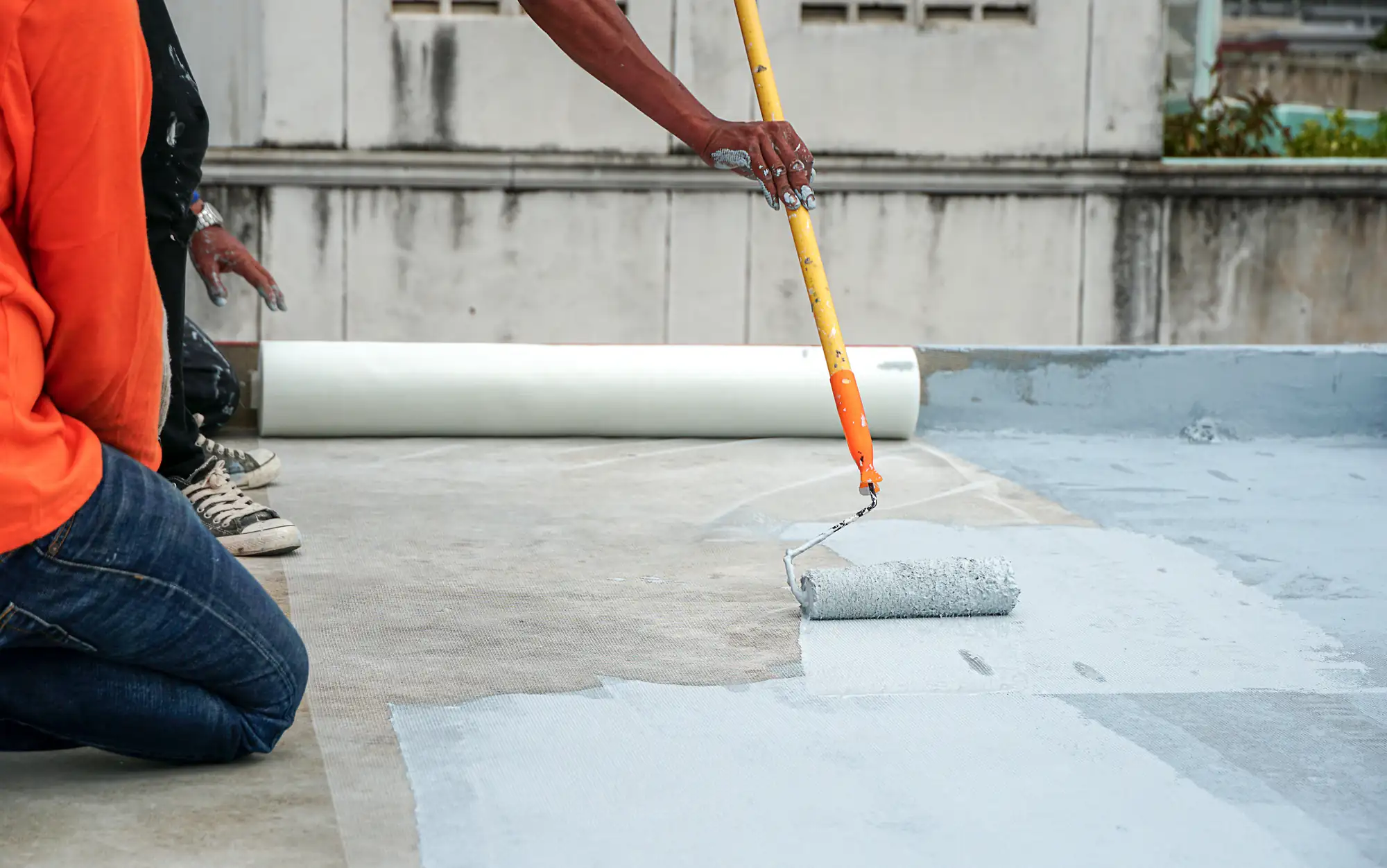
Once you approve the work, we schedule it and show up when we say we will. Our crew preps the area, completes the waterproofing application using materials rated for Florida’s climate, and cleans up the site before we leave. You’re not dealing with a mess or half-finished work.
After the job, you’ve got waterproofing that’s designed to last. We’re not using bargain products that fail in two years. The materials we apply are built to handle UV exposure, temperature swings, and the constant moisture pressure that comes with living in Central Florida.
Ready to get started?
Professional Waterproofing Companies in Pine Hills
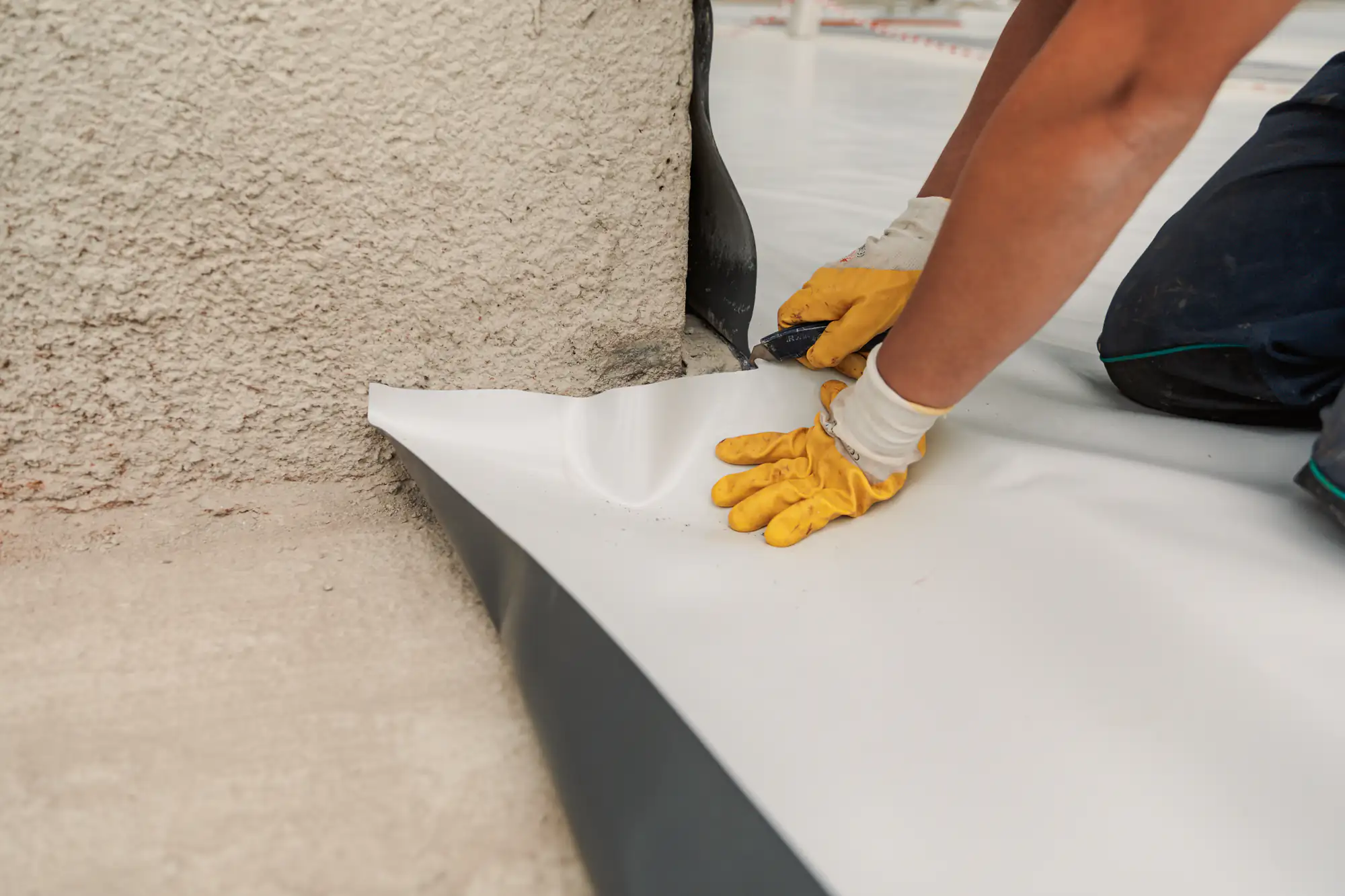
You get a complete moisture barrier system, not just a coating slapped on your exterior. That means surface preparation, crack repair, proper sealing of vulnerable areas, and application of commercial-grade waterproofing materials that meet Florida building codes.
For Pine Hills homes, we’re often working with stucco exteriors that need special attention. Stucco is porous—it absorbs water if it’s not properly sealed. We address that with elastomeric coatings and sealants that flex with your home’s natural movement instead of cracking when temperatures change. This matters in Florida where your exterior expands and contracts constantly.
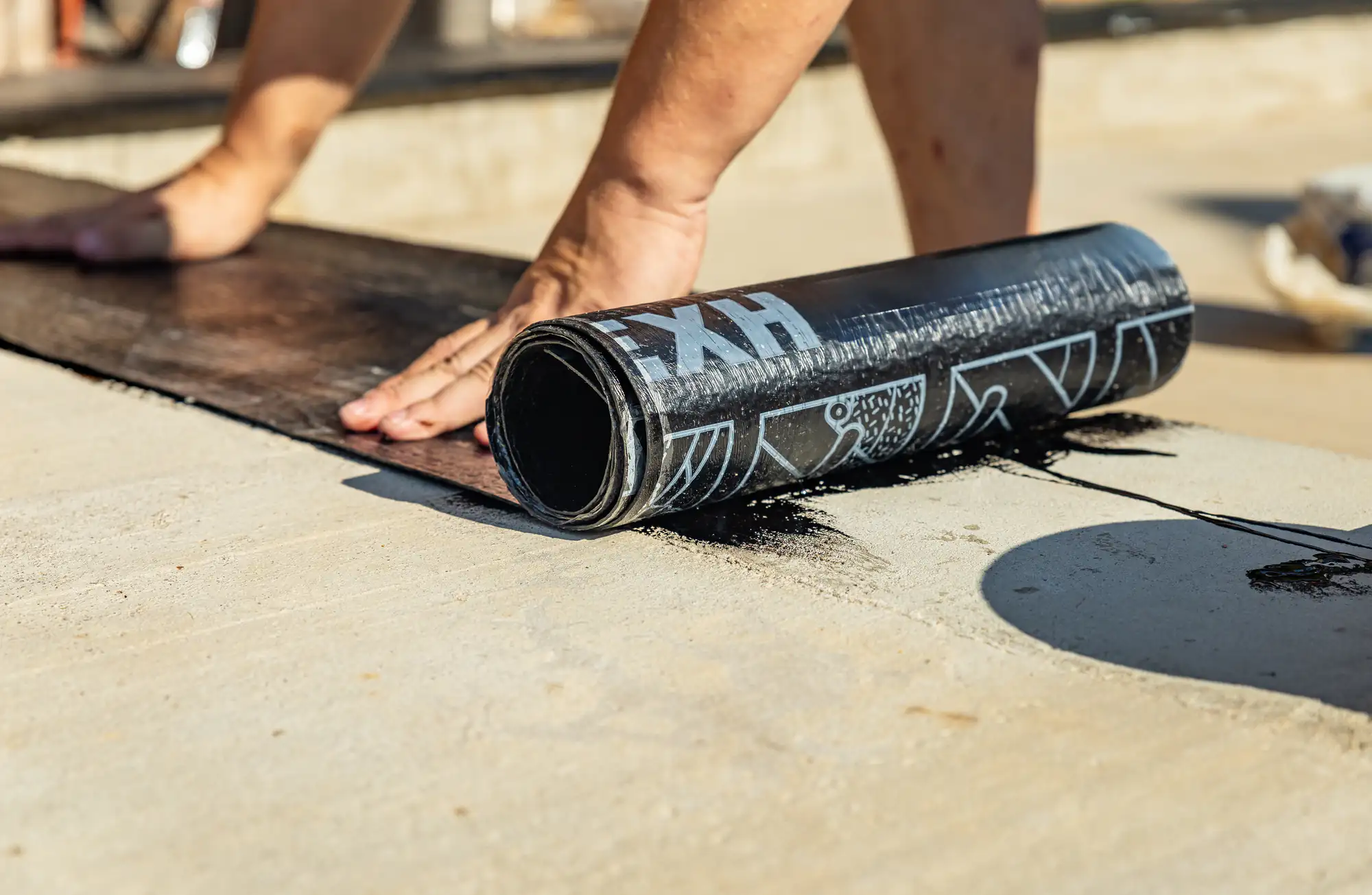
Foundation waterproofing is different. If you’re dealing with basement moisture or crawlspace water intrusion, we’re looking at drainage solutions, vapor barriers, and sealants applied below grade. The goal is to redirect water away from your foundation and create a barrier that stops moisture from wicking up into your home’s structure.
We also handle waterproofing for additions, enclosed patios, and other structures where moisture control is critical. Central Florida’s building codes have specific requirements for waterproofing in our climate zone, and we make sure your project meets those standards. That protects you during inspections and protects your investment long-term.
The average cost for professional waterproofing in Florida runs between $2,000 and $10,000 depending on the scope of work. Most Pine Hills homeowners land in the $4,000 to $6,000 range for comprehensive exterior waterproofing. Foundation work costs more—typically $60 to $100 per linear foot—because of the excavation and below-grade sealing involved.
How long does waterproofing last in Florida's humid climate?
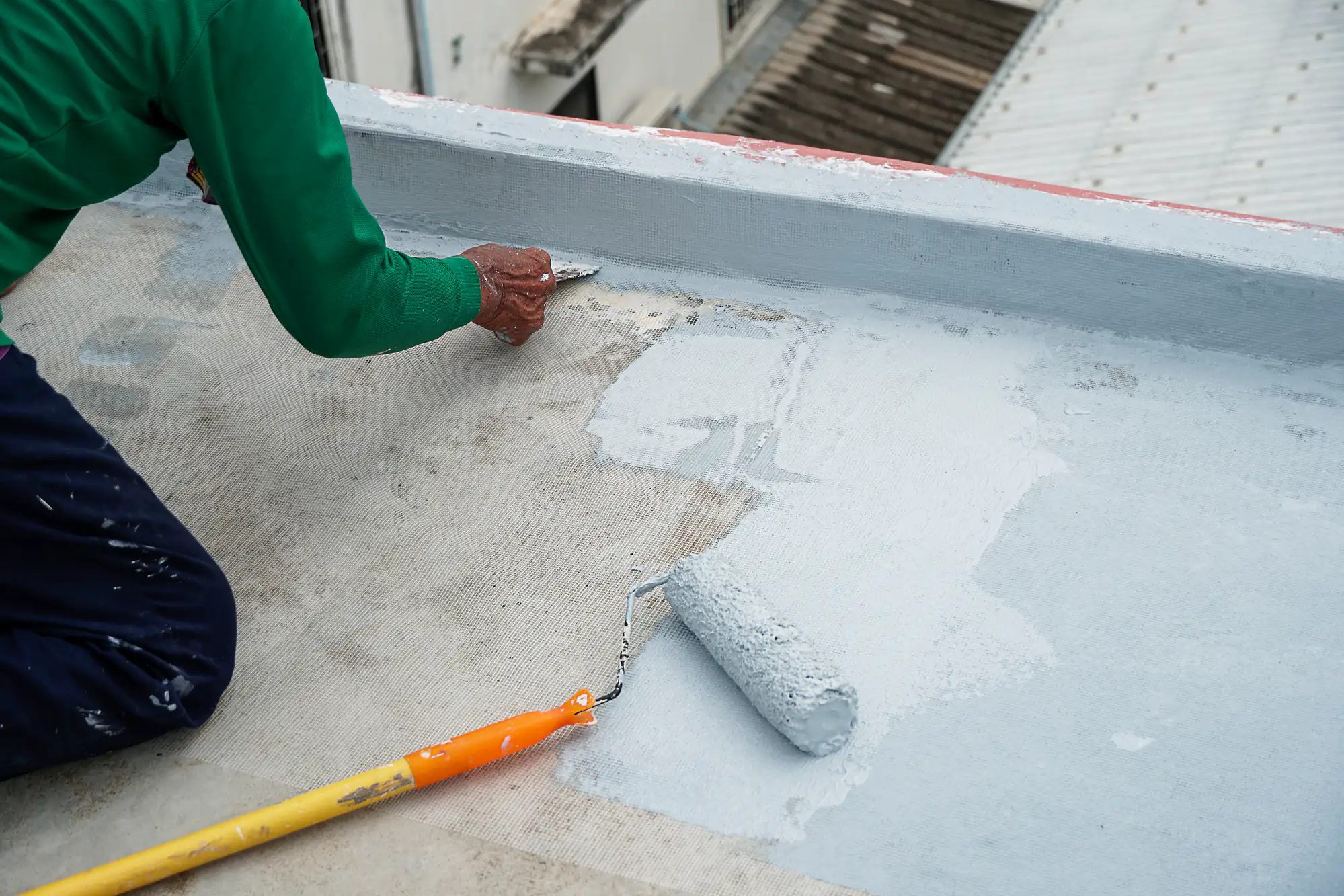
Quality waterproofing should last 10 to 15 years in Central Florida if it’s applied correctly and maintained. That’s not a guarantee you’ll never think about it again—it’s a realistic timeline based on what Florida’s climate does to exterior surfaces.
The lifespan depends on several factors. The materials matter—elastomeric coatings and high-grade sealants hold up better than basic waterproofing paint. Application matters too. If the surface wasn’t prepped properly or the coating was applied too thin, you’ll see failure sooner. And maintenance plays a role. If you’re pressure washing your exterior annually or letting vegetation grow against your walls, you’re shortening the waterproofing’s effectiveness.
In Pine Hills, we see the most waterproofing failures on homes where the original work was done cheap or by contractors who didn’t understand Florida’s requirements. You can’t use the same approach here that works in Arizona or Colorado. Our humidity and UV exposure are different, and the products need to be rated for those conditions.
What are the signs my home needs waterproofing services?
Visible water stains on interior walls or ceilings are the obvious one, but by the time you see those, water has been getting in for a while. Earlier signs include paint bubbling or peeling on exterior walls, white chalky deposits on your foundation (that’s efflorescence—it means water is moving through your concrete), and a musty smell in certain rooms even when everything looks dry.
Check your crawlspace or basement if you have one. Standing water, damp insulation, or moisture on the walls means you’ve got a waterproofing problem. Look at your stucco or exterior walls after a heavy rain. If you see dark patches that stay wet longer than the rest of the wall, water is being absorbed instead of repelled.
Inside, watch for mold growth in corners, closets, or along baseboards. Warped flooring or doors that suddenly stick can indicate moisture issues below the surface. And if your cooling bills have jumped without explanation, it might be because your insulation is wet and your HVAC is working harder to compensate. These aren’t always waterproofing issues, but they’re worth investigating before small problems become expensive ones.
Do I need to waterproof my basement in Pine Hills?
Most Pine Hills homes don’t have traditional basements because of Florida’s high water table and soil conditions, but if your property does have a basement or below-grade space, waterproofing isn’t optional—it’s necessary.
Below-grade spaces in Central Florida face constant hydrostatic pressure from groundwater. Even if you’re not seeing active leaks, moisture is likely moving through your foundation walls through capillary action. That creates humidity problems, weakens your foundation over time, and creates perfect conditions for mold growth.
Basement waterproofing in this area typically involves exterior excavation to apply waterproof membrane to the foundation walls, installation of a drainage system to redirect water away from the foundation, and interior vapor barriers to manage any moisture that does get through. The cost runs higher than surface waterproofing—usually $1,800 to $7,400 for most residential basements in the Orlando area—but it’s the only way to actually solve below-grade moisture problems. Painting waterproof coating on the inside of your basement walls might slow things down temporarily, but it doesn’t address the source of the water.
How much does professional waterproofing cost in Pine Hills?
For exterior waterproofing on a typical Pine Hills single-family home, you’re looking at $4,000 to $6,000 on average. Smaller jobs like waterproofing a single wall or sealing around windows and doors might run $2,000 to $3,000. Larger properties or homes that need extensive prep work can push toward $10,000.
Foundation waterproofing costs more because of the labor involved. Excavation, drainage installation, and below-grade sealing typically runs $60 to $100 per linear foot. For a home with 100 linear feet of foundation that needs waterproofing, you’re looking at $6,000 to $10,000.
The cost varies based on your home’s size, the condition of your existing exterior, how much prep work is needed, and what type of waterproofing system makes sense for your situation. A home with significant cracks or previous water damage will cost more to waterproof than one where we’re just applying a protective barrier to sound surfaces. We give you a detailed written estimate before any work starts, so you know exactly what you’re paying for. The investment makes sense when you consider that flood cleanup and water damage repair in Florida averages $5,000 to $15,000, and that’s just to fix the immediate damage—not the long-term structural issues that develop if water intrusion continues.
Can I waterproof my home myself or should I hire contractors?
You can buy waterproofing products at any home improvement store, and some homeowners do apply them successfully. But there’s a significant difference between coating your exterior and actually waterproofing it correctly.
The challenge isn’t the application—it’s knowing what to apply, where to apply it, how to prep the surface, and how to identify the actual source of moisture problems. If you’re sealing over cracks without addressing why those cracks formed, you’re wasting time and material. If you’re applying a product that’s not rated for Florida’s UV exposure and humidity, it’ll fail faster than you expect.
Professional waterproofing contractors bring experience with Central Florida’s specific challenges. We know how water moves through different types of construction, where Pine Hills homes typically develop moisture problems, and which products actually hold up in this climate. We also have access to commercial-grade materials that aren’t available at retail stores—products with better adhesion, flexibility, and longevity than consumer versions.
The other consideration is liability. If waterproofing fails and causes damage to your home, your insurance company will ask who did the work. DIY waterproofing that doesn’t meet Florida building codes can create coverage issues. Professional installation comes with accountability and typically a warranty on the work. For small touch-up jobs, DIY might make sense. For comprehensive waterproofing that protects your home long-term, hiring experienced waterproofing contractors near you is the smarter investment.
What's the difference between waterproofing and water-resistant coatings?
Water-resistant coatings slow down moisture penetration. Waterproofing stops it. That distinction matters in Central Florida where you’re not dealing with occasional rain—you’re dealing with sustained humidity, frequent storms, and moisture that finds every weak point in your exterior.
Water-resistant products like standard exterior paint with moisture resistance will handle light rain and normal conditions. They’re not designed to stop water under pressure or prevent moisture from eventually working its way through. Waterproofing systems use elastomeric coatings, membranes, and sealants that create an actual barrier. These products are thicker, more flexible, and specifically engineered to block water penetration even under hydrostatic pressure.
In practical terms, water-resistant coating might keep your walls dry during a typical afternoon shower. Waterproofing keeps them dry during a tropical storm that dumps three inches of rain in an hour while wind drives that water horizontally into your exterior. For Pine Hills homes, especially older properties or those with stucco exteriors, proper waterproofing is what you need. Water-resistant paint is maintenance. Waterproofing is protection.
The cost difference reflects this. Water-resistant coating is cheaper upfront but needs reapplication more frequently. Waterproofing costs more initially but lasts longer and actually prevents the kind of damage that leads to expensive repairs. When you’re comparing bids from waterproofing companies, make sure you understand which type of protection they’re proposing. The cheapest quote might be using water-resistant products when your home actually needs waterproofing.
Other Services we provide in Pine Hills