Waterproofing in West Melbourne, FL
Keep Water Out Before It Costs You Thousands
Hear from Our Customers
Waterproofing Services in West Melbourne
You’re not paying for a coating. You’re buying years without water stains creeping down your walls, without that musty smell that makes you wonder what’s growing behind the drywall, and without the panic of watching puddles form after every afternoon thunderstorm.
In Central Florida, wet materials that aren’t dried within 24 to 48 hours will grow mold. That’s not a maybe—it’s how this climate works. Professional waterproofing creates a barrier that keeps moisture out of your walls, foundation, and living spaces before it becomes a problem you can see or smell.
The real outcome isn’t just a dry home. It’s avoiding the $4,000 to $6,000 most Florida homeowners spend on waterproofing repairs after the damage is already done. It’s keeping your insurance company from capping your mold claim at $10,000 when the actual fix costs twice that. It’s knowing your home can handle what Florida throws at it without you losing sleep or money.
Waterproofing Contractors Near West Melbourne
We’ve spent over 20 years at CF Stucco and Painting working in Florida’s salty, humid air—the kind of environment that tests every product and process. We know which materials actually bond to local substrates and which ones fail when afternoon temperatures hit 100 degrees followed by torrential rain an hour later.
We’re not new to West Melbourne or the Brevard County area. We’ve seen what happens when waterproofing is done right and what it costs when it’s done wrong. We serve the entire Central Florida region with the same approach: clear estimates, realistic timelines, and work that meets Florida Building Code requirements without cutting corners.
You’ll find us rated 5.0 on Google and 4.5 on HomeAdvisor because we show up when we say we will, we explain what we’re doing and why, and we don’t leave until the job site is clean and the work is done right.
How Waterproofing Works in West Melbourne
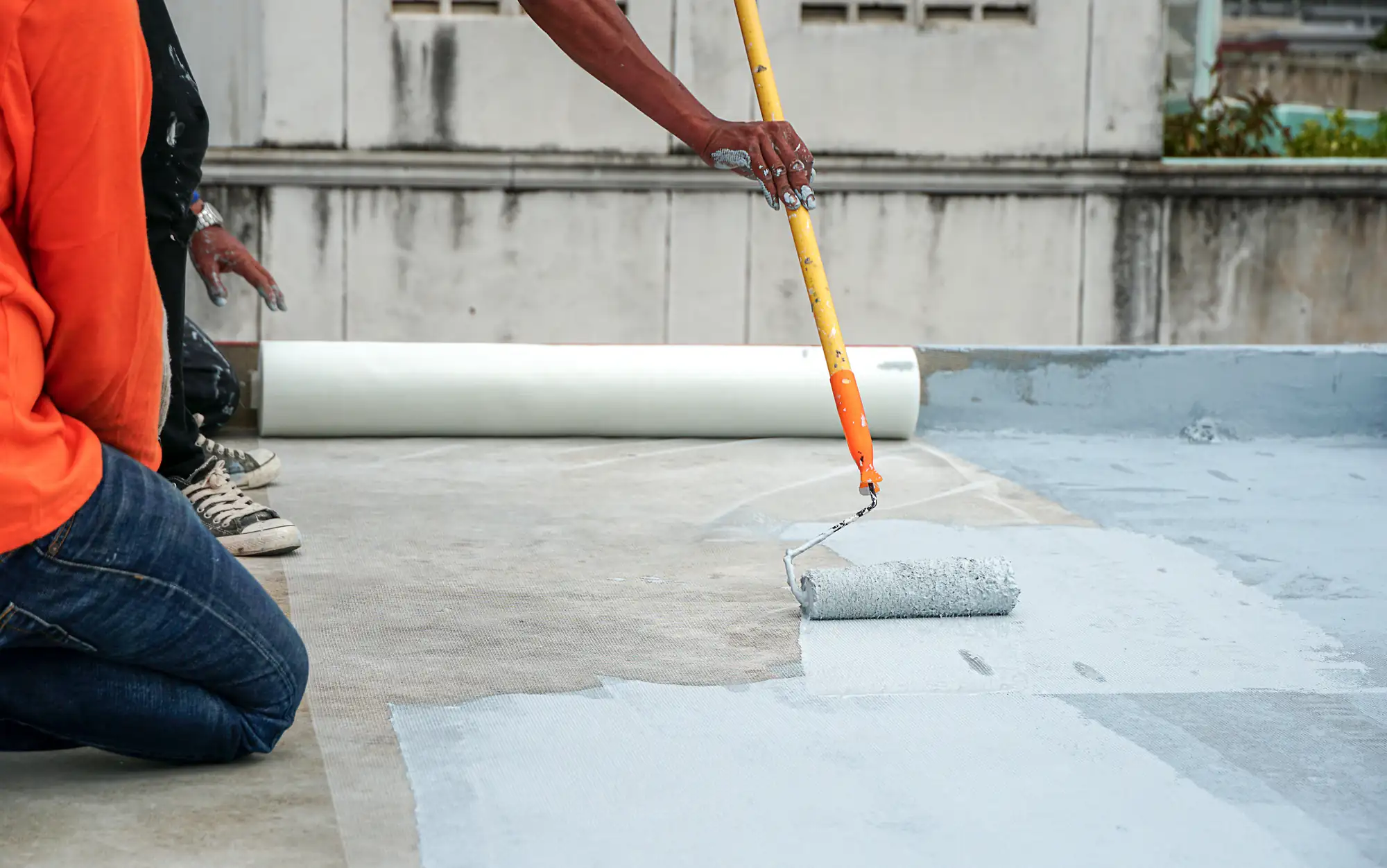
First, we inspect your property to identify where water is getting in or where it’s likely to penetrate. That means checking your stucco, foundation walls, any existing cracks, and areas where moisture tends to collect in Florida homes. We’re looking for the actual problem, not just the visible symptoms.
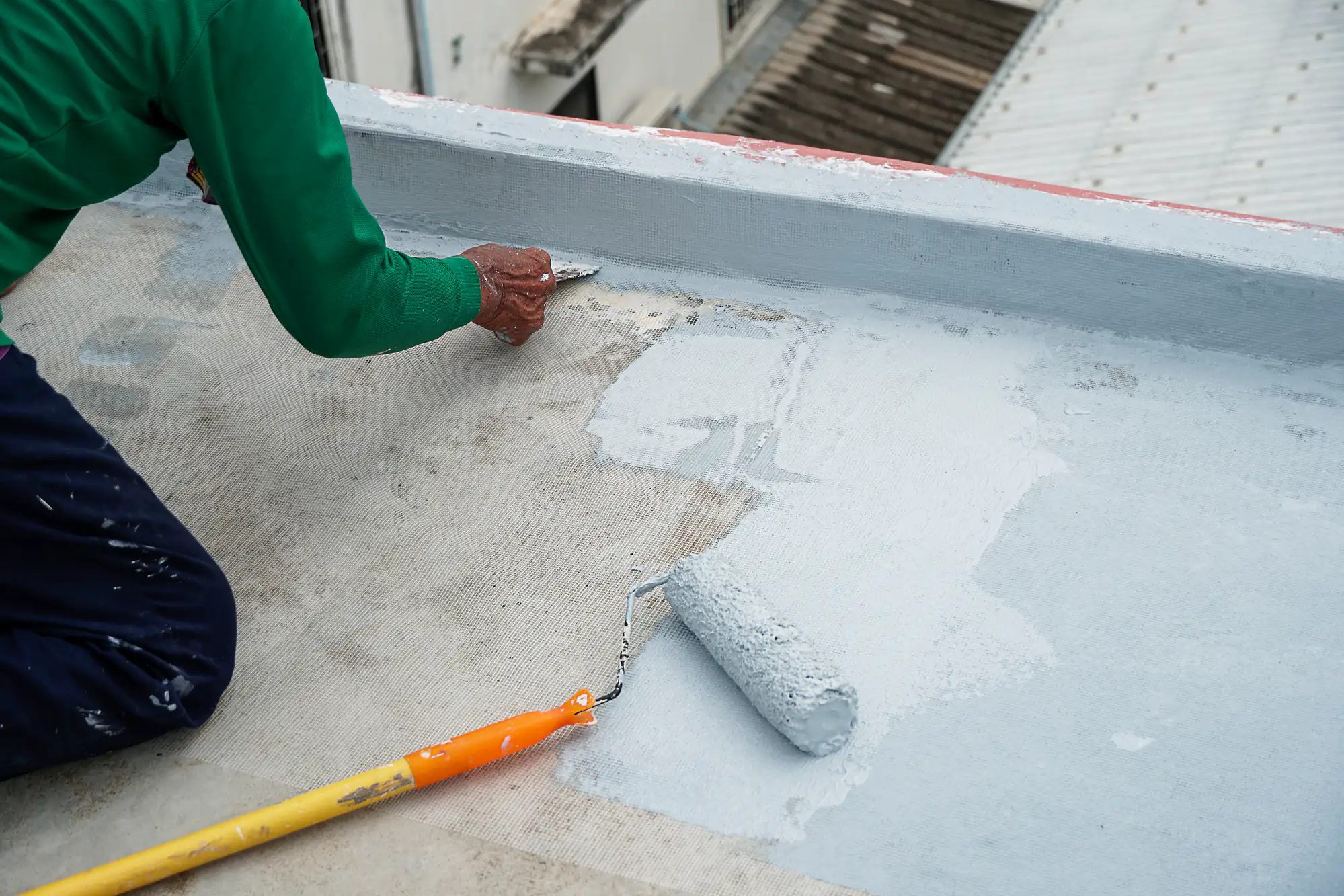
Next, we prepare the surfaces. Any existing damage—cracks, deteriorated stucco, rotted wood—gets repaired before waterproofing goes on. Sealing over a compromised surface just traps the problem underneath. We fix what’s broken first.
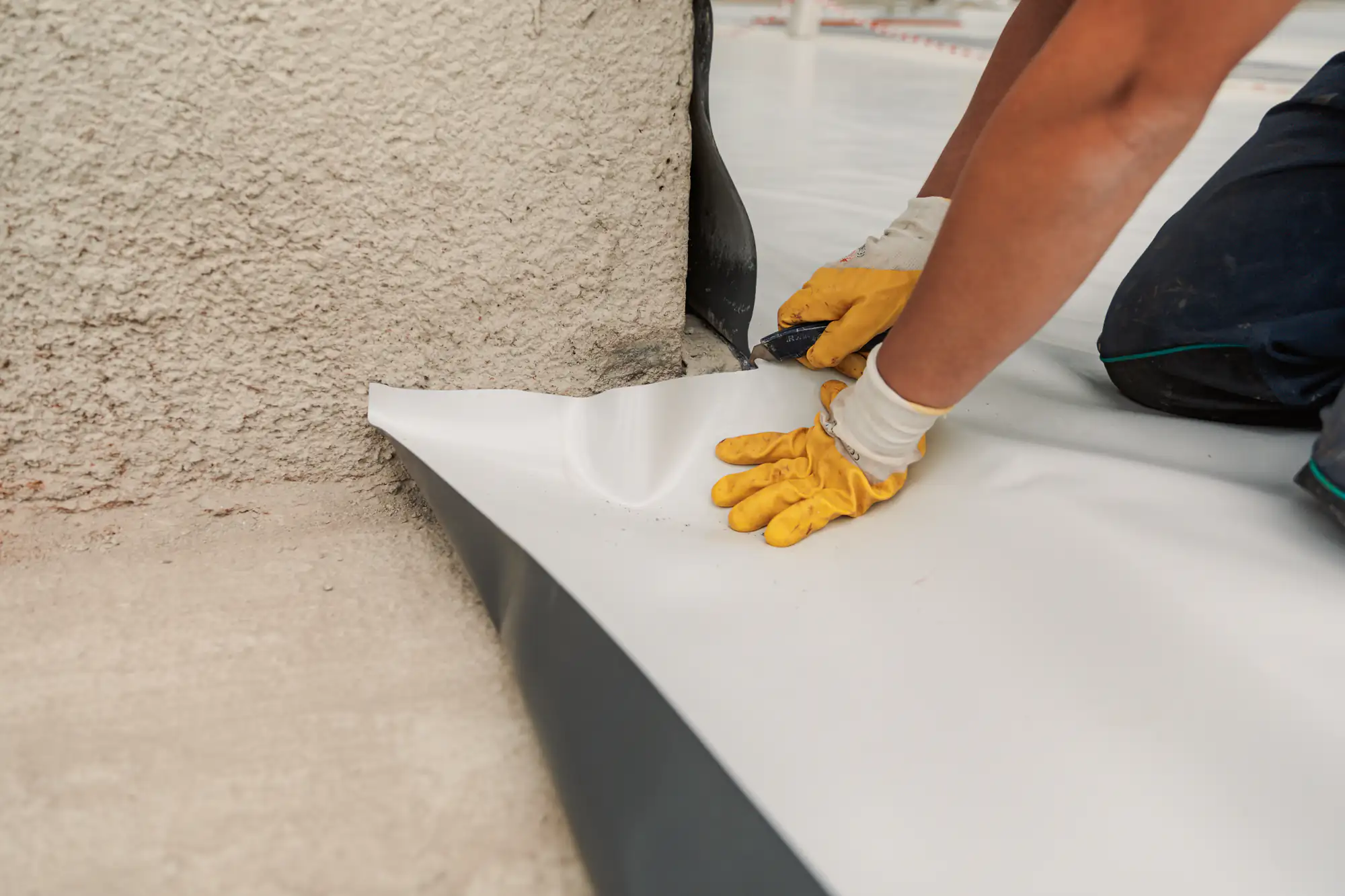
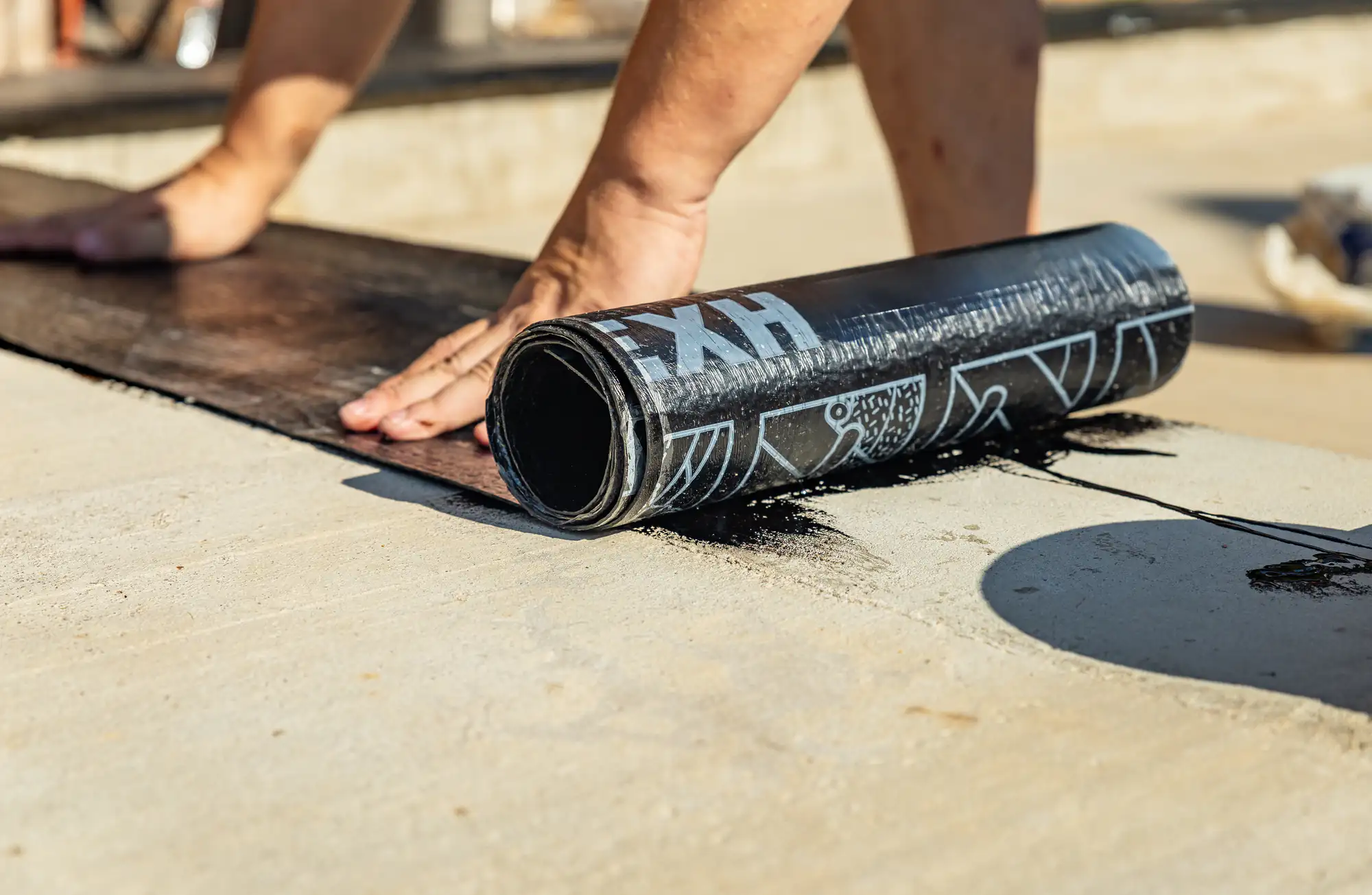
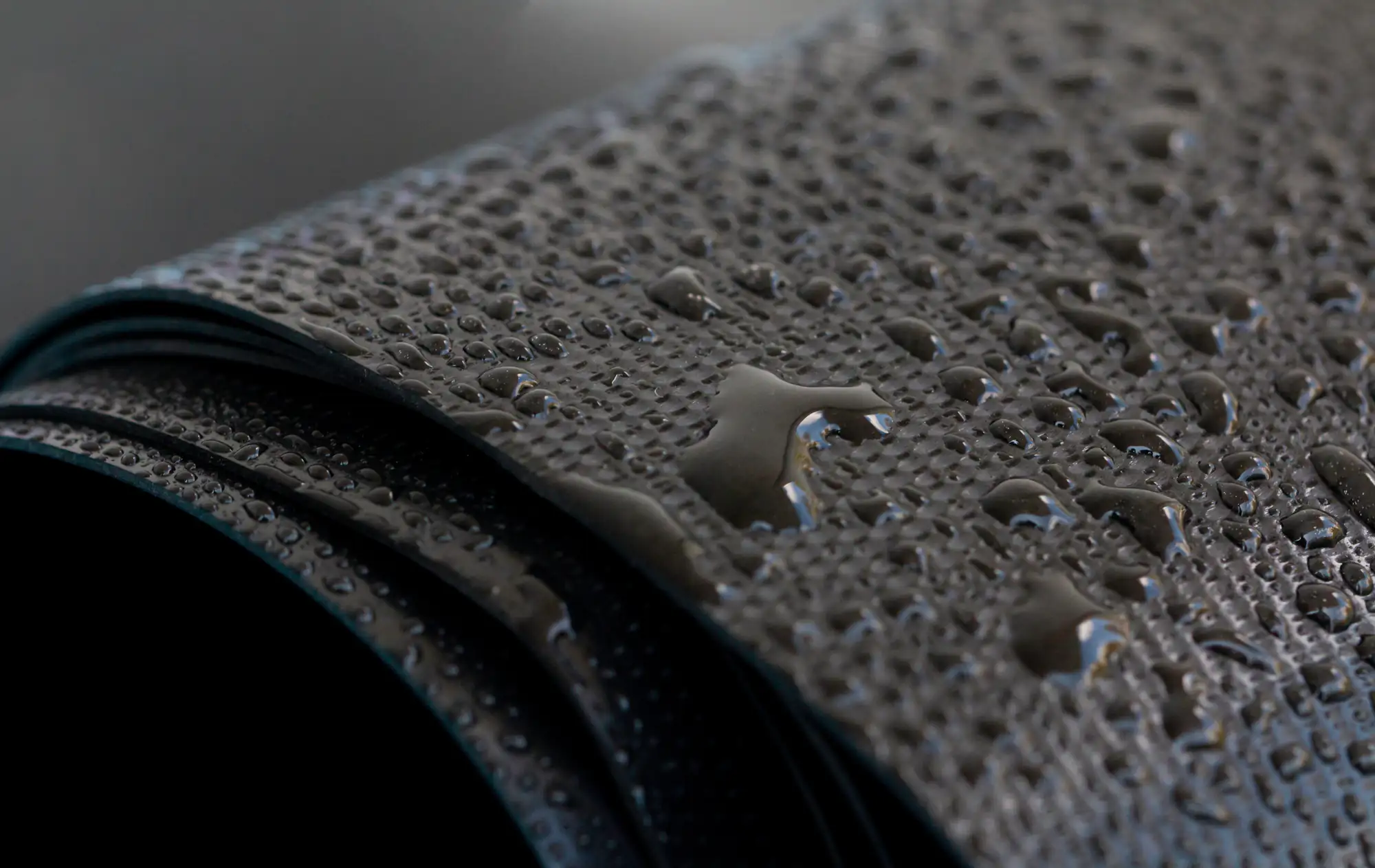
Then we apply advanced waterproofing membranes, coatings, and sealants selected specifically for durability in UV radiation and Florida’s wet-dry cycles. These aren’t generic products. They’re chosen because they hold up in this climate when cheaper alternatives fail within a few years.
Finally, we test the work and walk you through what we did. You’ll know exactly what’s been protected, how it works, and what to expect going forward. If you need to pull permits or satisfy Florida building codes for your area, we handle that too.
Ready to get started?
West Melbourne Waterproofing Solutions
You’re getting a moisture-resistant barrier on the surfaces that need it most—exterior walls, foundation areas, stucco installations, and any vulnerable points where water intrusion is likely. In West Melbourne and across Brevard County, that often means focusing on stucco systems that take the brunt of tropical storms and daily humidity.
We’re also addressing Florida Building Code requirements, which updated again in 2023 with stricter standards for flood mitigation and moisture control. That includes proper dampproofing for foundation walls and Type II waterproofing in flood-prone zones. If your home was built in the 1990s or 2000s, there’s a good chance the original waterproofing wasn’t designed for the intensity of weather we’re seeing now.
What you’re really getting is a proactive strategy. Florida ranks second in the country for homes with mold problems, with over 264,000 mold-related insurance claims filed in 2022 alone. Most of those started as water intrusion that could have been stopped with proper waterproofing. We’re keeping you out of that statistic.
The work also improves your home’s durability and resale value. Buyers in Florida are getting smarter about moisture issues, and a home with documented professional waterproofing stands out from one that’s just hoping for the best.
How much does waterproofing cost for a typical home in West Melbourne?
Most homeowners in Central Florida spend between $4,000 and $6,000 on professional waterproofing, though the range can run from $2,000 to $10,000 depending on the size of your home and the extent of the work needed. If you’re waterproofing foundation walls, expect to pay around $60 to $100 per linear foot, which includes excavation if it’s required.
Labor costs in Florida typically run $50 to $100 per hour for skilled waterproofing work. That’s not padding—it’s what it costs to hire people who know how to work in this climate and won’t leave you with a failure in two years.
If there’s existing water damage, you’ll also need to factor in repairs before waterproofing can even start. That might mean crack repair, insulation replacement, mold removal, or fixing rotted wood. Those extras can add hundreds or thousands to the total, but skipping them just means the waterproofing won’t hold. You’re better off knowing the real number upfront than getting a low quote that doesn’t include the work that actually needs to happen.
What's the difference between waterproofing and just sealing my stucco?
Sealing is a surface treatment that helps repel water and protect your stucco from UV damage and minor moisture. It’s a good maintenance step, but it’s not designed to stop serious water intrusion or handle the kind of saturation Florida homes face during heavy rain and hurricane season.
Waterproofing goes deeper. It involves applying membranes, advanced coatings, and sealants that create a true moisture barrier—not just on the surface, but integrated into the wall system. That’s what stops water from penetrating into your foundation, insulation, and interior walls where mold grows and structural damage starts.
In West Melbourne, where you’re dealing with high humidity, frequent storms, and the occasional tropical system, sealing alone won’t cut it for long-term protection. You need actual waterproofing on vulnerable areas, especially if your home was built before the updated Florida Building Code standards that went into effect in 2023. Think of sealing as a raincoat and waterproofing as a full weather protection system. One helps in light rain; the other keeps you dry in a downpour.
Does homeowners insurance in Florida cover waterproofing or water damage repairs?
Most Florida homeowners insurance policies don’t cover waterproofing as a preventive measure—that’s considered maintenance, which is on you. Where insurance sometimes helps is if you have sudden, accidental water damage from a covered event like a burst pipe or storm damage. But even then, coverage is limited.
Here’s the bigger issue: many Florida policies cap mold coverage between $5,000 and $10,000. That sounds like a lot until you realize that significant mold remediation and the water damage repairs that go with it often cost $15,000 to $25,000 or more. If wet materials aren’t dried within 24 to 48 hours, mold will grow—and once it does, you’re looking at a bill that exceeds what your policy will pay.
That’s why waterproofing before you have a problem makes financial sense. Spending $4,000 to $6,000 now to prevent water intrusion is a lot smarter than spending $20,000 later on repairs and remediation that insurance won’t fully cover. And if you’re in a flood zone or an area with updated building code requirements, waterproofing might not be optional anyway—it could be required to stay compliant or to sell your home down the line.
How long does waterproofing last in Florida's climate?
Quality waterproofing installed correctly should last 10 to 20 years in Florida, but that depends entirely on the materials used, the installation process, and how much abuse your home takes from the weather. Cheap coatings or improper surface prep can fail in as little as two to three years, especially with the constant wet-dry cycles and UV exposure we get in Central Florida.
The key is using products designed for this environment—materials with high elasticity to handle expansion and contraction, resistance to UV radiation, and the ability to bond properly in heat and humidity. A lot of builders in Florida specialize in slab-on-grade construction and don’t have deep experience with waterproofing systems, which is why you see so many failures. It’s not just about applying a product; it’s about knowing which product works here and how to install it so it actually lasts.
You’ll also want to keep an eye on your waterproofing over time. Small cracks or damage from landscaping equipment, settling, or storm debris should get addressed quickly before they turn into bigger problems. Regular inspections—especially after major storms—help you catch issues early when they’re cheap and easy to fix instead of waiting until water is already inside your walls.
What are the signs that my home in West Melbourne needs waterproofing?
The most obvious sign is water where it shouldn’t be—puddles along your foundation after rain, damp spots on interior walls, or water stains on ceilings and baseboards. If you’re seeing that, you’re already past the point of prevention and into damage control.
Earlier warning signs include a musty smell in certain rooms or closets, which usually means moisture is getting into your walls or insulation even if you can’t see it yet. You might also notice paint bubbling or peeling on exterior stucco, cracks in your foundation or stucco that seem to be getting worse, or efflorescence (that white, chalky residue) on concrete or masonry surfaces. All of those indicate water is penetrating where it shouldn’t.
In West Melbourne and Brevard County, you should also consider your home’s age and construction. If your house was built in the 1990s or early 2000s, the original waterproofing—if there was any—is likely past its useful life. And if you’ve noticed that your neighbors are dealing with water issues or mold problems, there’s a good chance your home is facing the same risks. Florida’s climate doesn’t discriminate. What’s happening to the house next door will eventually happen to yours if the same vulnerabilities exist.
Do I need to follow specific Florida building codes for waterproofing?
Yes, and they’ve gotten stricter. Florida updated its building codes in 2023 with enhanced flood mitigation rules and moisture control standards, especially for homes in flood zones or coastal areas. The code requires things like 6-mil polyethylene film over below-grade foundation walls, proper sealing at joints and penetrations, and protection from mechanical damage during and after installation.
If you’re in a flood zone, you may need Type II waterproofing, which is a higher standard designed to handle hydrostatic pressure and prolonged water exposure. Even if you’re not in a designated flood zone, local municipalities in Central Florida often have their own requirements based on soil conditions, water table levels, and storm history.
Here’s why this matters to you: if you’re selling your home, buyers and inspectors are looking for code compliance. If you’re refinancing or filing an insurance claim, your lender or insurer may require proof that waterproofing meets current standards. And if you’re doing the work now, you want it done right the first time so you’re not paying twice when it fails inspection or doesn’t hold up. Working with waterproofing contractors who know Florida building codes and pull the right permits saves you headaches and money down the road.
Other Services we provide in West Melbourne