Waterproofing in Winter Garden, FL
Stop Water Damage Before It Starts
Hear from Our Customers
Winter Garden Waterproofing Services
You’re not dealing with water damage yet. That’s the point of calling now.
Waterproofing creates a barrier between your home’s structure and everything Florida throws at it—humidity above 70%, torrential downpours, and heat that makes materials expand and contract until they crack. When done right, it prevents mold growth inside your walls, stops wood rot before it compromises your framing, and keeps your cooling costs from climbing every summer because moisture isn’t making your AC work overtime.
This isn’t about fixing a problem. It’s about never having one. The homes that skip waterproofing are the ones calling for mold remediation, structural repairs, and insurance claims three years later. You’ll sleep better knowing water stays outside where it belongs, your indoor air quality stays healthy, and your property value doesn’t tank because an inspection found moisture issues.
Central Florida’s climate doesn’t give you a break. Waterproofing gives your home the protection it needs to handle decades of weather without falling apart.
Waterproofing Contractors Near Me
CF Stucco and Painting has spent over 20 years figuring out what actually works in this climate. We’re not experimenting on your house.
Winter Garden homes face the same challenges as the rest of Central Florida—afternoon storms that dump inches of rain in minutes, humidity that never quits, and sun exposure that breaks down materials faster than anywhere else in the country. We’ve seen what happens when waterproofing companies use the same methods they’d use in Arizona or North Carolina. It doesn’t hold up here.
Our team knows Florida Building Code requirements for moisture barriers and water-resistant assemblies. We know which materials last and which ones fail in year three. And we know how to communicate clearly about timelines, costs, and what you’re actually getting—because nobody likes surprises when it comes to their home.
Professional Waterproofing Process
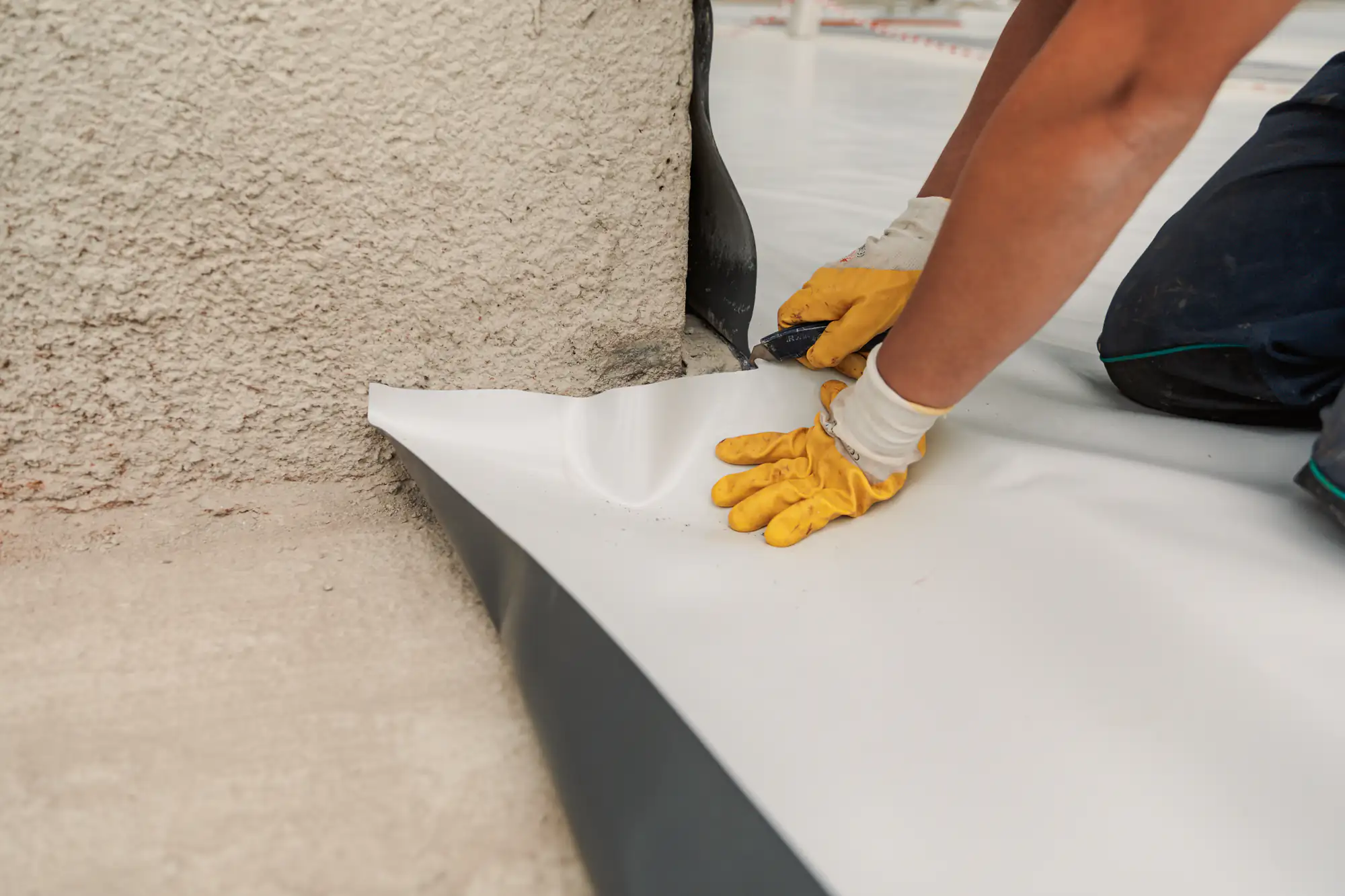
First, we come out and look at your home. Not a quick glance—an actual assessment of your exterior, your stucco condition, any existing cracks or vulnerable areas, and how water is currently moving around your property.
You’ll get a clear estimate that explains what we’re doing and why. No jargon. No upselling. Just the work your home needs to stay protected, with realistic timelines so you can plan accordingly.
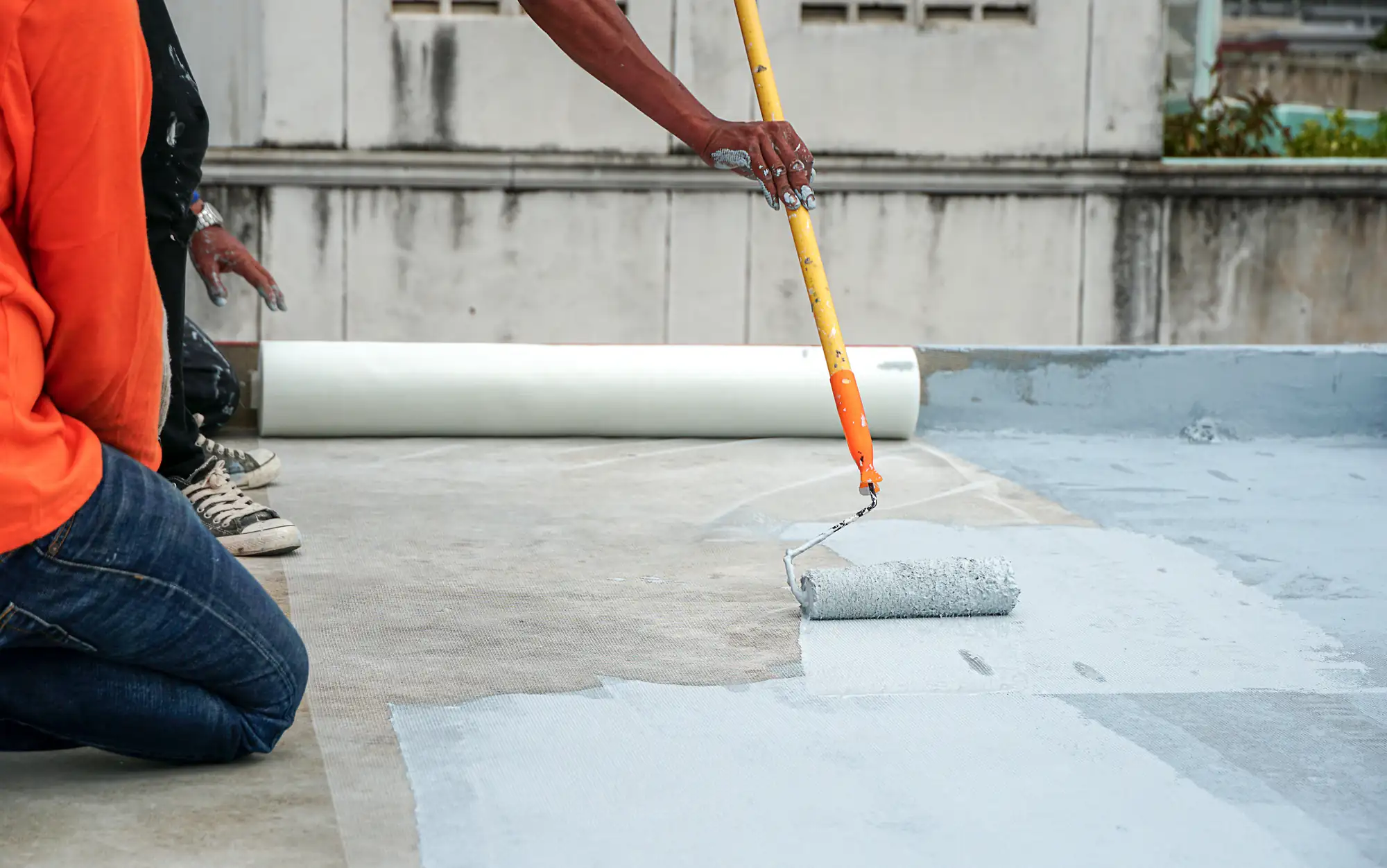
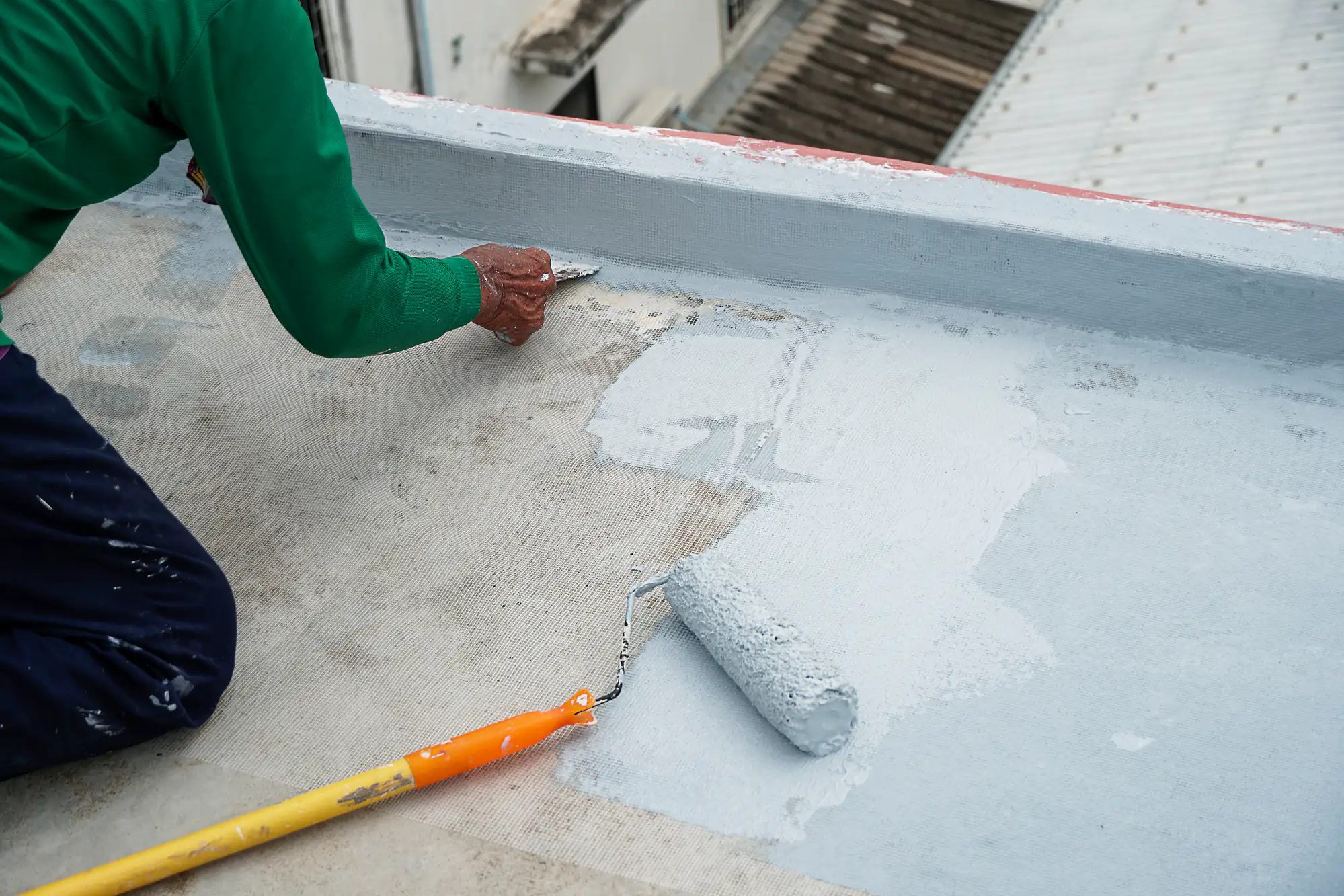
Once we start, our team preps the surfaces properly—because waterproofing only works if it’s applied to a clean, sound substrate. We’re talking about removing loose material, repairing any damage, and making sure everything is ready for the waterproofing system to bond correctly.
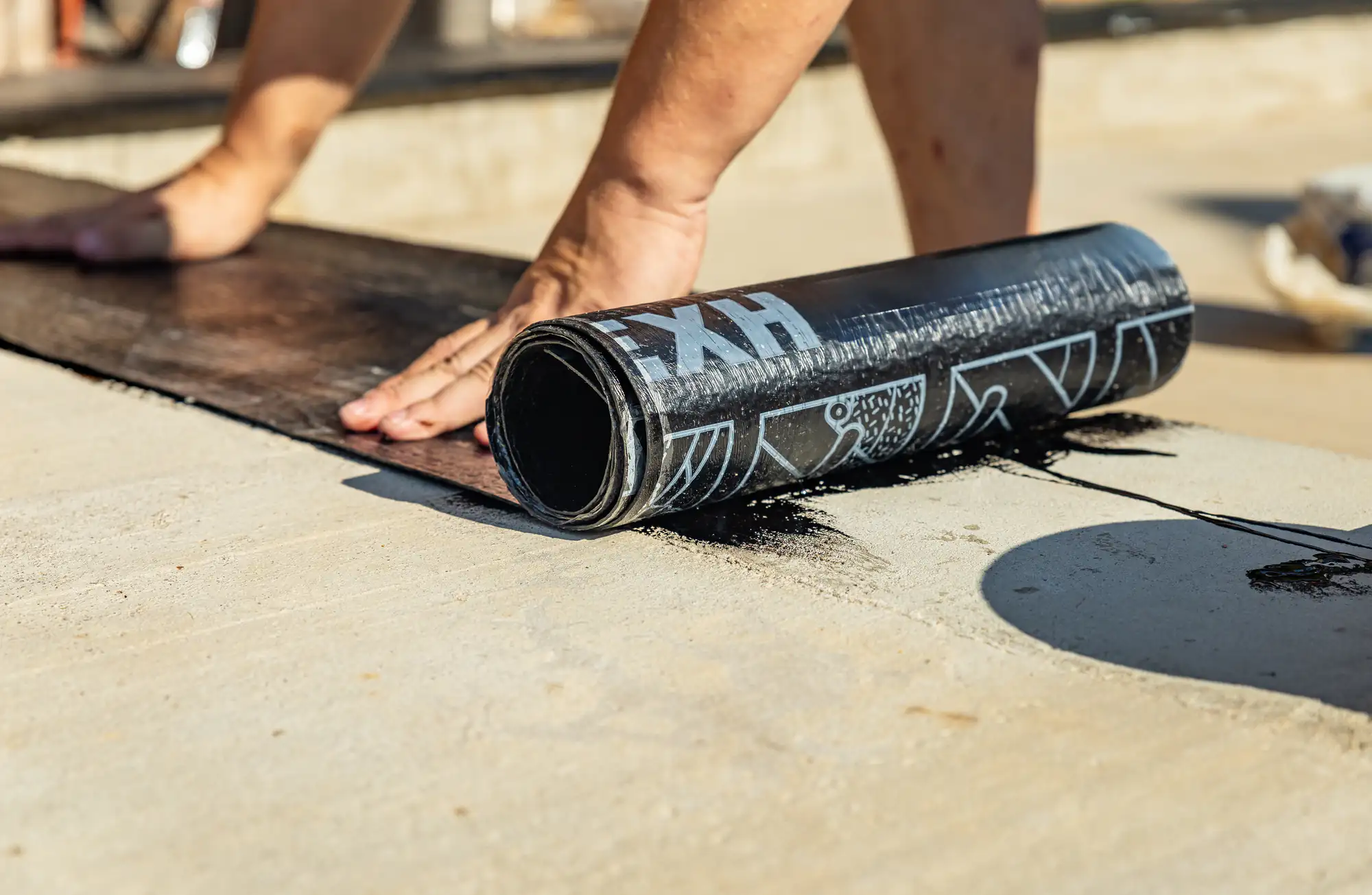
Then we apply the barriers and sealants designed for Florida’s climate. These aren’t off-the-shelf products that work everywhere. They’re formulated to handle heat, UV exposure, and constant moisture without breaking down.
We finish the job, clean up the site, and make sure you understand what was done. You’re not left guessing whether it was done right.
Ready to get started?
Stucco Waterproofing Solutions
You’re getting a water-resistant barrier system that meets Florida Building Code standards—vapor barriers with the right perm ratings and exterior wall envelopes designed to prevent water accumulation inside your walls.
For stucco homes in Winter Garden, that means addressing the specific vulnerabilities of your exterior. Stucco cracks from thermal expansion. It develops weak points around windows, doors, and anywhere two materials meet. We seal those areas with elastomeric coatings that flex with your home instead of cracking when temperatures swing 30 degrees in a day.
You’re also getting drainage solutions that move water away from your foundation and prevent pooling against your walls. Central Florida’s flat terrain and afternoon storms mean water doesn’t always drain naturally. We make sure it does.
And if your stucco needs repair before waterproofing, we handle that too. Waterproofing over damaged stucco is like putting a bandage on a broken bone—it doesn’t fix anything. We repair cracks, replace compromised sections, and make sure your exterior is structurally sound before we seal it.
The result is a home that can handle hurricane-force winds, wind-driven rain, and decades of Florida weather without letting moisture compromise your walls, your indoor air, or your peace of mind.
How much does waterproofing cost for a typical Winter Garden home?
Most Winter Garden homeowners spend between $3,000 and $8,000 for comprehensive exterior waterproofing, depending on square footage, stucco condition, and how much prep work is needed before we can seal anything.
Single-story homes with minimal repairs usually land on the lower end. Two-story homes with cracked stucco, failing caulk around windows, or areas where water has already caused damage will cost more—because we’re fixing problems before we waterproof, not covering them up.
The cost breaks down into surface prep, repairs if needed, waterproofing materials, and labor. We give you a clear estimate upfront so you know exactly what you’re paying for. No surprises, no hidden fees, no “we found more issues” calls halfway through unless something truly unexpected shows up—and even then, we talk to you before we do anything.
Compare that to the cost of mold remediation ($2,000-$6,000), structural repairs from water damage ($5,000-$15,000), or a full stucco replacement ($8-$12 per square foot). Waterproofing now is a lot cheaper than fixing what happens when you don’t.
How long does waterproofing last in Florida's climate?
Quality waterproofing systems last 10-15 years in Central Florida if they’re applied correctly and you maintain your home’s exterior. That means cleaning your gutters, trimming vegetation away from your walls, and addressing any new cracks as soon as they appear.
Florida’s climate is tough on everything. UV exposure breaks down sealants faster here than in northern states. Humidity and heat accelerate material degradation. Afternoon storms test your waterproofing every single summer.
But the systems we use are formulated for exactly these conditions. Elastomeric coatings stay flexible in heat. Vapor barriers resist moisture penetration even when humidity sits above 70% for months. And proper application—on clean, sound surfaces with correct coverage—makes a massive difference in how long protection lasts.
You’ll know it’s time for reapplication when you start seeing small cracks, when water stops beading on your exterior, or when you notice any discoloration that suggests moisture is getting through. Catching it early means a simple recoat. Waiting until you have interior damage means a much bigger project.
Do I need waterproofing if my stucco looks fine?
Yes, because by the time stucco looks bad, water has already been getting in for a while. Stucco is porous. It absorbs moisture even when you don’t see cracks.
Florida’s humidity means your exterior is constantly exposed to moisture—not just during storms, but every single day. That moisture works its way into small imperfections, around windows and doors, and through any area where the original waterproofing has degraded over time.
You won’t see the damage until it’s significant. Mold grows inside walls where you can’t see it. Wood framing rots slowly. Structural issues develop gradually. Then one day you notice a musty smell, or a soft spot in your drywall, or your cooling bills are higher than they should be—and the problem has been building for years.
Waterproofing when your stucco looks fine is exactly the right time to do it. You’re protecting your investment before damage starts, not after. It’s preventive maintenance that saves you from expensive repairs, protects your indoor air quality, and keeps your home’s value intact. Waiting until you see problems means you’re already behind.
What's the difference between waterproofing and just painting my stucco?
Paint makes your home look better. Waterproofing keeps water out. They’re not the same thing, and one doesn’t replace the other.
Regular exterior paint provides minimal moisture protection. It’s designed for color and curb appeal, not for creating a water-resistant barrier that meets Florida Building Code requirements. Paint will fail quickly in Central Florida’s climate if it’s not designed for waterproofing—you’ll see peeling, bubbling, and water stains within a couple of years.
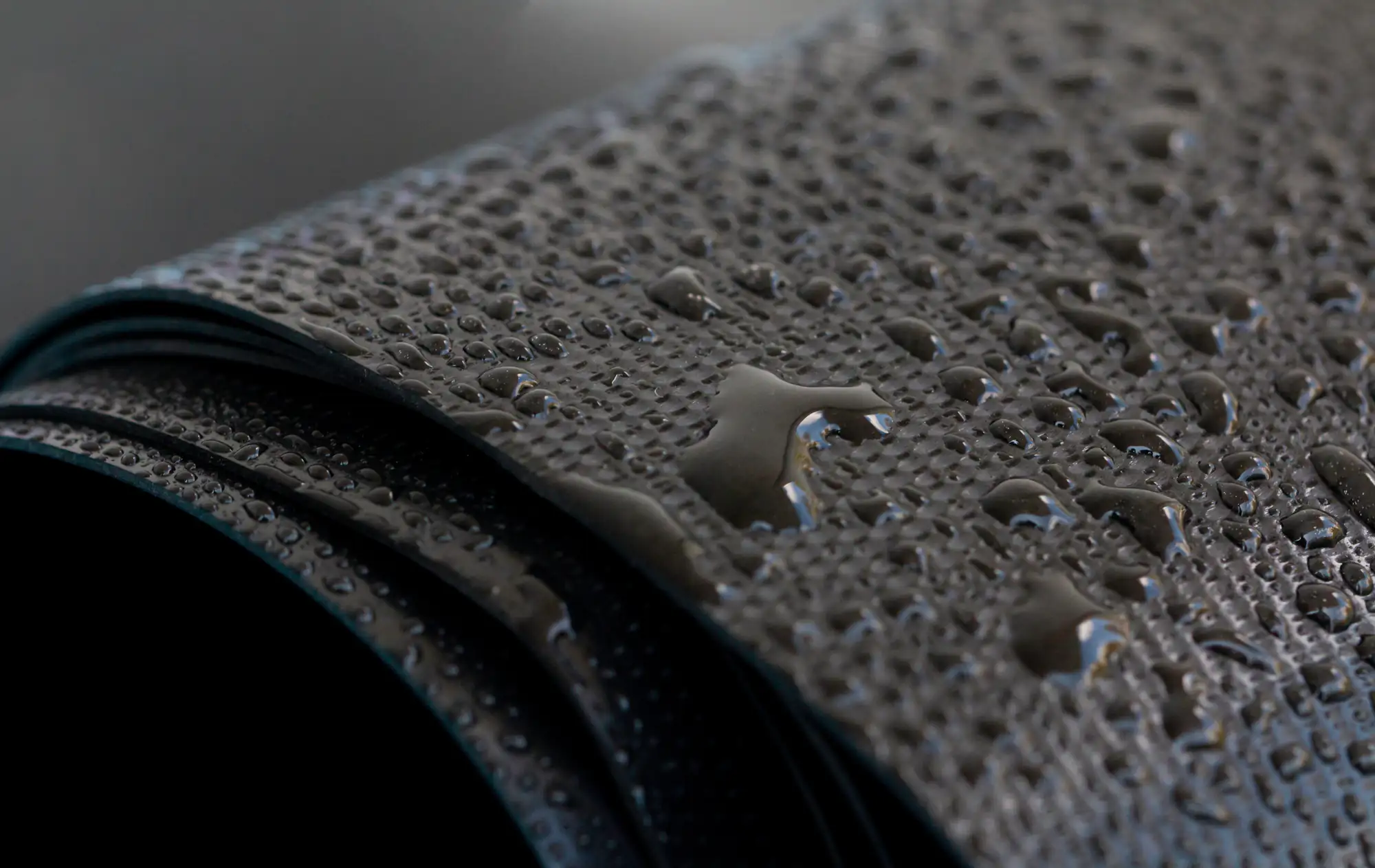
Waterproofing systems use elastomeric coatings and sealants specifically formulated to block moisture penetration. These products are thicker, more flexible, and engineered to expand and contract with your stucco as temperatures change. They create a true barrier against water intrusion, not just a decorative finish.
You can have both. Elastomeric coatings come in colors, so you get waterproofing and a fresh look at the same time. But if you’re choosing between the two, waterproofing protects your home’s structure. Paint just covers it. In Florida, where moisture is constant and storms are severe, that difference matters a lot.
Will waterproofing help with my energy bills?
Yes. Properly waterproofed stucco reduces cooling costs by 15-25% compared to homes where moisture has compromised the exterior or where there’s no effective moisture barrier.
Here’s why: when moisture gets into your walls, it reduces your insulation’s effectiveness. Wet insulation doesn’t insulate. Your AC works harder to maintain the same temperature, and you pay more every month. Central Florida homeowners run their AC six months or more each year—that’s $40-$80 extra per month if moisture is affecting your walls’ thermal performance.
Waterproofing also helps stucco maintain its thermal mass properties. Stucco naturally regulates temperature better than vinyl siding or other exterior materials, but only when it’s dry and properly sealed. The combination of waterproofing and stucco’s inherent insulation value keeps your home cooler in summer without overworking your HVAC system.
Over 20 years, the energy savings from proper waterproofing can exceed $15,000 for an average Winter Garden home. That’s on top of the money you’re saving by not dealing with mold cleanup, structural repairs, or premature exterior replacement. Waterproofing pays for itself, then keeps saving you money year after year.
How do I know if a waterproofing company knows what they're doing?
Ask how long we’ve been working specifically in Central Florida, what products we use and why, and whether we handle surface prep and repairs or just slap coating over whatever’s there.
Companies that know what they’re doing will talk about Florida Building Code requirements, vapor barrier perm ratings, and why certain products work in this climate while others fail. We’ll explain our prep process—because waterproofing only works if it’s applied to sound, clean surfaces. And we’ll give you a clear timeline and estimate without pressure tactics or vague “we’ll figure it out as we go” answers.
Check reviews, but read them carefully. Look for mentions of communication, reliability, and whether the company showed up when they said they would. Look for comments about how the work held up a year or two later, not just how it looked the day they finished.
And ask for proof of experience. Twenty years in business means we’ve seen every problem Florida weather can create and know how to prevent it. A company that just started or that’s applying the same methods they use everywhere else in the country won’t have that knowledge. You want someone who’s been protecting homes through hurricanes, tropical storms, and decades of humidity—not someone learning on your house.
Other Services we provide in Winter Garden