Waterproofing in Winter Park, FL
Stop Water Before It Stops You
Hear from Our Customers
Waterproofing Services Winter Park Homeowners Trust
You’re not dealing with water damage yet. That’s the point.
Waterproofing isn’t about fixing problems after they happen. It’s about making sure they don’t happen at all. In Winter Park, FL, where afternoon storms dump inches of rain in minutes and humidity sits above 70% most of the year, moisture finds its way into cracks, seams, and porous surfaces you didn’t even know existed.
When waterproofing is done right, your foundation stays dry. Your stucco doesn’t trap moisture. Your walls don’t grow mold behind the paint. You’re not calling someone in a panic because you found water where it shouldn’t be.
This is about protecting what you’ve built. Keeping your home structurally sound. Avoiding the kind of repair bills that come from ignoring water until it’s already inside. If you’re looking at waterproofing now, you’re ahead of the problem—and that’s exactly where you want to be.
Waterproofing Contractors Serving Winter Park Homes
CF Stucco and Painting didn’t start yesterday. Our owner spent 20 years in foundation repair—working with engineers, solving structural problems, and learning exactly how water moves through Central Florida homes.
Winter Park sits in a region where the water table is high, the soil shifts, and storms hit hard. Homes built in the ’90s and 2000s weren’t always sealed with Florida’s climate in mind. We’ve seen what happens when waterproofing gets skipped or done poorly. That’s why we approach every job like it’s our own house.
You’ll get clear pricing, realistic timelines, and a crew that shows up when they say they will. No surprises. No runaround. Just honest work from people who know what they’re doing.
How Waterproofing Works in Winter Park
First, we come out and look at your property. Not a sales pitch—an actual assessment. We check your stucco, your foundation, anywhere water could get in. We talk about what you’re seeing, what you’re worried about, and what makes sense for your home.
Then we give you a clear estimate. No vague ranges or “depends on what we find” nonsense. You’ll know what it costs, how long it takes, and what we’re actually doing.
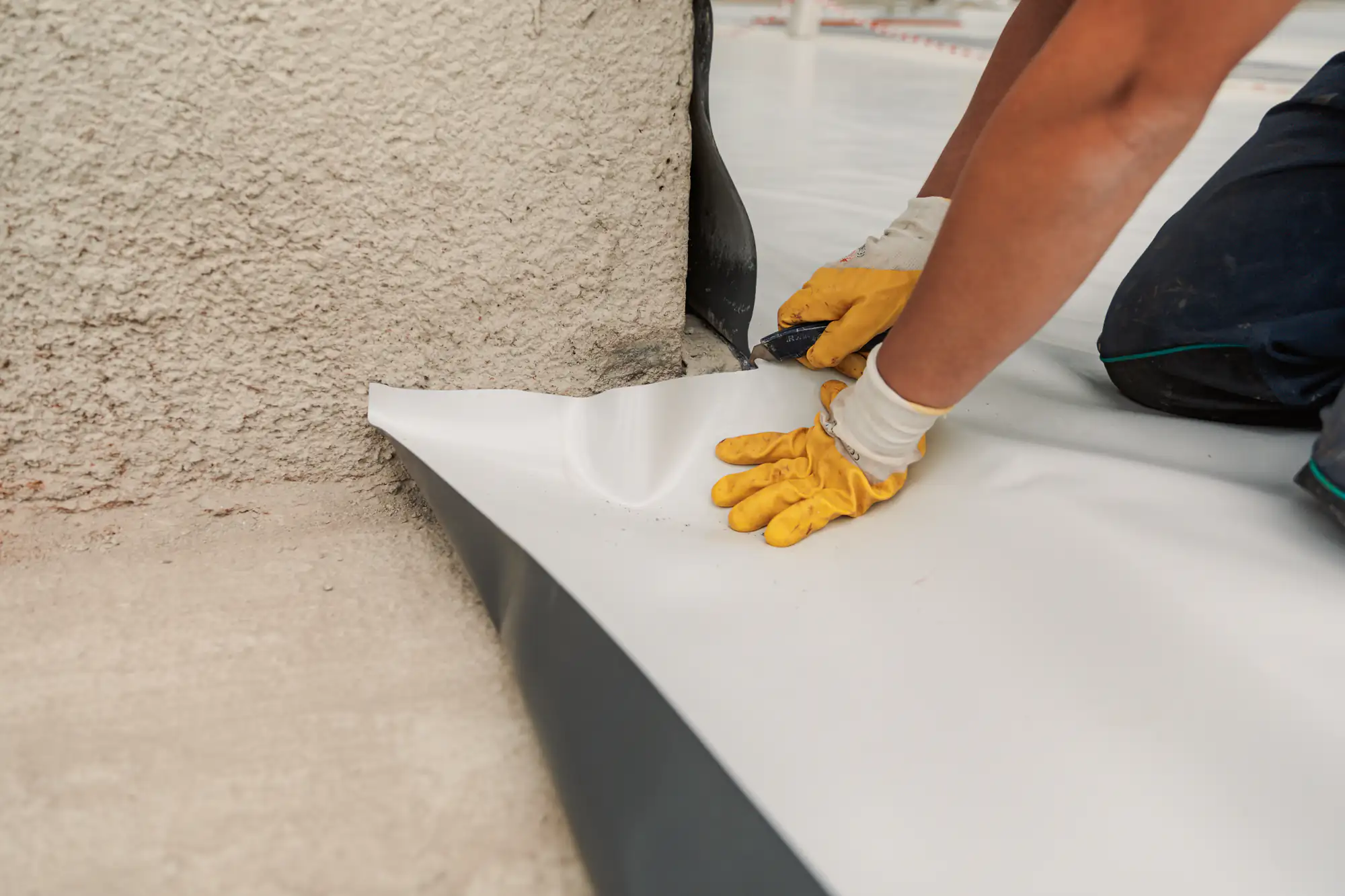
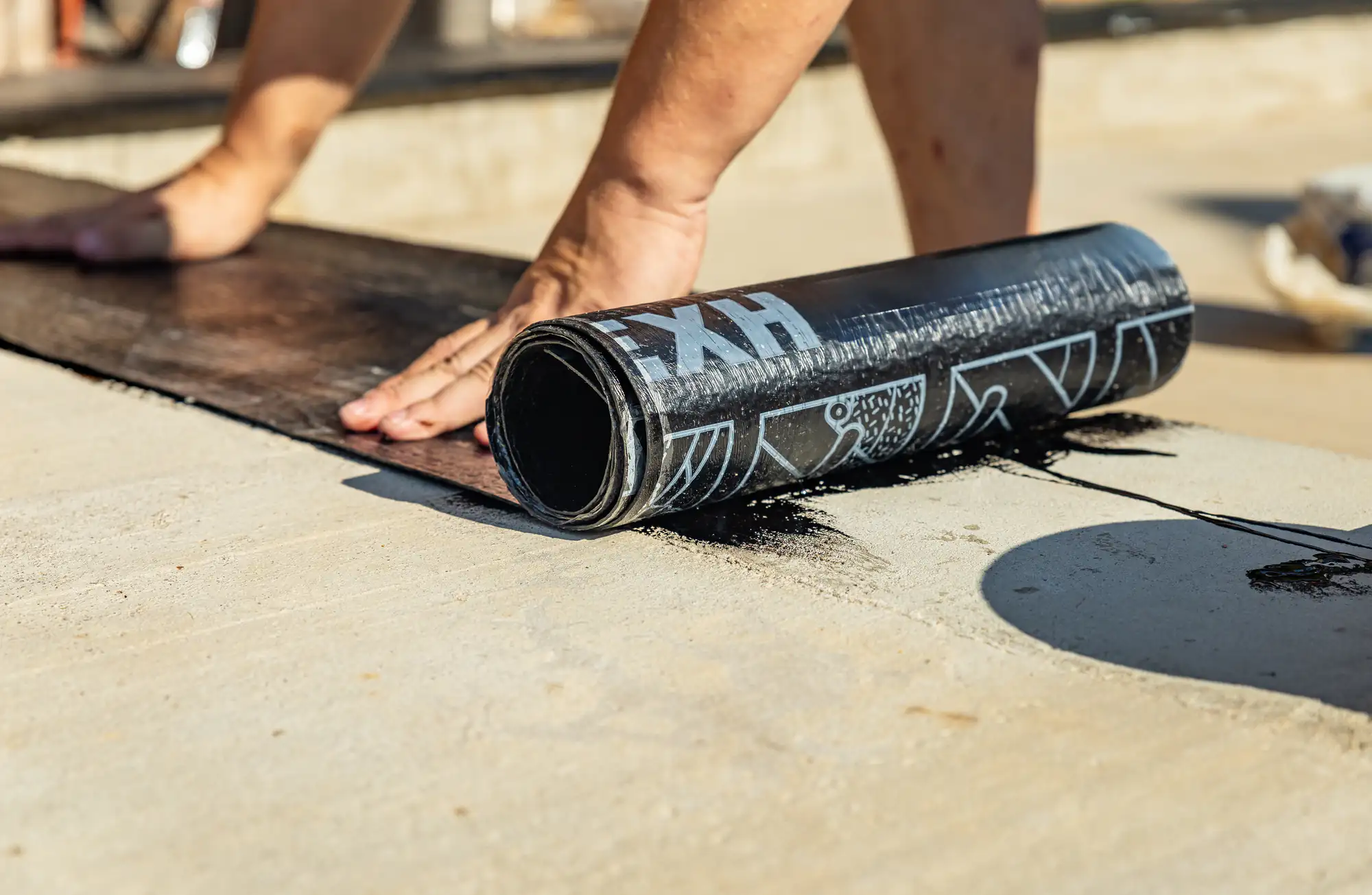
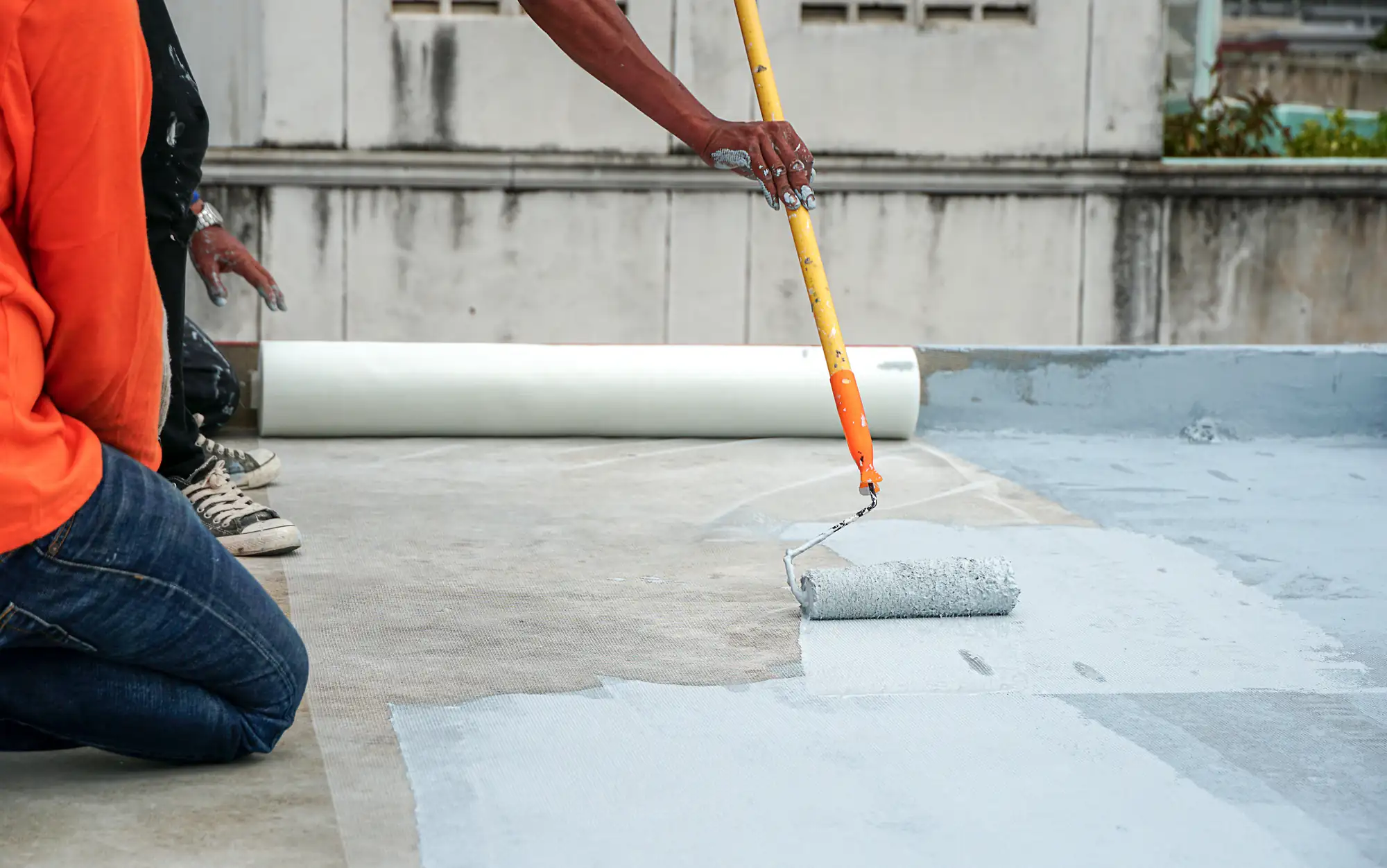
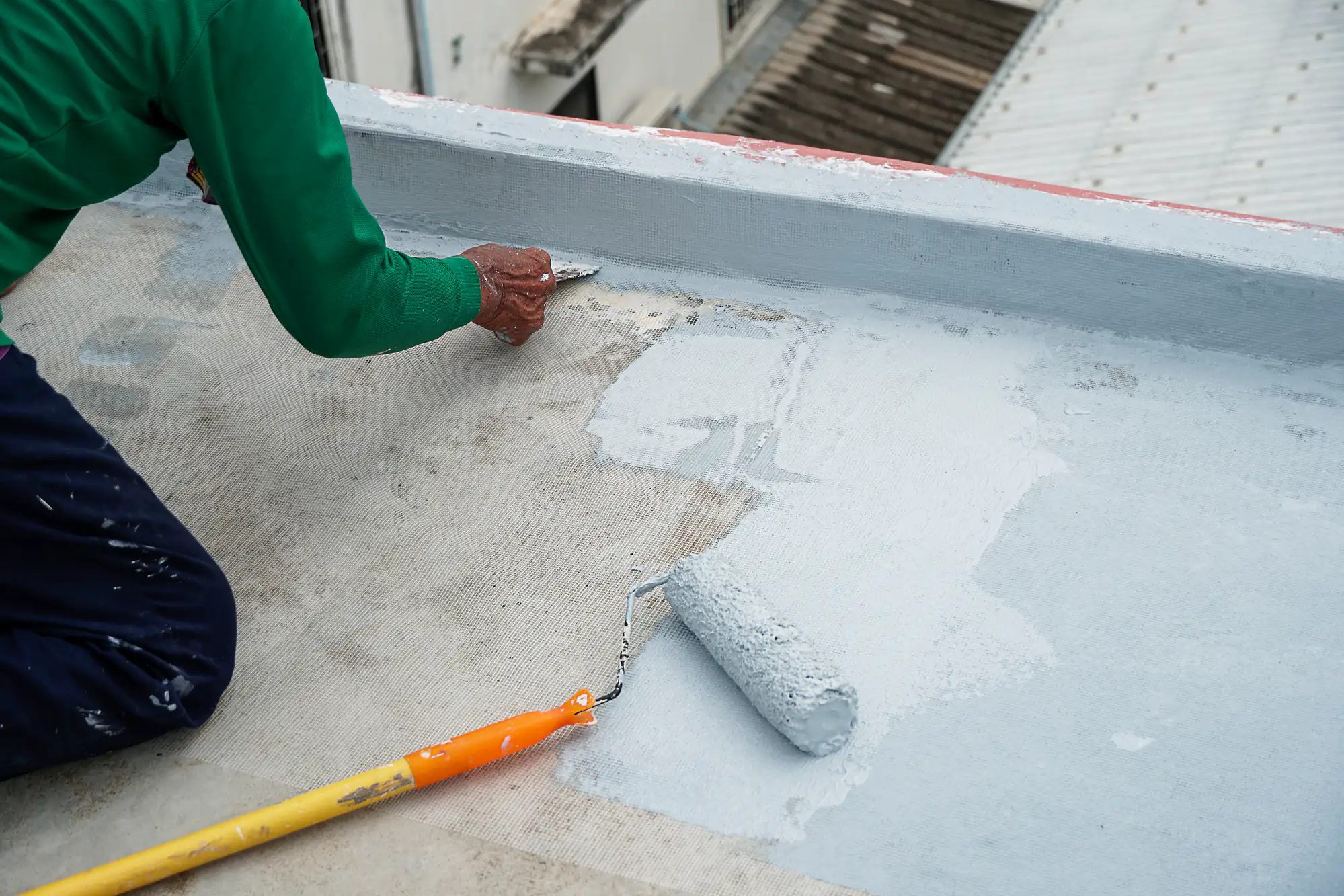
Once we start, our crew preps the surfaces, applies the waterproofing system that fits your situation, and makes sure everything is sealed correctly. We don’t rush. We don’t cut corners. And we clean up when we’re done—your yard shouldn’t look like a construction zone after we leave.
After the job, you’ve got a home that’s protected. If something comes up later, we’re a phone call away. That’s it. Straightforward, professional, done right.
Ready to get started?
Basement Sealing and Foundation Waterproofing Solutions
Waterproofing in Winter Park, FL means dealing with specific challenges. The Florida Building Code requires waterproofing in areas with high water tables or severe soil-water conditions—and Central Florida checks both boxes.
We handle exterior waterproofing that stops moisture before it reaches your foundation. We seal stucco surfaces that are porous and prone to water intrusion. If you’ve got basement sealing needs, we address those too, because even partial basements in Florida can trap moisture and create problems you won’t see until it’s expensive.
The cost depends on what your home needs. Basement sealing typically runs $60 to $100 per linear foot. Full foundation waterproofing projects in Florida average between $4,000 and $6,000, though that shifts based on the size of your home and how much excavation is required.
You’re not just paying for materials. You’re paying for someone who knows how to apply them correctly in Florida’s climate—where moisture management isn’t optional, it’s survival. Winter Park homes face constant humidity, seasonal flooding, and soil that holds water. We’ve worked in this area long enough to know what holds up and what doesn’t.
How much does waterproofing a house cost in Winter Park, FL?
Most homeowners in Winter Park, FL spend between $4,000 and $6,000 on professional foundation and basement waterproofing. That’s the middle range. Some projects cost as little as $2,000 if you’re sealing a small area. Others push toward $10,000 if you need extensive excavation or you’re waterproofing multiple sides of a larger home.
The price depends on how much linear footage needs waterproofing, how deep we need to dig, and what kind of moisture barrier your home requires. Exterior waterproofing costs around $60 to $100 per linear foot because it involves excavation, proper drainage installation, and sealing the foundation from the outside—which is the most effective method.
If someone quotes you significantly less, ask what they’re actually doing. Cheap waterproofing usually means surface coatings that don’t address the root problem. You’ll end up paying twice—once for the bad job, once for the fix.
Do I really need waterproofing if I don't have a basement?
Yes. Waterproofing isn’t just about basements. In Winter Park, FL, most homes are built on slab foundations, and those are just as vulnerable to water intrusion—sometimes more so.
Florida’s high water table means groundwater sits close to the surface. When it rains, water saturates the soil around your foundation. If your stucco or foundation walls aren’t properly sealed, moisture seeps through. You won’t see it right away, but it’s there—causing cracks, weakening structural integrity, and creating conditions for mold.
Stucco is porous. Without waterproofing, it absorbs moisture like a sponge. Over time, that trapped water damages the material, leads to efflorescence (those white chalky stains), and eventually requires costly repairs. Waterproofing your exterior walls and foundation prevents all of that. It’s not about having a basement. It’s about protecting your home from Florida’s relentless moisture.
How long does waterproofing last on a house in Florida?
Quality exterior waterproofing should last 10 to 15 years in Florida’s climate, sometimes longer if it’s maintained properly. That’s for professional-grade systems applied correctly—not DIY coatings or cheap sealants that fail in a few years.
Florida’s heat, humidity, and UV exposure break down waterproofing materials faster than in other climates. Afternoon temperature spikes, constant moisture, and seasonal storms all put stress on the barrier. That’s why the materials matter, and so does the application process.
You can extend the lifespan by keeping gutters clear, grading your yard so water drains away from the foundation, and checking for cracks or damage after major storms. Small maintenance now prevents big problems later. If you notice water stains, peeling, or soft spots in your stucco, don’t wait. The longer moisture sits, the more damage it does—and the more expensive the fix becomes.
What's the difference between waterproofing and dampproofing?
Dampproofing resists moisture. Waterproofing stops water. They’re not the same thing, and Florida Building Code treats them differently.
Dampproofing is a coating applied to foundation walls to slow down moisture vapor. It works in dry climates or areas with minimal groundwater. In Winter Park, FL, where the water table is high and heavy rains are constant, dampproofing isn’t enough. It’ll slow moisture down, but it won’t stop water under hydrostatic pressure—the kind that builds up when soil around your foundation is saturated.
Waterproofing creates an impermeable barrier. It’s designed to handle actual water intrusion, not just vapor. The Florida Residential Building Code requires waterproofing (not just dampproofing) in areas with high water tables or severe soil-water conditions. Central Florida qualifies.
If a contractor offers you dampproofing as a solution for foundation protection in this area, they’re either cutting corners or don’t understand the local requirements. You need waterproofing. Anything less is a temporary fix that won’t hold up.
Can I waterproof my own house or should I hire professionals?
You can buy waterproofing products at a hardware store. Applying them correctly in Florida’s climate is a different story.
DIY waterproofing usually means brushing on a sealant or coating. That might work for a small above-grade project, like sealing a garden wall. For your foundation or exterior stucco, it’s not enough. Proper waterproofing requires surface preparation, the right materials for Florida’s moisture levels, correct application techniques, and often excavation to reach below-grade areas where water pressure is highest.
If the surface isn’t prepped right, the waterproofing won’t bond. If you use the wrong product, it’ll fail in Florida’s heat and humidity. If you miss spots or apply it too thin, water will find a way through. And if you don’t address drainage issues at the same time, you’re just putting a band-aid on a bigger problem.
Hiring professionals means the job gets done once, done right, and backed by someone who knows Florida Building Code requirements. It costs more upfront, but it’s cheaper than redoing a failed DIY job—and dealing with the water damage that happens in between.
How do I know if my home already has water damage?
Look for stains, soft spots, or peeling on your interior walls—especially near the floor. Check your stucco exterior for cracks, bulging, or white chalky deposits. Those are signs water is already getting in.
Inside, musty smells are a red flag. So is paint that bubbles or peels for no obvious reason. If you’ve got tile or hardwood floors that feel uneven or soft in certain areas, that’s often moisture underneath. Mold around baseboards, windows, or in corners means water is present—even if you can’t see where it’s coming from.
Outside, look at your foundation. Cracks wider than a quarter-inch, especially horizontal ones, can let water through. Stucco that sounds hollow when you tap it, or sections that are discolored or crumbling, usually mean trapped moisture. Efflorescence—the white powdery stuff—happens when water moves through masonry and leaves salt deposits behind.
If you’re seeing any of these signs, you’ve already got a moisture problem. The longer you wait, the worse it gets. Water doesn’t fix itself. It spreads, it damages structural materials, and it creates conditions for mold that affect your health and your home’s value. Get it checked now, before a small issue becomes a major expense.
Other Services we provide in Winter Park