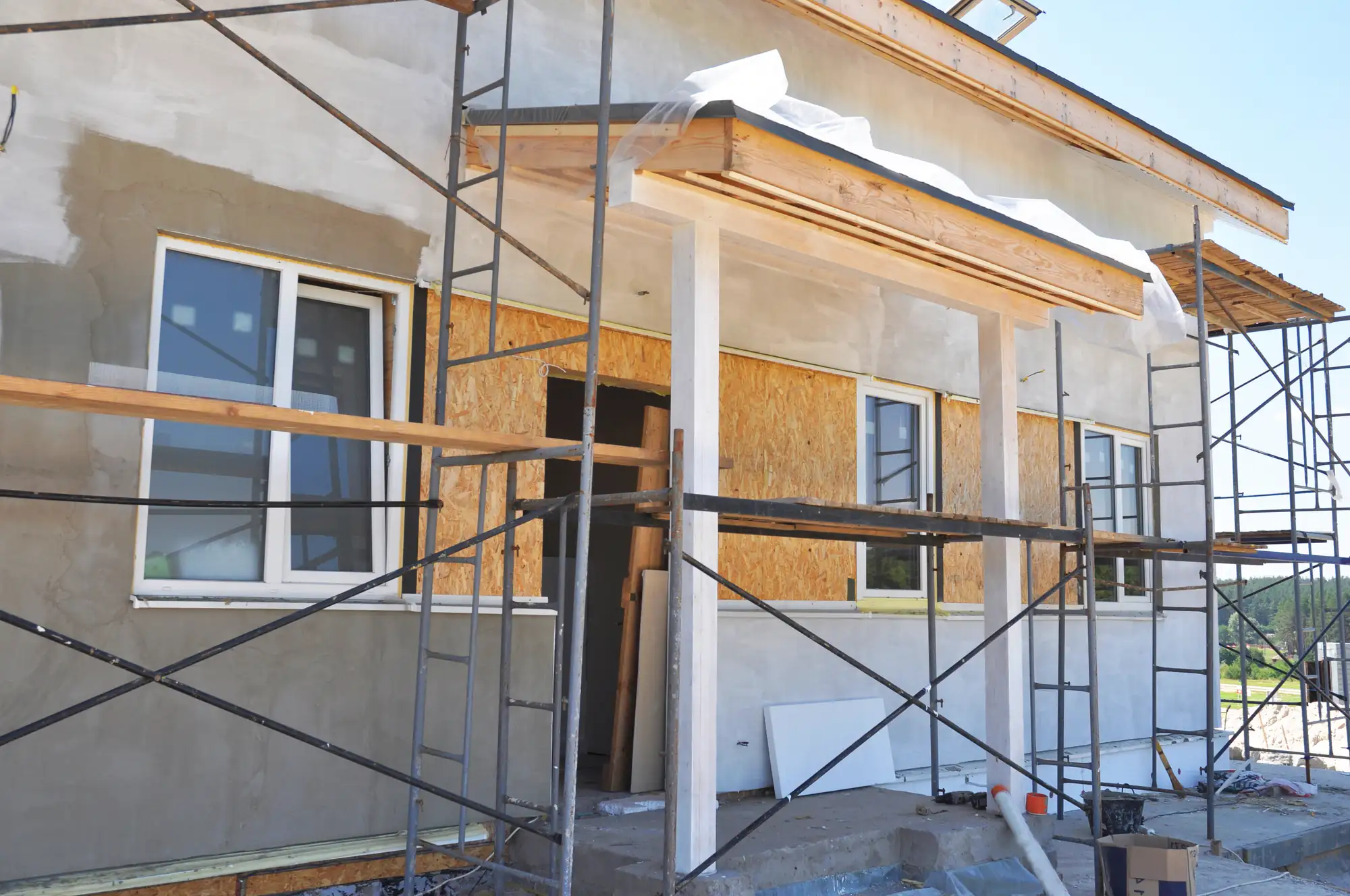
Stucco Installation in Leesburg, FL
Stucco That Actually Protects Your Leesburg Home
Hear from Our Customers
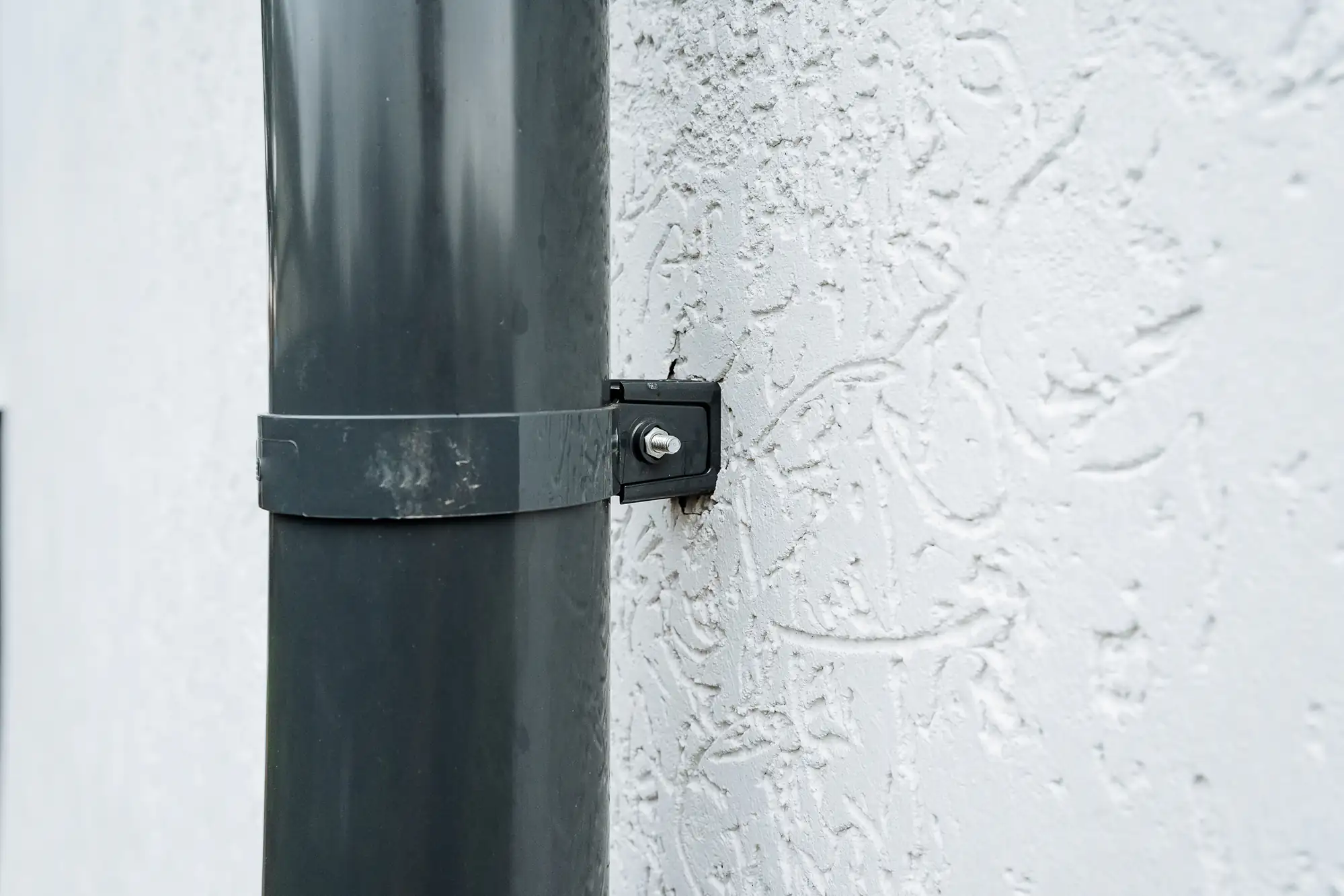
Leesburg Stucco Contractor Services
You’re not just covering walls. You’re adding a layer of protection that stands between your home’s structure and everything Florida throws at it.
Proper stucco installation means moisture stays outside where it belongs. That matters in Leesburg, where humidity sits at 70-90% most of the year and afternoon storms roll through like clockwork. When stucco goes on right, water runs off instead of seeping in behind your walls where you can’t see it doing damage.
Energy bills drop when your exterior actually insulates. Stucco adds thermal mass that keeps your AC from running constantly during those brutal summer months. It’s not magic, it’s just physics. Your home holds temperature better, and you’re not paying to cool the neighborhood.
The finish lasts decades, not years. We’re talking 50-100 years with basic maintenance versus the 20-30 you get from vinyl or wood. That’s fewer contractors showing up at your door, fewer disruptions to your life, and a lot less money spent on re-doing work that should’ve been done right initially.
Stucco Company Near Me Leesburg
We’re not new to Leesburg or the challenges that come with working in Central Florida’s climate. We’ve spent over two decades installing and repairing stucco across Orange, Lake, Seminole, Volusia, Brevard, and Osceola Counties.
That means we’ve seen what happens when stucco gets installed by someone who doesn’t understand how Florida’s weather interacts with exterior materials. We’ve repaired those mistakes. We know exactly what fails and why, and we build that knowledge into every installation we do.
You’ll find us on Google with a 5.0 rating and on HomeAdvisor at 4.5 stars across 145 reviews. Those ratings come from homeowners in Leesburg, Mount Dora, Tavares, and throughout the area who needed their stucco done right and didn’t want to deal with the headache of callbacks and fixes. We show up when we say we will, we communicate clearly about timelines and costs, and we clean up when we’re done.
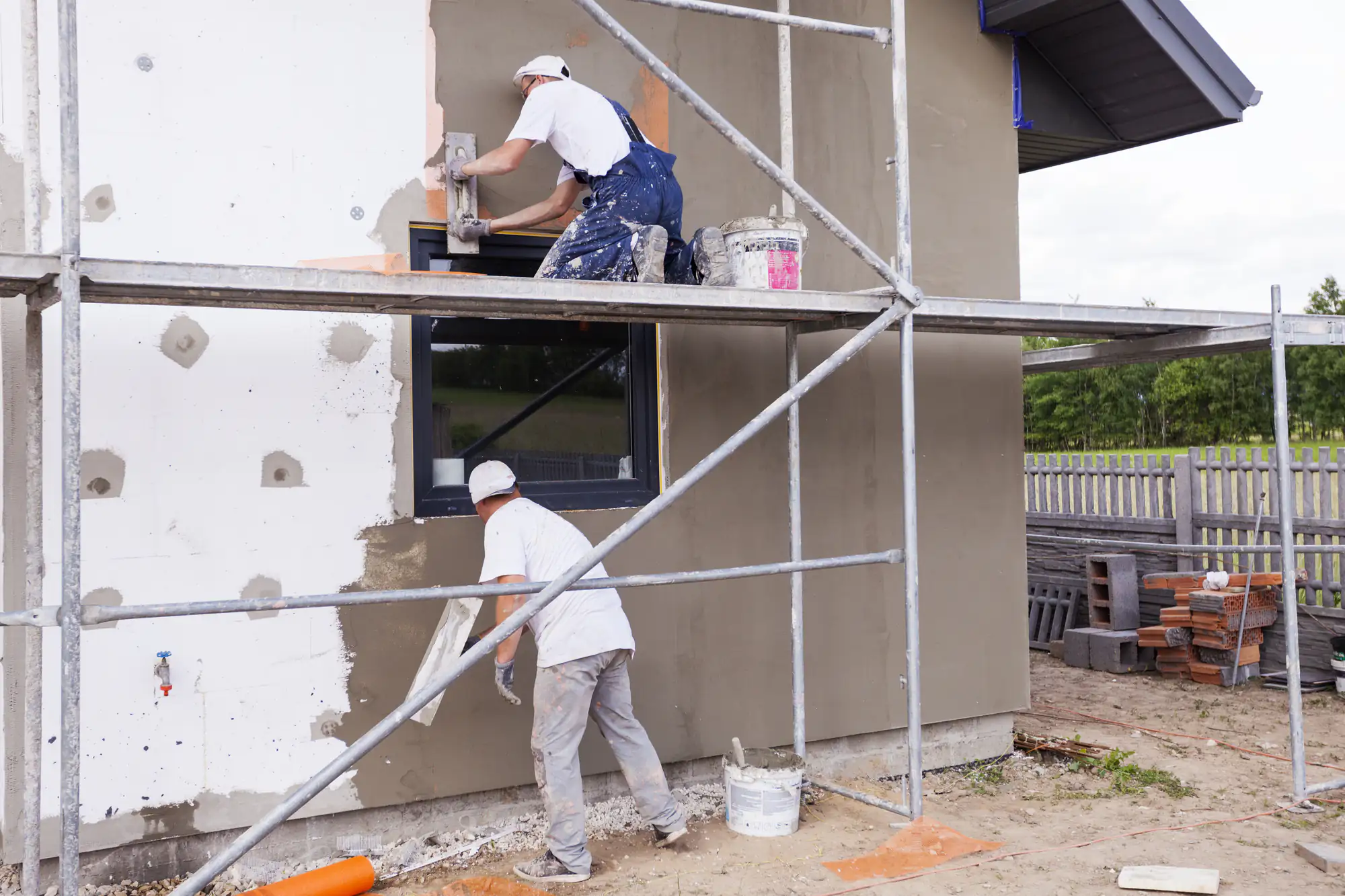
Stucco Installation Process Leesburg FL
We start with an on-site assessment of your home’s exterior. That means looking at your current wall condition, checking for any moisture issues that need addressing first, and talking through what finish and color you’re after. You get a clear estimate with realistic timelines before any work starts.
Prep work comes next, and it’s not optional. We protect your landscaping, windows, and anything else that shouldn’t get stucco on it. If there’s old material that needs removing or underlying damage that needs repair, that happens now. Skipping this step is how you end up with problems later.
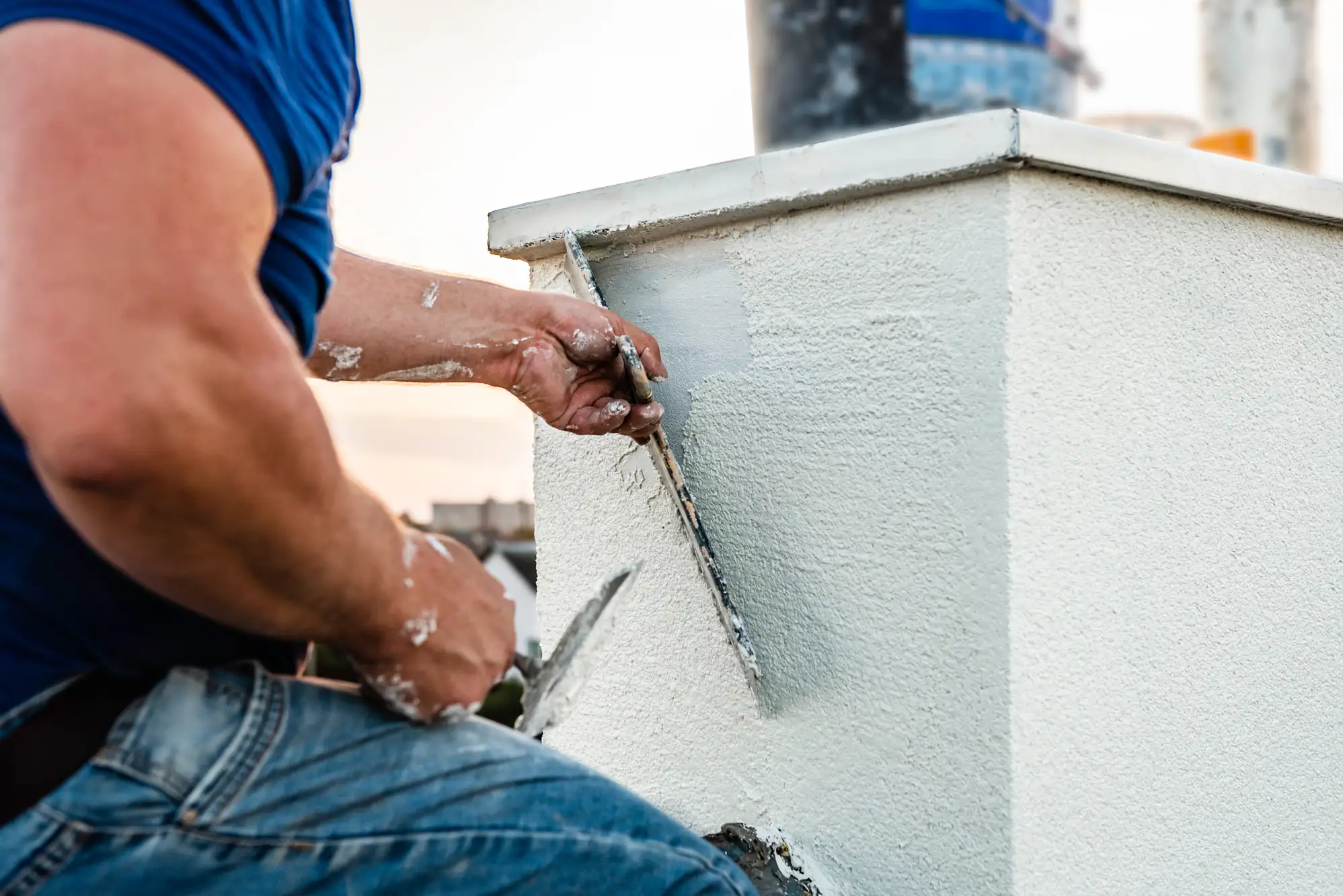
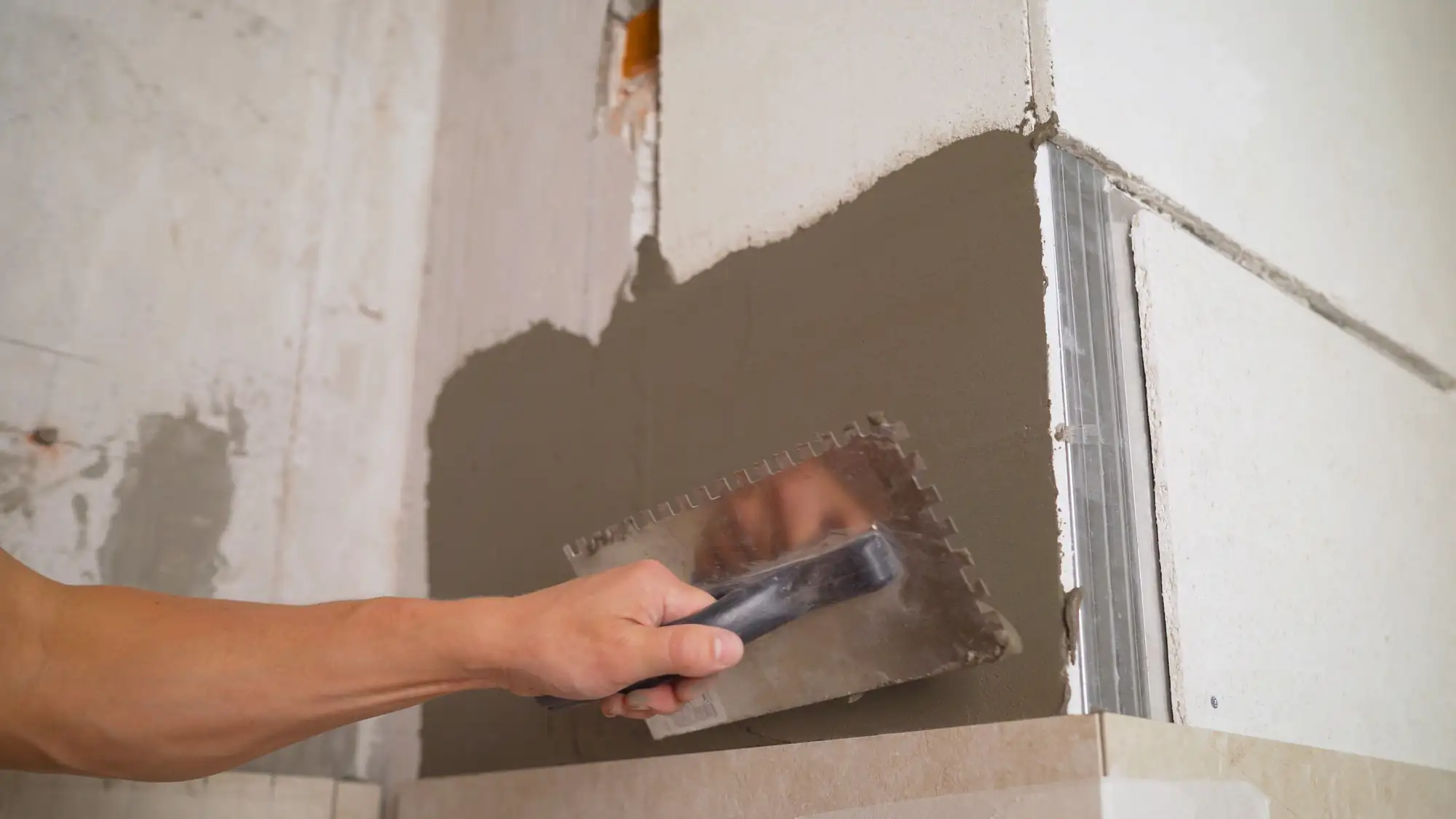
The actual stucco application happens in layers. First goes the weather barrier and lath system that gives the stucco something to grip. Then comes the scratch coat, brown coat, and finally your finish coat with whatever texture you’ve chosen. Each layer needs proper cure time. Rushing this process leads to cracking and failure down the road.
We’re talking days, not hours. A full exterior installation on an average Leesburg home typically runs 7-10 days depending on size and weather. You’ll know the schedule upfront, and we’ll keep you updated if anything changes.
Final inspection happens with you walking the property. We point out the work, answer your questions, and make sure you’re satisfied before we consider the job complete.
Ready to get started?
Professional Stucco Contractors Leesburg
You’re getting a complete exterior system, not just a cosmetic coating. That includes proper moisture barriers, correctly installed lath, and multiple coat applications that create a weather-resistant shell around your home.
In Leesburg specifically, we account for the fact that you’re dealing with Lake County’s clay-heavy soil and the moisture issues that come with it. Homes here, especially those built in the 90s and 2000s, often sit on concrete block construction. That’s actually ideal for stucco application, but it requires specific prep work to ensure proper adhesion and long-term performance.
The finish options matter more than most people realize. Smooth finishes show imperfections and require more maintenance. Medium textures hide minor settling cracks better and hold up well in Florida’s sun. Heavy textures create more surface area for dirt and mildew but offer maximum crack resistance. We’ll walk you through what makes sense for your specific home and how you want to spend your time on maintenance going forward.
Color selection isn’t just aesthetic. Lighter colors reflect heat and reduce cooling costs. Darker colors absorb heat and can lead to higher surface temperatures that accelerate wear. In Central Florida’s intense sun, that’s not a minor consideration. We’ll show you what holds up best and what you’ll be repainting sooner than you’d like.
You also get our commitment to clean job sites and clear communication. That means daily cleanup, not leaving your property looking like a construction zone for weeks. It means answering your calls and texts. It means showing up on schedule or letting you know ahead of time if weather changes the plan.
How long does stucco installation take on a typical Leesburg home?
Plan on 7-10 days for a complete exterior stucco installation on an average single-family home in Leesburg. That timeline assumes decent weather and no major underlying repairs needed.
The actual work happens in stages because each coat of stucco needs proper cure time before the next layer goes on. You can’t rush chemistry. The scratch coat needs 24-48 hours. The brown coat needs another 7 days to cure properly. The finish coat adds another few days depending on texture and color.
Weather impacts everything. If we get a solid week of afternoon thunderstorms, we’re not applying stucco. Moisture in the air affects cure times and can compromise the bond between layers. We’d rather add a few days to the schedule than deliver work that fails in two years. Most Leesburg homeowners appreciate that approach once they understand why we’re not working during a downpour.
What's the cost difference between stucco and other siding options in Central Florida?
Stucco installation typically runs higher upfront than vinyl siding but lower than quality fiber cement or brick. You’re looking at a bigger initial investment that pays off over decades, not years.
The real cost comparison isn’t just installation price. It’s what you spend over the life of the material. Vinyl siding in Florida lasts maybe 20-30 years if you’re lucky, and it doesn’t add any insulation value. You’re replacing it at least once, probably twice, during the time stucco is still performing. Fiber cement holds up better but costs more initially and requires repainting every 10-15 years.
Stucco gives you 50-100 years of service life with basic maintenance. It adds genuine insulation value that cuts your cooling costs in Leesburg’s summers. It qualifies your home for lower insurance premiums because it performs better in storms than vinyl or wood products. When you factor in energy savings, insurance reductions, and not having to re-side your house in 20 years, the math shifts considerably. Most homeowners who actually run the numbers end up choosing stucco for the long-term value, not because it’s the cheapest option today.
Does stucco really help with energy costs in Florida's heat?
Yes, and the difference shows up in your monthly electric bill. Stucco adds thermal mass to your exterior walls that helps stabilize indoor temperatures and reduces how hard your AC works.
Here’s what actually happens. When the sun beats down on your home during a Leesburg summer afternoon, stucco absorbs that heat slowly instead of transferring it directly inside like vinyl or metal siding does. That thermal mass effect means your interior walls stay cooler longer. Your air conditioner isn’t constantly cycling on and off trying to keep up with temperature swings.
The insulation value isn’t huge by itself, but it’s real. Combined with proper installation that eliminates air gaps and thermal bridges, you’re looking at measurably lower cooling costs compared to homes with thin siding materials. How much you save depends on your home’s size, insulation, windows, and how you set your thermostat. Most homeowners report noticeable differences, especially during peak summer months when AC costs spike. That savings compounds year after year for as long as you own the home.
How do I know if my Leesburg home is a good candidate for stucco?
Most homes in Leesburg work well for stucco, especially if you’ve got concrete block construction, which is common throughout Central Florida. The question isn’t usually whether stucco will work, it’s whether your exterior needs repairs first.
We look at a few things during the initial assessment. Is there existing moisture damage that needs addressing? Are your walls structurally sound, or is there settling and cracking that needs fixing before we add stucco? What’s the condition of your current exterior, and does it need to come off first? Those factors determine how much prep work happens before installation starts.
Homes built in the 90s and 2000s around Leesburg typically have good bones for stucco application. Older homes sometimes need more prep work, but they’re usually still good candidates. The few situations where we recommend against stucco are homes with ongoing foundation issues that haven’t been resolved or properties with severe moisture problems that need remediation first. Fix the underlying problem, then add stucco. Doing it backwards just covers up issues that will cause failure later. We’ll tell you honestly what your home needs and what order things should happen.
What maintenance does stucco actually require in Central Florida's climate?
Less than you’d think, but it’s not zero. You’re mainly looking at periodic cleaning and inspecting for cracks that need sealing before they become bigger problems.
Cleaning happens once or twice a year depending on how much mildew and dirt accumulate. In Leesburg’s humid climate, you’ll see some organic growth on north-facing walls that don’t get direct sun. A garden hose and soft brush handle most of it. For stubborn mildew, a mild detergent solution works. You’re not scrubbing hard or using pressure washers that can damage the finish.
Crack inspection should happen annually. Small hairline cracks are normal as your home settles and materials expand and contract with temperature changes. Catch them early, seal them with elastomeric caulk, and they stay small. Ignore them, and water gets behind your stucco where it causes real damage. We’re talking about a 30-minute walk around your house once a year, not a major maintenance project.
Repainting depends on your finish and color choice. Lighter colors in quality elastomeric paint can go 10-15 years before they need refreshing. Darker colors fade faster in Florida sun and might need attention every 7-10 years. That’s still considerably less maintenance than wood siding that needs painting every 5-7 years or constant repairs that vinyl siding requires when panels crack or blow off in storms.
Why do some stucco installations fail, and how do I avoid that?
Most stucco failures come down to improper installation, not problems with the material itself. You’re usually looking at moisture barriers that weren’t installed correctly, inadequate cure time between coats, or application during poor weather conditions.
The biggest issue we see in Central Florida is water getting behind the stucco because someone skipped proper weather barrier installation or didn’t seal penetrations correctly around windows, doors, and utilities. Once moisture gets back there, it sits against your wall sheathing and framing. That’s where you get rot, mold, and structural damage that costs serious money to fix. By the time you see stains or bulging on the surface, the damage behind the wall is usually extensive.
You avoid these problems by hiring stucco contractors who actually understand Florida’s climate and building codes. That means checking licenses, reading reviews from local homeowners, and asking specific questions about the installation process. How do they handle moisture barriers? What’s the cure time between coats? Do they work in the rain, or do they wait for proper conditions? The answers tell you whether they’re doing it right or cutting corners to finish faster.
The other factor is realistic pricing. If someone’s quote is significantly lower than everyone else’s, they’re skipping steps or using inferior materials. That’s not being smart with your money. That’s setting yourself up for expensive repairs within 5-10 years instead of getting an installation that lasts 50-100 years. You’re making a long-term investment in your home’s protection and value. Choose the stucco company that does it right, not the one that does it cheapest.
Other Services we provide in Leesburg