Stucco Installation in Palm Bay, FL
Your Exterior Won't Fail When Florida Gets Brutal
Hear from Our Customers
Stucco Contractors Serving Palm Bay Homeowners
You’re not looking for the cheapest option. You’re looking for something that actually lasts in this climate without becoming a maintenance nightmare.
That’s what proper stucco installation does. It keeps moisture out when the humidity spikes. It doesn’t crack apart during summer heat or blow off during storm season. And when it’s done right, you’re looking at 50-plus years of protection—not 20 years of patching, repainting, and wondering when the next repair bill is coming.
Most exterior materials weren’t designed for Central Florida. Stucco was. It reflects heat instead of absorbing it, which keeps your AC from running nonstop. It resists wind, fire, and pests. And if you’ve been dealing with an aging exterior that’s already showing cracks or water stains, you know exactly why that matters.
Experienced Stucco Company Near Palm Bay
We’ve been installing and repairing stucco across Central Florida for over 20 years. We’re not new to Palm Bay, and we’re not new to the problems homeowners face here—moisture intrusion, poor prep work from the last guy, systems that weren’t built for Florida’s climate in the first place.
Our team knows what works in this environment because we’ve seen what fails. We’ve also earned a 5.0 Google rating and 4.6 overall rating across 145 reviews by showing up when we say we will, communicating clearly, and not leaving a mess behind. That’s not marketing talk—it’s what keeps people calling us back and referring their neighbors.
If you’re in Palm Bay, Melbourne, Titusville, or anywhere in the Orlando metro area, you’re in our service zone. And if your home was built in the ’90s or 2000s, there’s a good chance your exterior is due for attention.
Our Stucco Installation Process in Palm Bay
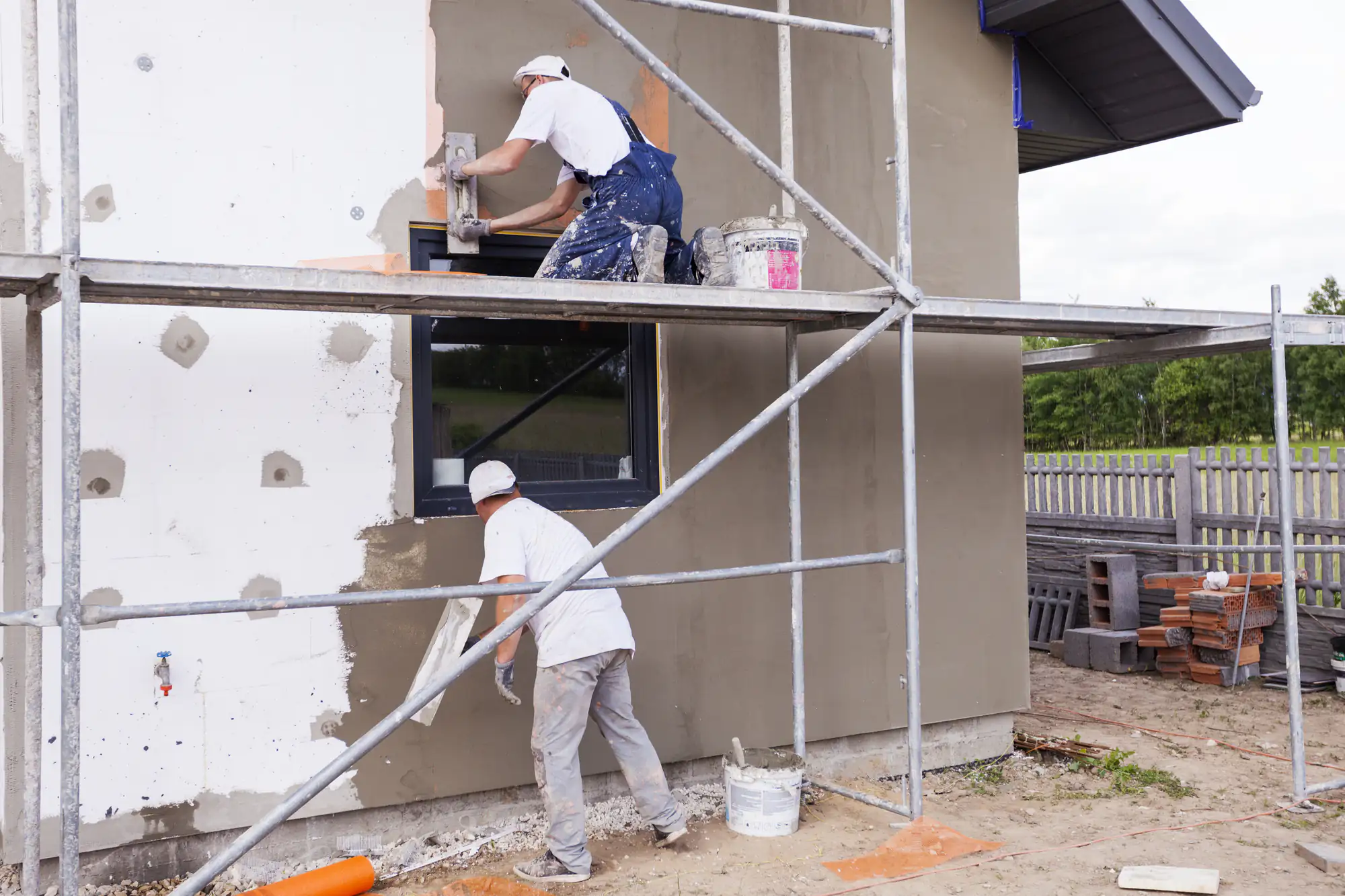
First, we assess your home’s current condition. If there’s existing stucco, we check for moisture damage, structural issues, or improper installation that needs to be corrected before we do anything else. Skipping this step is how you end up with new stucco over rotting wood.
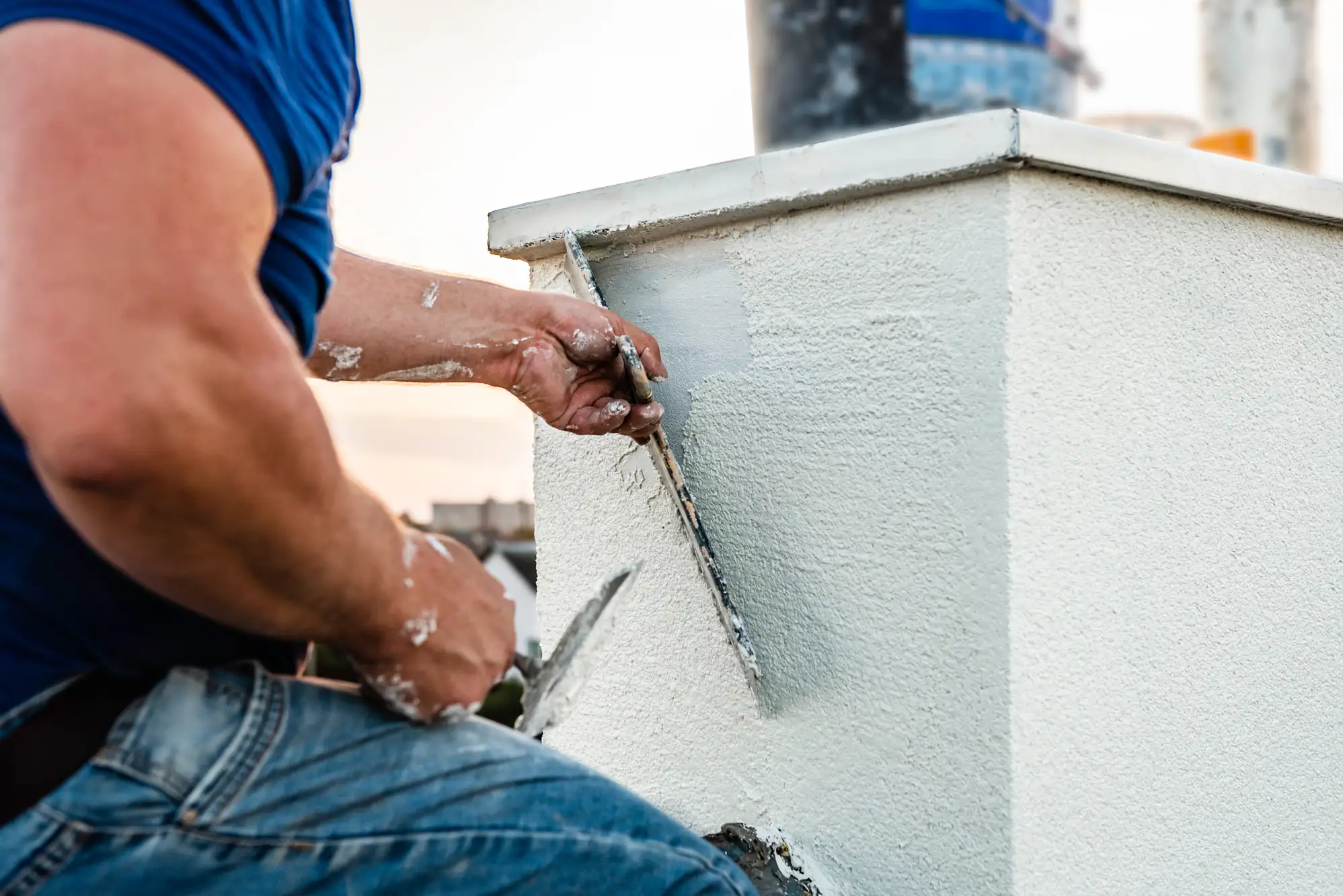
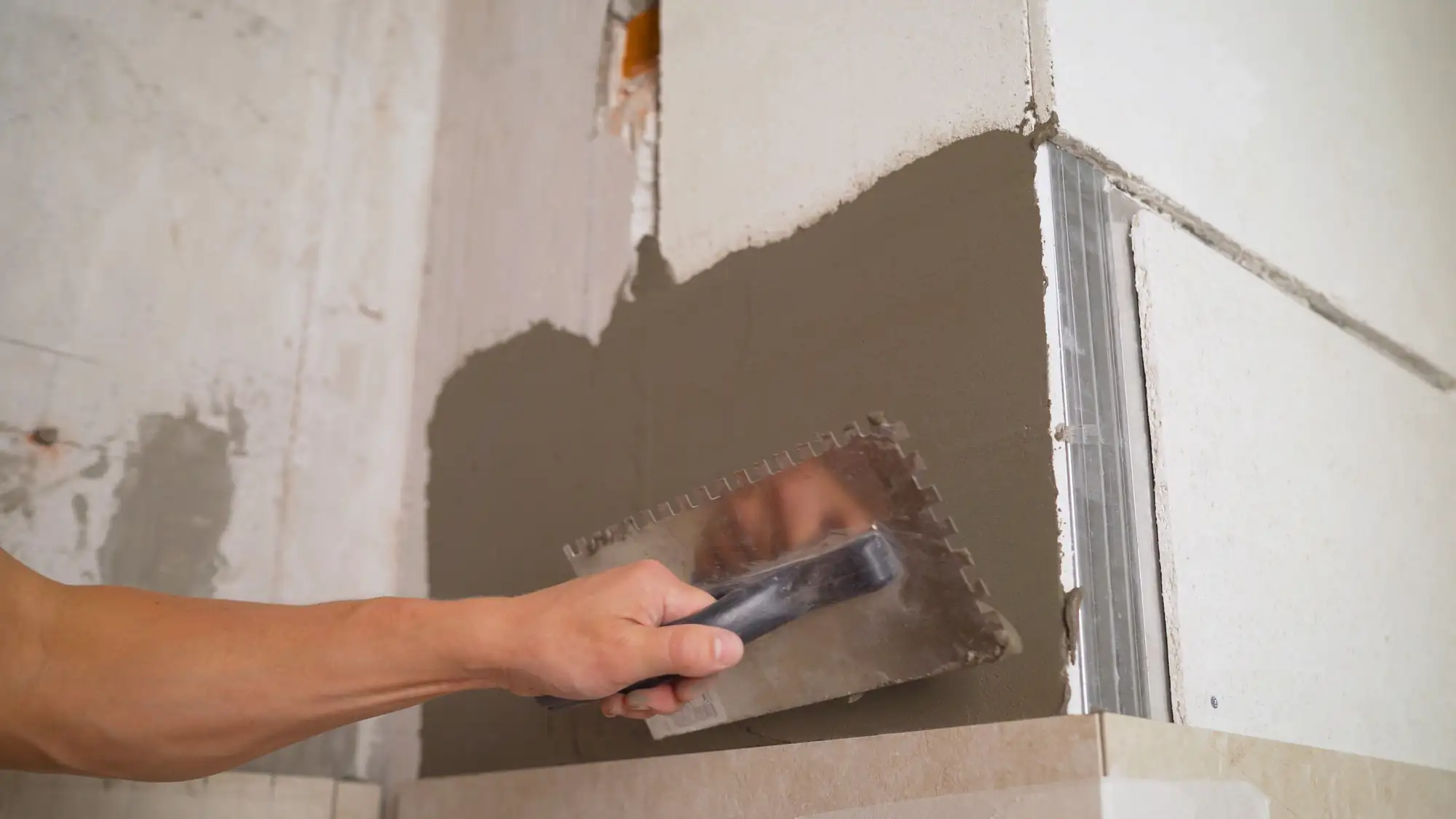
Next comes prep work. We set the framework correctly, install moisture barriers where they’re actually needed, and make sure everything is level and secure. This is the part most contractors rush—and it’s the part that determines whether your stucco lasts five years or fifty.
Then we apply the stucco system itself. Depending on your home and your goals, that might be traditional cement-based stucco or EIFS (which includes foam insulation and extra moisture protection). We use materials built for Florida’s environment, not whatever’s cheapest. And we don’t move to the next layer until the previous one is fully cured.
Finally, we finish with the texture and color you want, clean up the site completely, and walk you through what to expect for maintenance. You’ll get a clear timeline before we start, and we’ll keep you updated if anything changes. No surprises, no disappearing for days at a time.
Ready to get started?
What's Included in Stucco Installation Services
When we install stucco on your Palm Bay home, you’re getting a full system designed to protect your property from the specific threats it faces here. That means moisture barriers that actually stop water intrusion during Florida’s heavy rainstorms. It means materials that won’t crack when temperatures swing or expand in the humidity. And it means installation that meets Florida building codes—which exist for a reason in a state with hurricanes and tropical storms.
You’re also getting energy efficiency that most people don’t think about until they see their first electric bill after installation. Stucco acts as an insulator, reflecting heat instead of absorbing it. That keeps your home cooler without forcing your AC to work overtime, which is a big deal when summer temperatures in Palm Bay regularly hit the 90s.
And if you’re concerned about curb appeal or resale value, stucco gives you options. Smooth, textured, decorative patterns—you’re not locked into one look. But more importantly, buyers in Central Florida know what stucco means: low maintenance, durability, and a home that’s built to handle the climate. That’s worth more than a fresh coat of paint on a material that’s already failing.
How much does stucco installation cost for a home in Palm Bay?
For a typical 2,000-square-foot home in Palm Bay, you’re looking at somewhere between $18,000 and $44,000 depending on the system you choose, the condition of your existing exterior, and how much prep work is needed. That’s a wide range because every project is different.
Traditional cement-based stucco tends to run $9 to $15 per square foot. EIFS systems, which include foam insulation and extra moisture protection, cost more—usually $15 to $22 per square foot. But EIFS also gives you better energy efficiency and an added layer of defense against Florida’s humidity, so it’s not just about upfront cost.
If your home has existing damage—rotting wood, old stucco that needs to be removed, structural issues—that adds to the price. But it also has to be fixed. Installing new stucco over a compromised surface doesn’t save you money. It just delays the real problem and makes it more expensive later.
How long does stucco installation take on a Palm Bay home?
Most residential stucco installations take one to three weeks depending on the size of your home, weather conditions, and the complexity of the job. Smaller homes or straightforward projects can move faster. Larger homes, homes with a lot of architectural detail, or projects that require significant prep work take longer.
Weather plays a role because stucco needs time to cure properly between layers. If we’re in the middle of a rainy stretch or dealing with high humidity (which is common in Palm Bay), we’re not rushing the process just to meet a deadline. Proper curing is what prevents cracking and ensures the system performs the way it’s supposed to.
We’ll give you a realistic timeline upfront based on your specific project. And if something changes—weather delays, unexpected damage we find during prep—we’ll let you know immediately. You won’t be left guessing when we’re coming back or why the schedule shifted.
Will stucco hold up against Florida's humidity and storms?
Yes, if it’s installed correctly. Stucco has been used in Florida for decades because it’s one of the few exterior materials that can actually handle the climate here. It resists wind, doesn’t absorb moisture the way wood does, and won’t blow off during a storm like some siding materials can.
But installation quality is everything. If the moisture barriers aren’t installed properly, if the base layers aren’t applied correctly, or if the contractor skips steps to save time, you’ll end up with water intrusion, cracks, and damage to the structure behind the stucco. That’s not a stucco problem—that’s an installation problem.
EIFS systems add even more protection because they include multiple layers designed specifically to keep moisture out. In Palm Bay, where you’re dealing with afternoon thunderstorms, high humidity, and occasional hurricanes, that extra protection matters. Properly installed stucco—whether traditional or EIFS—will outlast most other exterior options in this environment by decades.
What's the difference between traditional stucco and EIFS?
Traditional stucco is a cement-based system applied in multiple layers directly over your home’s exterior. It’s durable, fire-resistant, and has been used in Florida for generations. It works well, but it doesn’t offer much insulation on its own, and it can crack over time if the home settles or if it’s not applied correctly.
EIFS—Exterior Insulation and Finish System—adds foam insulation boards between your home’s exterior and the stucco layers. That gives you better energy efficiency, more flexibility (which reduces cracking), and an extra barrier against moisture. EIFS systems also include a mesh layer and specialized coatings that improve durability in humid climates like Palm Bay’s.
The tradeoff is cost. EIFS is more expensive upfront. But if you’re concerned about energy bills, long-term durability, or added moisture protection, it’s worth considering. Both systems work in Central Florida when installed properly—it just depends on your priorities and budget.
How do I know if my current stucco needs to be replaced?
Look for cracks wider than a hairline, especially around windows, doors, or corners. Small cracks are normal and can be repaired, but larger cracks or cracks that keep coming back usually mean there’s a bigger issue—either with the installation, the structure behind the stucco, or moisture damage that’s been happening for a while.
Water stains, discoloration, or soft spots are red flags. If you press on your stucco and it feels spongy or if you see dark streaks running down the wall, water is getting behind the surface. That means the moisture barrier failed or was never installed correctly, and the longer it sits, the more damage it’s doing to the wood and framing behind it.
You should also pay attention to what’s happening inside your home. Peeling paint near windows, musty smells, or visible mold on interior walls can all be signs that your exterior is letting moisture in. If your home was built in the ’90s or early 2000s and you’ve never had the stucco inspected, it’s worth having someone take a look—especially in Palm Bay’s climate, where humidity accelerates damage.
Do you serve areas outside of Palm Bay?
Yes. We serve Palm Bay and the surrounding Central Florida area, including Melbourne, Titusville, Orlando, Kissimmee, Deltona, Daytona Beach, Sanford, Clermont, Leesburg, Mount Dora, and most communities in between. If you’re in the Orlando metro area or along the Space Coast, you’re in our service zone.
We’ve been working in this region for over 20 years, so we know the specific challenges homeowners face depending on where they’re located. Coastal homes near Melbourne or Titusville deal with salt air and higher moisture levels. Inland homes near Orlando or Clermont face intense sun exposure and temperature swings. We adjust our approach based on your location and your home’s specific needs.
If you’re not sure whether we cover your area, just ask. We’ll let you know right away, and if we don’t service your location, we’ll tell you that too—no runaround.
Other Services we provide in Palm Bay