House Painters in Daytona Beach, FL
Exterior Paint That Actually Lasts in Florida
Hear from Our Customers
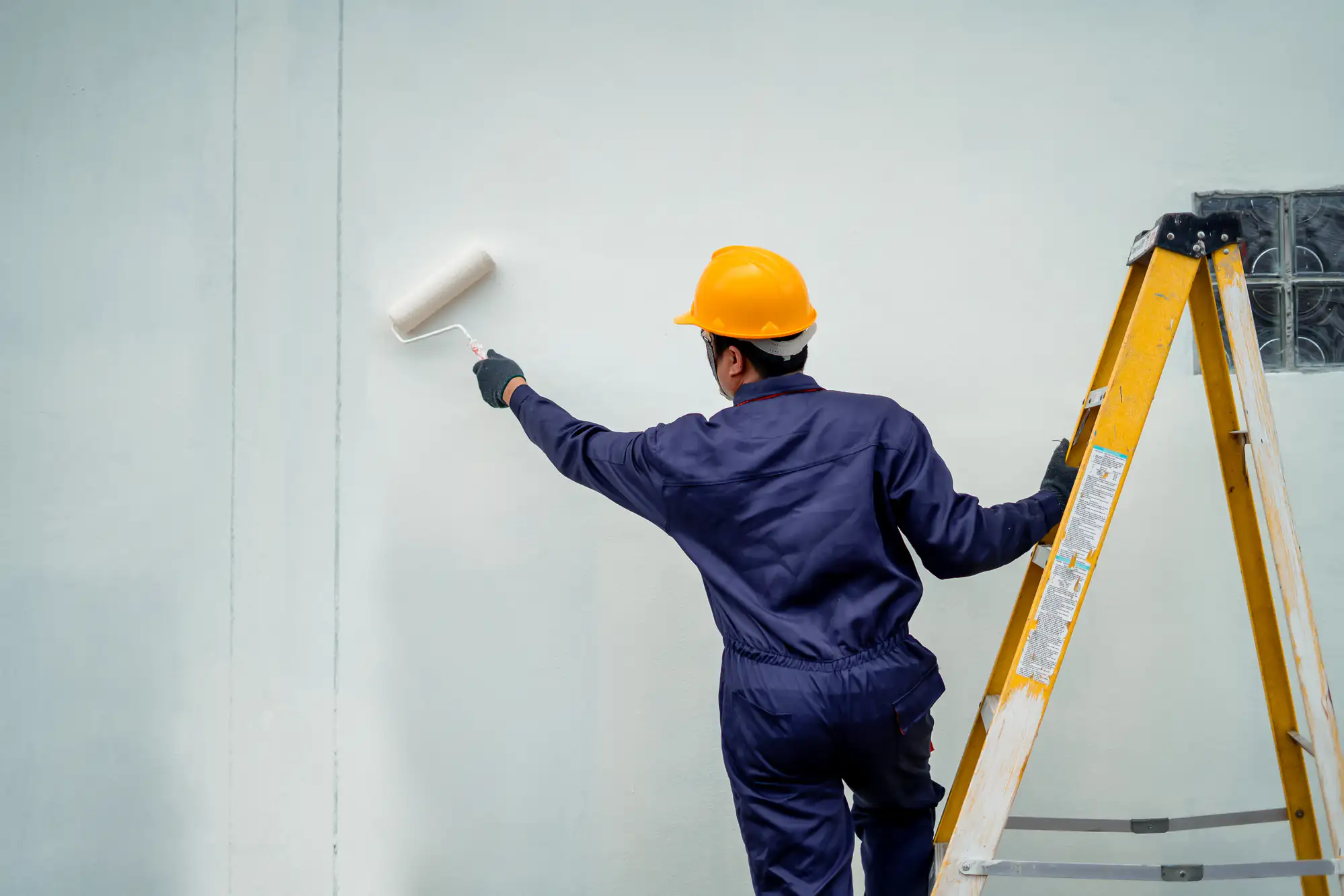
Exterior Painters Near Me in Daytona Beach
Your home’s exterior takes a beating in Daytona Beach. Between the salt air rolling in off the Atlantic, the relentless UV exposure, and summer storms that hit without warning, standard paint jobs start failing within two to three years. You see it everywhere—peeling around the trim, fading on south-facing walls, blistering near the roofline.
That’s not normal wear. That’s the wrong paint, the wrong prep, or both.
When exterior painting is done right, you’re looking at seven to ten years before you even think about touching it up. The surface stays smooth. The color holds. Water beads off instead of soaking in. You’re not calling home painters every few years because something went wrong again.
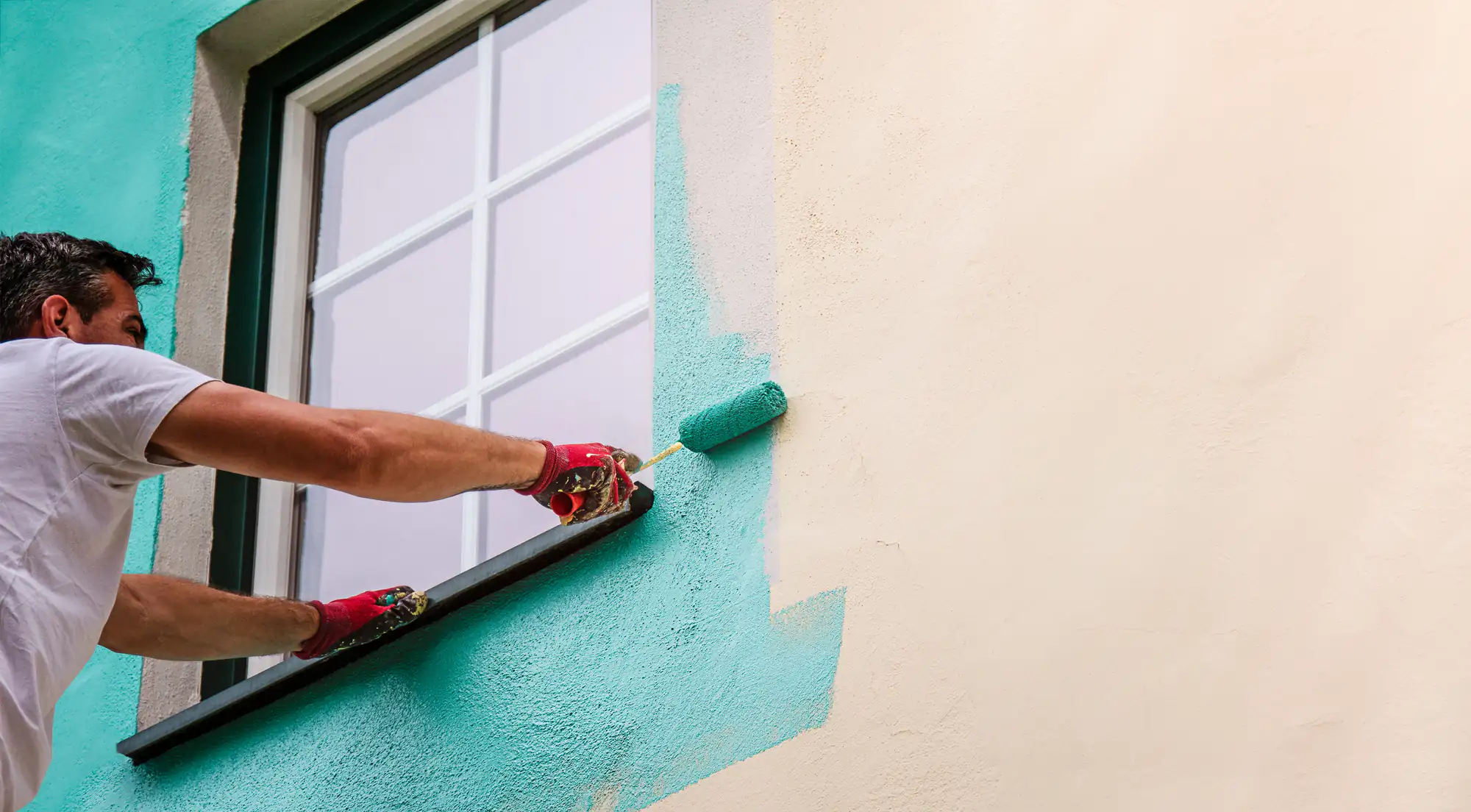
The difference isn’t luck. It’s using elastomeric coatings that flex with your stucco instead of cracking. It’s choosing UV-resistant formulas that don’t chalk or fade. It’s pressure washing, patching, priming, and sealing before the first coat ever goes on. Most exterior painting contractors near me skip half of that because it takes time. But that’s exactly why their work doesn’t last.
Daytona Beach Exterior Painting Contractors
We’ve been handling exterior work across Central Florida since the early 2000s. We’re not a national franchise that showed up last year. We’ve painted homes through hurricane seasons, summer downpours, and the kind of heat that makes cheap paint bubble by noon.
Daytona Beach has specific challenges. Homes near the beach deal with salt air that corrodes faster than you’d think. Older neighborhoods have stucco that needs elastomeric coatings, not flat latex. Newer developments use fiber cement that requires different prep and primers. We’ve worked on all of it.
Our crew is fully licensed and insured. We use Sherwin-Williams premium lines—Duration, Emerald, Latitude—because they’re formulated for climates like this. And we don’t leave until the job is finished correctly, which includes protecting your landscaping, cleaning up daily, and making sure every edge is crisp.
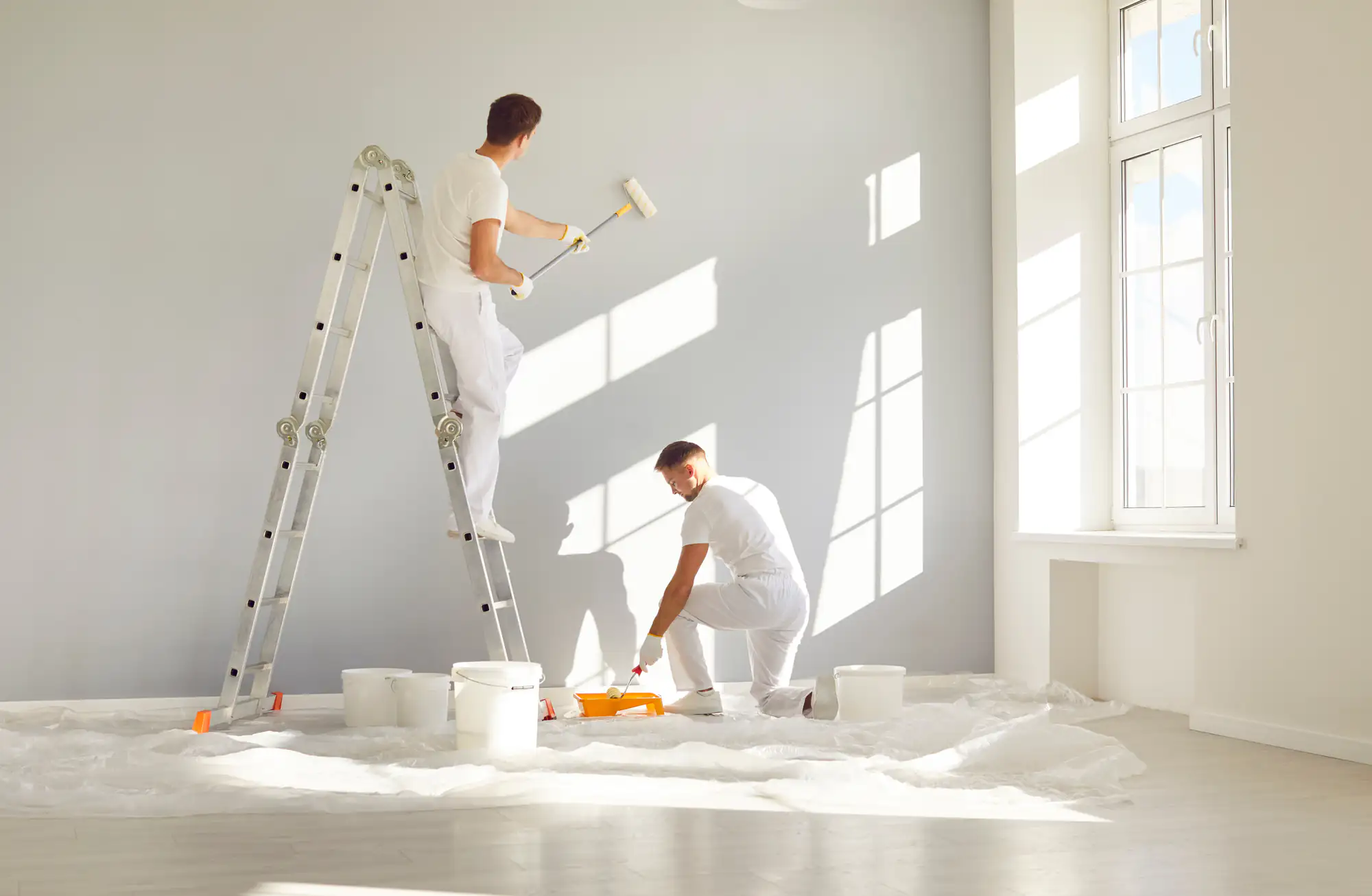
How Our Exterior Painting Companies Work
We start with a free estimate at your property. You’ll get a clear breakdown of what needs to happen—surface repairs, primer, coats, materials—and a realistic timeline. No surprises, no upselling.
Once you’re ready to move forward, we schedule based on weather. Florida rain can delay exterior work, so we plan around forecasts and keep you updated if anything shifts. On day one, we pressure wash and prep the surfaces. That means scraping loose paint, filling cracks, sanding rough spots, and priming bare areas. This step takes longer than most outdoor painters near me spend on it, but it’s the foundation of everything.
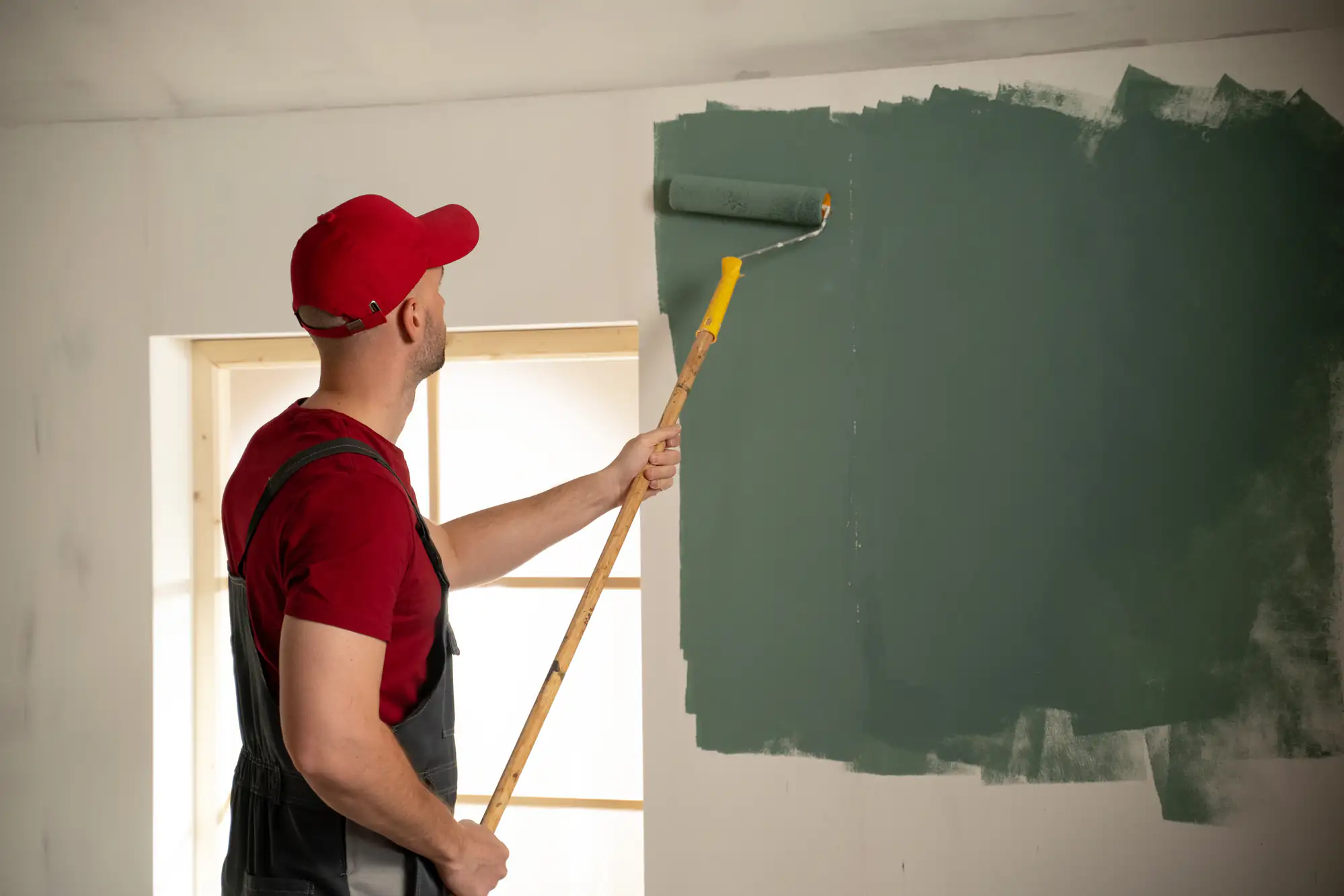
After prep, we apply two coats of premium exterior paint. We mask windows, cover plants, and protect driveways. The crew works efficiently but doesn’t rush corners. You’ll see progress every day, and we clean up before we leave each evening.
At the end, we do a full walkthrough with you. If something isn’t right, we fix it before we call it done. You’re not chasing us down after the fact.
Ready to get started?
What's Included with Our Exterior Home Painter
Every exterior painting project includes full surface preparation—pressure washing, scraping, patching, sanding, and priming. We don’t paint over problems. If your stucco has cracks, we fill them with elastomeric filler. If your trim is rotted, we’ll let you know before we paint over it and create a bigger issue later.
We use Sherwin-Williams premium exterior paints across the board. For stucco, that usually means Duration or Emerald with advanced UV and moisture resistance. For wood and fiber cement siding, we match the product to the surface. All of it is designed to handle Daytona Beach’s coastal climate—high humidity, salt exposure, intense sun.
The process includes two finish coats after priming. We mask and protect everything that isn’t getting painted. Landscaping, windows, driveways, light fixtures—it all gets covered or taped off. We also handle any minor carpentry repairs that come up during prep, so you’re not left with half-finished details.
Cleanup happens daily, and we do a final walkthrough when the job is complete. If you spot anything that needs a touch-up, we handle it before we consider the project finished. You’re not dealing with a crew that disappears the moment the last brush is cleaned.
How often do I need to repaint my home's exterior in Daytona Beach?
Most homes in Daytona Beach need repainting every five to seven years, but that timeline shifts depending on a few factors. If your home is near the beach, salt air accelerates paint breakdown. If it’s an older property with wood siding, you’re looking at the shorter end of that range—closer to three to five years. Stucco with elastomeric coatings can stretch to ten years if the prep and materials were solid from the start.
The real issue is that most exterior painting contractors use builder-grade paint and minimal prep, which cuts that timeline in half. You’ll see peeling and fading within two to three years, and by year four, you’re repainting out of necessity, not preference.
If you want to extend the cycle, the paint quality and surface prep matter more than anything else. Premium lines like Sherwin-Williams Duration or Benjamin Moore Aura are formulated to resist UV damage, moisture intrusion, and mildew growth. Pair that with proper washing, priming, and crack sealing, and you’re looking at seven to ten years before the next job.
What type of paint holds up best in Florida's heat and humidity?
Elastomeric and 100% acrylic latex paints handle Florida’s climate better than anything else. Elastomeric coatings are thicker and more flexible, which makes them ideal for stucco. They fill hairline cracks, resist moisture penetration, and expand and contract with temperature swings without cracking or peeling. That flexibility is critical in Daytona Beach, where your exterior surfaces heat up to 150+ degrees in summer and cool down overnight.
For wood or fiber cement siding, high-quality acrylic latex with UV inhibitors is the way to go. Sherwin-Williams Duration and Emerald lines both include advanced resins that resist fading, chalking, and blistering under direct sun exposure. They also have mildew-resistant additives, which matters in a place where humidity stays above 70% most of the year.
Avoid flat or low-grade paints. They might cost less upfront, but they absorb moisture, fade faster, and don’t hold up to pressure washing when it’s time to repaint. Satin or semi-gloss finishes are better for exteriors here—they shed water, resist dirt buildup, and make future maintenance easier.
How long does an exterior painting project usually take?
For a typical single-family home in Daytona Beach, expect five to seven days from start to finish. Larger homes or properties with extensive trim, multiple stories, or stucco repairs can stretch to two weeks. Weather plays a role too—if it rains or if humidity spikes above 85%, we pause until conditions improve. Painting in bad weather leads to poor adhesion and early failure.
Day one is almost always prep. That includes pressure washing, scraping loose paint, filling cracks, sanding rough areas, and priming bare spots. Prep takes longer than most people expect, but it’s the most important part of the process. If the surface isn’t clean and smooth, the paint won’t bond correctly.
After prep, we apply two finish coats. Each coat needs time to dry, and in Florida’s humidity, that can mean waiting a full day between applications. We don’t rush it. Fast-drying paint in high humidity traps moisture underneath, which causes blistering and peeling within months.
Once the final coat is on and fully cured, we do a walkthrough and handle any touch-ups. The timeline might feel longer than a quick turnaround from other outside painters near me, but the result is a finish that actually lasts.
Do you handle surface repairs before painting, or is that separate?
Surface repairs are included in every exterior painting project we do. If we find cracks in your stucco, rotted trim, or damaged siding during the estimate or prep phase, we address it before any paint goes on. Painting over damage doesn’t fix the problem—it just hides it until it gets worse.
For stucco, that usually means filling cracks with elastomeric patching compound and sealing any areas where moisture has penetrated. For wood siding or trim, we replace rotted sections and sand down rough or splintered areas. Fiber cement gets patched and caulked where needed, especially around windows and door frames where water tends to seep in.
Minor carpentry work—replacing a few boards, re-securing loose trim, fixing fascia—is handled as part of the prep process. If the damage is extensive, we’ll let you know upfront and provide a separate estimate for larger repairs. But small fixes that keep the paint job from failing early are just part of doing the work right.
Most exterior painting companies near me either skip this step entirely or charge extra for every little repair. We build it into the process because there’s no point in painting a surface that’s going to fail in a year.
What's the difference between cheap and premium exterior paint?
Premium exterior paint has higher resin content, better pigments, and advanced additives that protect against UV damage, moisture, and mildew. Cheap paint uses lower-quality binders and fillers, which means it breaks down faster under Florida’s sun and rain. You’ll see fading, chalking, and peeling within two to three years. Premium paint holds its color and integrity for seven to ten years or more.
The resin is what makes paint stick to the surface and flex with temperature changes. Higher resin content means better adhesion and durability. Cheap paints use more fillers and less resin, so they don’t bond as well and they crack when your siding expands and contracts in the heat.
Pigment quality affects how well the color holds up under UV exposure. Premium lines like Sherwin-Williams Duration and Benjamin Moore Aura use fade-resistant pigments that keep their vibrancy even on south-facing walls that get direct sun all day. Cheap paints fade to a washed-out version of the original color within a couple of years.
Additives matter too. Premium paints include mildew inhibitors, which are critical in humid climates like Daytona Beach. They also have better moisture resistance, so water beads off instead of soaking into the surface. That prevents blistering, peeling, and rot underneath the paint. Cheap paint absorbs water, which leads to early failure and costly repairs.
Can you paint during Florida's rainy season, or do I need to wait?
We can paint during rainy season, but we work around the weather. Florida summers bring afternoon storms almost daily, so we start early in the morning and plan to finish exterior coats before the rain hits. If the forecast shows heavy or all-day rain, we reschedule that portion of the work. Painting in wet conditions or right before a storm causes adhesion problems and ruins the finish.
Humidity is actually a bigger concern than occasional rain. When humidity stays above 85%, paint takes longer to dry and cure. If we apply a second coat too soon, moisture gets trapped underneath, which leads to blistering and peeling. We monitor conditions throughout the day and adjust the schedule as needed to make sure each coat dries properly.
Prep work like pressure washing and surface repairs can happen in higher humidity or between storms. It’s the actual painting that requires dry conditions. Most external painters near me push through regardless of weather because they’re trying to finish fast. That’s how you end up with a paint job that fails in the first year.
If you’re planning an exterior painting project, late fall through early spring is ideal in Daytona Beach—lower humidity, fewer storms, and more consistent weather. But if you need it done in summer, we make it work. It just takes a little more planning and flexibility with the timeline.
Other Services we provide in Daytona Beach