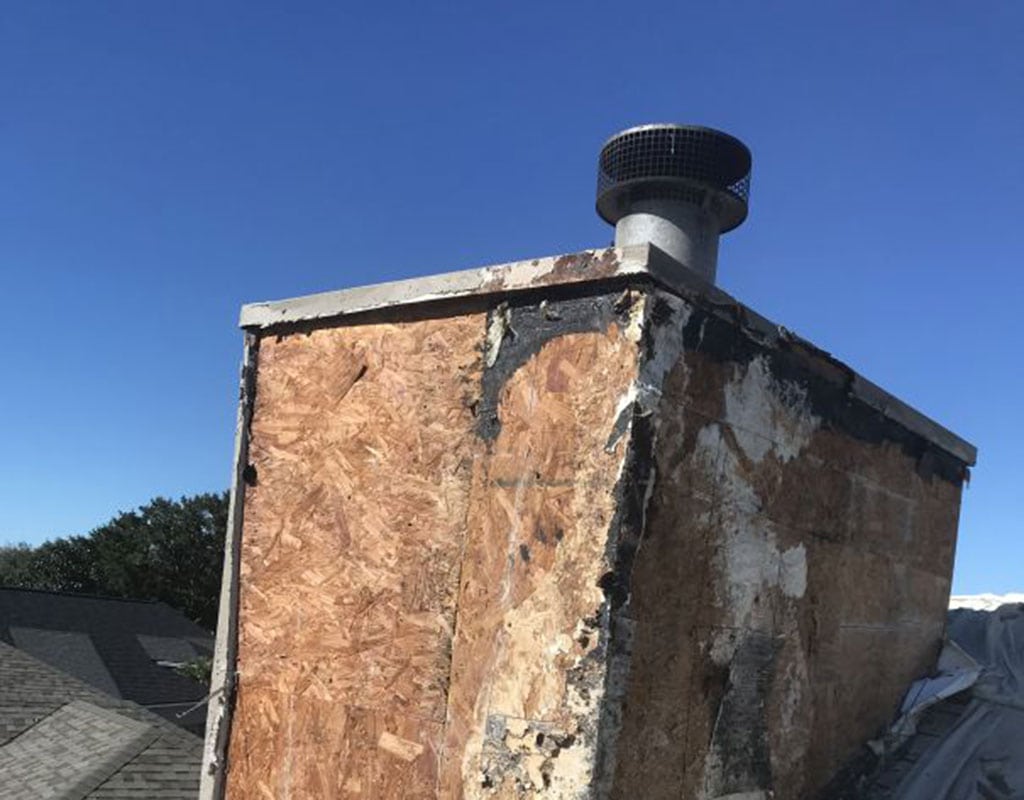
You noticed a crack. Maybe a stain. Maybe a section of the facade that looks like it’s starting to separate. You’re not sure if it’s cosmetic or something worse — and you’re not ready to call a contractor yet because you don’t know enough to evaluate what they tell you.
That’s exactly where most commercial property owners and managers in Orange County find themselves. The region has thousands of commercial buildings, many of them built during the construction boom of the 1980s and 1990s, and a significant number are showing their age in ways that aren’t always visible from the parking lot.
This guide is for you — the person who wants to understand the process before committing to anything.
What a Legitimate Stucco Inspection and Repair Process Actually Looks Like
The single biggest mistake commercial property owners make isn’t hiring the wrong company. It’s hiring a company that skips the diagnostic step and goes straight to patching. A crack patched over an active moisture intrusion problem will re-crack within a season. The stucco looks fine for a few months, the water keeps moving behind the wall, and you’re back to square one — except now the framing has had more time to absorb moisture.
Any contractor worth hiring will start with a thorough inspection before quoting anything. That means looking at the full building envelope, not just the visible damage. It means checking the areas around windows, doors, eaves, and roof-to-wall transitions — the places where water most commonly finds its way in.
A proper stucco inspection and repair process begins with understanding why the damage happened, not just what it looks like.
Why the Root Cause Matters More Than the Crack Itself
Here’s something most stucco contractors won’t tell you upfront: the crack on your building’s facade is usually a symptom, not the problem. The problem is almost always behind the wall — a failed moisture barrier, improper flashing at a window or door, a drainage issue that’s been slowly saturating the substrate for years.
In Central Florida, water intrusion behind the finish coat is responsible for the majority of stucco failures. Orange County’s climate doesn’t forgive small installation errors the way a drier climate might.
Orlando averages over 50 inches of rain annually, most of it concentrated between June and September. The humidity sits at around 74% on average, spiking even higher during the rainy season. That combination creates relentless pressure on any gap or crack in a building’s exterior. Stucco systems that might last decades in a temperate climate can fail in a fraction of that time here if they weren’t installed correctly or haven’t been maintained.
This is why the diagnostic step isn’t optional — it’s the whole job. A contractor who shows up, looks at the visible crack, and starts mixing patching compound is not doing commercial stucco repair. They’re doing cosmetic maintenance. For a residential homeowner, that might be a minor inconvenience. For a commercial property with tenants, liability exposure, and a board or investors to answer to, it’s a much bigger problem.
When we assess a commercial building, the inspection comes first. We’re looking at the full picture — substrate condition, moisture indicators, flashing details, the age and type of the stucco system — before we discuss scope or timeline. That’s how you get a repair that actually holds.
The EIFS Problem That’s Hiding in Plain Sight Across Orange County
If your commercial building was constructed or renovated in the late 1980s or 1990s, there’s a reasonable chance it has EIFS — Exterior Insulation and Finish System, sometimes called synthetic stucco. EIFS was widely adopted during Orange County’s commercial construction boom of that era, and the original systems installed back then were barrier systems with no drainage plane. That design assumed perfect installation and perfect maintenance. Neither happened consistently, and those systems are now 25 to 35 years old.
The way EIFS fails is particularly insidious. Moisture gets in through small gaps around windows, doors, or penetrations — often gaps so small you’d never notice them from the outside. Once inside, the moisture has nowhere to go. It sits against the framing and substrate, feeding mold and rot for years before anything visible appears on the surface.
By the time a building owner notices something wrong, the damage behind the facade is often far more extensive than the exterior suggests.
A study of EIFS-clad buildings found that nearly 95% of tested structures had moisture problems — and in almost every case, the failure point wasn’t the EIFS material itself, but the detailing around penetrations. That finding is directly relevant to the stock of 1990s commercial buildings across Orange County, from older strip centers in Ocoee and Apopka to professional office buildings throughout the suburbs.
Assessing EIFS correctly requires specific knowledge of how these systems were built, how they fail, and what a proper repair or remediation looks like. It’s not the same process as repairing hardcoat stucco over concrete block, and a contractor who treats them the same way is going to miss things. We’ve worked extensively with aging EIFS systems across Central Florida and understand the failure patterns specific to this region and building era.
How to Verify You’re Hiring a Licensed Stucco Contractor in Florida
Florida requires a separate Plastering and Stucco specialty contractor license for stucco work — a general contractor license doesn’t automatically cover it. This is administered by the Florida Department of Business and Professional Regulation, and it requires passing dedicated trade and business examinations. It’s a real credential, not a formality.
The practical implication for commercial property owners is straightforward: if a contractor you’re considering can’t provide a DBPR license number, or if that number doesn’t match the Plastering and Stucco specialty category when you look it up, don’t hire them.
You can verify any Florida contractor’s license at MyFloridaLicense.com in about two minutes. If a contractor is confident in their credentials, they’ll hand you that number without hesitation.
What Licensing and Insurance Actually Protect You From
The licensing requirement isn’t bureaucratic noise. It exists because stucco work — especially on commercial buildings — intersects with structural systems, moisture barriers, and building codes in ways that have real consequences when done wrong. A licensed contractor has demonstrated a baseline level of knowledge about those systems. An unlicensed one hasn’t.
Insurance is equally non-negotiable, and the piece most property owners overlook is workers’ compensation. General liability insurance protects against property damage. Workers’ compensation protects against something more serious: if a worker is injured on your property and the contractor doesn’t carry workers’ comp, the liability can fall back on you as the property owner.
That’s not a hypothetical — it’s a real legal exposure that commercial property managers need to account for.
Beyond licensing and insurance, Florida stucco permits are required for repairs exceeding 25 square feet in most jurisdictions. For commercial work in Orange County, that means coordinating with the City of Orlando’s Building and Zoning Division or the relevant permitting authority depending on your municipality. A contractor who suggests skipping the permit to save time is handing you a compliance problem, an insurance problem, and a potential resale complication all at once.
We’re fully licensed under Florida’s DBPR and carry both general liability and workers’ compensation. We handle permit coordination as part of the project — it’s not an afterthought or an add-on, it’s part of doing the job correctly.
Local Stucco Repair in Orange County: Why Regional Expertise Changes the Outcome
There’s a difference between a contractor who does stucco work and a contractor who understands what stucco work means in Central Florida specifically. The materials that perform well in a drier climate aren’t always the right choice here. The maintenance cycles that make sense in the Northeast don’t apply when UV radiation breaks down protective sealants in five to seven years instead of ten.
The inspection approach that works for wood-frame construction in other parts of the country doesn’t translate directly to the concrete block structures that dominate Orange County’s commercial building stock.
Elastomeric coatings, for example, are a standard recommendation in this market because they can stretch up to 600% without cracking — which matters in a climate where daily thermal expansion and contraction is the norm, not the exception. Breathable exterior paint matters here because trapping moisture vapor inside a stucco system in a high-humidity environment accelerates failure. These aren’t universal best practices; they’re Florida-specific choices that reflect what actually works in this climate.
Local expertise also means understanding the permit landscape. Orange County’s requirements, the City of Orlando’s building and zoning process, and the nuances of working on commercial properties with active tenants are things a contractor learns through experience in this specific market — not from a national operations manual.
When a repair requires engineer coordination for a structural issue, having established relationships with local engineers matters. When a property manager needs work scheduled around tenant hours or a retail center’s peak traffic, that’s a conversation that requires local judgment.
We’ve been working across Orange, Osceola, Seminole, Volusia, Brevard, and Lake Counties long enough to know the building stock, the permit processes, and the climate-specific failure patterns that come up repeatedly in this region. That regional depth changes what we look for during an inspection and how we approach the repair.
What to Do Before You Call a Commercial Stucco Contractor
If you’re looking at damage on a commercial building in Orange County and trying to figure out your next move, start with this: don’t let urgency push you into a decision before you understand what you’re dealing with. The visible damage is rarely the full picture, and the contractor who gets there fastest isn’t necessarily the one who’ll fix it correctly.
Look for a contractor with a Florida DBPR Plastering and Stucco specialty license — and verify it yourself at MyFloridaLicense.com. Ask how they approach the inspection process and what they’re looking for before they quote you anything. If your building is from the 1990s, ask specifically about EIFS. Ask about permits. Ask what happens if the damage behind the wall turns out to be more extensive than what’s visible from the outside.
A contractor who answers those questions clearly and confidently, without rushing you toward a signature, is worth your time. CF Stucco and Painting works with commercial property owners and managers across Central Florida — and the first step is always the inspection, not the invoice. Reach out online and we’ll get back to you within 24 to 48 hours.