
Stucco Installation in Lakeland, FL
Lakeland's Lakes and Rain Demand More Than a Finish Coat
Hear from Our Customers
Hardcoat Stucco Contractor Polk County
Most stucco failures in Lakeland aren’t product failures. They’re installation failures — moisture barriers skipped, flashing missed around windows, drainage details ignored because the contractor was focused on getting to the finish coat. When Lakeland’s summer storms roll through and two inches of rain hits your walls in an afternoon, water doesn’t seep in gently. It drives in under pressure at every gap and crack that shouldn’t be there.
Homes near Lake Hollingsworth, Lake Morton, and throughout Lakeland’s lakefront neighborhoods sit on soil that shifts with the water table. That movement transfers stress to your walls and shows up as stair-step cracks near corners and window frames. A contractor who patches the surface without understanding what’s happening underneath isn’t solving the problem — they’re covering it up until it comes back worse.
What you’re actually getting with a properly installed stucco system is a home exterior that sheds water instead of absorbing it, holds up through Lakeland’s rainy season without cracking, and doesn’t need to be revisited in three years. That’s the outcome. Everything else — the texture, the finish, the paint — comes after the foundation is right.
Experienced Stucco Installation Lakeland FL
CF Stucco and Painting has been working across Central Florida for over 20 years, and Lakeland has been part of our territory long enough to know the difference between what homes in Grasslands need versus what a Craftsman bungalow in Historic Dixieland requires. Those aren’t the same job, and treating them like they are is how repairs end up looking like repairs.
Barry Buckelew runs this company and stays personally involved in every project — not as a formality, but because the quality of the work depends on it. Verified reviews on Angi and HomeAdvisor call him out by name for staying reachable by phone and text, showing up on site, and following through. That’s not common in this market.
We hold a BBB A+ rating, offer warranties on completed work, and handle the full exterior scope — stucco, waterproofing, and painting — so there’s one point of contact and no finger-pointing between trades when something needs attention.
Stucco Installation Process Lakeland FL
Before any material goes on your home, the existing substrate gets a thorough inspection. If there’s moisture damage, compromised lath, or flashing that was never installed correctly — which is common on Lakeland homes built in the 1980s and early 1990s under older code requirements — that gets addressed first. Skipping this step is how new stucco ends up failing on top of an old problem.
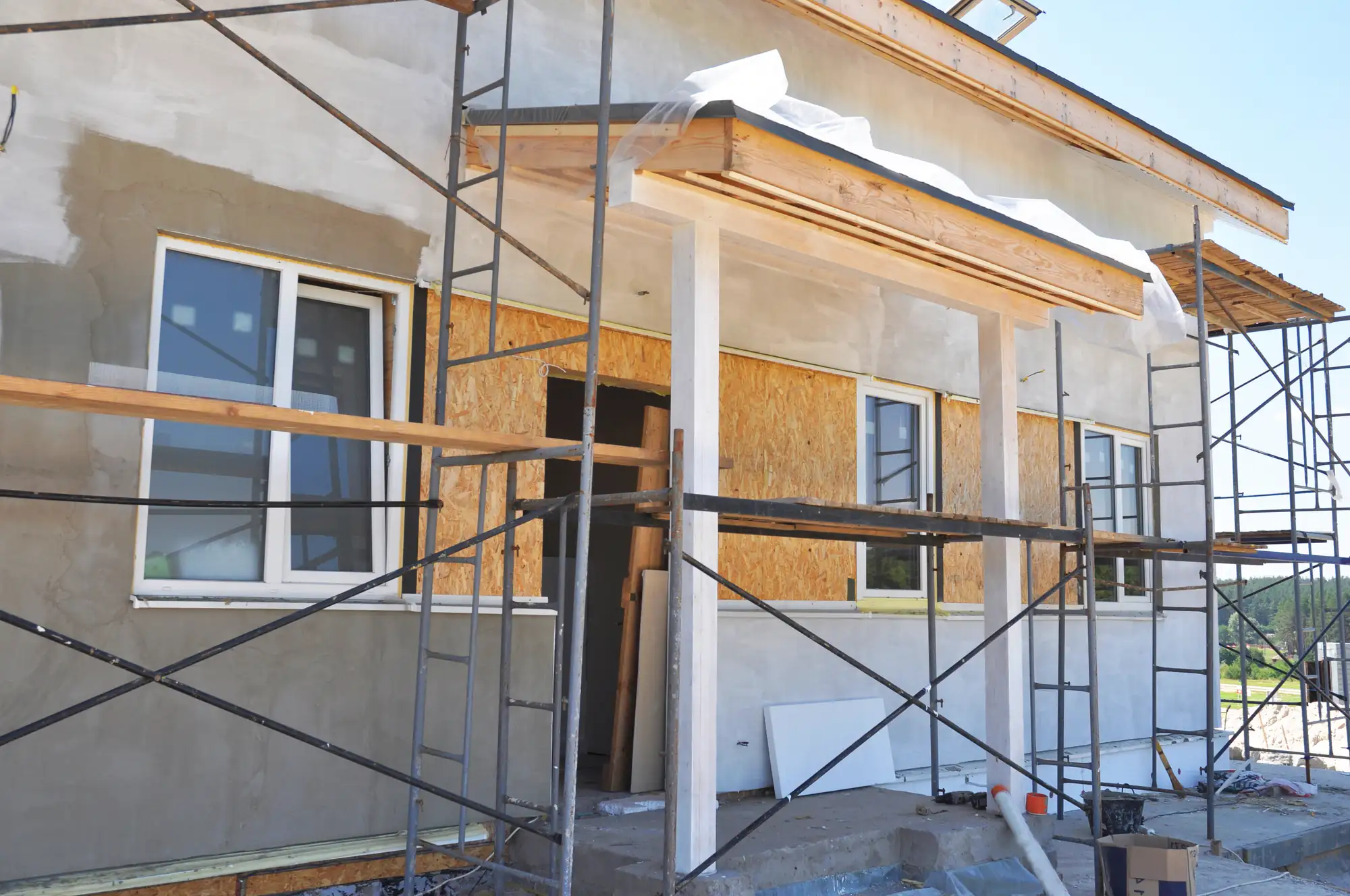
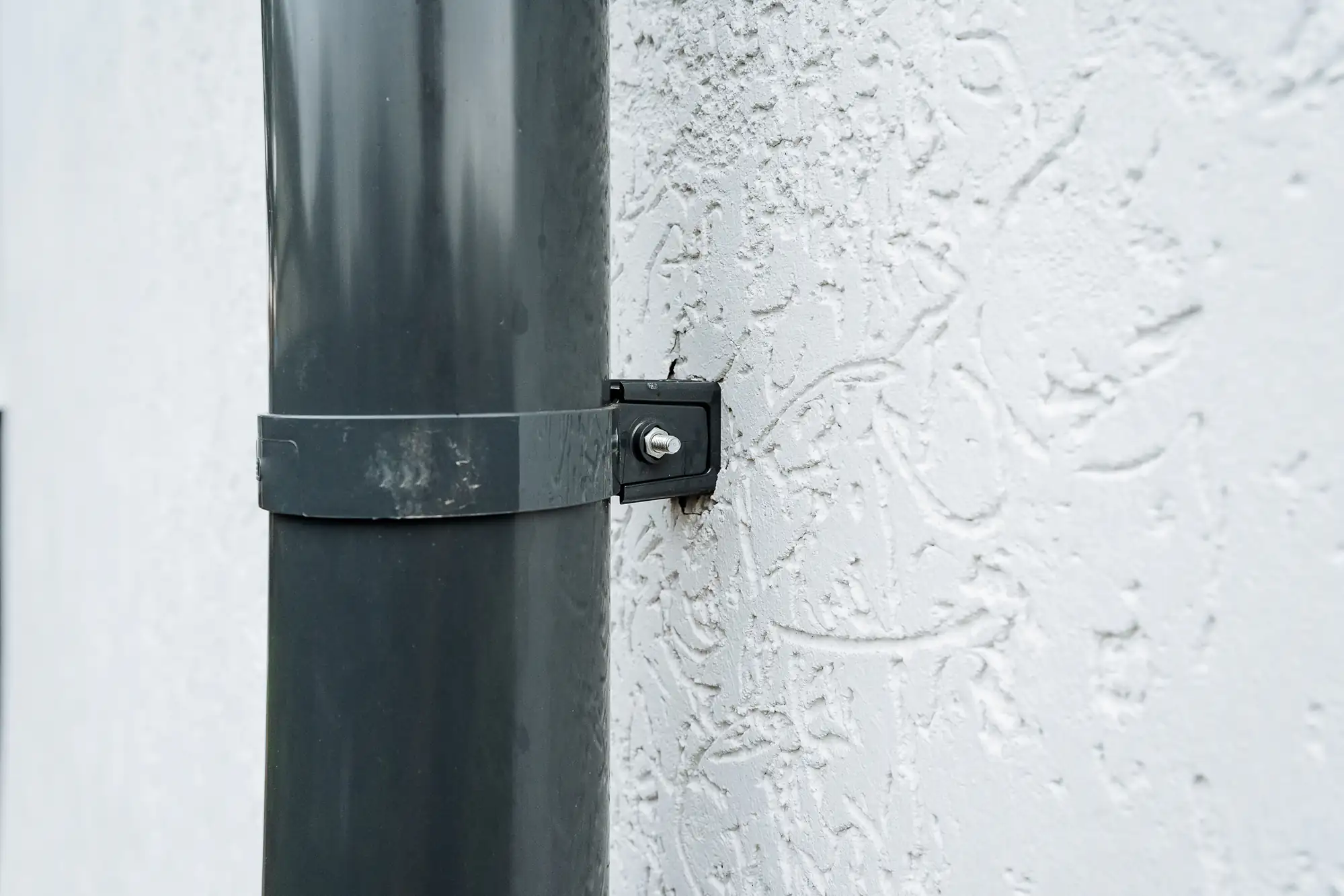
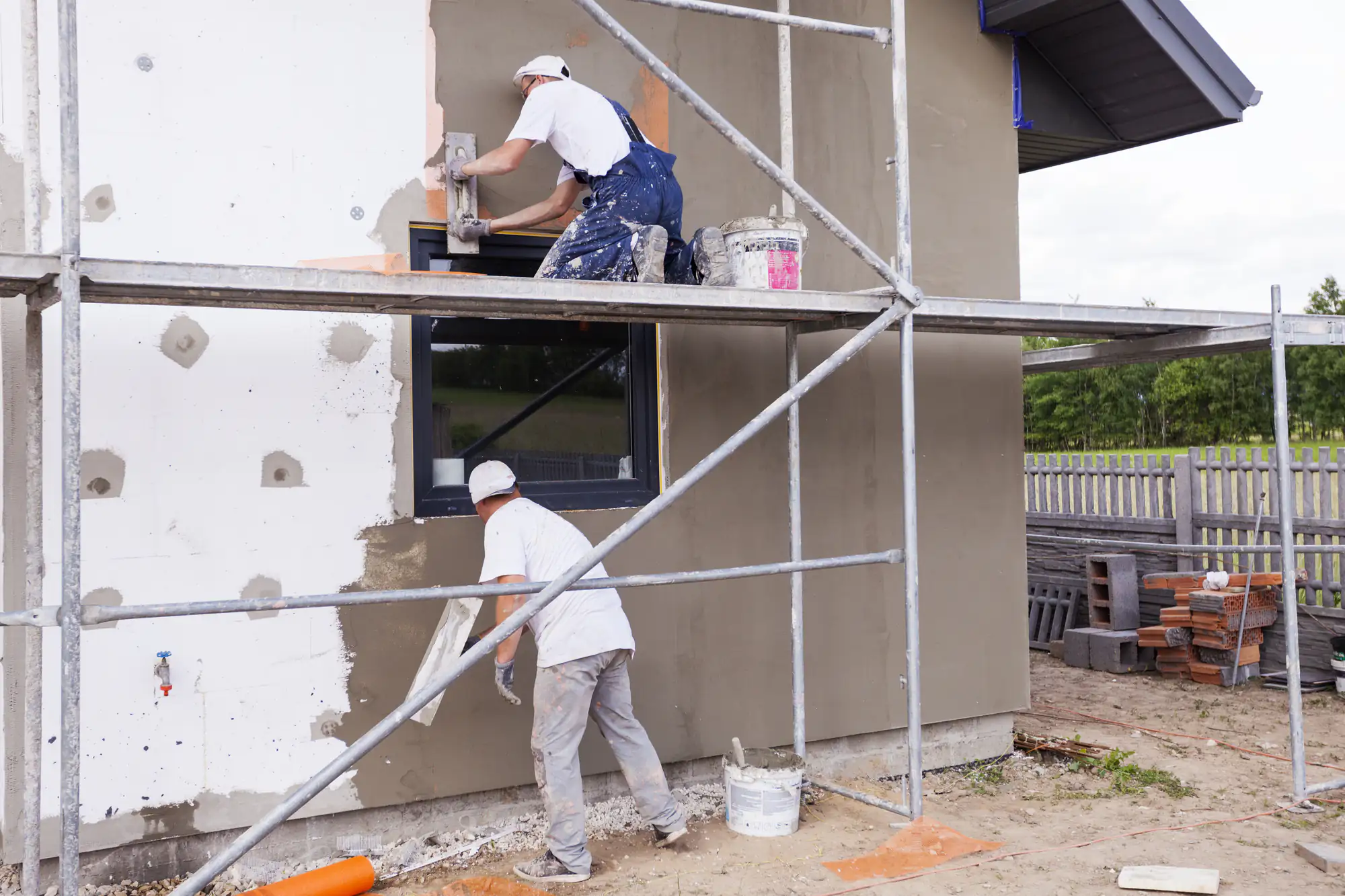
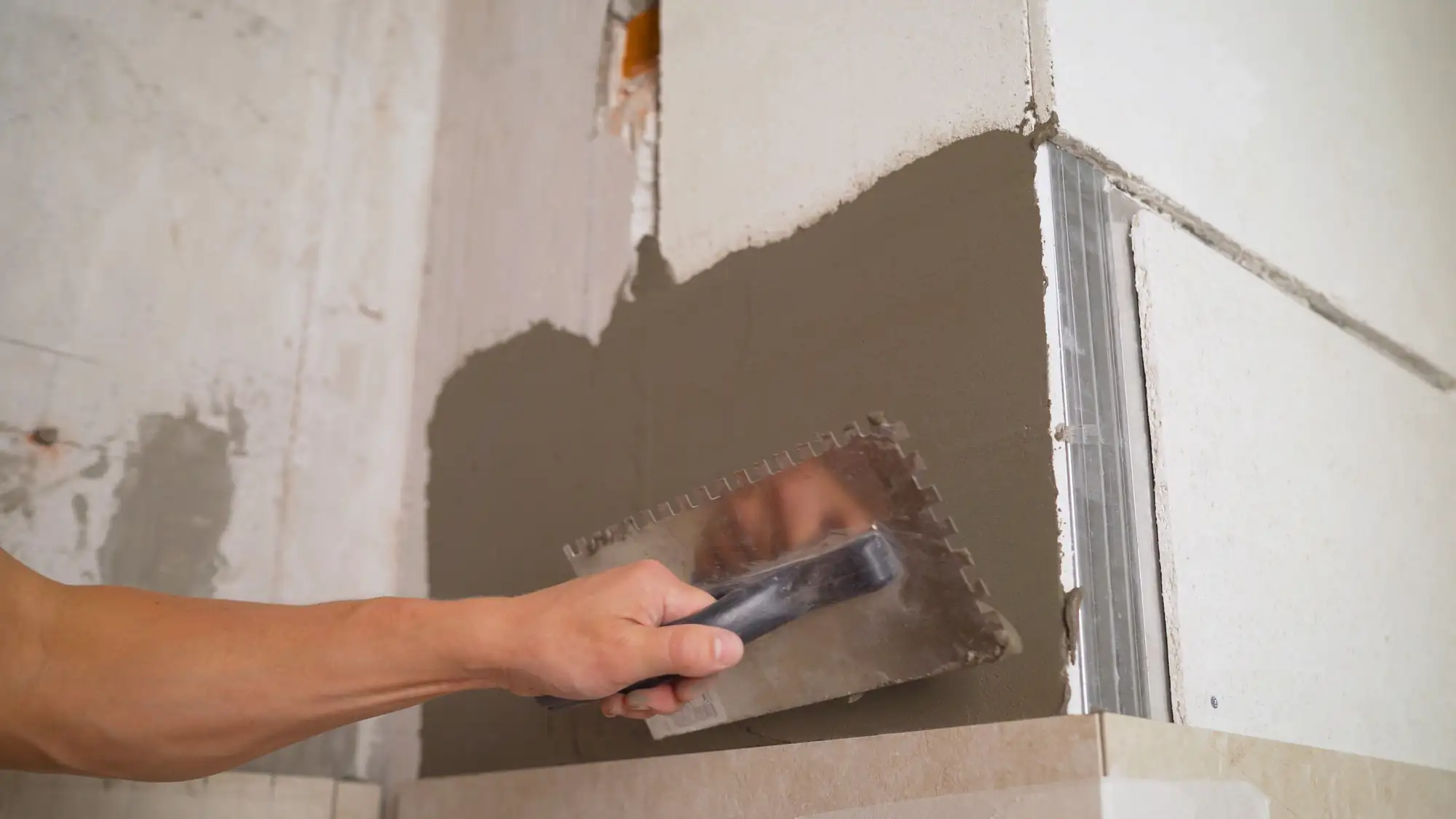
From there, the moisture barrier and drainage plane go in. This is the layer that keeps Lakeland’s heavy rainfall from getting behind your stucco and staying there. Weep screeds are installed at the base of the walls so water has a path out. Flashing goes around every window, door, and roof transition. Then comes the lath, followed by the scratch coat, the brown coat, and finally the finish coat — each layer applied and allowed to cure properly before the next one goes on.
One thing worth knowing upfront: traditional stucco requires 28 to 60 days of curing before it can be painted. During Lakeland’s summer rainy season, that timeline can stretch depending on humidity and overnight moisture. We’ll give you a realistic schedule before the project starts — not an optimistic one that falls apart in week two. If your project is in one of Lakeland’s historic districts like Beacon Hill or South Lake Morton, there’s also a Historic Preservation Board approval step before permitting, and we’ll walk you through what that involves.
Ready to get started?
EIFS and Cement Finish Options Lakeland
We install traditional three-coat hardcoat stucco, EIFS (synthetic stucco) systems, acrylic finishes, and elastomeric coatings — and the recommendation depends on what your home actually needs, not what’s fastest to apply. For most Lakeland homes, particularly older construction in established neighborhoods, hardcoat stucco remains the most durable long-term choice. It handles the climate well, it’s compatible with Polk County’s building code requirements, and when it’s installed correctly, it lasts decades.
EIFS systems are a strong option for certain applications — particularly on commercial buildings or new construction where additional insulation value is a priority. They require precise installation to manage moisture correctly, which is why they’ve developed a mixed reputation in Florida. Done right, they perform well. Done carelessly, they trap water. That distinction matters a lot in a market with Lakeland’s rainfall totals.
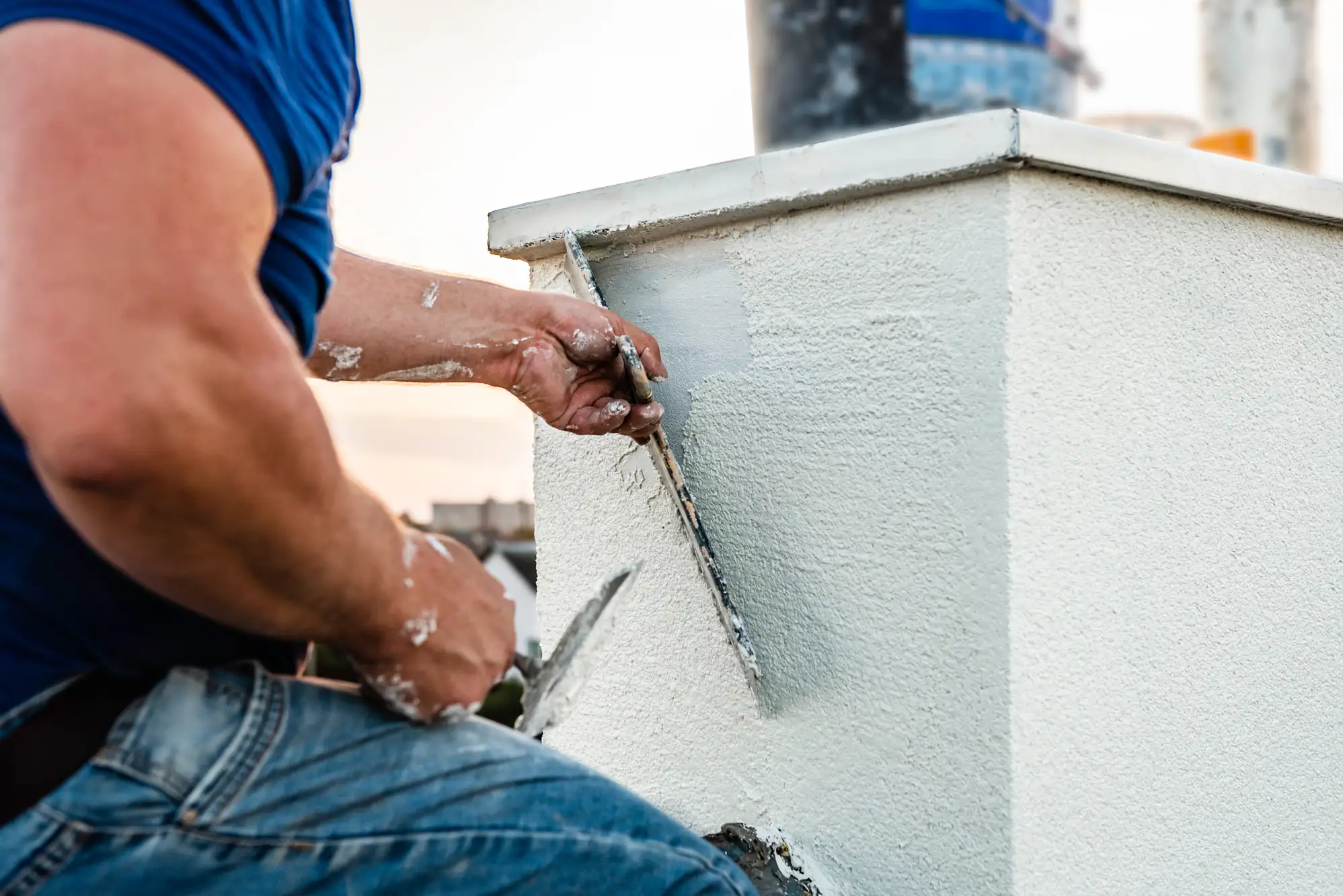
Texture matching is part of every project where existing stucco is being repaired or extended. Knockdown, sand float, smooth, dash — the goal is always that you can’t tell where the old stucco ends and the new begins. For homeowners in Historic Dixieland or near Lake Morton’s historic corridor, that level of detail isn’t optional. It’s what makes the work worth doing.
Do I need a permit for stucco installation on my Lakeland home?
Yes — the City of Lakeland requires a building permit for stucco installation and re-stucco projects. You’ll submit through the city’s iMS permit system, and the work needs to comply with the Florida Building Code, which sets specific requirements for moisture barriers, drainage planes, weep screeds, and flashing around all penetrations. These aren’t optional details — they’re code minimums, and a licensed contractor will pull the permit and ensure the installation meets them.
If your home is in one of Lakeland’s historic districts — Dixieland, Beacon Hill, South Lake Morton, or others — there’s an additional layer. Exterior renovations in those areas require approval from the Historic Preservation Board before a building permit can even be submitted. We bring this up at the estimate stage so it doesn’t delay your project mid-stream. For properties in unincorporated Polk County just outside Lakeland’s city limits, permitting goes through the Polk County Building Division instead, but the same Florida Building Code requirements apply.
How much does stucco installation typically cost in Lakeland, FL?
For traditional three-coat hardcoat stucco, you’re generally looking at $7 to $12 per square foot installed. EIFS systems run higher — typically $10 to $18 per square foot — because of the additional components involved. On an average Lakeland home, a full stucco installation usually falls somewhere between $18,000 and $44,000 depending on the system type, the condition of the existing substrate, and the complexity of the project.
What makes Lakeland quotes vary so widely is that contractors scope the job differently. One bid might include only the finish coat. Another includes moisture barrier replacement, lath inspection, and proper flashing. Those aren’t the same job, and you can’t compare them on price alone. When you get a written estimate from us, it’s itemized — you’ll see exactly what’s included and why each piece matters. That way you’re comparing apples to apples when you’re evaluating your options, not guessing at what’s been left out.
What type of stucco system holds up best in Lakeland's climate?
For most Lakeland homes — especially existing construction in established neighborhoods — traditional three-coat hardcoat stucco is the most durable long-term option. It handles Florida’s heat and UV exposure well, it’s compatible with the Florida Building Code requirements that govern Polk County construction, and a properly installed hardcoat system can last 50 years or more without needing full replacement.
EIFS performs well in the right applications, particularly on commercial buildings or new construction where thermal performance is a priority. But it requires very precise installation to manage moisture correctly — and in a market that gets 50 inches of rain annually, concentrated in heavy summer downpours, a poorly detailed EIFS system will trap moisture behind the cladding in ways that don’t show up immediately but cause significant damage over time. Acrylic and elastomeric finish coats are also available and work well as protective top layers on existing systems. The honest answer is that the best system depends on your specific home, its age, and its current condition — which is exactly what a site visit is for.
My Lakeland home was built in the 1980s — how do I know if it needs repair or full replacement?
This is one of the most common questions we get from homeowners in Lakeland’s established subdivisions — neighborhoods like Cleveland Heights, Lakeland Highlands, and parts of southwest Lakeland where a lot of the housing stock was built during the city’s suburban growth surge of the 1970s through 1990s. Those homes are now 30 to 50 years old, and the stucco systems installed under the building codes of that era didn’t require the moisture barriers and drainage details that are standard today.
The difference between a repair and a full replacement comes down to what’s happening beneath the surface. Isolated cracks that are surface-level and not associated with moisture intrusion can often be patched and blended effectively. But if you’re seeing staining, soft spots, bubbling, or cracks that follow a pattern around windows and corners, that usually signals moisture has been getting behind the stucco — and at that point, patching the face doesn’t fix the underlying problem. A proper assessment involves probing the wall, not just looking at it. We’ll tell you honestly what we find, including if a targeted repair is genuinely the right call rather than a full re-stucco.
Can stucco be installed during Lakeland's summer rainy season?
It can be done, but it requires more careful management of the process, and any contractor who tells you summer installation in Lakeland is the same as a November installation is oversimplifying it. Stucco needs to dry properly between coats, and during Lakeland’s rainy season — roughly June through September — daily afternoon thunderstorms and overnight humidity that regularly exceeds 90% slow down that drying process significantly. Rushing it causes adhesion failures that show up later as delamination or cracking.
The preferred window for new stucco installation in Lakeland is November through March. Lower humidity, milder temperatures, and fewer afternoon storms mean each coat cures the way it’s supposed to before the next one goes on. That said, repair work and smaller projects can often be scheduled around the weather even in summer. If your project timeline requires summer installation, we’ll be upfront about what that means for the schedule and what adjustments need to be made — not just proceed as if the season doesn’t matter and hope it works out.
What causes stucco to crack on homes near Lakeland's lakes?
Lakeland has 38 named lakes, and a significant portion of the city’s residential housing sits near water. The soil in those areas — particularly around Lake Hollingsworth, Lake Bonny, Lake Morton, and throughout the lakefront neighborhoods — shifts with seasonal changes in the water table. When soil moisture rises and falls, it moves. That movement transfers stress to your home’s foundation and wall system, and stucco — being a rigid material — responds to that stress with cracks. The most common pattern is stair-step cracking near corners, above windows, and along the base of walls.
This is why the foundation repair background that we bring to every project matters in Lakeland specifically. Understanding how water and soil movement interact with a building envelope is different from knowing how to apply a finish coat. If the cracking on your home is related to soil movement, patching the surface without addressing the source just means the crack comes back — often wider. A proper assessment looks at where the cracks are, what pattern they follow, and whether they’re growing or stable before any repair work begins.
Other Services we provide in Lakeland